
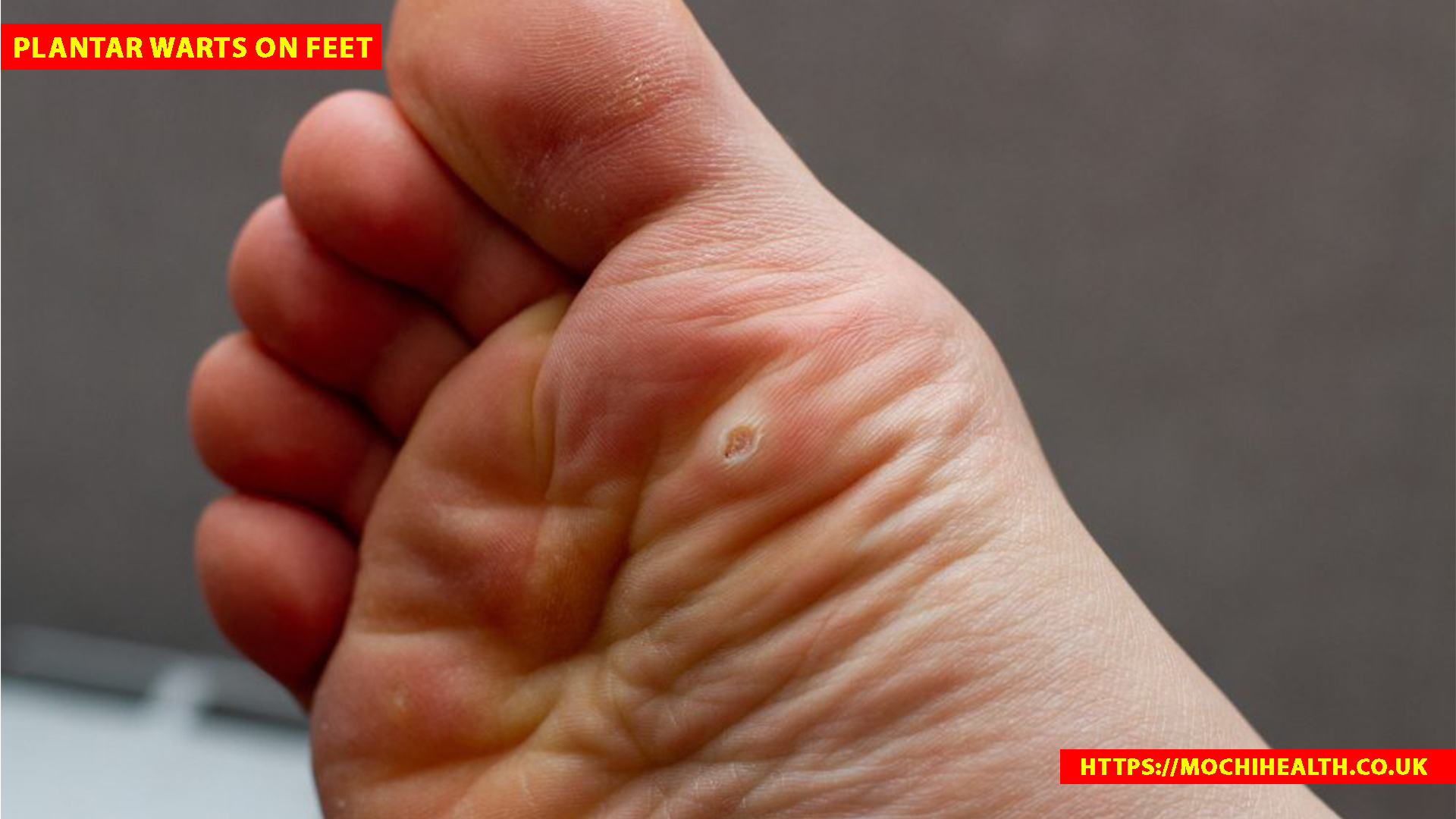
Plantar warts on feet are a common dermatological condition affecting millions of people worldwide. These small growths, often found on the soles of the feet, can cause discomfort, pain, and sometimes embarrassment. Despite being generally harmless, plantar warts can be persistent and challenging to treat, especially when they are left untreated for long periods.
The presence of plantar warts on feet is often due to viral infections caused by the human papillomavirus (HPV), which can enter the skin through tiny cuts or abrasions. While plantar warts can appear in anyone, certain environmental and lifestyle factors increase the likelihood of developing them. Understanding the nature of plantar warts, how they develop, and the most effective ways to manage and prevent them is crucial for maintaining healthy feet.
In this article, we will explore plantar warts on feet in detail, including their causes, symptoms, treatments, and preventive measures. We will also discuss complications that may arise if they are ignored, and provide frequently asked questions to clarify common concerns.
What Are Plantar Warts on Feet?
Plantar warts on feet are small, rough, and sometimes painful growths that typically develop on the bottom of the feet. Unlike warts found elsewhere on the body, plantar warts are often flat due to the pressure exerted on the soles when walking or standing. These warts are caused by specific strains of the human papillomavirus (HPV), which infect the skin and trigger abnormal cell growth.
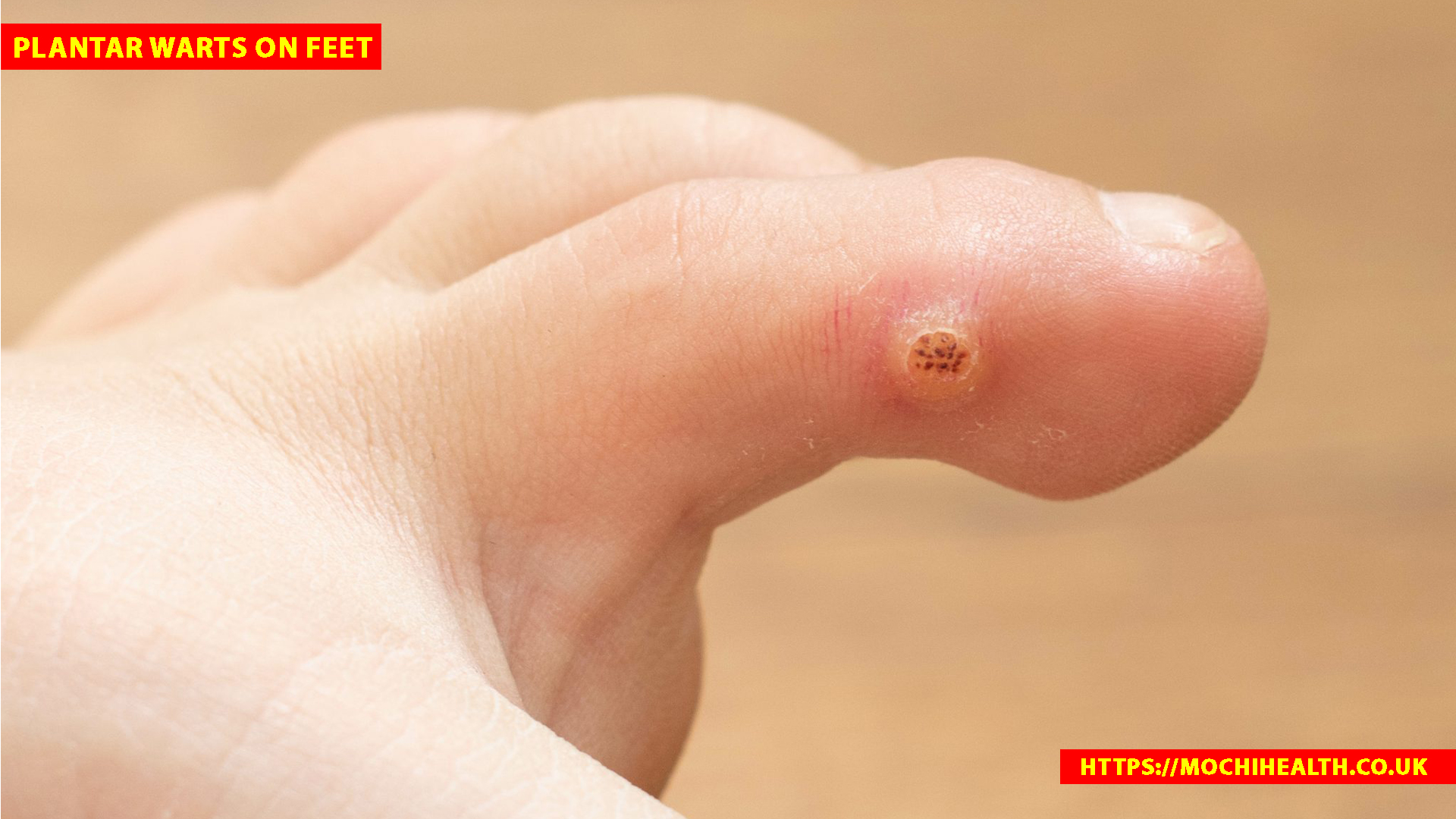
A defining feature of plantar warts on feet is their tendency to develop on weight-bearing areas, such as the heel or ball of the foot. They may appear as small, grainy, or fleshy bumps with black pinpoints, which are actually small, clotted blood vessels.
Though plantar warts are non-cancerous, they can multiply if the virus spreads to nearby skin or if the wart is irritated repeatedly. People often confuse plantar warts with calluses, but unlike calluses, warts have tiny black dots and disrupt the natural skin lines.
Causes of Plantar warts on feet
The primary cause of plantar warts on feet is infection by HPV. The virus thrives in warm, moist environments, making places like public swimming pools, locker rooms, and communal showers common sources of infection.
HPV can enter the skin through:
-
Small cuts or abrasions on the feet
-
Excessive sweating, which softens the skin
-
Walking barefoot in communal areas
The virus responsible for plantar warts is different from those that cause warts on hands or other parts of the body. Some strains of HPV are more likely to infect the feet, leading to hard, thickened growths that are challenging to remove without treatment.
Other contributing factors include:
-
Weak immune system, which allows HPV to thrive
-
Frequent exposure to contaminated surfaces
-
Skin trauma or irritation
Understanding these causes is essential to prevent recurrence and manage existing plantar warts on feet effectively.
Symptoms and Signs
Recognizing plantar warts on feet early is crucial for effective treatment. Common symptoms include:
-
Small, rough, or grainy growths on the soles of the feet
-
Pain or tenderness, especially when standing or walking
-
Black dots (tiny clotted blood vessels) visible within the wart
-
Interruptions in natural skin lines
-
Thickened, callus-like skin over the wart
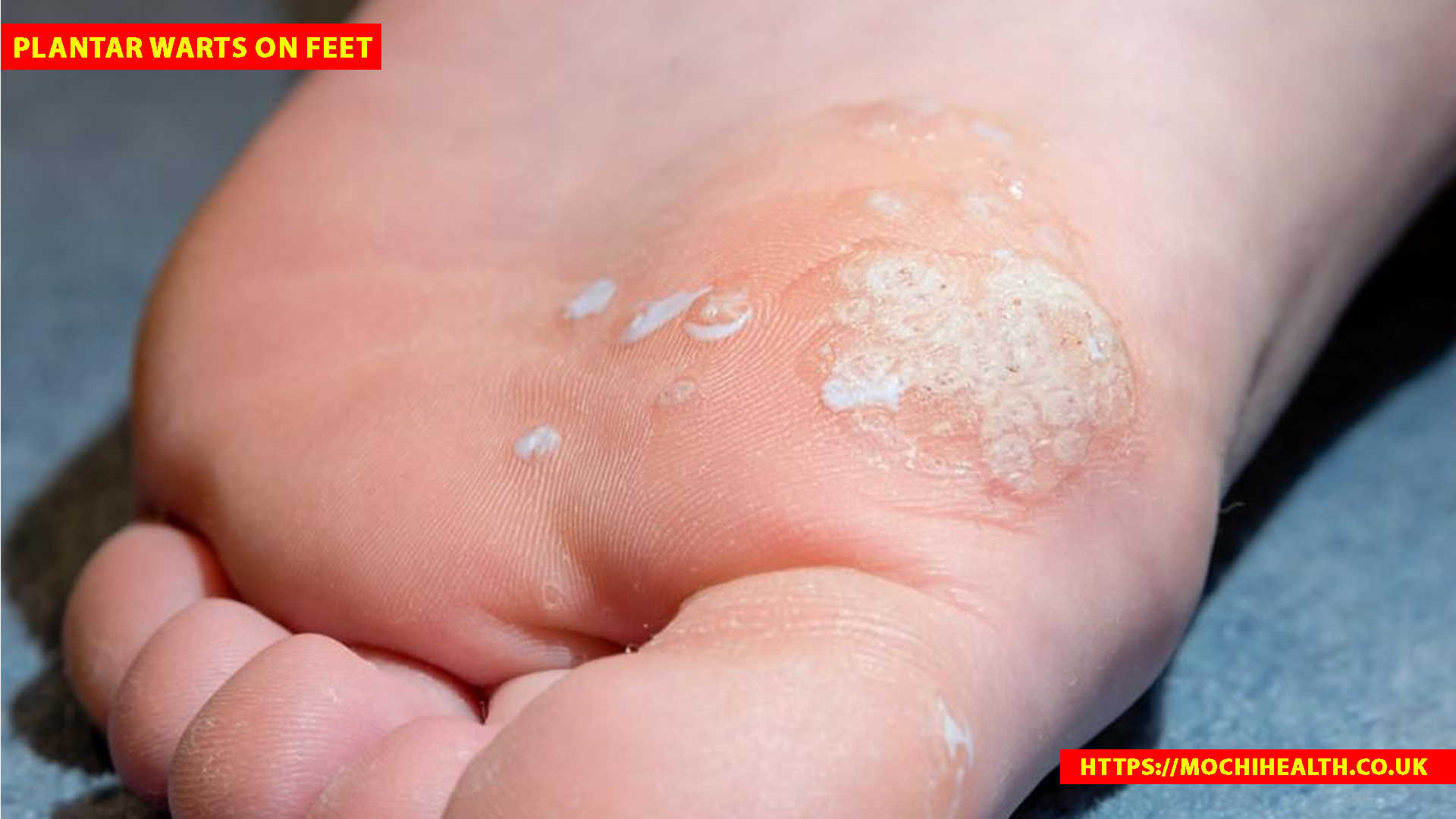
Unlike other types of warts, plantar warts may grow inward due to pressure from walking, which can increase discomfort. Sometimes, multiple warts cluster together, forming a mosaic wart, which can be more painful and harder to treat.
Risk Factors
Certain factors increase the likelihood of developing plantar warts on feet:
-
Age – Children and teenagers are more susceptible due to less-developed immunity.
-
Immunocompromised individuals – People with weakened immune systems, such as those undergoing chemotherapy or with HIV, are at higher risk.
-
Frequent barefoot exposure – Walking barefoot in communal areas increases HPV transmission.
-
Skin injuries – Cuts, abrasions, or cracks in the feet can provide entry points for HPV.
-
Sweaty feet – Excessive moisture softens the skin, making it easier for the virus to infect.
By identifying these risk factors, individuals can take preventive steps to reduce the likelihood of developing plantar warts.
Diagnosis
Diagnosing plantar warts on feet usually involves a visual examination by a healthcare professional. Key indicators include:
-
Rough surface texture with small black dots
-
Pain when pinched from the sides rather than direct pressure
-
Disrupted skin lines
-
Sometimes, dermoscopy may be used to distinguish warts from other skin conditions like calluses or corns
In most cases, plantar warts can be diagnosed without extensive tests. However, a biopsy may be recommended in rare instances where warts resemble skin cancer or other serious conditions. Early diagnosis is critical to prevent spread or complications.
Medical Treatments for Plantar Warts on Feet
Medical interventions for plantar warts are highly effective, especially for stubborn or painful warts. Common treatments include:
1. Cryotherapy
Cryotherapy involves freezing the wart with liquid nitrogen. This treatment destroys infected tissue and stimulates the immune system to fight HPV. Multiple sessions may be required for larger or multiple warts.
2. Salicylic Acid
Topical salicylic acid is applied to soften and remove layers of the wart gradually. Regular application over several weeks can eliminate plantar warts effectively.
3. Laser Therapy
Laser treatment targets the blood vessels feeding the wart, causing it to shrink and eventually disappear. This method is particularly effective for resistant plantar warts.
4. Immunotherapy
Immunotherapy stimulates the body’s immune system to fight HPV naturally. It can be applied topically or through injections, making it suitable for multiple or recurring warts.
5. Surgical Removal
In rare cases, surgical excision is performed for warts that do not respond to other treatments. While effective, surgery may cause scarring and is typically considered a last resort.
It is essential to consult a dermatologist before starting any treatment to ensure safety and effectiveness.
Home Remedies and Natural Treatments
Many individuals seek home remedies for plantar warts on feet. While results vary, some methods can support medical treatments or alleviate mild cases. Popular options include:
-
Duct tape occlusion therapy, which involves covering the wart to stimulate immune response
-
Apple cider vinegar, which may have antiviral properties
-
Garlic paste, known for antimicrobial effects
-
Tea tree oil, which may help reduce viral activity
While home remedies are convenient, they may take longer to show results and are less reliable than professional treatments. Combining natural remedies with medical guidance often yields better outcomes.
Preventing Plantar Warts
Prevention is key in managing plantar warts on feet. Effective preventive measures include:
-
Wearing protective footwear in public showers, locker rooms, and pool areas
-
Keeping feet clean and dry, particularly between toes
-
Avoiding sharing shoes or socks with others
-
Covering warts to prevent viral spread
-
Strengthening the immune system through balanced diet and exercise
By taking these steps, individuals can minimize the risk of developing plantar warts or spreading the virus to others.
Complications if Left Untreated
Although plantar warts are generally harmless, untreated warts can lead to:
-
Painful walking or standing, affecting daily activities
-
Spread of warts to other areas of the foot or body
-
Secondary infections if warts are scratched or injured
-
Formation of mosaic warts, which are more resistant to treatment
Timely intervention prevents complications and promotes faster healing of plantar warts on feet.
Conclusion
Plantar warts on feet are a common yet manageable condition caused by HPV. They can affect anyone but are especially prevalent in children, teens, and individuals with weakened immune systems. Recognizing symptoms early, understanding risk factors, and seeking proper treatment are vital for effective management.
While medical treatments such as cryotherapy, salicylic acid, laser therapy, and immunotherapy offer the best results, natural remedies and preventive practices can complement professional care. Maintaining good foot hygiene, avoiding barefoot exposure in communal areas, and boosting the immune system are essential steps to prevent plantar warts on feet from recurring.
By staying informed and proactive, individuals can minimize discomfort, prevent complications, and maintain healthy, wart-free feet.
FAQs
1. Are plantar warts contagious?
Yes, plantar warts are caused by HPV and can spread through direct contact with infected skin or contaminated surfaces.
2. How long do plantar warts last?
Without treatment, plantar warts may persist for months or even years. Treatment typically shortens their duration significantly.
3. Can plantar warts heal on their own?
Some plantar warts may resolve spontaneously as the immune system fights the virus, but this can take a long time.
4. Is it safe to use home remedies for plantar warts?
Yes, home remedies can be effective for mild warts, but persistent or painful warts should be treated by a healthcare professional.
5. Can plantar warts come back after treatment?
Yes, recurrence is possible if the virus remains in the skin or new infections occur. Preventive measures are essential.
6. Do plantar warts cause serious health issues?
They are generally harmless but can cause pain, discomfort, and secondary infections if untreated.
7. When should I see a doctor for plantar warts?
Consult a doctor if the wart is painful, multiplying, resistant to home treatments, or affecting your daily activities.