
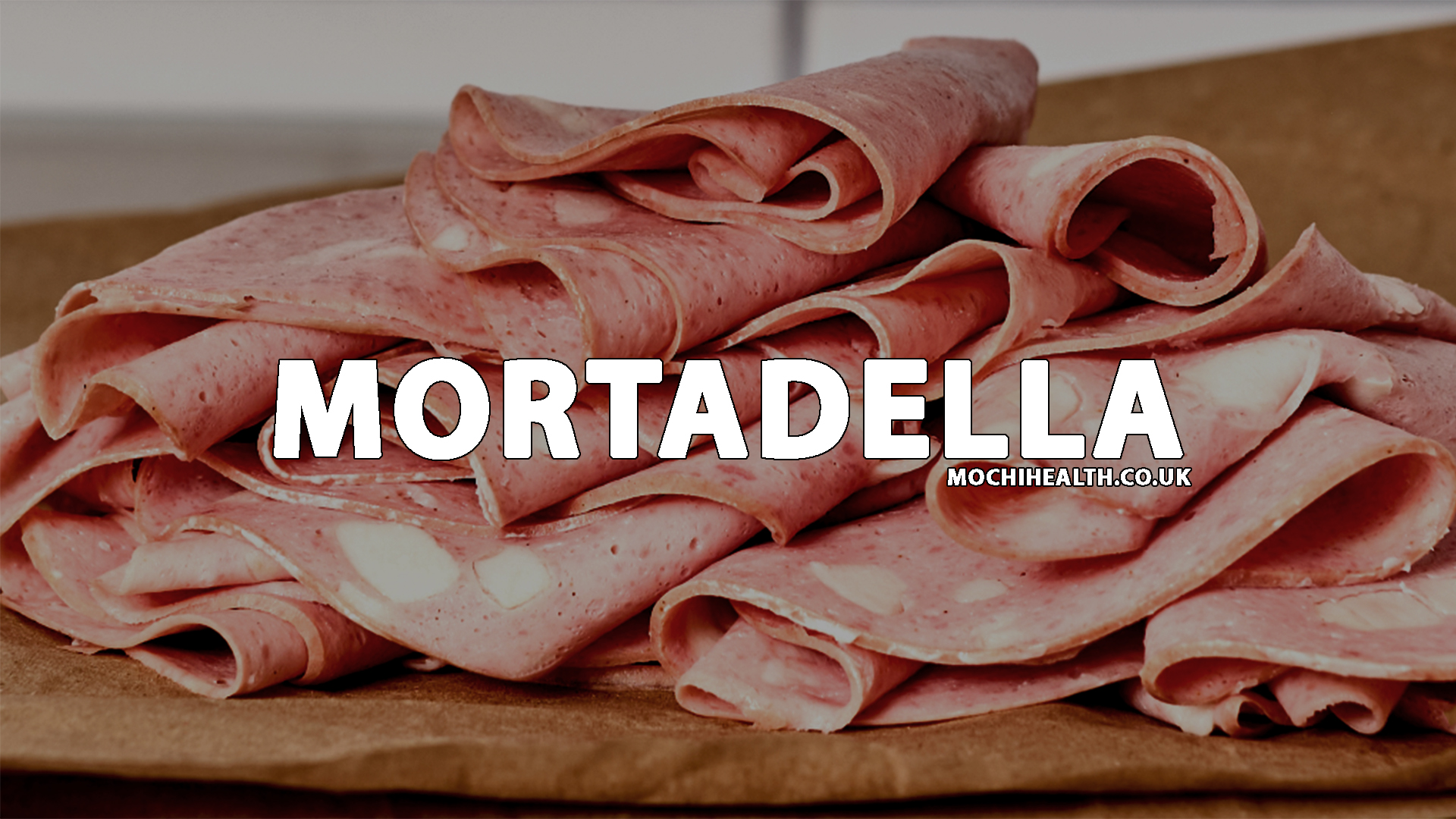
Mortadella is not just a sausage; it is a symbol of Italian culinary excellence and heritage. Its smooth texture, delicate flavor, and distinctive aroma make it one of the most celebrated cold cuts in the world. Originating in the city of Bologna, mortadella has transcended its Italian roots, becoming a favorite for chefs, food enthusiasts, and casual eaters alike.
In modern cuisine, mortadella has maintained its traditional charm while inspiring innovative recipes and gourmet dishes. Whether served in a classic sandwich, included on an antipasto platter, or integrated into modern culinary creations, mortadella remains versatile, rich, and unforgettable. Its unique combination of flavor, fat marbling, and spice has cemented its status as a culinary icon.
What is Mortadella?
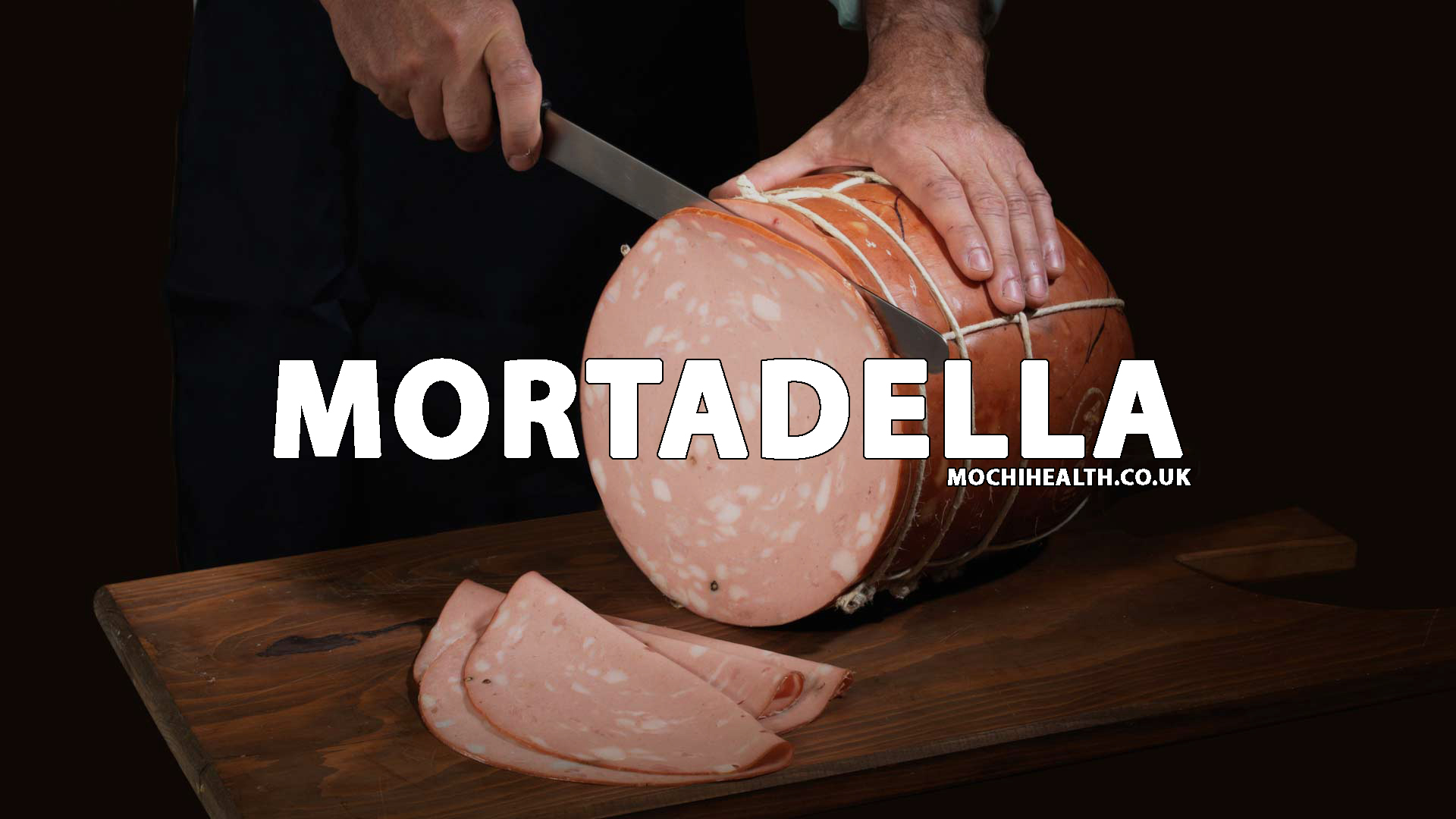
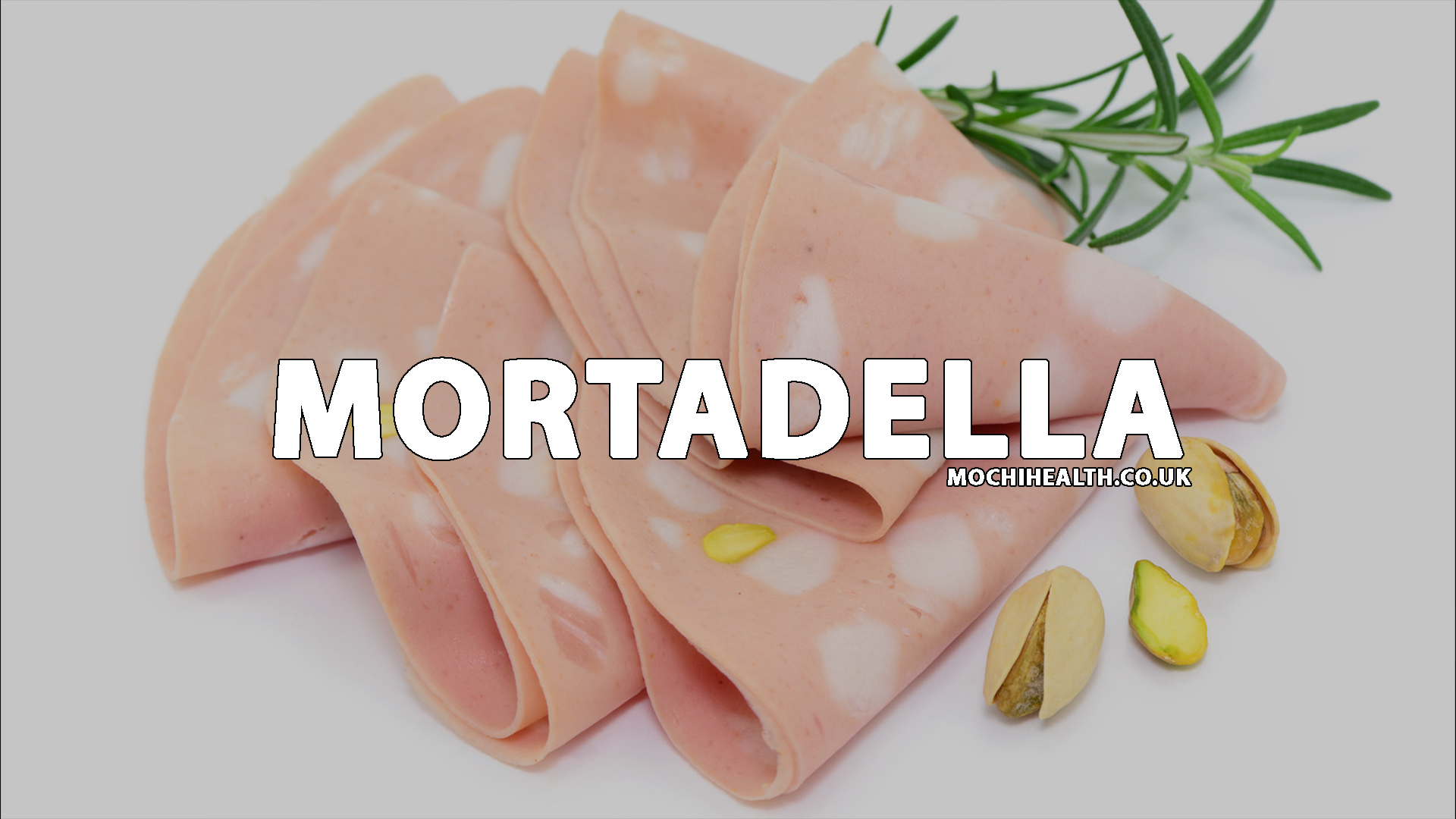
Mortadella is a large Italian sausage made from finely ground pork, seasoned with spices, and studded with small cubes of pork fat. Unlike other cured meats, it is gently cooked, producing a smooth, tender texture that melts in the mouth. Mortadella is usually pale pink with visible fat specks, sometimes garnished with pistachios or peppercorns for added flavor.
The sausage is typically sliced very thin and enjoyed in sandwiches, salads, or as part of a charcuterie board. Its flavor profile is mild yet distinct, making it suitable for pairing with cheeses, breads, and wines. What sets mortadella apart is its balance of fat and seasoning, which creates a creamy, aromatic experience unlike any other cold cut.
The Rich History of Mortadella
The origins of mortadella date back to Ancient Rome, where similar sausages were made from pork, spices, and myrtle berries. These early versions were considered luxury items, reserved for the wealthy and elite. Over time, the recipe evolved, particularly in Bologna, where artisans perfected the delicate texture and flavor that define modern mortadella.
By the 17th century, Bologna had established itself as the epicenter of mortadella production, with local recipes being passed down through generations. Today, authentic Mortadella di Bologna enjoys Protected Geographical Indication (PGI) status in the European Union, ensuring that only sausages produced in Bologna, following traditional methods, can carry the name.
Mortadella’s long history is a testament to its enduring appeal. Over centuries, it has maintained its relevance, blending tradition with culinary creativity, and continues to be an emblem of Italian gastronomy worldwide.
Ingredients and Production of Mortadella
High-Quality Pork
The foundation of mortadella is high-quality pork, carefully selected for its tenderness and fat content. Unlike other sausages, the pork is finely ground to create a smooth, homogeneous texture. The fat is usually cut into small cubes and evenly distributed, providing both flavor and creaminess. The careful selection of meat ensures that mortadella achieves its characteristic melt-in-the-mouth consistency.
Spices and Flavors
Mortadella is subtly spiced to enhance its natural pork flavor without overpowering it. Traditional spices include black pepper, nutmeg, and coriander, while modern variations may incorporate pistachios, olives, or truffle. The seasoning is carefully balanced to create a harmonious taste that is mild yet aromatic.
The combination of spices and fat cubes creates a signature flavor that distinguishes mortadella from other sausages, making it both versatile and gourmet-ready.
The Traditional Production Process
The production of mortadella is a blend of art and precision. After grinding the pork and incorporating spices, the mixture is carefully stuffed into casings. Unlike dry-cured sausages, mortadella is gently cooked at controlled temperatures, which preserves its moisture, tenderness, and aromatic qualities.
Once cooked, the sausage is cooled to allow it to firm up, making it suitable for slicing. The result is a perfectly smooth, flavorful cold cut, celebrated both in traditional Italian kitchens and contemporary gourmet cuisine.
Different Types of Mortadella
While classic mortadella is widely appreciated, there are several variations available:
-
Mortadella di Bologna PGI – The authentic version from Bologna, mild and delicately seasoned.
-
Mortadella with Pistachios – Includes chopped pistachios for a nutty flavor and visual appeal.
-
Mortadella with Truffle – A luxurious variation infused with aromatic truffles.
-
Low-Fat Mortadella – Offers a lighter option while preserving flavor.
These variations allow mortadella to cater to different tastes, from traditionalists to modern culinary innovators.
Mortadella Around the Globe
While mortadella is an Italian classic, its popularity has spread globally:
-
United States – Often served in sandwiches, deli platters, or as part of antipasto.
-
Brazil – Known as “Mortadela Paulista,” this version is thicker and more heavily seasoned.
-
Europe – France, Germany, and Spain embrace mortadella in sandwiches and charcuterie boards.
-
Asia – Some high-end restaurants integrate mortadella into pasta and pizza dishes.
Despite regional adaptations, authentic Italian mortadella remains a benchmark of quality and flavor.
Nutritional Profile and Health Aspects
Mortadella is rich in protein and fat, providing energy and flavor but requiring mindful consumption.
Approximate nutritional values per 100g of mortadella:
-
Calories: 311 kcal
-
Protein: 15 g
-
Fat: 28 g
-
Carbohydrates: 1 g
-
Sodium: 1000 mg
Health Note: Low-fat versions are available for those seeking healthier options. Pairing mortadella with vegetables, whole grains, and fresh bread can help create a balanced meal while enjoying this indulgent sausage.
Culinary Uses of Mortadella
Italian Classics
In Italian cuisine, mortadella is celebrated in various forms. It is commonly enjoyed in sandwiches with fresh bread, cheeses, and greens. It complements pasta dishes when diced or sautéed and is a staple on antipasto platters alongside olives, cheeses, and cured meats.
Mortadella’s mild yet distinctive flavor allows it to integrate seamlessly into both simple and elaborate dishes. Its presence elevates ordinary meals into a culinary experience, embodying the essence of Italian food culture.Modern Culinary Innovations
Modern chefs have expanded mortadella’s culinary applications. It is used as a gourmet pizza topping, incorporated into stuffed vegetables, or paired with inventive sauces in fine dining dishes. Mortadella can also appear in creative wraps and paninis, blending harmoniously with ingredients like pesto, roasted peppers, or arugula.
These innovative uses showcase mortadella’s versatility, demonstrating that its appeal extends far beyond traditional Italian cuisine.
Storage and Preservation
Proper storage is key to preserving the flavor and texture of mortadella. Refrigeration in airtight containers ensures freshness, while freezing can extend shelf life up to three months. Slicing mortadella before freezing makes it convenient for later use.
Freshly sliced mortadella should ideally be consumed within five days, while whole sausages last up to two weeks. Maintaining proper storage conditions ensures that this delicate sausage retains its signature smoothness and flavor.
Mortadella Compared to Other Cold Cuts
Mortadella is often compared to other cold cuts like bologna, prosciutto, and salami. Its smooth texture and visible fat cubes make it distinct from dry-cured meats. Mortadella has a mild, aromatic flavor, setting it apart from heavily seasoned salamis or dry prosciutto.
The versatility, creamy mouthfeel, and mild flavor make mortadella ideal for both casual sandwiches and sophisticated culinary creations.
Buying Tips for Mortadella
When buying mortadella, authenticity and quality are paramount. Look for PGI certification if purchasing Mortadella di Bologna. Examine the texture for smoothness and evenly distributed fat cubes. Freshly sliced mortadella from a reputable butcher ensures optimal flavor and aroma.
Choosing the right mortadella guarantees a superior culinary experience, whether enjoyed on its own or incorporated into gourmet recipes.
Conclusion
Mortadella is more than a sausage—it is a culinary symbol of Italian tradition, craftsmanship, and flavor. Its smooth texture, delicate aroma, and versatile applications make it a cherished ingredient worldwide. From ancient Roman roots to contemporary kitchens, mortadella has retained its charm while inspiring creativity in modern cuisine.
Whether enjoyed in a sandwich, an antipasto platter, or an innovative dish, mortadella provides an unforgettable taste experience, reflecting Italy’s rich gastronomic heritage.
FAQs
1. What makes mortadella different from bologna?
Mortadella has a smoother texture, visible fat cubes, and mild aromatic spices, while bologna is usually processed with fewer fat pieces and a simpler flavor.
2. Can mortadella be eaten directly?
Yes, mortadella is fully cooked during production and can be consumed straight from the package.
3. How long does mortadella last?
Sliced mortadella lasts about 5 days refrigerated, while whole sausages can be stored up to two weeks.
4. Is mortadella healthy?
While mortadella is protein-rich, it is also high in fat and sodium. Moderation is advised, and low-fat varieties are available.
5. Can mortadella be frozen?
Yes, it can be frozen for up to three months. Slicing before freezing ensures convenience and easy portioning.
6. What dishes are best with mortadella?
Mortadella works well in sandwiches, pasta, antipasto, pizza, wraps, and gourmet stuffed dishes.
7. Why is Mortadella di Bologna special?
It carries PGI certification, ensuring it is produced in Bologna following strict traditional standards.