
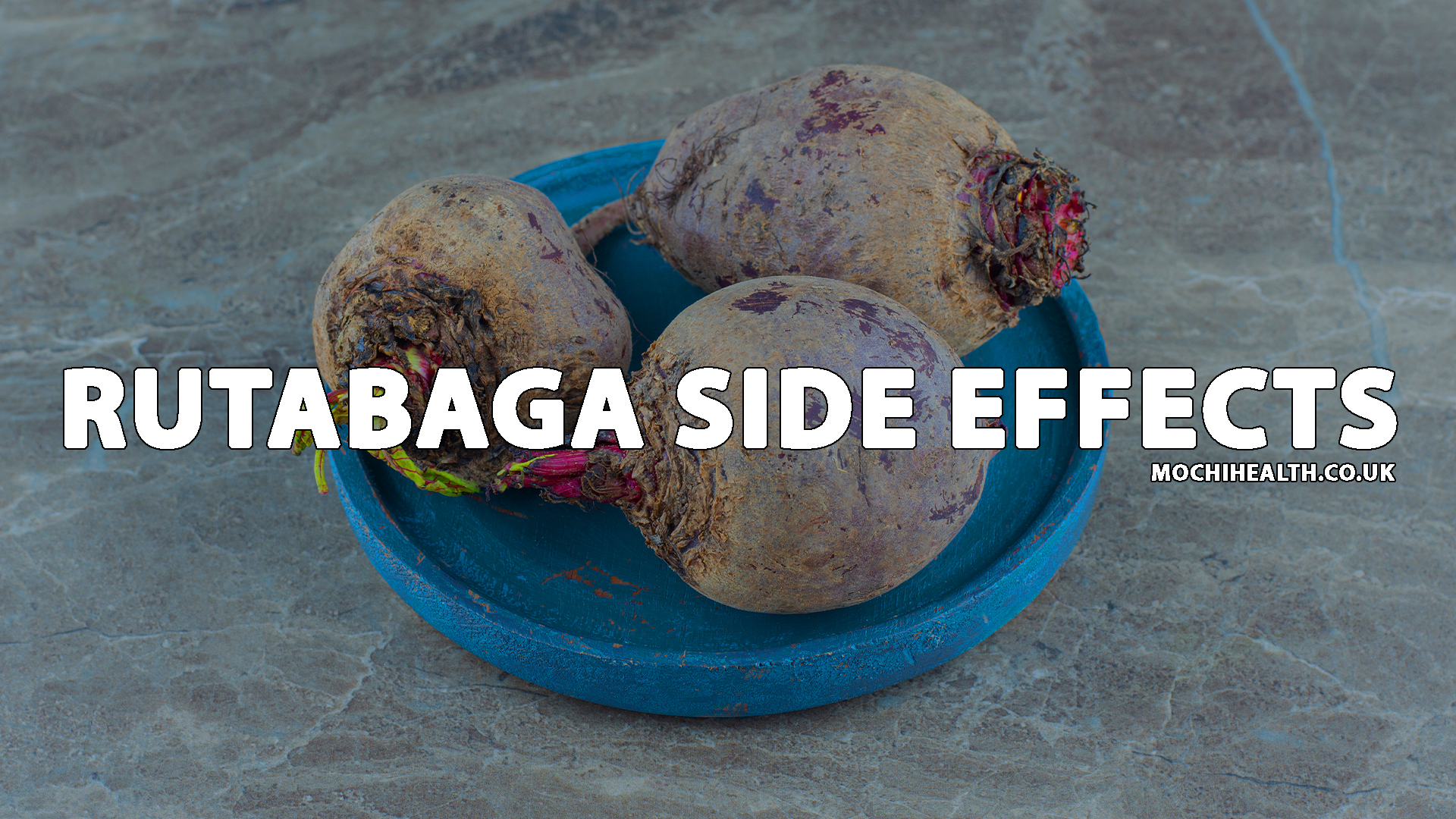
Rutabaga is a root vegetable that has been consumed for centuries across Europe, North America, and parts of Asia. Known for its mildly sweet, earthy flavor and dense nutritional profile, rutabaga is often praised as a healthy addition to soups, stews, and roasted vegetable dishes. Despite its reputation as a nutritious food, many people are increasingly searching for information about rutabaga side effects to better understand how it may affect the body.
As interest in plant-based diets and whole foods grows, vegetables like rutabaga are gaining renewed popularity. However, even natural foods can cause unwanted reactions in certain individuals or when consumed in excess. Side effects may range from mild digestive discomfort to more complex interactions involving medical conditions or medications.
This article provides a comprehensive and detailed exploration of rutabaga side effects, focusing on how the vegetable interacts with different bodily systems. Written in a structured, paragraph-based format, the content emphasizes medical context, dietary balance, and individual sensitivity. By the end, readers will have a clear, evidence-informed understanding of potential risks, helping them make thoughtful dietary choices without unnecessary fear.
What Is Rutabaga?
Rutabaga, also known as swede or yellow turnip, is a cross between a cabbage and a turnip. It belongs to the cruciferous vegetable family, which includes broccoli, cauliflower, kale, and Brussels sprouts. These vegetables are widely recognized for their health-promoting compounds, including fiber, vitamins, and antioxidants.
Rutabaga is typically round with a yellowish flesh and a purple-tinted skin. It is commonly cooked before consumption, as cooking softens its texture and enhances its natural sweetness. While rutabaga is considered safe for most people, its classification as a cruciferous vegetable plays a role in some of the potential side effects associated with its intake.
Understanding the botanical and nutritional background of rutabaga helps clarify why certain individuals may experience adverse reactions, particularly when it is consumed frequently or in large quantities.
Nutritional Profile of Rutabaga
Rutabaga is low in calories but rich in essential nutrients. It contains dietary fiber, vitamin C, potassium, magnesium, and small amounts of B vitamins. These nutrients contribute to immune support, digestive health, and muscle function.
Additionally, rutabaga contains glucosinolates, natural compounds found in cruciferous vegetables. While these compounds are associated with potential health benefits, they are also central to discussions about rutabaga side effects, especially in relation to thyroid function and digestion.
The presence of complex carbohydrates and fiber means rutabaga is slowly digested, which can be beneficial for satiety but may cause discomfort in sensitive individuals. Nutritional density does not automatically translate to universal tolerance.
Understanding Rutabaga Side Effects

The term rutabaga side effects refers to the range of physical reactions some individuals may experience after consuming this vegetable. These effects vary widely based on personal health, digestive sensitivity, frequency of consumption, and preparation methods.
For many people, rutabaga causes no adverse effects at all. However, others may notice bloating, gas, or mild gastrointestinal discomfort. In rare cases, allergic reactions or interactions with existing medical conditions may occur.
Recognizing that side effects are often dose-dependent and individualized is essential. What is harmless for one person may cause discomfort for another, emphasizing the importance of listening to the body’s responses.
Digestive System Reactions
Digestive discomfort is one of the most commonly reported rutabaga side effects. Due to its high fiber content and complex carbohydrates, rutabaga can ferment in the gut, producing gas. This may lead to bloating, abdominal pressure, or mild cramping.
People with sensitive digestive systems or conditions such as irritable bowel syndrome may be more prone to these effects. The fermentation process, while normal, can be uncomfortable for those with reduced tolerance for fermentable fibers.
Cooking rutabaga thoroughly often reduces digestive discomfort by breaking down some of its fibers. However, persistent digestive symptoms may indicate that rutabaga is not well tolerated by a particular individual.
Allergic Responses and Sensitivities
Although uncommon, food allergies to rutabaga are possible. Allergic reactions may include itching, swelling of the lips or throat, skin rashes, or gastrointestinal distress. These reactions are typically immune-mediated and require medical attention.
Cross-reactivity may also occur in individuals allergic to other cruciferous vegetables. Sensitivities differ from allergies and usually result in milder symptoms, such as discomfort rather than systemic reactions.
Anyone experiencing consistent or severe symptoms after consuming rutabaga should consider professional evaluation to rule out food allergies or intolerances.
Rutabaga and Thyroid Health

One of the most discussed rutabaga side effects relates to thyroid function. Rutabaga contains goitrogens, substances that can interfere with iodine uptake in the thyroid gland. In theory, excessive intake of goitrogenic foods may contribute to thyroid dysfunction, particularly in individuals with iodine deficiency.
For people with normal thyroid function and adequate iodine intake, moderate consumption of rutabaga is unlikely to cause problems. Cooking significantly reduces goitrogenic activity, further lowering potential risk.
Individuals with existing thyroid disorders may need to be more cautious. In such cases, dietary balance and medical guidance play a crucial role in preventing complications.
Impact on Blood Sugar Levels
Rutabaga contains carbohydrates that can influence blood sugar levels. While it has a lower glycemic impact compared to some starchy vegetables, large portions may still cause fluctuations in blood glucose.
For individuals managing diabetes or insulin resistance, awareness of portion size is important. Fiber content helps slow sugar absorption, but individual responses can vary.
In this context, rutabaga side effects are more closely linked to dietary patterns than the vegetable itself. Balanced meals and mindful consumption reduce potential concerns.
Rutabaga Side Effects for Kidney Health
Rutabaga contains potassium, a mineral essential for heart and muscle function. However, individuals with compromised kidney function may need to monitor potassium intake carefully.
Excess potassium can accumulate in people with reduced kidney efficiency, leading to complications. While rutabaga alone is unlikely to cause issues, cumulative dietary intake matters.
For those with kidney-related conditions, dietary planning ensures that nutrient intake remains within safe limits.
Interactions With Medications
Certain medications may interact indirectly with rutabaga consumption. For example, medications that affect potassium levels or thyroid function could be influenced by dietary choices.
While rutabaga is not known for strong drug interactions, individuals on long-term medication regimens should consider overall dietary patterns. Consulting healthcare professionals helps avoid unintended interactions.
Awareness of rutabaga side effects in the context of medication use highlights the importance of personalized nutrition.
Rutabaga Consumption During Pregnancy and Breastfeeding
Rutabaga is generally considered safe during pregnancy and breastfeeding when consumed in moderation. Its vitamin and fiber content can support digestive health and immunity.
However, digestive sensitivity is common during pregnancy, making bloating or gas more noticeable. Balanced intake helps minimize discomfort.
There is no strong evidence linking rutabaga to adverse pregnancy outcomes, but moderation remains a key principle.
Effects of Overconsumption
Overconsumption is a significant factor in many reported rutabaga side effects. Eating large quantities may amplify digestive issues, increase gas production, or contribute to nutrient imbalances.
Excessive intake of any single food can displace dietary variety, reducing overall nutritional balance. Diversity in vegetable consumption supports broader nutrient intake.
Listening to bodily cues and maintaining moderation helps prevent negative effects associated with overconsumption.
Rutabaga Side Effects in Children and Older Adults
Children and older adults may respond differently to dietary fibers. In children, immature digestive systems may be more sensitive, while older adults may experience slower digestion.
Introducing rutabaga gradually allows the body to adapt. For older adults, chewing and digestion may require softer preparation methods.
Monitoring tolerance in these populations ensures that rutabaga contributes positively to nutrition without causing discomfort.
Psychological and Lifestyle Considerations
Concerns about food side effects can sometimes lead to unnecessary dietary restriction. Understanding realistic risks helps prevent anxiety-driven food avoidance.
The discussion around rutabaga side effects should emphasize balance rather than fear. Most adverse effects are mild, manageable, and preventable through moderation.
A healthy relationship with food includes awareness without obsession, allowing enjoyment of diverse foods.
Balancing Benefits and Risks
Rutabaga offers numerous nutritional benefits, including fiber, vitamins, and antioxidants. Weighing these benefits against potential side effects helps individuals make informed decisions.
For most people, the advantages of consuming rutabaga outweigh the risks. Individual health conditions may alter this balance, reinforcing the importance of personalized nutrition.
Balanced diets that include a variety of vegetables reduce the likelihood of negative effects from any single food.
Conclusion
Rutabaga is a nutritious and versatile vegetable that can be safely enjoyed by most individuals. Understanding rutabaga side effects allows consumers to approach this food with awareness rather than concern. Digestive discomfort, thyroid considerations, and nutrient interactions are generally mild and often linked to overconsumption or individual sensitivity.
Moderation, variety, and attention to personal health needs are key to minimizing risks. By incorporating rutabaga thoughtfully into a balanced diet, individuals can enjoy its benefits while reducing the likelihood of adverse effects. Informed dietary choices support both physical health and peace of mind.
Frequently Asked Questions (FAQs)
Can rutabaga cause stomach discomfort?
Yes, due to its fiber content, rutabaga may cause gas or bloating in sensitive individuals.
Is rutabaga safe for people with thyroid problems?
Moderate consumption is usually safe, especially when cooked, but individuals with thyroid conditions should be cautious.
Are rutabaga side effects common?
Most people experience no side effects, and those that occur are typically mild and temporary.
Can rutabaga affect blood sugar?
Rutabaga contains carbohydrates that may influence blood sugar, particularly in large portions.
Is it safe to eat rutabaga daily?
For most individuals, eating rutabaga in moderation as part of a varied diet is safe.