

What Does Cloudy Pee Mean?
Noticing a change in urine appearance can be unsettling, especially when it turns from clear or pale yellow to a cloudy or milky color. Many people immediately worry that something is seriously wrong, while others ignore it, assuming it will resolve on its own. Understanding what does cloudy pee mean requires looking at the body as a whole, including hydration levels, diet, infections, and underlying medical conditions.
Urine is one of the body’s most important indicators of internal health. Changes in color, clarity, smell, or frequency can offer valuable clues about how well the kidneys, bladder, and other systems are functioning. Cloudy urine, in particular, can range from harmless and temporary to a sign that requires medical attention. The key lies in recognizing accompanying symptoms, patterns, and risk factors.
This comprehensive guide explores the possible meanings behind cloudy urine, the science of urine composition, common and less common causes, and how lifestyle and health conditions can influence urinary clarity. By the end, you will have a clear, medically grounded understanding of what does cloudy pee mean and when it should prompt concern.
Understanding Normal Urine Appearance
Healthy urine typically appears clear to pale yellow, a color produced by a pigment called urochrome. The shade can vary depending on fluid intake, diet, and metabolic processes, but clarity usually remains consistent. When urine becomes cloudy, it means that suspended particles are present, altering how light passes through the liquid.
Temporary cloudiness can occur without any underlying disease. Morning urine, for example, is often more concentrated due to reduced fluid intake overnight. However, persistent cloudiness or urine accompanied by discomfort, odor, or color changes deserves closer attention.
Understanding baseline urine appearance helps distinguish between harmless variations and signs of potential health problems. This foundation is essential when interpreting what does cloudy pee mean in different contexts.
The Science Behind Urine Clarity
Urine is composed primarily of water, along with waste products filtered from the blood by the kidneys. These waste products include urea, creatinine, salts, and various metabolites. When urine is clear, these substances are dissolved evenly.
Cloudiness occurs when particles such as white blood cells, red blood cells, bacteria, crystals, mucus, or proteins become visible. These particles scatter light, creating a hazy or milky appearance. The specific cause of cloudiness often determines whether the condition is benign or clinically significant.
Medical professionals evaluate urine clarity alongside other factors such as color, odor, pH, and chemical composition to determine its meaning. In this way, urine serves as a non-invasive diagnostic window into internal health.
What Does Cloudy Pee Mean in Everyday Situations
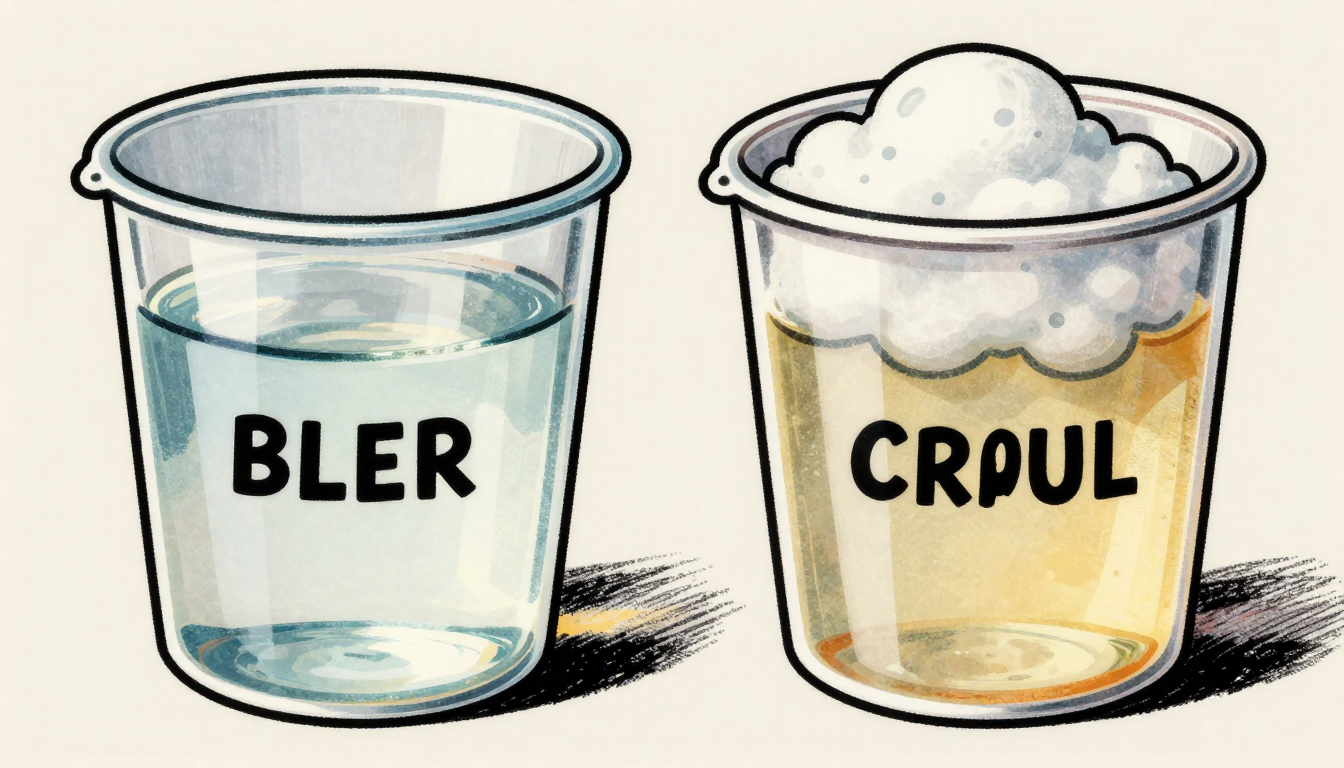
In daily life, cloudy urine often has simple explanations. Mild dehydration, recent physical activity, or dietary choices can all affect urine appearance. Foods rich in phosphorus or purines, such as dairy products or certain meats, may temporarily change urine clarity.
After sexual activity, urine may appear cloudy due to the presence of semen or vaginal discharge. This is usually harmless and short-lived. In these cases, hydration and time typically restore normal clarity.
Recognizing these everyday factors helps prevent unnecessary anxiety while still encouraging awareness. Not every instance of cloudiness signals illness, but understanding context is crucial when asking what does cloudy pee mean for you personally.
Dehydration and Concentrated Urine
Dehydration is one of the most common and least serious causes of cloudy urine. When fluid intake is low, urine becomes more concentrated, allowing salts and minerals to crystallize. This concentration can create a cloudy or slightly opaque appearance.
In addition to cloudiness, dehydrated urine often appears darker yellow or amber and may have a stronger odor. Mild dehydration can usually be corrected by increasing water intake, while severe dehydration may require medical attention.
Consistent hydration supports kidney function, helps flush waste products efficiently, and maintains normal urine clarity. For many people, dehydration explains what does cloudy pee mean without indicating disease.
Urinary Tract Infections and Cloudy Urine
Urinary tract infections (UTIs) are a leading medical cause of cloudy urine. These infections occur when bacteria enter the urinary system, commonly affecting the bladder or urethra. Cloudiness results from the presence of bacteria, white blood cells, and pus in the urine.
UTIs are often accompanied by symptoms such as burning during urination, frequent urges to urinate, pelvic discomfort, or foul-smelling urine. In some cases, urine may also appear pink or reddish due to trace amounts of blood.
Prompt treatment of UTIs is important to prevent complications, including kidney infections. In this context, understanding what does cloudy pee mean can lead to early diagnosis and effective treatment.
Kidney-Related Causes of Cloudy Pee

The kidneys play a central role in urine production, so kidney-related conditions can significantly affect urine appearance. Kidney stones, for example, can cause cloudiness when minerals crystallize and pass through the urinary tract. This process may also cause pain and blood in the urine.
Proteinuria, a condition in which excess protein leaks into the urine, can also create a foamy or cloudy appearance. This may be associated with chronic kidney disease, diabetes, or high blood pressure.
When kidney involvement is suspected, cloudy urine is often persistent and accompanied by other symptoms such as swelling, fatigue, or changes in urination patterns. In these cases, what does cloudy pee mean becomes an important diagnostic question.
Sexually Transmitted Infections and Urine Changes
Certain sexually transmitted infections (STIs) can cause cloudy urine, particularly those affecting the urethra. Gonorrhea and chlamydia, for example, may lead to discharge that mixes with urine, creating a cloudy appearance.
Symptoms may include pain during urination, genital discomfort, or abnormal discharge. Because STIs can sometimes be asymptomatic, cloudy urine may be one of the first noticeable signs.
Early detection and treatment are essential to prevent long-term complications. Understanding what does cloudy pee mean in the context of sexual health encourages timely medical evaluation and responsible care.
Diet, Supplements, and Medications
Dietary choices can influence urine clarity in subtle but noticeable ways. Foods high in calcium or phosphate can temporarily increase mineral content in urine, leading to cloudiness. Certain supplements, particularly vitamin C and calcium supplements, may have a similar effect.
Medications such as antibiotics or chemotherapy drugs can alter urine composition, sometimes causing cloudiness or color changes. These effects are often temporary and resolve after the medication is discontinued.
Being aware of recent dietary or medication changes can provide helpful context when evaluating what does cloudy pee mean without immediately assuming illness.
Cloudy Urine in Men vs. Women
While many causes of cloudy urine affect all genders, some factors are more common in men or women. In women, vaginal discharge or infections can mix with urine, causing cloudiness. Pregnancy-related changes may also affect urine appearance.
In men, prostate conditions such as prostatitis can lead to cloudy urine due to inflammation and infection. Semen in the urine after ejaculation may also create temporary cloudiness.
Understanding gender-specific factors adds nuance to the question of what does cloudy pee mean and helps guide appropriate evaluation.
Cloudy Urine During Pregnancy
Pregnancy brings significant hormonal and physiological changes that can affect urine clarity. Increased vaginal discharge, changes in hydration needs, and a higher risk of UTIs all contribute to cloudy urine during pregnancy.
Because UTIs can pose risks to both mother and baby, persistent cloudiness during pregnancy should always be discussed with a healthcare provider. Routine prenatal urine tests help monitor these changes and ensure maternal health.
In this context, what does cloudy pee mean takes on added importance due to the potential implications for pregnancy outcomes.
When Cloudy Urine Is a Warning Sign
While occasional cloudiness is often harmless, certain signs suggest a need for medical attention. Persistent cloudiness, especially when accompanied by pain, fever, blood in the urine, or strong odor, may indicate infection or kidney problems.
Sudden changes in urine appearance without an obvious cause should not be ignored. In these cases, cloudy urine serves as an early warning sign that the body is under stress or fighting illness.
Recognizing these red flags helps clarify what does cloudy pee mean in situations where timely care can prevent complications.
Diagnosis and Medical Evaluation

Medical evaluation of cloudy urine typically begins with a urinalysis. This test examines urine for bacteria, blood cells, protein, crystals, and chemical markers. Depending on findings, additional tests such as urine cultures, blood tests, or imaging studies may be recommended.
Diagnosis focuses on identifying the underlying cause rather than treating cloudiness itself. Once the cause is addressed, urine clarity usually returns to normal.
Understanding the diagnostic process reduces uncertainty and helps patients feel informed when exploring what does cloudy pee mean with a healthcare professional.
Long-Term Health Implications
Most causes of cloudy urine are temporary and easily treated. However, when cloudiness is linked to chronic conditions such as kidney disease or recurrent infections, long-term management may be necessary.
Ignoring persistent urinary changes can allow underlying conditions to progress. Regular checkups, healthy hydration habits, and prompt attention to symptoms all contribute to urinary health.
Viewing cloudy urine as a potential health signal rather than a minor inconvenience reinforces the importance of understanding what does cloudy pee mean over time.
Conclusion
Cloudy urine is a common but often misunderstood symptom. It can result from something as simple as mild dehydration or dietary changes, or it may signal infections, kidney issues, or other medical conditions. The meaning depends on frequency, duration, and accompanying symptoms.
By understanding how urine reflects internal health, individuals can better interpret changes and know when to seek medical advice. Ultimately, learning what does cloudy pee mean empowers people to respond appropriately, maintain urinary health, and address concerns before they become serious.
Frequently Asked Questions
1. What does cloudy pee mean if there is no pain?
Cloudy urine without pain is often caused by dehydration, diet, or supplements. However, it can still indicate early infection, so persistence should be evaluated.
2. Can cloudy urine go away on its own?
Yes, if caused by temporary factors like dehydration or diet, cloudy urine often resolves with hydration and time.
3. Is cloudy urine always a sign of infection?
No, infections are common causes but not the only ones. Minerals, proteins, or discharge can also cause cloudiness.
4. What does cloudy pee mean in the morning?
Morning urine is more concentrated, which can make it appear cloudy. This is usually normal if it clears later in the day.
5. Should I worry about cloudy urine during pregnancy?
Any persistent change during pregnancy should be discussed with a healthcare provider, as UTIs are more common and require treatment.
6. Can stress cause cloudy urine?
Stress itself does not directly cause cloudy urine, but it can contribute to dehydration or immune changes that may affect urine appearance.