

Healthy gums are the foundation of a healthy mouth, yet they are often overlooked until problems appear. Bleeding gums, swelling, bad breath, and gum recession are all signs that your gums need attention. Learning how to improve gum health is not only essential for maintaining a beautiful smile, but also for protecting your overall health. Scientific research increasingly shows strong links between gum disease and serious conditions such as heart disease, diabetes, and stroke.
This in-depth guide explains how to improve gum health naturally and effectively, using proven dental science, daily habits, nutrition, and preventive care. Whether you are dealing with early gum inflammation or simply want to strengthen your gums long-term, this article provides everything you need in one place.
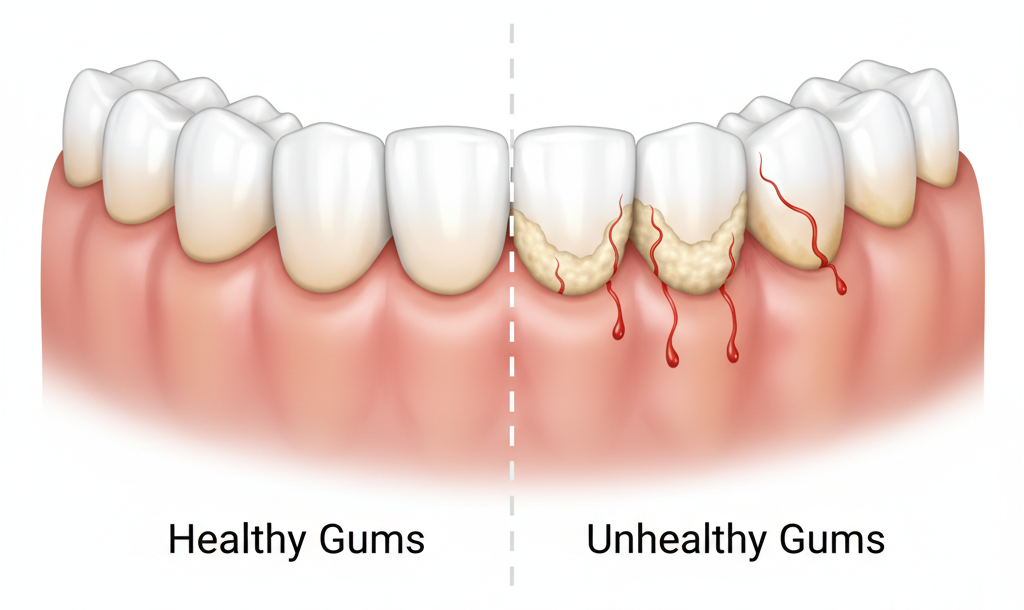
Gums, also known as gingiva, play a critical role in oral health. They form a protective seal around your teeth, shielding the underlying bone and tissues from bacteria. When gums are healthy, they appear pink, firm, and do not bleed easily. Unfortunately, gum problems are extremely common worldwide, largely due to poor oral hygiene, unhealthy diets, and lack of awareness.
Understanding how to improve gum health is essential because gum disease often develops silently. Many people do not experience pain until the condition becomes advanced. By the time serious symptoms appear, permanent damage may already have occurred. The good news is that gum disease is largely preventable and, in its early stages, reversible.
Understanding Gum Disease and Its Stages
To fully understand how to improve gum health, it is important to recognize how gum disease develops.
Gingivitis: The Early Stage
Gingivitis is the mildest form of gum disease. It is caused by plaque buildup along the gumline. Symptoms include redness, swelling, and bleeding during brushing or flossing. At this stage, gum damage is not permanent and can be reversed with proper care.
Periodontitis: Advanced Gum Disease
If gingivitis is left untreated, it can progress to periodontitis. This condition causes the gums to pull away from the teeth, forming pockets that trap bacteria. Over time, bone loss may occur, leading to loose teeth or tooth loss. Unlike gingivitis, periodontitis cannot be fully reversed, but it can be managed.
Why Gum Health Is Important for Overall Health
Gum health goes far beyond your mouth. Studies show a strong connection between gum disease and systemic health problems.
Poor gum health has been linked to:
-
Heart disease and stroke
-
Diabetes complications
-
Respiratory infections
-
Pregnancy complications
-
Chronic inflammation
Bacteria from infected gums can enter the bloodstream, triggering inflammation throughout the body. Learning how to improve gum health is therefore an essential step in protecting your long-term well-being.
Common Causes of Poor Gum Health
Understanding what damages your gums helps you prevent future problems.
Plaque and Tartar Buildup
Plaque is a sticky film of bacteria that forms on teeth daily. When not removed, it hardens into tartar, which irritates the gums and leads to infection.
Poor Oral Hygiene Habits
Infrequent brushing, improper technique, and skipping flossing allow bacteria to thrive along the gumline.
Smoking and Tobacco Use
Tobacco reduces blood flow to the gums, weakens the immune response, and slows healing.
Poor Nutrition
A diet low in vitamins and minerals weakens gum tissue and increases inflammation.
Hormonal Changes
Pregnancy, puberty, and menopause can make gums more sensitive and prone to inflammation.
Early Warning Signs of Unhealthy Gums
Recognizing early symptoms helps you take action quickly.
Common signs include:
-
Bleeding while brushing or flossing
-
Red or swollen gums
-
Persistent bad breath
-
Gum tenderness
-
Receding gums
Ignoring these symptoms can lead to serious dental complications. Early intervention is key when learning how to improve gum health.
How to Improve Gum Health with Proper Oral Hygiene

Daily oral care is the most effective way to protect your gums.
Brushing Twice a Day
Brushing removes plaque before it hardens into tartar. Use a soft-bristled toothbrush to avoid damaging gum tissue.
Cleaning Along the Gumline
Gently brushing where teeth meet gums is essential. This area is where plaque accumulates most.
Consistency Matters
Skipping even one day of proper oral care allows bacteria to multiply rapidly.
The Role of Brushing Techniques in Gum Care
Knowing how to improve gum health includes using the correct brushing technique.
Correct Brushing Angle
Hold your toothbrush at a 45-degree angle toward the gumline. This helps clean beneath the gum margin without causing injury.
Gentle Pressure
Brushing too hard can damage gums and cause recession. Gentle, circular motions are most effective.
Choosing the Right Toothbrush
Soft bristles are best for gum health. Electric toothbrushes can also improve plaque removal when used properly.
Flossing and Interdental Cleaning for Healthier Gums
Flossing is often neglected, yet it plays a vital role in gum health.
Why Flossing Is Essential
Floss removes plaque and food particles between teeth where toothbrushes cannot reach.
Correct Flossing Technique
Slide floss gently between teeth, curve it around each tooth, and clean below the gumline without snapping.
Alternatives to Traditional Floss
Interdental brushes and water flossers are excellent options for people with braces or sensitive gums.
Mouthwash: Benefits and Best Practices
Mouthwash can support gum health when used correctly.
Antibacterial Mouthwash
Helps reduce bacteria that cause plaque and gingivitis.
Alcohol-Free Options
Alcohol-free mouthwashes are gentler and prevent dry mouth, which can worsen gum problems.
When to Use Mouthwash
Use mouthwash after brushing and flossing, not as a replacement for them.
How Diet Affects Gum Health
What you eat plays a major role in how to improve gum health.
Foods That Support Healthy Gums
-
Fresh fruits and vegetables
-
Dairy products rich in calcium
-
Lean proteins
-
Nuts and seeds
Foods That Harm Gums
-
Sugary snacks and drinks
-
Sticky candies
-
Processed carbohydrates
Sugar feeds harmful bacteria, increasing plaque formation and inflammation.
Essential Vitamins and Minerals for Strong Gums
Nutrition deficiencies can weaken gums significantly.
Vitamin C
Supports collagen production and strengthens gum tissue. Deficiency can lead to bleeding gums.
Vitamin D
Helps regulate inflammation and supports bone health.
Calcium
Essential for strong teeth and jawbone support.
Omega-3 Fatty Acids
Reduce gum inflammation and support healing.
Natural Remedies to Improve Gum Health
Many people look for natural ways to support oral care.
Saltwater Rinses
Saltwater reduces bacteria and soothes inflamed gums.
Aloe Vera Gel
Known for its anti-inflammatory and healing properties.
Green Tea
Contains antioxidants that reduce gum inflammation.
Oil Pulling
Swishing coconut or sesame oil may help reduce bacteria, though it should complement—not replace—brushing.
Lifestyle Habits That Strengthen or Damage Gums
Daily habits have a powerful effect on gum health.
Quit Smoking
Smoking is one of the biggest risk factors for gum disease.
Manage Stress
Chronic stress weakens the immune system, making gums more vulnerable to infection.
Stay Hydrated
Water helps wash away bacteria and keeps saliva flowing, which protects gums naturally.
Professional Dental Care and Gum Treatments
Even with excellent home care, professional support is essential.
Regular Dental Checkups
Dentists can detect early gum disease before symptoms worsen.
Professional Cleanings
Remove tartar buildup that cannot be eliminated at home.
Deep Cleaning (Scaling and Root Planing)
Used for treating early periodontitis and stopping disease progression.
How to Improve Gum Health as You Age
Aging increases the risk of gum disease, but prevention is still possible.
Increased Sensitivity
Older gums may become more sensitive, requiring gentler care.
Medication Side Effects
Some medications cause dry mouth, increasing bacterial growth.
Importance of Consistency
Maintaining daily oral hygiene becomes even more critical with age.
Preventing Gum Disease Long-Term
Prevention is the ultimate goal when learning how to improve gum health.
Long-term strategies include:
-
Brushing and flossing daily
-
Eating a balanced diet
-
Avoiding tobacco
-
Visiting the dentist regularly
-
Addressing symptoms early
Healthy gums are achievable with commitment and consistency.
Common Myths About Gum Health
Myth 1: Bleeding Gums Are Normal
Bleeding is a sign of inflammation and should never be ignored.
Myth 2: Gum Disease Only Affects Older Adults
Gum disease can affect people of all ages.
Myth 3: Brushing Harder Cleans Better
Aggressive brushing damages gums and worsens recession.
Conclusion
Understanding how to improve gum health is one of the most important steps you can take for your oral and overall health. Healthy gums protect your teeth, prevent infections, and reduce the risk of serious medical conditions. By practicing proper oral hygiene, eating a nutrient-rich diet, adopting healthy lifestyle habits, and seeking professional dental care, you can maintain strong, resilient gums for life.
Gum health is not achieved overnight—it requires daily care and long-term commitment. The reward, however, is a healthier smile, improved confidence, and better overall well-being.
Frequently Asked Questions (FAQs)
1. How long does it take to improve gum health?
With proper care, early gum inflammation can improve within one to two weeks. Advanced gum disease requires professional treatment.
2. Can gum disease be reversed?
Gingivitis is reversible. Periodontitis cannot be fully reversed but can be managed effectively.
3. What is the best toothpaste for gum health?
Toothpaste containing fluoride and antibacterial ingredients is best for gum health.
4. How often should I floss to improve gum health?
Flossing once daily is sufficient when done correctly.
5. Does mouthwash replace brushing and flossing?
No. Mouthwash is a supplement, not a replacement for brushing and flossing.
6. Can stress really affect gum health?
Yes. Stress weakens the immune system and increases inflammation, making gums more vulnerable.
7. When should I see a dentist for gum problems?
If you notice bleeding, swelling, or persistent bad breath, see a dentist immediately.