
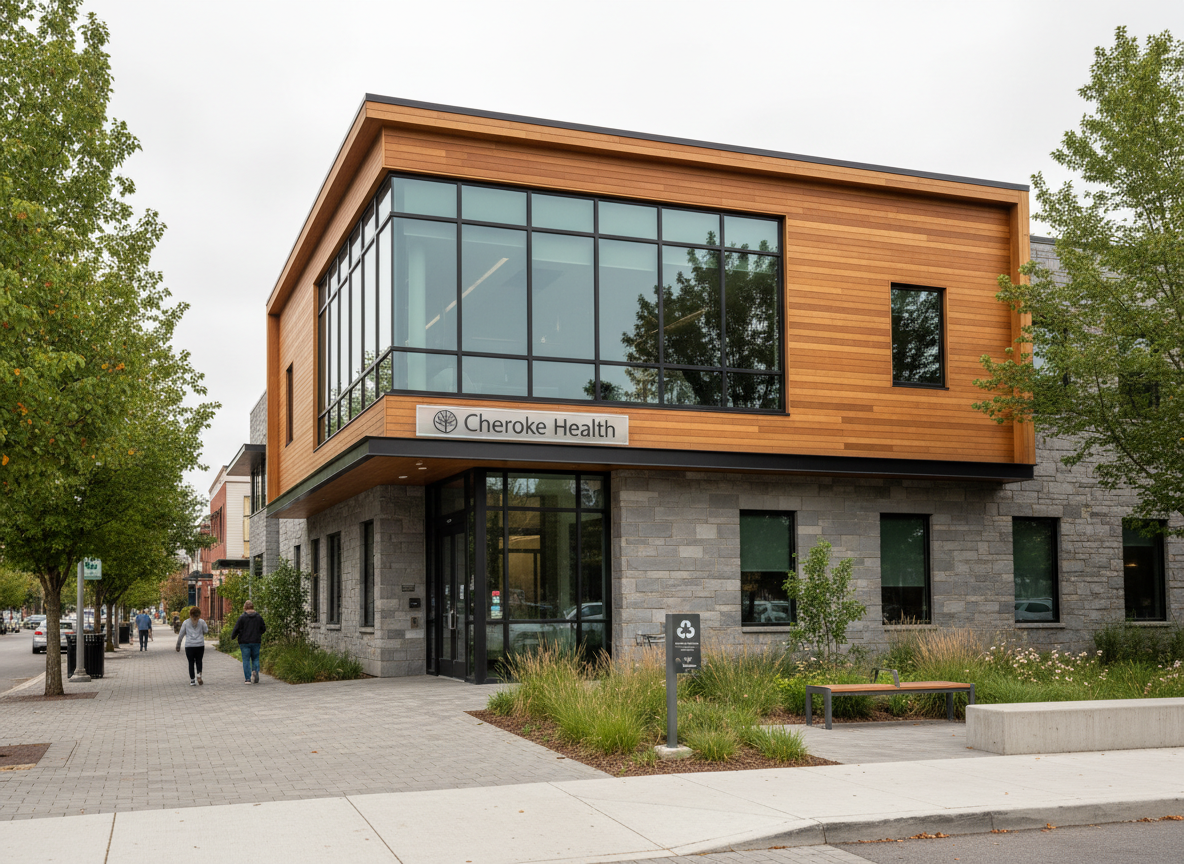
Cherokee Health represents more than a healthcare provider; it reflects a community-driven approach to wellness that integrates physical, mental, emotional, and social well-being. Rooted in principles of accessibility, cultural respect, and comprehensive care, Cherokee Health has grown into a trusted healthcare model for individuals and families across diverse backgrounds. In a world where healthcare systems often feel fragmented, Cherokee Health stands out for its integrated and patient-focused philosophy.
The concept of Cherokee Health is especially significant in regions where access to affordable and culturally sensitive healthcare remains a challenge. By offering a wide range of services under one coordinated system, Cherokee Health addresses both immediate medical needs and long-term wellness goals.
Understanding the Concept of Cherokee Health
At its core, Cherokee Health emphasizes whole-person care. This approach recognizes that health is influenced by more than just physical symptoms. Emotional well-being, mental health, lifestyle, family dynamics, and community support all play essential roles in shaping an individual’s overall health.
systems often combine medical care with behavioral health services, social support, and preventive education. This integrated framework ensures that patients receive coordinated treatment rather than isolated services, reducing gaps in care and improving long-term outcomes.
Historical Roots of Cherokee Health Systems
The foundations of can be traced to community-based healthcare movements that aimed to serve underserved populations. These systems emerged to address disparities in healthcare access, particularly in rural and low-income areas. Over time, organizations expanded their services to meet the growing and changing needs of the communities they serve.
Historically, the emphasis has been on trust, continuity of care, and culturally informed practices. This legacy continues to shape how operates today, blending modern medical standards with community-centered values.
The Mission and Vision Behind Cherokee Health
The mission of typically centers on improving the quality of life for individuals and families by delivering comprehensive, affordable, and compassionate care. The vision extends beyond treatment, focusing on prevention, education, and empowerment.
By prioritizing patient dignity and respect, aims to create healthcare environments where individuals feel heard, supported, and actively involved in their care decisions.
Cherokee Health and Holistic Care Philosophy
A defining feature of is its holistic philosophy. Rather than treating illnesses in isolation, providers consider the full context of a patient’s life. This includes mental health, stress levels, family responsibilities, and socioeconomic factors.
Holistic care within often involves interdisciplinary teams working together. Medical doctors, behavioral health specialists, nurses, and support staff collaborate to develop personalized care plans that address both physical and emotional needs.
Core Services Offered by Cherokee Health
Primary Medical Care
provides comprehensive primary care services for patients of all ages. These services include routine checkups, diagnosis and treatment of common illnesses, immunizations, and ongoing health monitoring.
Behavioral and Mental Health Services
Mental health is a cornerstone of. Counseling, therapy, and psychiatric services are often integrated directly into primary care settings, making mental health support more accessible and reducing stigma.
Dental and Oral Health Care
Oral health is closely linked to overall well-being. dental services focus on preventive care, early intervention, and patient education to promote lifelong oral health.
Women’s Health Services
Women’s health programs within address reproductive health, prenatal and postnatal care, preventive screenings, and wellness education tailored to women’s unique needs.
Pediatric and Adolescent Care
Children and adolescents receive age-appropriate care that supports healthy development. emphasizes preventive services, early detection of developmental concerns, and family involvement.
Cherokee Health and Integrated Care Models
Integrated care is a defining characteristic of systems. This model brings together medical and behavioral health providers within a single coordinated framework. Patients benefit from seamless communication among providers, reducing duplication of services and improving treatment outcomes.
Integrated care also allows for early identification of mental health concerns during routine medical visits, leading to timely intervention and support.
Importance of Mental Health in Cherokee Health
Mental health plays a vital role in overall wellness, and recognizes this connection. By embedding mental health services into primary care, patients can address emotional challenges alongside physical conditions.
This approach helps normalize mental health care and ensures that individuals receive comprehensive support without unnecessary barriers.
Community-Based Healthcare Approach
is deeply rooted in the communities it serves. Community engagement, outreach programs, and partnerships with local organizations help address social determinants of health such as housing, education, and nutrition.
By understanding community needs, can tailor services to be more effective and culturally responsive.
Preventive Care and Wellness Programs
Prevention is a key focus of. Wellness programs encourage healthy lifestyles through education, screenings, and early intervention. Preventive care not only improves individual health but also reduces long-term healthcare costs.
Cherokee Health and Chronic Disease Management
Chronic conditions such as diabetes, heart disease, and asthma require ongoing care and education. offers structured management programs that support patients in monitoring their conditions, adhering to treatment plans, and making healthy lifestyle changes.
Role of Cultural Values in Cherokee Health
Cultural sensitivity is essential in healthcare delivery. providers often receive training to understand and respect diverse cultural backgrounds, beliefs, and communication styles.
This cultural awareness fosters trust and improves patient engagement, leading to better health outcomes.
Accessibility and Affordability of Cherokee Health Services
One of the strengths of is its commitment to affordability. Many services are offered on a sliding fee scale based on income, ensuring that care remains accessible regardless of financial status.
Extended hours, multiple service locations, and coordinated care models further enhance accessibility.
Cherokee Health Workforce and Professional Expertise
The success of depends on skilled and compassionate professionals. Physicians, nurses, therapists, and support staff work collaboratively to deliver high-quality care.
Ongoing training and professional development ensure that providers stay current with best practices and emerging healthcare trends.
Technology and Innovation in Cherokee Health
Modern healthcare relies on technology to improve efficiency and patient experience. utilizes electronic health records, telehealth services, and data-driven tools to enhance care coordination and accessibility.
Patient-Centered Care in Cherokee Health Systems
Patient-centered care places individuals at the heart of healthcare decisions. encourages open communication, shared decision-making, and personalized treatment plans.
This approach empowers patients to take an active role in managing their health.
Impact of Health on Rural and Underserved Communities
Rural and underserved populations often face significant healthcare barriers. addresses these challenges by bringing comprehensive services closer to where people live and work.
The result is improved health equity and stronger, healthier communities.
Public Health Education and Outreach Programs
Education is a powerful tool for improving community health. conducts outreach programs that promote awareness of preventive care, healthy behaviors, and available resources.
Health and Family Support Services
Health outcomes are closely linked to family dynamics. offers family-focused services that support caregivers, strengthen relationships, and address social challenges.
Partnerships and Collaborations in Health
Collaboration enhances the reach and effectiveness of healthcare services. often partners with schools, social service agencies, and community organizations to address complex health needs.
Challenges Facing Organizations
Despite their strengths, systems face challenges such as funding constraints, workforce shortages, and evolving healthcare regulations. Addressing these challenges requires innovation, advocacy, and community support.
Future Growth and Expansion of Cherokee Health
The future of lies in continued expansion of services, integration of new technologies, and deeper community engagement. By adapting to changing needs, Cherokee Health can continue to play a vital role in public health.
Comparing Cherokee Health with Conventional Healthcare Systems
Unlike traditional healthcare models that separate services, emphasizes integration and continuity. This holistic approach often leads to better patient satisfaction and improved outcomes.
Why Cherokee Health Matters Today
In an era of rising healthcare costs and complex health challenges, offers a sustainable and compassionate model of care. Its focus on prevention, integration, and community impact makes it increasingly relevant.
Conclusion
Cherokee represents a forward-thinking approach to healthcare that prioritizes the whole person, community well-being, and long-term wellness. By integrating medical, behavioral, and social services, Cherokee addresses the root causes of health challenges rather than just treating symptoms. As healthcare continues to evolve, the principles and practices of provide a valuable blueprint for building healthier communities.
Frequently Asked Questions (FAQs)
What is Cherokee Health?
Cherokee Health refers to a comprehensive healthcare approach that integrates medical, mental, and preventive services within a community-based framework.
What services are included in Cherokee Health?
Services typically include primary care, mental health support, dental care, women’s health, pediatric services, and wellness programs.
Who can benefit from Cherokee Health services?
Individuals and families of all ages can benefit, especially those seeking affordable, integrated, and patient-centered care.
How does Cherokee Health support mental health?
Mental health services are integrated into primary care, making counseling and therapy more accessible and reducing stigma.
Why is Cherokee Health important for communities?
Cherokee Health improves access to care, promotes prevention, and addresses social determinants of health, leading to stronger and healthier communities.