
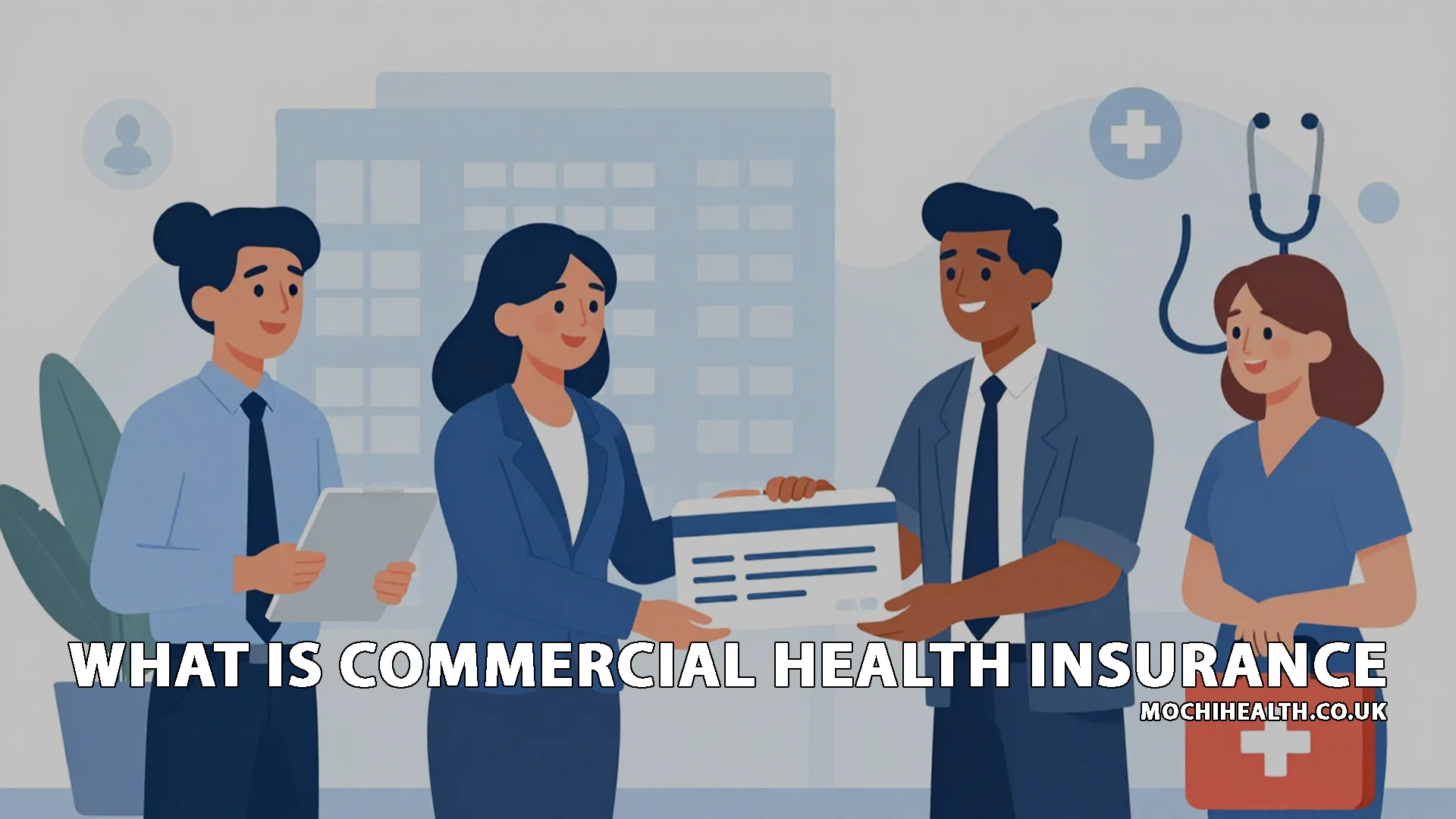
Health coverage has become a fundamental part of modern life, especially in countries where medical expenses can be overwhelming without financial protection. Many people encounter health plans through their workplace or private providers, yet confusion remains about how these plans function and what sets them apart from government-funded programs. To fully understand the modern healthcare system, it is essential to clearly explain what is commercial health insurance and why it plays such a central role in healthcare access.
Commercial health insurance represents a privately operated system of coverage designed to help individuals and families manage medical costs. It is widely used by employers, self-employed professionals, and individuals who do not qualify for public healthcare programs. This article explores the meaning, structure, benefits, and limitations of this type of insurance while providing a complete and SEO-friendly overview.
Understanding the Concept of Commercial Health Insurance
At its core, commercial health insurance refers to medical coverage offered by private insurance companies rather than government agencies. These companies operate for profit or as private organizations and provide health plans in exchange for monthly or annual premiums.
To understand what is commercial health insurance, it is helpful to think of it as a contractual agreement. The policyholder pays a premium, and in return, the insurer covers a portion of healthcare expenses such as doctor visits, hospital stays, diagnostic tests, and prescription medications. Coverage terms, exclusions, and benefits vary depending on the specific plan and provider.
Unlike public insurance programs that are funded through taxes and designed to support specific populations, commercial plans are purchased voluntarily or provided as employee benefits.
The Origin and Evolution of Commercial Health Coverage
Commercial health insurance developed alongside industrial growth and employer-based benefits. In the early twentieth century, companies began offering health coverage to attract skilled workers and reduce absenteeism. Over time, this practice expanded into a complex private insurance market with multiple plan designs and provider networks.
As healthcare costs increased, commercial insurers introduced structured plans with deductibles, copayments, and negotiated provider rates. Understanding what is commercial health insurance today requires recognizing how it evolved into a system that balances risk pooling, cost sharing, and private market competition.
This evolution has shaped how medical services are accessed and paid for in many parts of the world, especially in the United States.
How Commercial Health Insurance Differs From Public Health Insurance
A key distinction in healthcare systems lies in the difference between private and public coverage. Commercial health insurance is funded by premiums paid by individuals or employers, while public health insurance relies on government funding and taxation.
When discussing what is commercial health insurance, the most notable differences include eligibility, flexibility, and coverage options. Public programs often have strict eligibility requirements based on age, income, or disability status. Commercial plans, by contrast, are available to a broader population willing to pay the premium.
Additionally, commercial insurers often offer wider provider networks and faster access to certain medical services, though these advantages may come at a higher cost.
Types of Commercial Health Insurance Plans
Commercial health insurance is not a single product but a category that includes several plan types. These plans are designed to meet different healthcare needs and financial preferences.
Health Maintenance Organizations (HMOs) emphasize coordinated care through a primary physician and a defined network of providers. Preferred Provider Organizations (PPOs) allow greater flexibility in choosing healthcare professionals. Exclusive Provider Organizations (EPOs) and Point of Service (POS) plans combine elements of these models.
Each plan type reflects a different approach to managing costs and care delivery, further illustrating what is commercial health insurance in practical terms.
Coverage Scope and Medical Services Included
The coverage provided by commercial health insurance typically includes a wide range of medical services. These may involve preventive care, outpatient services, emergency treatment, hospitalization, maternity care, mental health services, and prescription drugs.
Understanding what is commercial health insurance also involves recognizing that coverage is influenced by policy design. Some plans emphasize preventive care and wellness services, while others focus more on major medical coverage.
Although benefits vary, most commercial plans must comply with regulatory standards that ensure access to essential health services, particularly in regulated markets.
Role of Employers in Commercial Health Insurance
Employers play a significant role in the commercial health insurance system. Many working individuals receive coverage as part of their employment benefits, with employers often sharing the cost of premiums.
This employer-sponsored model has become one of the most common ways people experience what is commercial health insurance. Employers negotiate with insurers to offer group plans, which often provide better rates and broader coverage than individual policies.
This arrangement benefits both employers and employees by promoting workforce stability and access to healthcare.
Cost Structure, Premiums, and Financial Responsibility
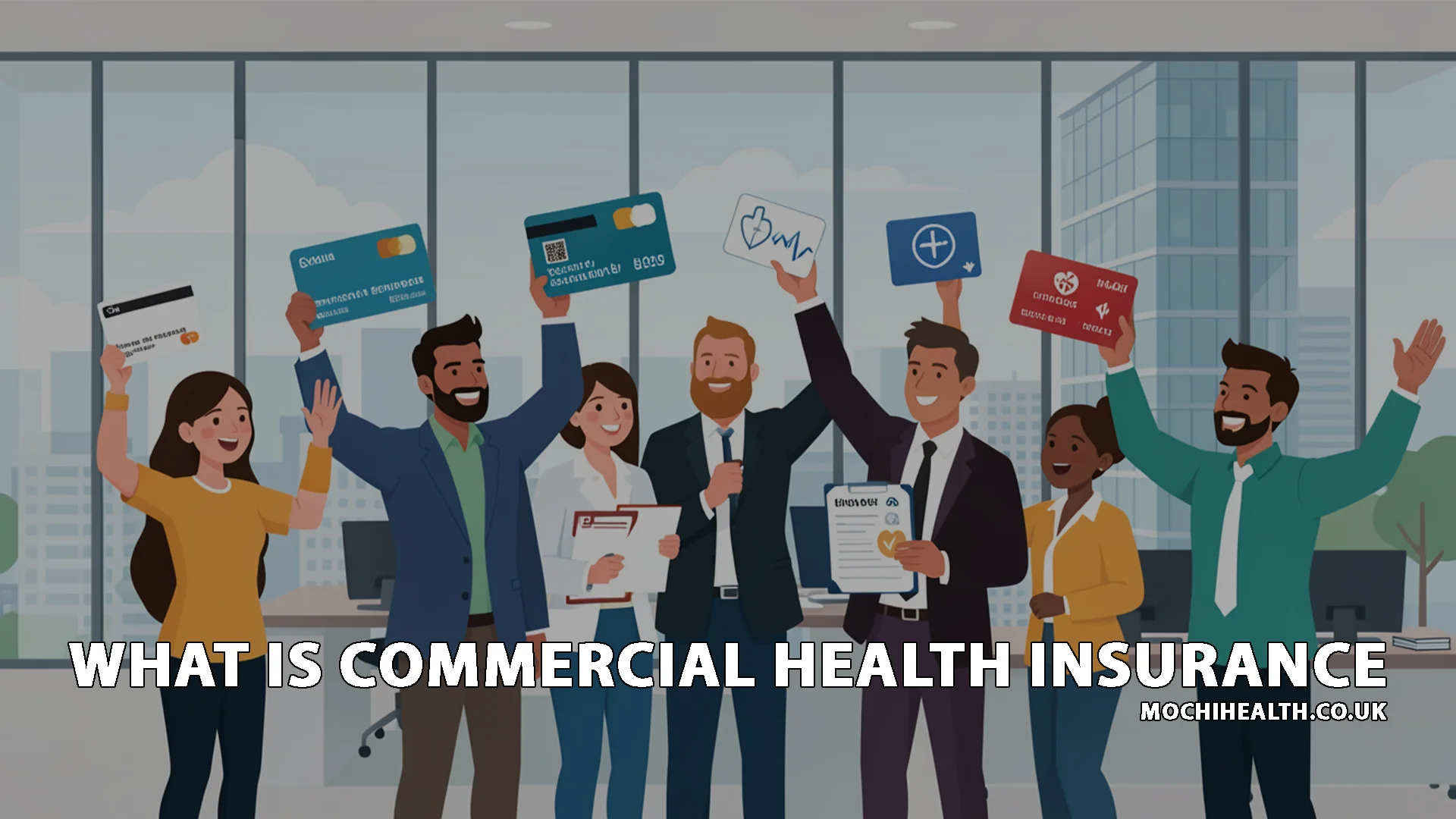
Commercial health insurance involves several cost components beyond the monthly premium. These include deductibles, copayments, and coinsurance, which determine how expenses are shared between the insurer and the policyholder.
To fully grasp what is commercial health insurance, it is important to understand how these costs interact. Premiums ensure coverage, deductibles represent initial out-of-pocket spending, and copayments apply to specific services.
This structure encourages responsible use of healthcare services while helping insurers manage overall costs.
Advantages of Commercial Health Insurance
One of the primary advantages of commercial health insurance is flexibility. Policyholders often have access to a broad network of healthcare providers and a wide range of services.
Another benefit is customization. Plans can be selected based on budget, health needs, and personal preferences. For many individuals, understanding what is commercial health insurance means recognizing its ability to provide tailored coverage and faster access to specialized care.
Commercial plans also promote innovation, as insurers compete to offer improved services, digital tools, and customer support.
Limitations and Common Challenges
Despite its benefits, commercial health insurance is not without challenges. Premiums can be expensive, particularly for individuals purchasing coverage independently. Out-of-pocket costs may also create financial strain.
Coverage limitations, network restrictions, and complex policy language can make it difficult for consumers to fully understand their benefits. These challenges are an essential part of the broader discussion about what is commercial health insurance and how it functions in real-world scenarios.
Balancing affordability and comprehensive coverage remains a persistent issue within the commercial insurance market.
Commercial Health Insurance in the United States
In the United States, commercial health insurance is a dominant component of the healthcare system. Millions of Americans rely on private insurers for medical coverage, either through employers or individual marketplaces.
Regulatory frameworks shape how insurers operate, influencing benefits, pricing, and consumer protections. To understand what is commercial health insurance in the U.S. context, it is necessary to consider its interaction with public programs like Medicare and Medicaid.
This blended system reflects both the strengths and complexities of a market-driven approach to healthcare.
Who Typically Needs Commercial Health Insurance
Commercial health insurance is commonly used by working professionals, families, self-employed individuals, and those who do not qualify for public coverage. It is particularly relevant for people seeking broader provider access and customizable benefits.
Understanding what is commercial health insurance helps individuals determine whether it aligns with their healthcare needs and financial situation. For many, it represents a balance between cost control and comprehensive medical protection.
The Future of Commercial Health Insurance
The future of commercial health insurance is shaped by rising healthcare costs, technological innovation, and changing workforce dynamics. Insurers are increasingly integrating digital health services, telemedicine, and data-driven care management.
As healthcare systems evolve, the question of what is commercial health insurance will continue to gain importance. Ongoing reforms and market competition are likely to influence how coverage is designed and delivered.
Conclusion
Commercial health insurance remains a cornerstone of modern healthcare, providing millions of people with access to medical services and financial protection. By understanding its structure, benefits, and limitations, individuals can make more informed decisions about their healthcare coverage.
The discussion of what is commercial health insurance reveals a system built on private market principles, employer involvement, and consumer choice. While challenges persist, its role in healthcare delivery continues to be significant and evolving.
Frequently Asked Questions (FAQs)
Is commercial health insurance the same as private health insurance?
Commercial health insurance is a type of private health insurance, but the term specifically refers to plans offered by private companies rather than government programs.
Can individuals buy commercial health insurance without an employer?
Yes, many insurers offer individual and family plans directly to consumers outside of employer-sponsored coverage.
Does commercial health insurance cover pre-existing conditions?
In many regulated markets, commercial health insurance plans are required to cover pre-existing conditions, though terms may vary.
Why is commercial health insurance often expensive?
Costs are influenced by medical pricing, administrative expenses, and the level of coverage provided, which can result in higher premiums.
How does commercial health insurance impact healthcare access?
It generally improves access to medical services by offering broader provider networks and faster appointment availability.
Disclaimer:
The information provided in this article is for general informational and educational purposes only. It does not constitute medical, legal, or insurance advice. Commercial health insurance policies, coverage options, costs, and regulations may vary by provider, location, and individual circumstances. Readers are advised to consult licensed insurance professionals, healthcare providers, or official policy documents before making any insurance or healthcare-related decisions. The author and publisher assume no responsibility for actions taken based on the content of this article.