
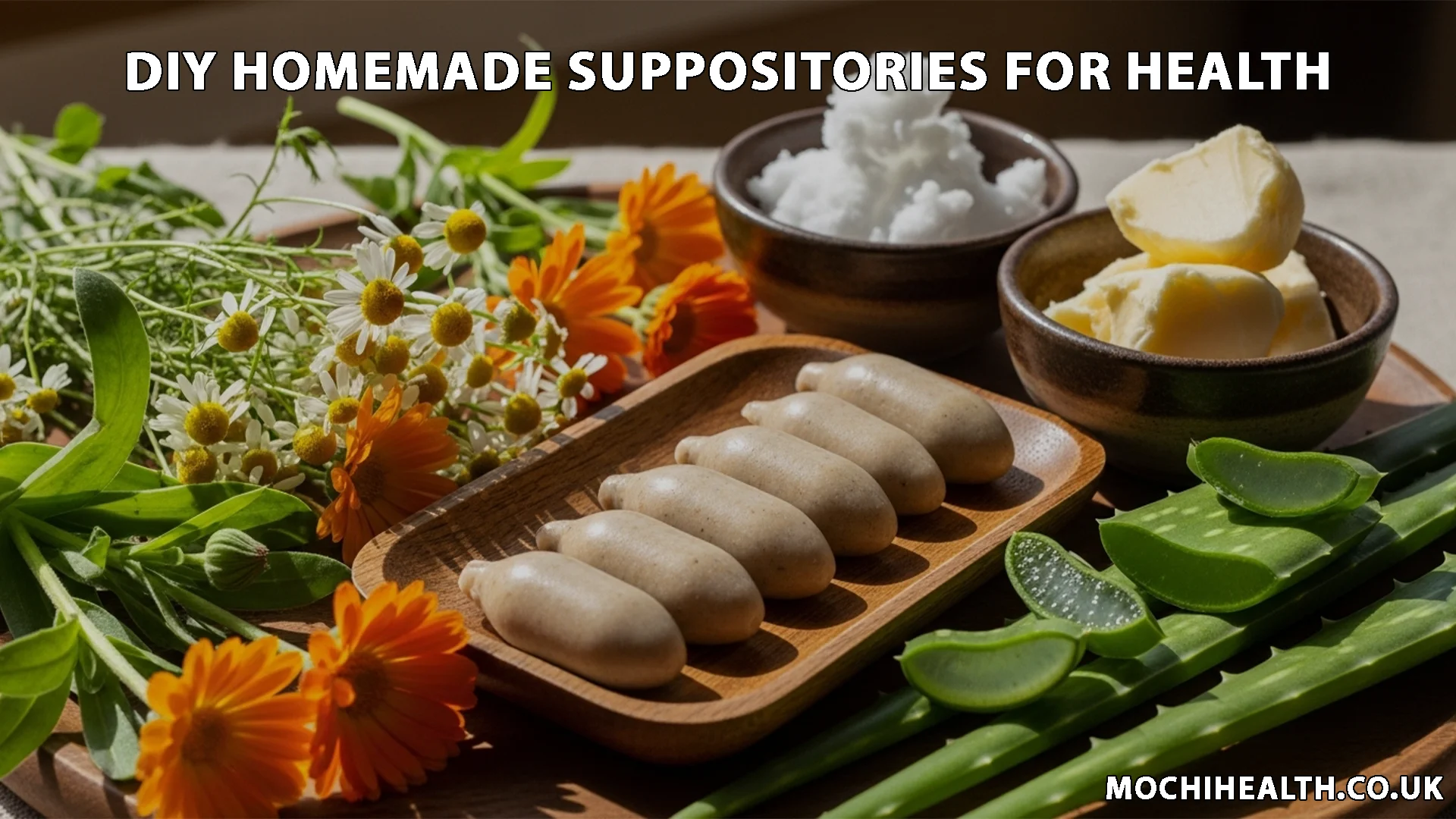
In recent years, the interest in natural remedies and holistic health solutions has grown significantly. Among these remedies, DIY homemade suppositories for health have gained attention as a natural and customizable approach to wellness. Unlike oral medications, which must pass through the digestive system, suppositories provide direct absorption through mucous membranes, allowing active ingredients to act more quickly and efficiently.
Many people are drawn to homemade suppositories because they offer the opportunity to use high-quality, natural ingredients without preservatives or artificial chemicals. This control over ingredients allows individuals to tailor the remedy to their specific health needs, whether for digestive comfort, pain management, immune support, or women’s health. The concept may seem unusual to some, but these natural remedies have a long history in traditional medicine and are increasingly recognized for their effectiveness in modern holistic practices.
The appeal of DIY homemade suppositories for health lies not only in their potential therapeutic benefits but also in the empowerment that comes from creating one’s own remedies. By understanding how suppositories work, which ingredients to use, and how to prepare and store them safely, anyone can responsibly incorporate these natural solutions into a health-conscious lifestyle.
What Are Suppositories and How Do They Work?
The Science Behind Suppositories
A suppository is a solid or semi-solid formulation designed to be inserted into the rectum, vagina, or urethra. Once inserted, it melts or dissolves at body temperature, releasing its active ingredients directly into the surrounding tissues. This method of administration bypasses the digestive system and liver metabolism, allowing compounds to enter the bloodstream more efficiently.
This direct absorption is particularly beneficial for ingredients that may be degraded by stomach acids or liver enzymes. Active compounds such as certain herbal extracts, oils, or anti-inflammatory agents may be more effective when delivered through a suppository than when taken orally. The rectal and vaginal mucous membranes have a high capacity for absorption, making this delivery system ideal for both local and systemic effects.
Health Benefits of Suppositories
The benefits of using DIY homemade suppositories for health are numerous. Suppositories provide faster absorption than oral medications, making them effective for rapid relief of discomfort. They are also ideal for targeted treatment, as they deliver active ingredients directly to affected areas, such as the rectum or vaginal canal. This can be particularly helpful for issues like hemorrhoids, localized inflammation, or vaginal dryness.
Homemade suppositories offer additional advantages because they are fully customizable. Individuals can select natural oils, herbs, and essential oils based on their specific health goals. The absence of chemical preservatives or synthetic additives reduces the risk of irritation or side effects. Moreover, suppositories are gentle on the digestive system, which makes them suitable for people who experience nausea or other gastrointestinal issues when taking oral medications.
The combination of direct absorption, targeted action, and customizable ingredients makes homemade suppositories a versatile tool in natural healthcare. They can serve as both preventative and therapeutic measures, enhancing overall health and well-being when used responsibly.
Ingredients for DIY Homemade Suppositories
Creating effective DIY homemade suppositories for health requires a careful selection of ingredients that ensure both safety and efficacy. The primary components include carrier oils, herbal additives or essential oils, and a suitable base to hold the ingredients together.
Carrier Oils
Carrier oils serve as the foundation of any suppository. They help dissolve active ingredients and ensure smooth insertion and absorption. Coconut oil is one of the most popular choices due to its anti-inflammatory and antimicrobial properties. It melts at body temperature, making it an ideal carrier for rectal and vaginal applications. Shea butter is another excellent option, offering a creamy texture that soothes irritated tissues while providing a stable base for other ingredients. Olive oil is also widely used for its gentle, antioxidant-rich properties, contributing to overall tissue health.
Carrier oils not only facilitate the delivery of therapeutic compounds but also enhance the comfort and effectiveness of the suppository. Choosing the right oil can improve the melting process, absorption, and overall user experience.
Herbal Additives and Essential Oils
Herbal additives and essential oils are incorporated to provide targeted health benefits. Chamomile, for example, is well-known for its calming and anti-inflammatory properties, making it ideal for digestive relief and soothing discomfort. Aloe vera is highly valued for its healing properties and ability to reduce irritation in sensitive tissues. Calendula has long been used for its antimicrobial and healing effects, promoting tissue repair and supporting overall wellness.
Certain essential oils, such as peppermint or clove oil, may also provide mild analgesic or anti-inflammatory effects when used in small, safe quantities. The careful selection of herbs and oils ensures that DIY homemade suppositories for health are both effective and safe, offering therapeutic benefits without causing irritation.
Bases for Homemade Suppositories
The base is the substance that holds all ingredients together and determines the melting rate and consistency of the suppository. Cocoa butter is a common choice due to its smooth texture and ability to melt quickly at body temperature. Beeswax is often added to provide firmness and stability, especially when softer oils are used. Gelatin or glycerin bases can create water-soluble suppositories, which are ideal for individuals with sensitivities or for those seeking a softer texture.
Selecting the appropriate base is crucial for ensuring the effectiveness, comfort, and proper storage of homemade suppositories. It impacts how quickly the suppository melts, how easily it is absorbed, and how long it remains effective.
Applications of DIY Homemade Suppositories for Health
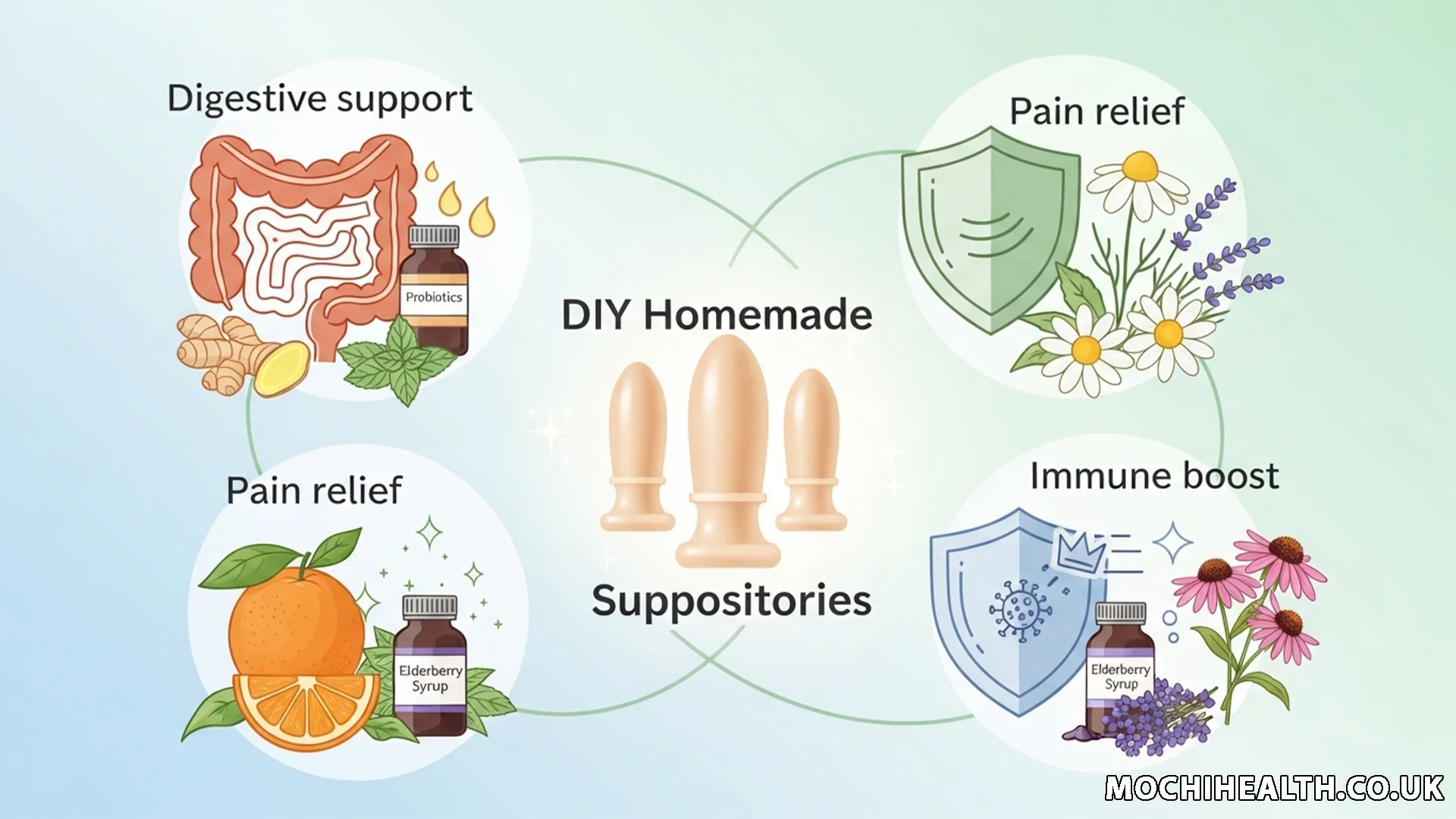
The versatility of DIY homemade suppositories for health makes them suitable for a wide range of wellness applications. They can address digestive issues, pain and inflammation, immune support, and women’s health concerns, offering both local and systemic benefits.
Digestive Health
Suppositories can be used to support digestive health by promoting regular bowel movements and soothing irritation in the rectal area. Ingredients such as coconut oil and aloe vera provide gentle relief from constipation and inflammation. Unlike harsh oral laxatives, these natural remedies work gently, minimizing discomfort and promoting smoother digestive function. Regular use of properly formulated suppositories may help maintain digestive comfort and prevent recurring irritation or inflammation.
Pain Relief and Inflammation
Certain herbal compounds can help manage localized pain and reduce inflammation. Essential oils like peppermint or clove oil, when used safely, provide mild analgesic effects. Chamomile and aloe vera can also help reduce irritation and support tissue healing. By delivering these compounds directly to the affected area, suppositories offer more targeted relief than oral medications, making them effective for conditions such as hemorrhoids, menstrual cramps, or minor inflammatory issues.
Immune System Support
Suppositories can also contribute to immune system health by delivering antimicrobial and antioxidant compounds directly into the bloodstream. Ingredients like garlic extract, calendula, and aloe vera may enhance the body’s ability to fight infections. Bypassing the digestive system ensures that these compounds are absorbed more efficiently, potentially improving their therapeutic impact. Using DIY homemade suppositories for health as part of a holistic wellness routine can complement other natural health practices, supporting overall immunity and resilience.
Women’s Health and Comfort
Suppositories are particularly beneficial for women’s health. They can help relieve vaginal dryness, irritation, or minor infections by providing direct access to the affected area. Oils like coconut oil, along with herbal additives such as calendula and chamomile, promote tissue healing, reduce inflammation, and support a healthy pH balance. Women may find these natural remedies helpful for maintaining comfort, especially during times of hormonal changes or minor infections.
Safety Guidelines and Precautions
Although DIY homemade suppositories for health are generally safe, following proper safety protocols is essential to avoid irritation or infection.
Hygiene and Preparation
Cleanliness is critical when making or handling suppositories. All surfaces, molds, and utensils should be thoroughly sterilized, and hands should be washed before and after preparation. Proper hygiene ensures the suppositories remain free from harmful bacteria and are safe for use in sensitive areas.
Allergy Awareness
Even natural ingredients can cause allergic reactions. Testing a new ingredient on a small patch of skin before use is strongly recommended. Individuals with known allergies to coconut, beeswax, or specific herbs should avoid these ingredients. Careful ingredient selection minimizes the risk of irritation and ensures the safety of homemade suppositories.
Consulting a Healthcare Professional
Before using suppositories, especially for chronic conditions, children, pregnant women, or those with medical conditions, it is advisable to consult a healthcare professional. This ensures that the ingredients used are safe and appropriate for individual health needs and reduces the risk of complications or adverse effects.
Storage, Shelf Life, and Effectiveness
Proper storage is crucial for maintaining the safety and effectiveness of homemade suppositories. Most suppositories should be kept in a cool, dry place or refrigerated to prevent melting and degradation of the active ingredients. Depending on the base and oils used, the shelf life may range from two to six months. Labeling each batch with the preparation date is recommended to monitor freshness and ensure safe usage. Properly stored suppositories retain their therapeutic properties and provide effective results when used as intended.
Conclusion
DIY homemade suppositories for health offer a natural, effective, and customizable approach to wellness. They provide faster absorption, targeted relief, and the ability to avoid unnecessary additives. By understanding how suppositories work, selecting appropriate ingredients, and following proper preparation and storage guidelines, anyone can safely incorporate these remedies into their health routine.
From digestive support to pain relief, immune system enhancement, and women’s health, homemade suppositories can play a valuable role in holistic wellness. With responsible use, they represent a practical and empowering way to take control of one’s health naturally.
Frequently Asked Questions (FAQs)
Q1: Are homemade suppositories safe for daily use?
Homemade suppositories can be safe when formulated with natural, non-irritating ingredients. Overuse may cause irritation, so it is important to monitor frequency and consult a healthcare professional if necessary.
Q2: Can suppositories be made without oils?
Yes, water-soluble bases such as glycerin or gelatin can be used instead of oils, which may be preferable for sensitive users or those who wish to avoid oil-based products.
Q3: How long do homemade suppositories last?
Most homemade suppositories last between two to six months when stored in a cool, dry place or refrigerated. Labeling each batch is recommended to ensure safety and effectiveness.
Q4: Can children use DIY suppositories?
Children may use suppositories only under supervision, and ingredients should be carefully chosen to ensure they are safe for pediatric use. Consulting a pediatrician is highly recommended.
Q5: Do suppositories work faster than oral medications?
Suppositories can provide faster relief because they bypass the digestive system and deliver active ingredients directly into the bloodstream or affected tissues, often resulting in more immediate effects.