
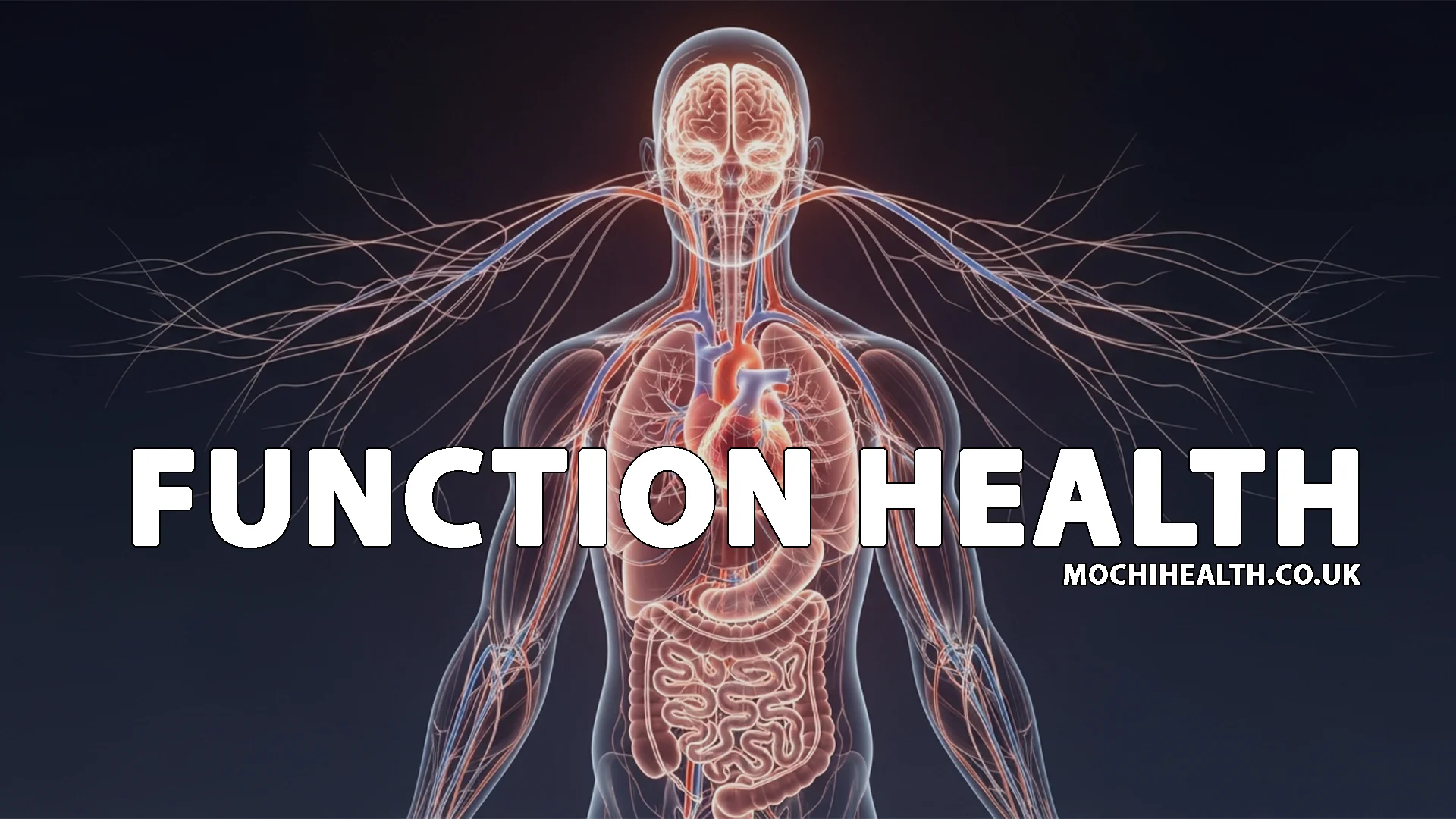
In a world where health information is abundant yet often fragmented, the concept of function health emerges as a holistic foundation for understanding how our bodies operate not just in isolation, but as interconnected systems. This article explores the full spectrum of function health, clarifying what it truly means beyond general well‑being, and examining its essential role throughout life. This is not an article about quick fixes; instead, it presents an in‑depth view of how function health supports long‑term quality of life, resilience, and physiological balance.
Addressing both scientific perspectives and everyday experiences, this comprehensive piece is designed for readers who want real insight into how function health shapes our potential, performance, and capacity to adapt to change. From biological mechanisms to lifestyle influences and modern research, the discussion here unfolds naturally, offering deeper understanding rather than simplified slogans or steps. The term function health will guide our exploration throughout this article, appearing repeatedly in meaningful contexts to reinforce its integral place in overall health discussions.
Understanding Function Health
When we speak of function health, we refer to the ability of the body’s systems to run efficiently and effectively in harmony with one another. It goes beyond mere absence of disease or symptom relief; it encompasses the body’s capacity to perform essential processes such as metabolic regulation, circulation, neurological communication, and immune responses. Function health requires coordinated interaction among organs, tissues, and cells, enabling a person to adapt to daily challenges, resist stress, and maintain internal balance.
In contrast to fragmented health advice that focuses on isolated outcomes—like “improve your heart” or “boost immunity”—the concept of functionhealth demands a broader understanding: how each part of the body contributes to the whole. Healthy function refers to processes, while traditional health metrics sometimes measure static results like weight or blood pressure. Thus, functionhealth bridges the gap between measurable outcomes and dynamic biological processes.
The Role of Function Health in Daily Living
Every day, countless physiological functions work in concert without conscious awareness. The heartbeat adapts to activity levels, the lungs adjust to oxygen needs, and the digestive system breaks down nutrients for energy. This silent orchestra reflects the essence of function health: resilience and responsiveness. When day‑to‑day functionhealth is strong, individuals experience greater energy, mental clarity, emotional balance, and physical performance.
Conversely, when functionhealth is compromised, even minor stressors can lead to disproportionate effects such as fatigue, mood swings, or cognitive fog. Understanding this interconnectedness deepens our appreciation for the complex orchestration our bodies maintain, and highlights why maintaining functionhealth is essential for sustainable well‑being.
Biological Foundations of Function Health
At the core of function health are cells—the basic units of life. Cells aggregate into tissues, tissues form organs, and organs operate within systems. Functionhealth depends on the seamless communication and cooperation between these layers. For example, the nervous system sends signals that prompt muscles to contract, the endocrine system releases hormones that influence metabolism, and the immune system patrols for threats.
When one system falters, functionhealth can ripple outward. An inflammatory response in the digestive system, for instance, may affect nutrient absorption and energy regulation, which subsequently influences mood, immunity, and sleep. Such interactions illustrate why isolated treatments often fail to produce comprehensive results unless they address underlying functional patterns.
Homeostasis and Balance
One defining characteristic of function health is homeostasis—the body’s capacity to stabilize internal conditions despite external changes. This dynamic equilibrium allows temperature regulation, pH balance, electrolyte control, and energy distribution to remain within optimal ranges. When homeostasis falters, metabolic disruptions occur, immune defenses weaken, and recovery processes slow down.
Maintaining functionhealth, therefore, is not about perfection, but rather about adaptability. A well‑functioning system regulates itself with efficiency, and this adaptability underlies durability in the face of physical, emotional, and environmental stressors.
Function Health Across the Lifespan
Children are in a period of rapid growth and development, and function health plays a foundational role in shaping lifelong biological and cognitive patterns. Nutrient intake supports neurological development, immune function matures through exposure to varied microbes, and motor skills evolve through physical play. Healthy function in childhood sets the tone for resilience later in life.
Adult Function Health
For adults, function health often equates to balance—balancing work and rest, dietary choices and metabolic demands, stress and recovery. Maintaining robust functionhealth in adulthood includes ongoing regulation of metabolic processes, hormonal balance, stress response, and mental well‑being, all of which contribute to sustained performance and quality of life.
Aging and Function Health
Aging introduces natural changes in biological systems: bone density may decline, muscle mass may decrease, and cognitive processing can slow. However, strong function health can mitigate the impact of aging. People with preserved functionhealth often experience better mobility, sharper mental acuity, and stronger immune responses, reinforcing the idea that aging is not merely a decline, but a stage of life influenced by lifelong functional resilience.
Lifestyle Factors Influencing Function Health

Nutrition and Function Health
What we consume fuels the chemical reactions that drive function health. Nutrients are signals as well as substrates; they influence gene expression, cellular repair, immune responses, and energy distribution. A balanced diet rich in micronutrients supports metabolic pathways, while chronic nutrient deficiency can disrupt communication between systems. Therefore, understanding food’s integral role in functionhealth extends beyond calories to the nuanced impacts of vitamins, minerals, fats, and phytonutrients.
Physical Activity
Movement stimulates cardiovascular efficiency, enhances respiratory capacity, strengthens musculoskeletal integrity, and improves neural connectivity. Exercise modulates hormones, reduces inflammation, and supports metabolic function, making physical activity a cornerstone of sustained function health. This influence spans from cellular adaptations to systemic benefits, illuminating why regular movement is more than muscle‑building—it is a reinforcement of functional harmony.
Sleep Patterns
Restorative sleep is where vital processes like memory consolidation, tissue repair, hormone regulation, and detoxification occur. Sleep profoundly influences functionhealth, and chronic sleep disturbance can disrupt cognitive function, mood regulation, metabolic balance, and immune defenses. Deep, consistent sleep fortifies the foundation upon which healthy function is restored each day.
Mental Well‑Being
Mental health intersects with functionhealth through stress physiology, emotional regulation, and cognitive processing. Chronic stress triggers hormonal cascades that influence inflammation, metabolism, and immune responses. By nurturing mental well‑being, one supports resilience across biological systems, underscoring the unity between emotional equilibrium and physiological function.
Environmental Impacts on Function Health
Our surroundings—air quality, water purity, chemical exposures, and social environments—affect health in pervasive ways. Polluted air strains respiratory function, toxins may interrupt hormonal signals, and social stressors can trigger chronic stress responses. Recognizing environmental influences invites comprehensive strategies that support functionhealth through safer spaces, mindful consumption, and community engagement.
Function Health in Chronic Disease Prevention
Chronic diseases often emerge from long‑term functional disruptions in metabolic, cardiovascular, or immune pathways. Elevated blood sugar patterns, persistent inflammation, cardiovascular strain, and hormonal imbalances can precede diagnosable conditions. Viewing health through the lens of functionhealth shifts focus from reactive disease treatment to proactive functional support, potentially reducing the burden of chronic illness by addressing physiological imbalances early.
Innovations and Research in Function Health
Modern research increasingly recognizes the value of functional biomarkers—indicators of how systems operate rather than simply whether disease is present. Advances in genomics, metabolic profiling, and microbiome science illuminate hidden layers of functional patterns and individualized responses. These innovations encourage personalized strategies that support functionhealth based on unique biological signatures, reflecting a transformative shift in health understanding.
Practical Perspectives on Maintaining Function Health
Maintaining health does not require rigid routines or one‑size‑fits‑all prescriptions. Rather, it involves cultivating conditions that allow systems to interact dynamically and adaptively. Celebration of small improvements, appreciation for resilience, and awareness of functional patterns contribute to intentional living. When functionhealth is nurtured consistently, longevity and vitality become natural by‑products of thoughtful engagement with one’s body, mind, and environment.
Conclusion
Function health represents the hidden foundation supporting every aspect of human life—from metabolism and immunity to cognition and emotional balance. It reminds us that health is not merely the absence of disease, but the capacity of systems to work in harmony, adapt to challenges, and sustain equilibrium. Understanding the depth of functionhealth shifts our perspective from isolated outcomes to the integrated orchestration of biological processes. Embracing this view empowers individuals to nurture resilience, optimize performance at every stage of life, and experience a more authentic form of well‑being.
Frequently Asked Questions (FAQs)
1. What exactly is function health?
Functionhealth refers to the capacity of the body’s physiological systems to perform efficiently and adaptively. It emphasizes dynamic processes rather than static symptom measurement.
2. How does function health differ from general health?
General health often focuses on outcomes (like absence of disease), while functionhealth highlights how systems operate and interact, offering a deeper view of resilience and adaptability.
3. Why is function health important?
Functionhealth is foundational because it underlies daily performance, stress responses, recovery processes, and long‑term well‑being by ensuring systems communicate and regulate effectively.
4. Can lifestyle changes improve functionhealth?
Yes. Nutrition, physical activity, sleep quality, mental well‑being, and environmental conditions all directly influence function health by supporting balanced physiological processes.
5. Is functionhealth measurable?
Emerging scientific methods such as metabolic profiling and biomarker analysis help assess functionhealth, moving beyond traditional disease metrics toward dynamic functional indicators.