

Gut Health Supplements have rapidly become one of the most talked-about wellness trends of the modern era, and the surge in interest is far from accidental. Across the world, people are becoming more aware of how digestive balance influences energy levels, mental clarity, immunity, and even emotional stability. What was once considered a niche topic in clinical nutrition has evolved into a mainstream health conversation that spans medical research, fitness communities, and everyday households.
In recent years, the conversation around digestive health has shifted from simply preventing stomach discomfort to understanding the deeper relationship between the microbiome and long-term wellbeing. Scientists now recognize the digestive system as a complex ecosystem, home to trillions of microorganisms that quietly influence nearly every function in the human body. This hidden community, often referred to as the microbiota, acts as a bridge between nutrition, immunity, and overall vitality.
The popularity of natural wellness movements, combined with rising awareness about processed diets and environmental stressors, has encouraged people to explore new ways of supporting internal balance. As a result, interest in supportive nutrition has grown into a global movement that shows no sign of slowing down.
Table of Contents
ToggleThe Science Behind the Human Microbiome
The human digestive tract is home to a vast ecosystem made up of bacteria, fungi, and other microscopic organisms. This ecosystem works continuously to break down food, synthesize nutrients, and protect the body from harmful invaders. Scientists estimate that the number of microbial cells in the body rivals the number of human cells, highlighting just how deeply intertwined these organisms are with human biology.
Research over the past decade has revealed that the microbiome plays a role in far more than digestion alone. It influences immune responses, helps regulate metabolism, and contributes to neurotransmitter production. Many researchers now describe the microbiome as an “invisible organ” due to its wide-ranging impact on health.
This discovery has sparked a new era in nutritional science, encouraging people to view digestive wellness as a foundation rather than an afterthought. Supporting microbial diversity has become a key focus for those seeking long-term vitality and resilience.
How Modern Lifestyle Quietly Damages Digestive Balance
Despite the body’s remarkable ability to maintain balance, modern lifestyles often disrupt the delicate harmony of the microbiome. Highly processed foods, chronic stress, environmental toxins, and irregular sleep patterns can gradually alter microbial diversity. Over time, these disruptions may influence digestion, immune resilience, and metabolic efficiency.
Urban living has introduced new challenges to digestive wellness. Fast-paced routines frequently lead to irregular eating patterns and increased reliance on convenience foods. While these habits may offer short-term convenience, they can create long-term imbalances that affect overall wellbeing.
In addition, widespread use of antibiotics has contributed to changes in microbial populations. While these medications remain essential for treating infections, they can also reduce beneficial bacteria, highlighting the importance of restoring balance afterward.
The Connection Between Digestion, Immunity, and Energy
One of the most fascinating discoveries in modern health research is the connection between digestive wellness and immune strength. A significant portion of the body’s immune cells reside within the digestive tract, making it a frontline defense against harmful pathogens.
When the microbiome is balanced, it helps train the immune system to respond effectively without overreacting. This delicate balance influences how the body responds to everyday challenges, from seasonal illnesses to environmental stressors.
Energy levels are also closely tied to digestive efficiency. The body relies on the digestive system to break down nutrients and convert them into usable fuel. When this process is disrupted, feelings of fatigue and sluggishness often follow. This connection has encouraged many individuals to explore Gut Health Supplements as part of a broader strategy for sustained vitality.
Why Nutritional Support Has Become So Popular
Growing awareness of the microbiome has led to a surge in interest in targeted nutrition. People are increasingly seeking ways to complement their diets and support internal balance through carefully formulated products.
The wellness industry has responded by developing innovative formulations that focus on microbial diversity and digestive comfort. Advances in research have made it possible to identify specific strains of beneficial bacteria and understand their unique roles within the body.
This progress has transformed digestive wellness from a vague concept into a science-backed approach to long-term health. Many individuals now view Gut Health Supplements as an accessible way to support their lifestyle goals and maintain internal harmony.
Key Ingredients That Support Microbial Diversity
Modern formulations often focus on a combination of probiotics, prebiotics, and plant-based compounds designed to nourish beneficial microorganisms. Probiotics are live microorganisms that help restore microbial balance, while prebiotics provide nourishment that encourages beneficial bacteria to thrive.
Plant-derived fibers and fermented foods have long been recognized for their role in digestive wellness. Today, these traditional ingredients are combined with advanced research to create targeted formulations that align with modern lifestyles.
The growing popularity of Gut Health Supplements reflects the increasing demand for solutions that support internal balance in a convenient and sustainable way.
The Link Between Mental Wellness and Digestive Function
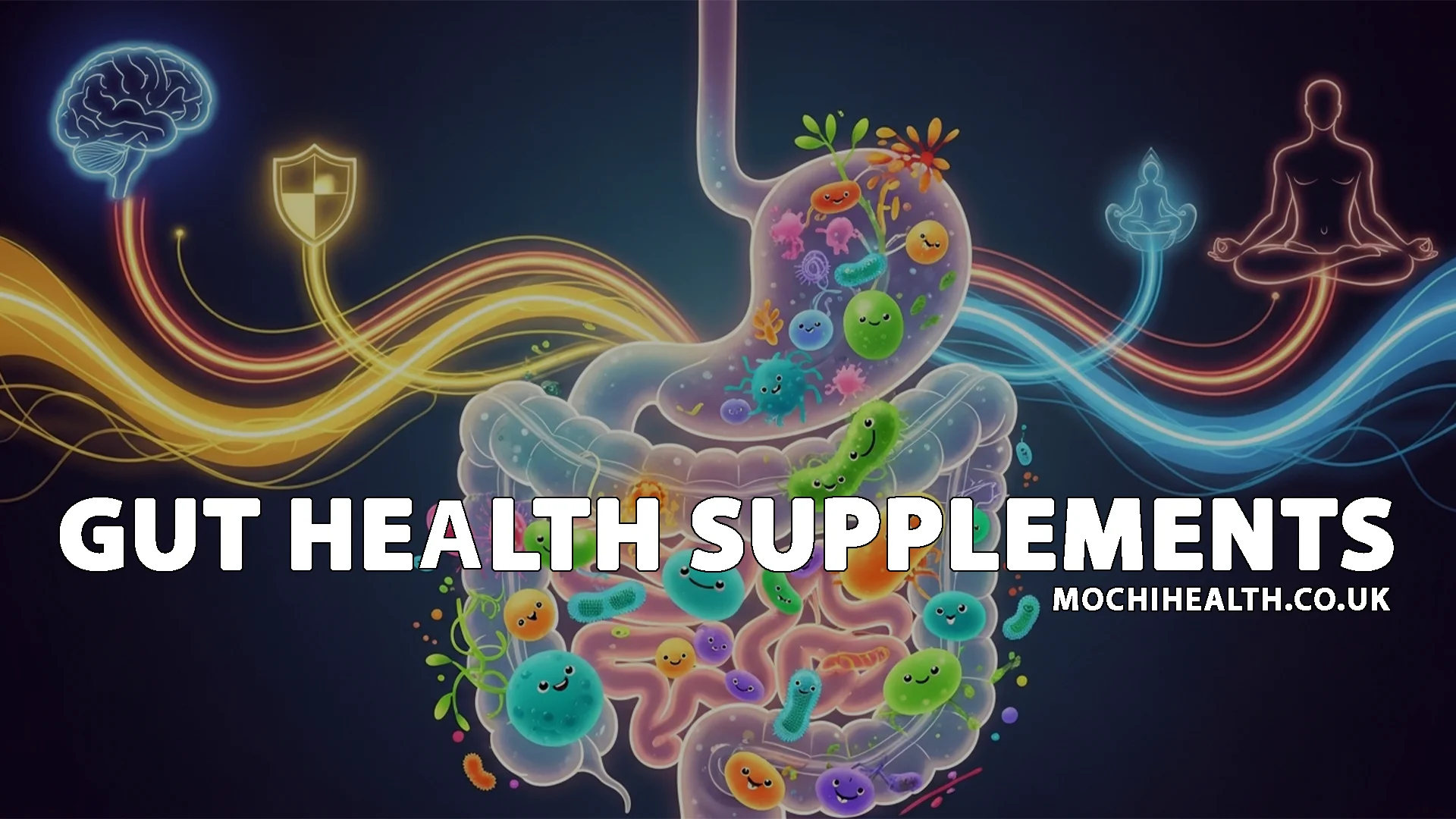
The connection between digestion and mental wellbeing has become one of the most exciting areas of scientific exploration. Researchers have identified a communication network known as the gut-brain axis, which links the digestive system with the central nervous system.
This connection helps explain why emotional stress can influence digestion and why digestive imbalance can affect mood. Neurotransmitters such as serotonin, often associated with happiness, are produced in large quantities within the digestive system.
As awareness of this connection grows, more people are recognizing the value of supporting digestive balance as part of a holistic approach to mental wellness. This perspective has further increased interest in Gut Health Supplements as part of everyday self-care routines.
Skin, Weight, and Hormonal Balance Connections
Digestive wellness influences more than internal processes; it also affects visible aspects of health. Many people notice changes in skin clarity, weight stability, and hormonal balance when they focus on supporting their microbiome.
The digestive system plays a role in detoxification, nutrient absorption, and inflammation regulation. When these processes function smoothly, the body often reflects this balance externally through improved vitality and appearance.
This growing awareness has expanded the appeal of Gut Health Supplements beyond digestive comfort, positioning them as a cornerstone of overall wellness.
Understanding Quality, Safety, and Label Claims
As interest in digestive wellness grows, consumers are becoming more selective about the products they choose. Transparency, quality sourcing, and scientific research have become essential considerations when evaluating nutritional products.
Reputable brands invest in rigorous testing and clear labeling to ensure consumers can make informed decisions. Understanding strain diversity, dosage, and formulation integrity has become an important part of the wellness conversation.
The rising demand for high-quality Gut Health Supplements has encouraged innovation and accountability across the industry.
Choosing the Right Formula for Different Needs
Digestive wellness is not a one-size-fits-all concept. Each individual has a unique microbiome shaped by genetics, diet, environment, and lifestyle. As a result, personalized approaches to nutrition are gaining popularity.
Some people focus on immune resilience, while others seek support for energy, mental clarity, or overall vitality. The diversity of available formulations reflects the growing recognition that digestive wellness is deeply personal.
This shift toward personalization highlights the evolving role of Gut Health Supplements in modern wellness strategies.
Myths and Misconceptions About Digestive Support
Despite growing awareness, several misconceptions continue to shape public perception. Some individuals assume that digestive balance can be achieved overnight, while others believe all products deliver identical benefits.
In reality, digestive wellness is a long-term commitment that involves diet, lifestyle, and consistent nutritional support. Education plays a vital role in helping people understand how to make informed choices.
The increasing visibility of Gut Health Supplements has sparked valuable conversations that continue to reshape public understanding of digestive health.
Future Trends in Microbiome Research
The field of microbiome research is advancing at an extraordinary pace. Scientists are exploring personalized nutrition, advanced microbial mapping, and innovative formulations designed to support specific health goals.
As research continues to evolve, the role of Gut Health Supplements is likely to expand even further. Future developments may include personalized formulations based on individual microbiome profiles, opening new possibilities for tailored wellness solutions.
This exciting future reflects the growing recognition of digestive wellness as a cornerstone of human health.
Conclusion
The growing global focus on digestive wellness represents a major shift in how people approach health and longevity. Rather than treating symptoms in isolation, modern wellness emphasizes balance, prevention, and holistic care. The microbiome stands at the center of this transformation, influencing immunity, energy, mental clarity, and overall vitality.
As awareness continues to expand, more individuals are exploring ways to support their internal ecosystems and maintain long-term wellbeing. This shift highlights the importance of education, quality, and personalization in the evolving wellness landscape. The future of health is increasingly rooted in understanding the body as an interconnected system, and digestive balance remains at the heart of that journey.
FAQs
What is the role of the microbiome in overall health?
The microbiome supports digestion, immune defense, and nutrient absorption while influencing mental and metabolic processes.
Why has digestive wellness become so popular?
Growing scientific research has revealed the strong connection between digestive balance and overall wellbeing.
Can lifestyle affect digestive balance?
Yes, factors such as diet, stress, sleep, and environmental exposure can all influence microbial diversity.
How long does it take to notice changes in digestive wellness?
Digestive balance develops gradually and often improves with consistent lifestyle and nutrition habits.
Is digestive wellness connected to mental health?
Research on the gut-brain axis shows a strong relationship between digestive function and emotional wellbeing.
Why is quality important when choosing nutritional products?
Quality ensures safety, effectiveness, and transparency, helping consumers make informed decisions.
Can digestive wellness affect skin and energy?
Yes, improved nutrient absorption and reduced inflammation often support visible and internal vitality.
What does the future of microbiome research look like?
Ongoing research is exploring personalized nutrition and advanced formulations tailored to individual needs.
If you want to understand the diverse roles, career opportunities, and future of healthcare support, check out our article “What Is Allied Health”. It explains everything about allied health professions, their importance in modern healthcare, and how technology is shaping this dynamic field.