
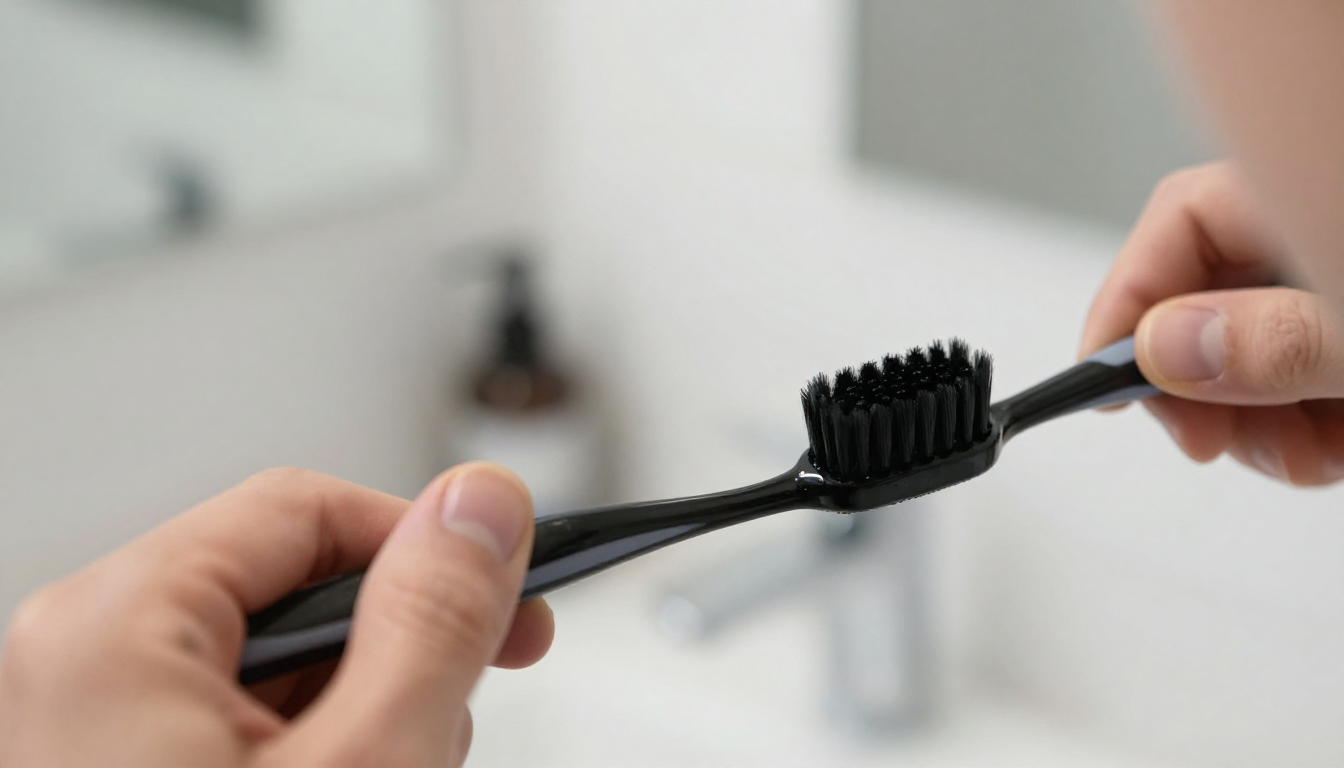
In recent years, charcoal toothpaste has gained significant popularity as a natural teeth-whitening solution. Social media influencers, wellness blogs, and even some dental products heavily promote activated charcoal for its purported benefits. But many people still ask: is charcoal toothpaste good for your teeth? While it promises brighter smiles, understanding the science, benefits, and potential risks is crucial before making it part of your oral hygiene routine.
This article will provide a comprehensive guide on charcoal toothpaste, examining its effectiveness, safety, and best practices.
What is Charcoal Toothpaste?
Charcoal toothpaste is a dental product infused with activated charcoal, a form of carbon processed to have small, low-volume pores that increase surface area for adsorption. This characteristic allows it to bind to stains, toxins, and bacteria on teeth surfaces.
Unlike regular toothpaste, charcoal variants are usually black in color and marketed as natural, chemical-free, and effective for whitening teeth. While many users are drawn to its aesthetic appeal and natural branding, understanding its real mechanism is key to assessing if charcoal toothpaste is good for your teeth.
How Charcoal Toothpaste Works
Charcoal toothpaste works mainly through adsorption, not absorption. This means it binds stains and debris on the enamel surface rather than penetrating the teeth.
Key mechanisms include:
-
Surface Stain Removal: Charcoal’s porous nature traps pigments from coffee, tea, or tobacco.
-
Bacteria Adsorption: It can bind some bacteria that contribute to plaque and bad breath.
-
Polishing Effect: The mildly abrasive particles may help polish teeth slightly.
However, it is important to note that charcoal toothpaste may not penetrate deep into enamel or remove intrinsic stains, which are often the result of aging or medications.
Benefits of Charcoal Toothpaste
While evidence is mixed, several benefits are commonly reported by users and some studies.
Teeth Whitening
One of the main reasons people try charcoal toothpaste is its whitening effect. By binding to surface stains, charcoal can make teeth appear cleaner and brighter.
-
Works best on extrinsic stains caused by coffee, tea, or smoking.
-
Often marketed as a natural alternative to chemical whitening products.
Note: Charcoal toothpaste usually does not contain bleaching agents like hydrogen peroxide, so whitening may be less dramatic than professional treatments.
Plaque Removal
Charcoal toothpaste can help reduce plaque buildup due to its slightly abrasive nature.
-
Polishing effect removes some surface plaque and tartar.
-
Helps maintain a cleaner oral environment when used correctly.
However, overuse may erode enamel, so moderation is essential.
Bad Breath Control
Some users report improved breath after using charcoal toothpaste. This may be due to:
-
Adsorption of odor-causing compounds.
-
Reduction of bacteria that contribute to halitosis.
While effective for temporary breath freshening, it may not replace fluoride toothpaste for long-term oral health.
Potential Risks and Concerns
Despite its popularity, there are concerns about long-term safety.
Enamel Erosion
Charcoal is abrasive. Frequent use can wear down enamel, leading to:
-
Tooth sensitivity
-
Yellowing (as dentin becomes exposed)
-
Increased risk of cavities
Recommendation: Use sparingly and avoid aggressive brushing.
Gum Sensitivity
Rough brushing with charcoal toothpaste may irritate gums, causing:
-
Redness
-
Swelling
-
Bleeding
Users with sensitive gums should consult a dentist before use.
Lack of Fluoride
Many charcoal toothpastes do not contain fluoride, a key mineral for strengthening enamel and preventing cavities.
-
Using fluoride-free charcoal toothpaste exclusively may increase the risk of tooth decay.
-
It’s advisable to alternate with regular fluoride toothpaste.
Scientific Research and Evidence
The scientific consensus on charcoal toothpaste is still evolving. Key points from research:
-
Limited clinical trials: Few high-quality studies confirm significant whitening beyond superficial stains.
-
Abrasiveness concerns: Some studies highlight enamel wear with prolonged use.
-
Plaque and bacteria reduction: Evidence is anecdotal, with minor short-term improvements.
Conclusion from research: While charcoal toothpaste may provide temporary whitening, it should not replace traditional fluoride toothpaste or professional dental care.
Who Should Use Charcoal Toothpaste?
Charcoal toothpaste may suit:
-
Adults with extrinsic stains seeking mild whitening
-
Individuals looking for natural, chemical-free alternatives
-
People who want temporary breath freshening
Avoid charcoal toothpaste if:
-
You have sensitive teeth or gums
-
You are prone to cavities
-
You rely exclusively on it without fluoride toothpaste
How to Use Charcoal Toothpaste Safely
To maximize benefits and minimize risks:
-
Use 2–3 times per week rather than daily.
-
Brush gently with a soft-bristled toothbrush.
-
Alternate with fluoride toothpaste to protect enamel.
-
Limit brushing time to 2 minutes per session.
-
Avoid swallowing charcoal residue.
These precautions help ensure that charcoal toothpaste is good for your teeth without causing long-term damage.
Alternatives to Charcoal Toothpaste
If you want whitening without potential enamel erosion:
-
Fluoride whitening toothpaste: Gentle and effective for long-term oral health.
-
Professional dental whitening: Provides significant, safe results.
-
Baking soda toothpaste: Mild abrasive with whitening properties.
-
Oil pulling: Some natural benefits for plaque and breath, though less researched.
Conclusion
So, is charcoal toothpaste good for your teeth? The answer is nuanced.
-
Pros: Can remove surface stains, freshen breath, and polish teeth mildly.
-
Cons: Can erode enamel, irritate gums, and often lacks fluoride.
Charcoal toothpaste may be a temporary, cosmetic addition to your oral care routine, but it should not replace traditional fluoride toothpaste or professional dental care. For safe and effective use, follow recommended precautions and consult your dentist if you have concerns.
When used correctly and in moderation, charcoal toothpaste can provide temporary whitening benefits, but long-term oral health depends on balanced, evidence-based practices.
FAQs
1. Is charcoal toothpaste safe for daily use?
No. Daily use may erode enamel due to its abrasive nature. Use 2–3 times per week only.
2. Can charcoal toothpaste whiten teeth permanently?
No. It can remove surface stains temporarily, but it cannot change the intrinsic color of teeth.
3. Does charcoal toothpaste prevent cavities?
Not effectively. Many charcoal toothpastes lack fluoride, which is essential for cavity prevention.
4. Can children use charcoal toothpaste?
It is not recommended for children due to potential enamel damage and fluoride deficiency.
5. Are there natural alternatives to charcoal toothpaste?
Yes, options include baking soda toothpaste, professional whitening treatments, or fluoride-based natural toothpaste.
6. Will charcoal toothpaste make my teeth sensitive?
Excessive use or aggressive brushing may cause sensitivity due to enamel erosion.