
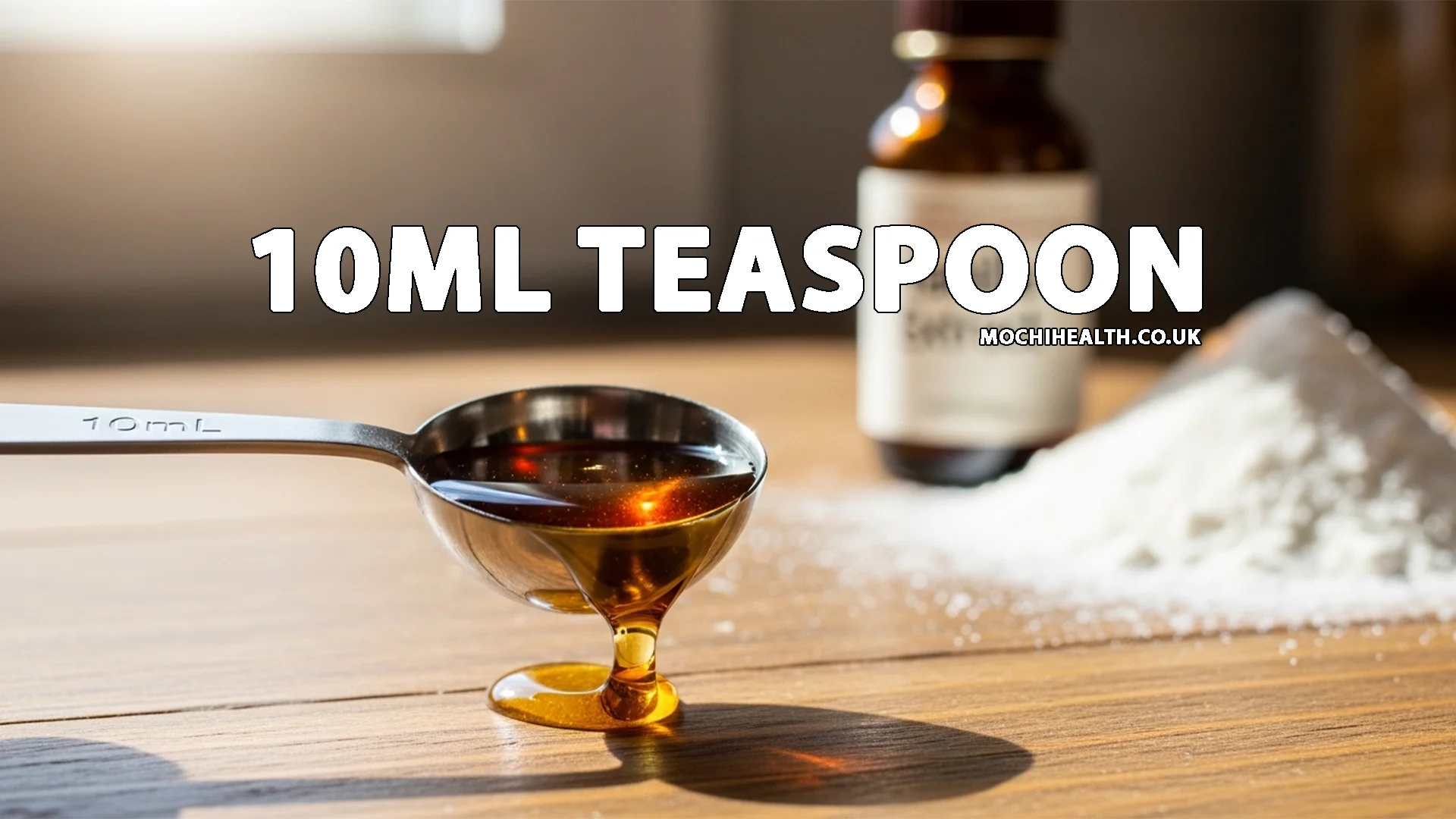
10ml Teaspoon – a phrase many people have come across in cooking, medicine, and nutrition, but few truly understand its significance. Whether you are measuring ingredients for a delicate recipe, dosing medication for yourself or your children, or trying to manage nutrition accurately, understanding a teaspoon is crucial. In this article, we will explore everything you need to know about a 10ml , its uses, conversions, and why it is more than just a small kitchen tool.
What is a 10ml Teaspoon?
A 10ml teaspoon is a standardized measurement of volume commonly used in cooking, baking, and medicine. Unlike a traditional teaspoon you might find at home, which can vary in size, a teaspoon is precise, providing exactly ten milliliters of liquid or powdered substance. This measurement is particularly important when precision is critical, such as in professional cooking or administering medication.
Interestingly, while many assume a teaspoon is always 5ml, the teaspoon doubles that standard, making it essential to recognize its difference in contexts where precision matters. Understanding this can prevent mistakes in recipes or dosing, ultimately saving time, ingredients, and potential health risks.
How Does a 10ml Teaspoon Compare to Other Measurements?
To fully grasp the significance of a teaspoon, it’s essential to compare it with other common units of measurement. In the metric system, 10ml equals 2 standard US teaspoons, 0.67 US tablespoons, and about 0.35 UK fluid ounces.
This conversion is particularly useful for international cooking or following recipes that do not use the metric system. Many online recipes and cookbooks require this understanding to prevent over-measuring or under-measuring ingredients, which can dramatically affect the flavor and outcome of a dish.
The Importance of Accurate Measurement in Cooking
Cooking is often seen as an art, but it is just as much a science. When it comes to ingredients like salt, sugar, or spices, a slight miscalculation can ruin the balance of flavors. A 10ml teaspoon provides precision, helping chefs and home cooks achieve consistent results.
For instance, in baking, exact measurements are vital because chemical reactions determine the texture and structure of baked goods. Using a teaspoon ensures that each ingredient is measured correctly, allowing your cookies, cakes, or sauces to turn out perfectly every time.
Using a 10ml Teaspoon in Baking and Cooking
In baking, measurements can make or break a recipe. A 10ml teaspoon is often used for precise amounts of liquid ingredients like vanilla extract, milk, or lemon juice. It can also measure powdered ingredients like cocoa powder or yeast, which require accuracy to maintain texture and flavor.
Professional chefs often rely on calibrated teaspoons for consistency across multiple servings. When preparing large batches of food, understanding that a teaspoon is double the standard 5ml teaspoon ensures recipes are scaled correctly, preventing culinary disasters.
Medical Uses of a 10ml Teaspoon
Beyond the kitchen, a 10ml teaspoon plays a vital role in healthcare. Many liquid medications for children or adults are measured in milliliters, and a teaspoon offers a safe, standardized way to dose accurately.
Inaccurate measurement of medication can lead to underdosing or overdosing, both of which can have serious consequences. A teaspoon eliminates guesswork, ensuring that each dose is consistent with medical recommendations. Many pharmacies provide measuring spoons calibrated to 10ml for this purpose, reinforcing the importance of precision.
Nutritional Precision with a 10ml Teaspoon
For those tracking caloric intake or managing diets, a 10ml teaspoon provides a reliable way to measure oils, syrups, or supplements. A common mistake in nutritional tracking is underestimating liquid calories, such as olive oil or honey. Using a teaspoon ensures accurate portion control, helping maintain diet goals.
Moreover, for individuals following strict nutritional plans, such as ketogenic or diabetic diets, precise measurement tools like a teaspoon can prevent unintended spikes in sugar or fat intake, contributing to better health management.
Common Myths About Teaspoon Measurements
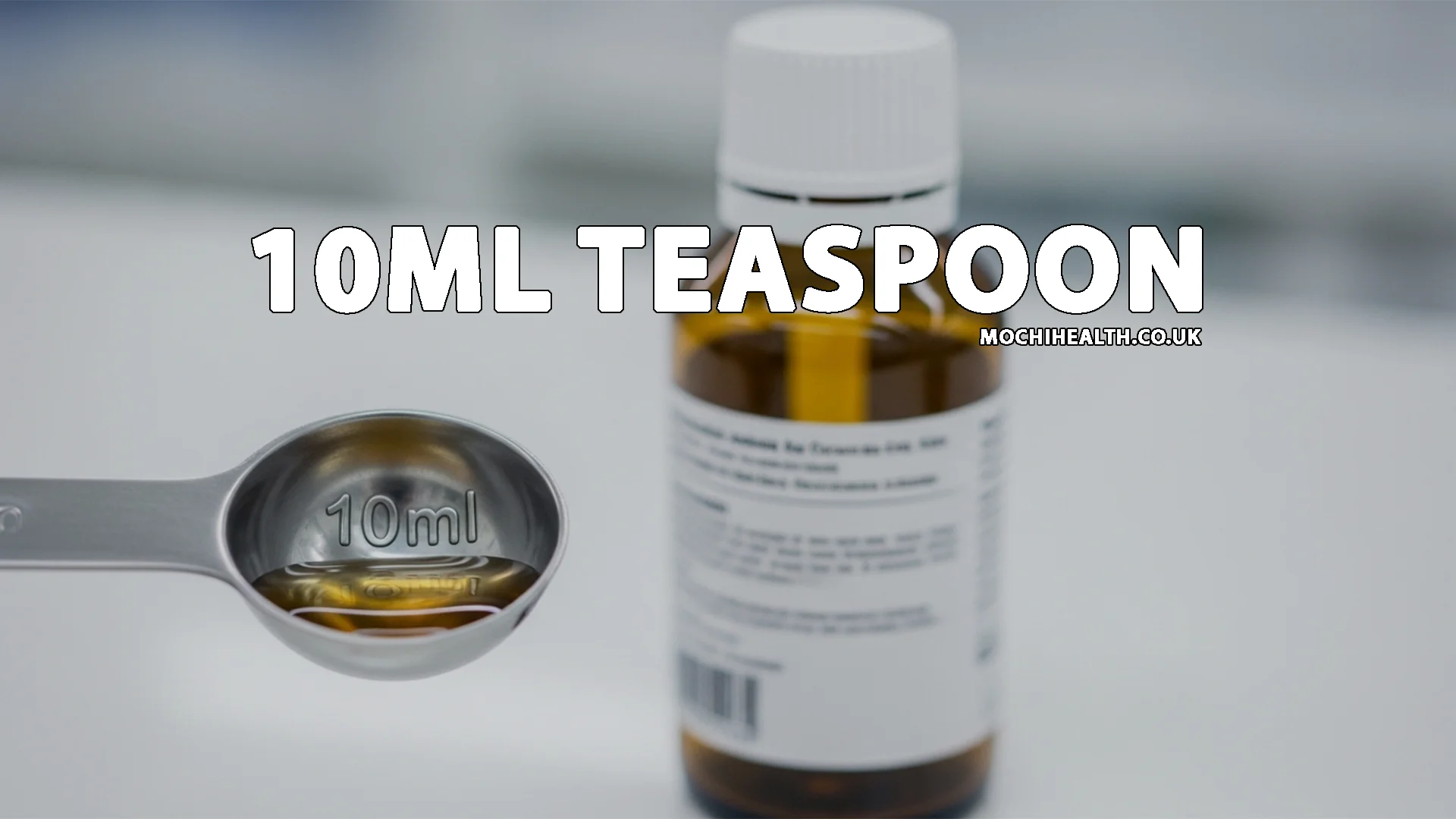
Many believe that all teaspoons are the same, but this is a common misconception. Traditional spoons vary greatly in size, which can result in inconsistent measurements. A 10ml teaspoon is specifically designed to prevent this confusion.
Another myth is that doubling a 5ml teaspoon automatically equals a teaspoon, but in practice, using two separate spoons may introduce minor inaccuracies. A single, calibrated teaspoon is always more precise, emphasizing its necessity in both cooking and medical contexts.
How to Measure Liquids with a 10ml Teaspoon
Measuring liquids accurately with a 10ml teaspoon requires a steady hand and attention to detail. Pouring directly into the spoon from a bottle or container is recommended to avoid spills. Some spoons come with markings for half and quarter measurements, adding extra precision for recipes that require exact quantities.
For professionals, using a teaspoon alongside other measuring tools ensures consistency across recipes. It is also useful for small-scale home cooking, particularly when experimenting with new ingredients where accuracy determines taste outcomes.
Teaspoon vs Tablespoon: Understanding the Difference
Confusion between teaspoons and tablespoons is common in both recipes and nutritional guidelines. A standard tablespoon equals three teaspoons. Therefore, a 10ml teaspoon is roughly a third of a tablespoon, depending on the measurement system used.
This distinction is crucial for proper cooking, dosing, and nutrition tracking. Misinterpreting these measurements can result in under-seasoned dishes, incorrect medication doses, or inaccurate calorie counts. Understanding the relationship between teaspoons and tablespoons ensures consistency and reliability.
Tips for Choosing the Right Teaspoon
When selecting a teaspoon, consider material, calibration, and design. Stainless steel spoons are durable and resistant to bending, while plastic spoons may be convenient but less precise over time. Choosing a spoon marked with 10ml ensures accurate measurement every time.
Additionally, some teaspoons come in sets with multiple sizes, offering flexibility for various cooking and baking tasks. Investing in a high-quality 10ml teaspoon is a small but impactful step toward culinary and nutritional precision.
Popular Recipes That Require a 10ml Teaspoon
Many modern recipes specify measurements in milliliters, making a 10ml teaspoon invaluable. From baking moist cakes to preparing cocktails or syrups, precise measurement ensures perfect results.
For example, a rich chocolate cake may require 10ml of vanilla extract, and a small cocktail may call for 10ml of syrup. Using a properly measured teaspoon guarantees that flavors are balanced and the recipe’s integrity is maintained.
Conclusion
In conclusion, the 10ml teaspoon is far more than a simple kitchen utensil. It represents precision, consistency, and accuracy in cooking, baking, medicine, and nutrition. From achieving culinary perfection to ensuring safe medication doses, this small tool has a significant impact.
Investing in a calibrated teaspoon is a decision that benefits both home cooks and professionals. By understanding its use and significance, you can elevate your cooking, maintain health, and embrace accuracy in everyday measurements.
FAQs
Q1: Is a 10ml teaspoon the same as two regular teaspoons?
Yes, a teaspoon equals two standard 5ml teaspoons, but using a single calibrated 10ml teaspoon is more precise.
Q2: Can a teaspoon be used for powders and liquids alike?
Absolutely. It is designed for both, though powders should be leveled for accurate measurement.
Q3: Where can I buy a 10ml teaspoon?
Most kitchen supply stores and online marketplaces sell calibrated 10ml teaspoons.
Q4: Is a teaspoon used in professional kitchens?
Yes, many chefs rely on teaspoons for precision, especially in baking and cocktail preparation.
Q5: Can I use a teaspoon for measuring medication?
Yes, pharmacies often provide spoons marked 10ml to ensure accurate dosing of liquid medications.
“Curious about why your urine looks cloudy? Check out our article ‘What Are the Causes of Cloudy Urine’ to learn the common reasons, possible health issues, and when to see a doctor.”