
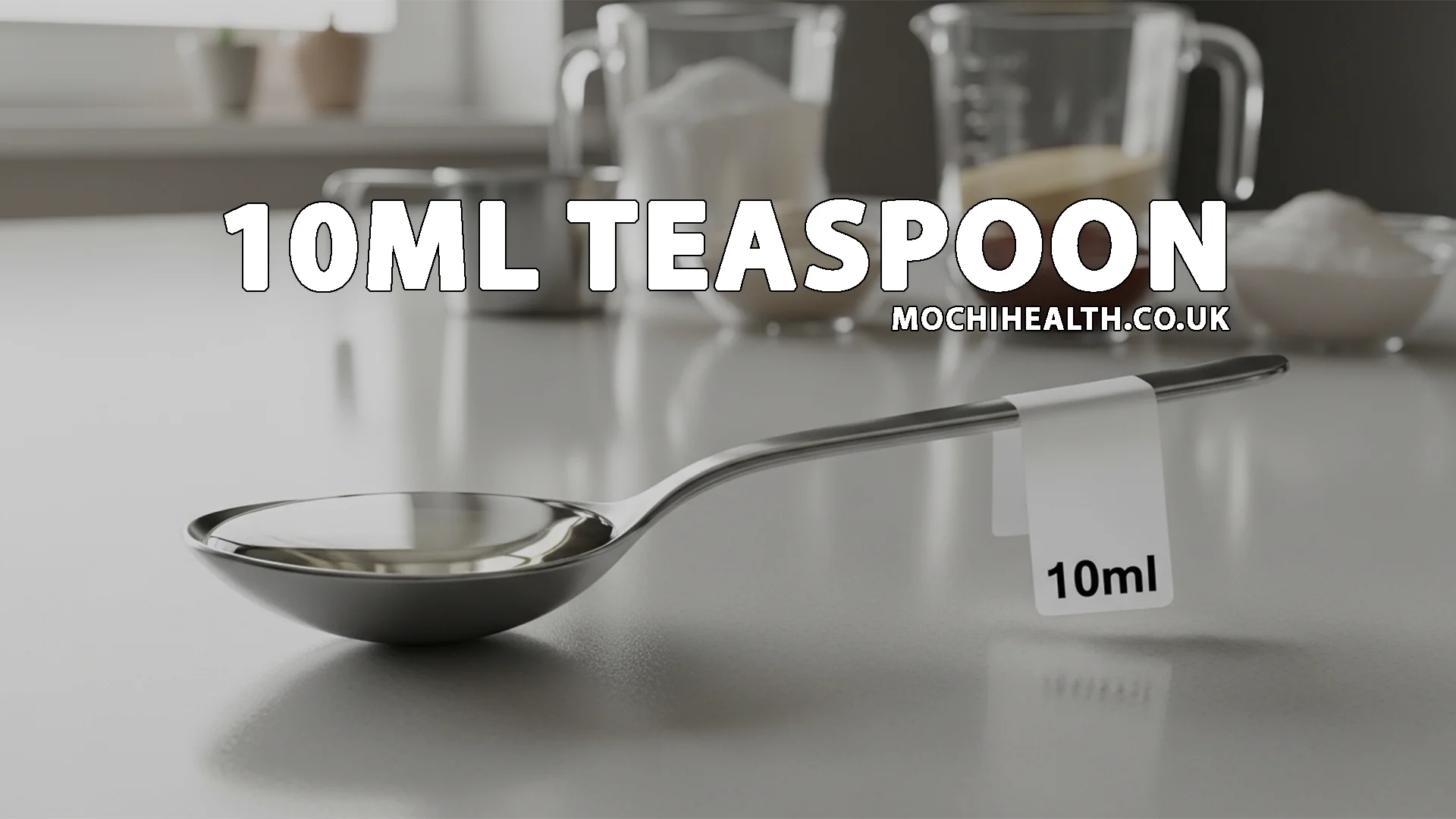
10ml teaspoon is one of the most searched and most misunderstood measurement terms on the internet today. From cooking recipes and medicine dosages to health supplements and home remedies, people constantly ask whether a teaspoon truly equals 10ml and why measurement accuracy suddenly matters more than ever. This curiosity has exploded because modern lifestyles rely heavily on precision, and even small mistakes can change outcomes dramatically. Many readers discover that a simple teaspoon can influence taste, nutrition, safety, and scientific accuracy. This article explores everything you need to know, from the basics and history to myths, research, and future trends. By the end, you will gain a complete understanding of why this small measurement carries big importance in daily life.
Measurement Accuracy
Modern life is built on precision. Whether someone is preparing a recipe, measuring medicine for a child, or mixing a nutritional supplement, small differences in quantity can lead to major changes in results. The rising interest in accurate measurement reflects how people want reliability and consistency in everyday routines. Measurement tools have evolved over time, yet confusion continues to exist about small units like teaspoons and tablespoons. This topic has become especially popular online as people search for clarity and trustworthy information. The growing attention proves that even the smallest kitchen tools have a powerful role in daily living.
Understanding the Meaning of 10ml Teaspoon
The phrase 10ml teaspoon refers to a liquid measurement that equals ten milliliters of volume. Milliliters belong to the metric system, which is used worldwide for scientific and medical accuracy. A teaspoon, however, comes from traditional cooking measurements that existed long before the metric system became universal. Because of this mixture of old and modern measurement systems, confusion often arises. Many people assume all teaspoons are identical, yet measurement standards reveal subtle differences. Understanding the true meaning of this unit helps remove uncertainty and builds confidence when measuring liquids in both professional and personal settings.
The History Behind Teaspoon Measurements
Teaspoons have a fascinating history rooted in culinary traditions. Long before standardized measurements existed, spoons were shaped by local craftsmanship and cultural habits. As trade expanded and recipes spread across countries, the need for consistent measurement became obvious. Governments and scientific communities began creating standardized systems to ensure uniformity. Over time, teaspoons were assigned approximate metric equivalents to match modern measurement systems. This evolution demonstrates how traditional tools adapted to meet contemporary needs while preserving their familiar role in kitchens worldwide.
Why Measurement Precision Matters Today
Precision has become essential in the digital age. Cooking shows, online recipes, and health advice encourage exact measurements for reliable outcomes. The popularity of baking, fitness supplements, and home remedies has increased the demand for accuracy. When measurements are precise, results become predictable and repeatable. This reliability builds trust in recipes, medications, and nutritional routines. The importance of precision also reflects a broader cultural shift toward data-driven decision-making and evidence-based practices.
The Science of Milliliters and Volume
Milliliters measure volume, which refers to the space occupied by a liquid. Scientific measurement ensures that results remain consistent regardless of location or environment. Volume measurement plays a vital role in chemistry, medicine, and culinary arts. When liquid quantities are measured correctly, chemical reactions, flavors, and health outcomes remain consistent. The metric system simplifies measurement by using multiples of ten, making it easy to convert between units. This scientific foundation explains why milliliters became the preferred unit for precise liquid measurement worldwide.
Kitchen Culture and Global Measurement Differences
Different countries use different measurement systems, creating confusion for international recipes. While some regions rely heavily on metric units, others continue to use traditional spoons and cups. The blending of these systems has created a global kitchen culture where cooks often switch between measurement styles. Understanding the relationship between teaspoons and milliliters helps bridge this gap and makes international cooking more accessible. This cultural blending highlights the universal language of food and the importance of shared standards.
Medicine and Health Applications
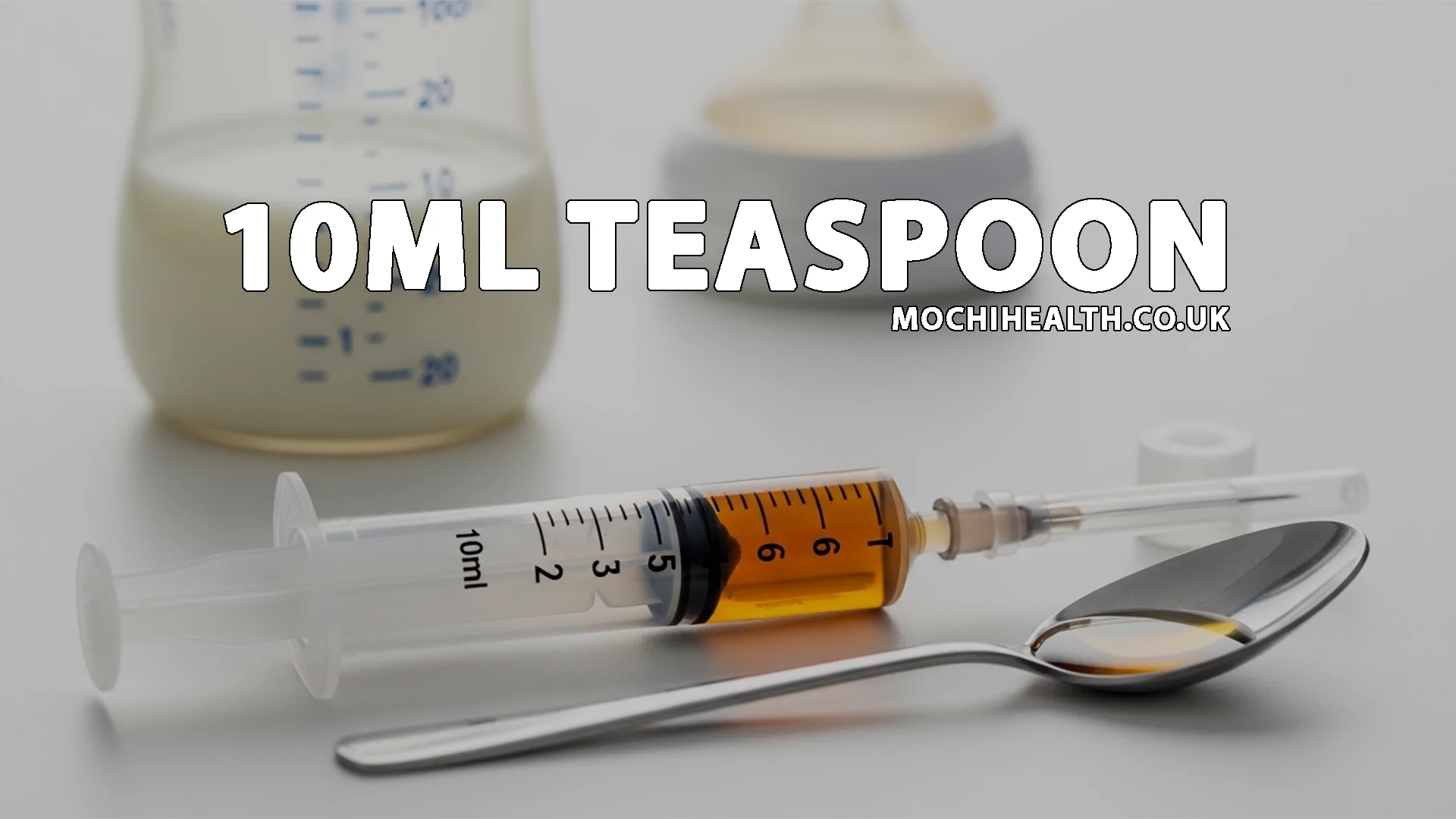
One of the most important uses of the 10ml teaspoon appears in healthcare. Liquid medications often require precise dosing to ensure safety and effectiveness. Parents, caregivers, and patients rely on accurate measurements to avoid underdosing or overdosing. Medical professionals emphasize the importance of using standardized measuring tools rather than household spoons. This focus on accuracy demonstrates how a small measurement can have significant health implications.
Everyday Household Use and Practical Importance
Beyond cooking and medicine, liquid measurement plays a role in cleaning solutions, gardening, and home projects. Household routines often depend on small quantities of liquids to achieve desired results. From mixing cleaning products to preparing beverages, consistent measurement improves efficiency and reduces waste. This everyday relevance explains why accurate measurement continues to be a trending topic.
Common Confusion Between Teaspoon Sizes
Not all teaspoons are created equal. Decorative or antique spoons often vary in size, which can lead to inaccurate measurements. This variation explains why experts recommend standardized measuring spoons rather than relying on tableware. Recognizing these differences helps prevent mistakes and ensures reliable outcomes in both cooking and healthcare settings.
Benefits of Accurate Liquid Measurement
Accurate measurement brings confidence and consistency. Recipes taste better, medications work effectively, and household projects succeed more reliably. Precision also saves time and resources by reducing errors. This combination of convenience and reliability explains why measurement accuracy continues to gain attention in modern life.
Risks and Problems of Inaccurate Measuring
Inaccurate measurement can lead to unexpected results. Recipes may fail, flavors may change, and health outcomes may be affected. Even small discrepancies can accumulate and create noticeable differences. Understanding these risks highlights the importance of using proper measuring tools and reliable information.
Myths and Misconceptions About Teaspoons
Many myths surround teaspoon measurements. Some believe any spoon can serve as a measuring tool, while others assume measurements remain consistent across countries. These misconceptions create confusion and lead to mistakes. Replacing myths with factual knowledge empowers readers to make informed decisions and achieve better results.
Research, Standards, and Expert Insights
Scientific organizations and health authorities have established clear measurement standards to promote accuracy. Research emphasizes the importance of consistent units for safety and reliability. Experts encourage using standardized tools to ensure measurements match official guidelines. This research-driven approach strengthens trust and supports evidence-based practices.
The Future of Measurement in Modern Living
Technology continues to improve measurement accuracy. Smart kitchen devices, digital scales, and automated tools are becoming more accessible. These innovations reflect the growing demand for precision and convenience. As technology evolves, measurement tools will likely become even more accurate and user-friendly, shaping the future of cooking, healthcare, and everyday routines.
Conclusion
The journey of understanding 10ml teaspoon reveals the surprising importance of a small measurement. From historical origins and cultural differences to scientific research and future trends, this topic connects everyday life with global standards. Accurate measurement enhances safety, consistency, and confidence in countless daily activities. By embracing reliable tools and knowledge, readers can achieve better results and appreciate the value of precision in modern living.
FAQs
What does 10ml mean in a teaspoon?
Ten milliliters represents a precise volume measurement used in cooking and medicine to ensure accuracy and consistency.
Why is measurement accuracy important?
Accuracy ensures reliable results, improves safety, and prevents errors in recipes, medications, and household tasks.
Are all teaspoons the same size?
No, household spoons vary in size, which is why standardized measuring spoons are recommended.
Where is the metric system commonly used?
The metric system is widely used worldwide for scientific, medical, and culinary measurements.
Can inaccurate measuring cause problems?
Yes, incorrect measurements can affect taste, effectiveness, and safety in various applications.
“Check out our latest insights on accurate measurements and daily health tips in our article on Health Threetrees: healththreetrees.com.vn.”