

Sinus infections, medically known as sinusitis, are a common health concern affecting millions of people worldwide. While most cases are mild and self-limiting, understanding whether is a sinus infection contagious is crucial for preventing unnecessary spread and managing personal health. Many people confuse sinus infections with the common cold or flu, often worrying about inadvertently transmitting the condition to others.
In this article, we will explore the causes, symptoms, risk factors, and treatment options of sinus infections. We will also delve into the question of contagion, clarifying myths and scientific facts. Whether you are experiencing your first sinus infection or are a caregiver looking for guidance, this comprehensive guide provides valuable insights into the nature of sinus infections and their transmissibility.
What is a sinus infection contagious ?
A is a sinus infection contagious occurs when the tissues lining the sinuses become inflamed due to infection or blockage. Sinuses are air-filled cavities located in the forehead, cheekbones, and around the nose. They produce mucus that traps bacteria, viruses, and other particles. When the drainage of this mucus is blocked, it can lead to infection.
Acute Sinus Infection
Acute is a sinus infection contagious usually develops quickly and lasts less than four weeks. It often follows a cold or respiratory infection and can cause discomfort such as nasal congestion, facial pain, and headaches. Most acute sinus infections are caused by viral infections.
Chronic Sinus Infection
Chronic sinusitis lasts more than 12 weeks and may recur frequently. It is often associated with underlying health conditions, such as allergies, nasal polyps, or immune system deficiencies. Chronic sinus infections can be bacterial or fungal in nature and typically require medical intervention for relief.
Causes of is a sinus infection contagious
Understanding the cause of a sinus infection is essential for determining whether is a sinus infection contagious. Sinus infections can result from viruses, bacteria, fungi, and other environmental factors.
Viral Causes
Viral infections are the most common cause of sinus infections. Viruses that trigger colds, such as rhinoviruses and influenza viruses, can spread to the sinuses, leading to inflammation. Because viruses are easily transmissible, viral sinus infections carry a higher risk of contagion compared to bacterial or fungal infections.
Bacterial Causes
Bacterial sinus infections are less common and usually develop after a viral infection weakens the sinus cavities. Streptococcus pneumoniae and Haemophilus influenzae are typical bacterial culprits. Bacterial sinusitis is generally less contagious, as bacteria need specific conditions to thrive.
Fungal Causes
Fungal sinus infections are rare but can occur in people with compromised immune systems. Common fungal pathogens include Aspergillus and Mucor species. Fungal sinus infections are not considered contagious, as fungi generally do not spread from person to person in typical household environments.
Environmental and Lifestyle Factors
Environmental irritants such as smoke, pollution, and allergens can contribute to sinus infections. Lifestyle factors, including stress, poor diet, and insufficient sleep, may weaken the immune system, increasing susceptibility. These factors are not contagious themselves but can indirectly influence the likelihood of infection.
Is a Sinus Infection Contagious?
The question is a sinus infection contagious depends on the type of infection and its cause.
The Contagious Nature of Viral Sinus Infections
Viral sinus infections, often following a cold, are contagious. Viruses can spread through:
-
Airborne droplets from coughing or sneezing
-
Direct contact with contaminated surfaces
-
Close personal contact such as hugging or sharing utensils
Because viral sinusitis often starts as a cold, anyone exposed to the virus may develop the infection if their immune system is vulnerable.
Bacterial Sinus Infections and Contagion
Bacterial sinus infections are less likely to be contagious. They usually occur when bacteria already present in the body multiply excessively due to weakened immunity or blocked sinuses. Direct transmission from person to person is rare.
Fungal Sinus Infections: Low Risk of Transmission
Fungal sinus infections are almost never contagious in everyday settings. They primarily affect individuals with weakened immune systems and require specific environmental exposure to fungi.
Symptoms of Sinus Infections
Recognizing the symptoms of a sinus infection is crucial to understanding its potential contagion.
Common Symptoms
-
Nasal congestion and obstruction
-
Thick, discolored nasal discharge
-
Facial pain or pressure, especially around the eyes and cheeks
-
Headache, often worsening when bending forward
-
Fever in some cases
-
Reduced sense of smell and taste
Severe Symptoms Requiring Medical Attention
-
Persistent high fever
-
Severe headache or swelling around the eyes
-
Vision changes
-
Confusion or drowsiness
-
Symptoms lasting longer than 10 days without improvement
If any of these occur, medical evaluation is essential.
Risk Factors and Vulnerable Populations
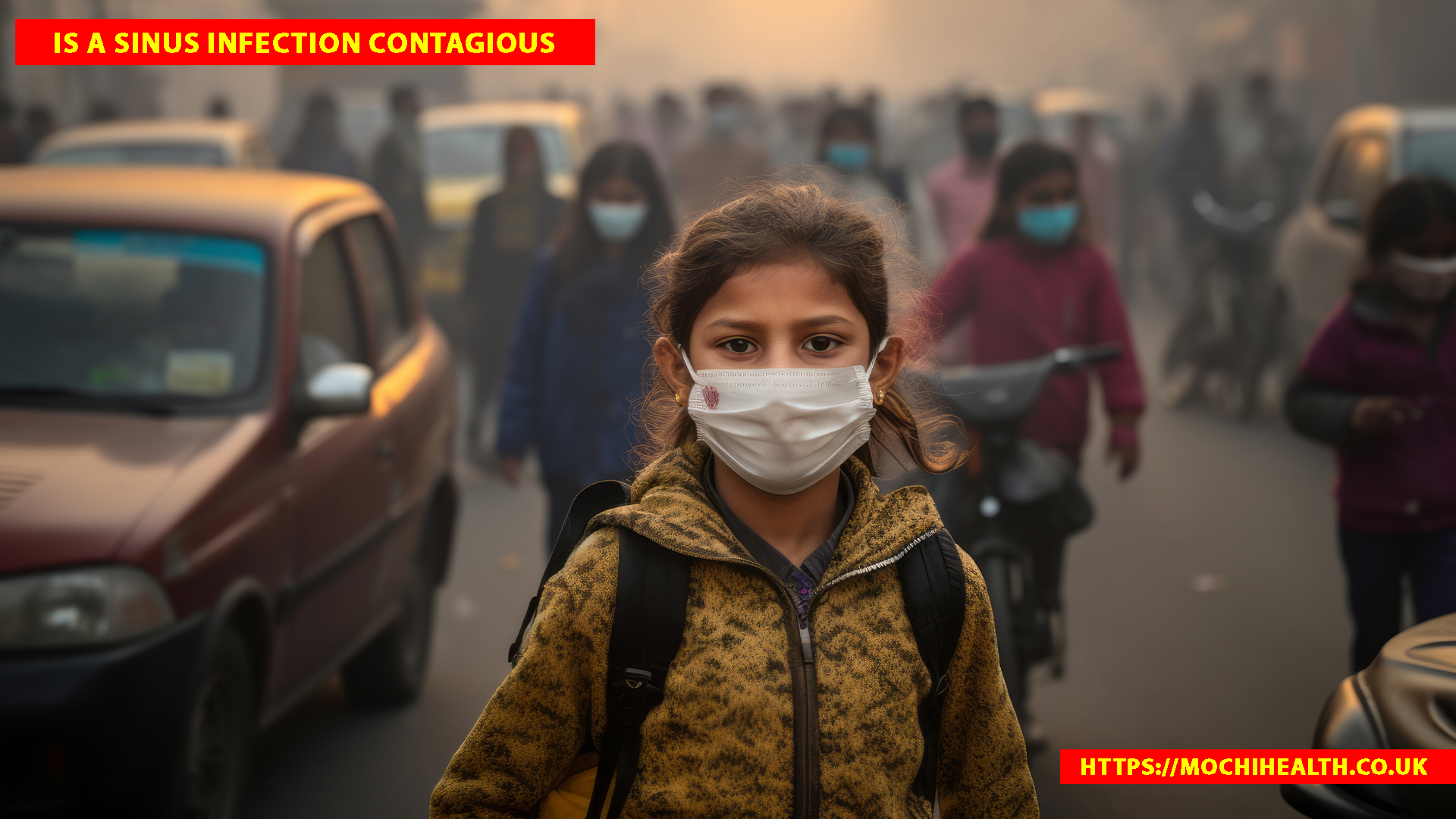
Certain individuals are more likely to experience sinus infections or transmit viruses associated with them.
Children
Children are prone to viral sinus infections due to frequent exposure in schools and underdeveloped immune systems. Viral sinus infections in children are more likely to be contagious.
Adults with Weakened Immune Systems
Adults with conditions such as diabetes, HIV, or autoimmune disorders are more susceptible to severe sinus infections. These individuals may also be more vulnerable to catching viral infections from others.
People with Allergies
Allergies can cause chronic inflammation of the sinuses, creating a favorable environment for bacterial or fungal infections. While allergies themselves are not contagious, they can exacerbate infection risk.
How Sinus Infections Spread
Understanding the modes of transmission helps address the question is a sinus infection contagious.
Airborne Transmission
Viral sinus infections can spread through the air when an infected person coughs or sneezes. Droplets containing the virus may enter another person’s respiratory tract.
Direct Contact
Touching contaminated surfaces such as doorknobs, utensils, or phones and then touching the nose or mouth can transmit viruses.
Secondary Infections
A person with a viral sinus infection may develop a secondary bacterial infection, which is less contagious. However, careful hygiene is necessary to prevent the spread of initial viral infections.
Preventive Measures Against Contagion

Preventing the spread of sinus infections involves a combination of hygiene practices, environmental control, and lifestyle adjustments.
Personal Hygiene Practices
-
Frequent handwashing with soap and water
-
Using tissues when coughing or sneezing
-
Avoiding touching the face, nose, or eyes
Environmental Controls
-
Regularly cleaning high-touch surfaces
-
Using air purifiers to reduce airborne particles
-
Avoiding close contact with infected individuals
Lifestyle Adjustments
-
Maintaining a healthy diet to support immunity
-
Adequate sleep and stress management
-
Staying hydrated to keep sinuses moist
Treatment Options for Sinus Infections
Treatment varies depending on the cause and severity of the infection.
Home Remedies
-
Warm compresses to relieve facial pain
-
Saline nasal irrigation to clear mucus
-
Steam inhalation to reduce congestion
Medications
-
Over-the-counter pain relievers and decongestants
-
Antibiotics for confirmed bacterial sinus infections
-
Antifungal medications for rare fungal infections
When to Seek Professional Help
-
Persistent symptoms beyond 10–14 days
-
Severe facial pain or swelling
-
High fever or vision problems
Complications of Untreated Sinus Infections
Ignoring sinus infections can lead to complications such as:
-
Chronic sinusitis
-
Spread of infection to the eyes or brain
-
Development of asthma-like symptoms
-
Secondary bacterial infections
Prompt medical attention reduces the risk of serious complications.
Common Myths About Sinus Infection Contagion
-
Myth 1: All sinus infections are contagious.
Fact: Only viral sinus infections are typically contagious. -
Myth 2: Sharing utensils spreads sinus infections.
Fact: Viral infections may spread this way, but bacterial or fungal infections rarely do. -
Myth 3: Sinus infections always require antibiotics.
Fact: Viral sinus infections do not benefit from antibiotics.
Conclusion
In summary, the question is a sinus infection contagious depends on the underlying cause. Viral sinus infections are contagious and can spread through airborne droplets or direct contact, while bacterial and fungal sinus infections are typically not contagious. Recognizing symptoms, understanding risk factors, and practicing good hygiene are crucial steps in preventing transmission. Proper treatment, whether home remedies, medications, or medical intervention, ensures quick recovery and minimizes complications.
By understanding the nature of sinus infections, individuals can make informed decisions about prevention and care, reducing the risk to themselves and others.
FAQs
1. Can I catch a sinus infection from someone else?
Yes, viral sinus infections can be contagious, especially through close contact or shared surfaces.
2. Are bacterial sinus infections contagious?
No, bacterial sinus infections usually develop internally and are not easily transmitted.
3. How long is a sinus infection contagious?
Viral sinus infections are most contagious during the first 3–5 days of symptoms.
4. Can sinus infections lead to more serious health issues?
Yes, untreated sinus infections can cause chronic sinusitis, eye infections, or even infections of the brain in rare cases.
5. What is the best way to prevent spreading a sinus infection?
Frequent handwashing, using tissues, avoiding close contact, and disinfecting surfaces are effective preventive measures.
6. Are sinus infections the same as a cold?
They share similar symptoms, but sinus infections involve inflammation of the sinus cavities and can be bacterial, viral, or fungal.
7. Can allergies cause sinus infections?
Yes, allergies can contribute to sinus inflammation, creating conditions favorable for infection.