

Many people have grown up hearing warnings from parents or teachers: “Stop cracking your knuckles, it will give you arthritis!” But is there any truth to this claim? Is cracking your knuckles bad for you? Or is it simply a harmless habit that millions of people engage in daily? The sound of knuckles cracking is both fascinating and controversial, often sparking debates in social settings and scientific communities alike.
In this comprehensive guide, we will explore the mechanics behind knuckle cracking, examine scientific evidence, bust myths, and discuss potential risks or benefits. By the end, you will have a clear understanding of whether cracking your knuckles is truly harmful or simply a harmless habit.
Understanding Knuckle Cracking
The Anatomy Behind the Crack
To understand whether Is cracking your knuckles bad for you, it is important to first explore the anatomy of your fingers and joints. Knuckles are essentially the joints that connect your fingers to your hand, primarily called the metacarpophalangeal (MCP) joints. These joints are filled with synovial fluid, a slippery substance that lubricates the joints and helps them move smoothly.
When a knuckle is stretched or pulled, the pressure inside the joint decreases rapidly. This sudden drop in pressure causes gases dissolved in the synovial fluid—primarily carbon dioxide—to form bubbles. The bursting of these bubbles produces the characteristic popping or cracking sound.
Interestingly, this cracking sound is not a sign of bone or cartilage damage. In fact, it’s a natural physical phenomenon that occurs in many joints, not just in fingers.
Why People Crack Their Knuckles
People crack their knuckles for various reasons. Some do it out of habit, while others find it satisfying or use it as a way to relieve tension. The act can also create a temporary feeling of increased mobility in the fingers, making hands feel looser and more flexible.
From a psychological standpoint, knuckle cracking can serve as a form of stress relief. Similar to other nervous habits like hair-twirling or nail-biting, it may provide a calming effect by redirecting mental focus.
Historical Beliefs About Knuckle Cracking

The fear that knuckle cracking leads to long-term joint damage has existed for decades. Parents have often warned children that habitual knuckle cracking could result in arthritis, swelling, or weakness in the hands. Some early studies seemed to suggest links between frequent knuckle cracking and joint issues, leading to widespread cautionary advice.
Despite these longstanding beliefs, many of these warnings were based on anecdotal evidence rather than rigorous scientific studies. The idea that cracking your knuckles is bad for you became part of popular culture, influencing social behavior more than medical understanding.
Scientific Studies on Knuckle Cracking
Early Research and Misconceptions
In the early 20th century, research on knuckle cracking was limited and often inconclusive. Many medical textbooks warned that habitual knuckle cracking could accelerate joint degeneration. However, these claims lacked experimental evidence and were largely speculative.
The myth linking knuckle cracking to arthritis persisted, partly due to observational bias. People who had arthritis might coincidentally have cracked their knuckles in the past, but this correlation did not imply causation.
Modern Scientific Insights
Modern studies have provided more clarity. In 1990, Dr. Donald Unger conducted a unique 50-year experiment where he cracked the knuckles of his left hand at least twice daily while leaving his right hand untouched. At the end of the experiment, neither hand showed signs of arthritis, effectively challenging the long-held belief that cracking your knuckles is bad for you.
Subsequent studies have confirmed that knuckle cracking does not appear to increase the risk of arthritis. While some minor swelling or reduced grip strength may occur in extremely habitual cases, no definitive evidence links knuckle cracking with serious joint damage.
Common Myths Surrounding Knuckle Cracking
Myth 1: It Causes Arthritis
One of the most pervasive myths is that habitual knuckle cracking leads to arthritis. As discussed, scientific evidence does not support this claim. Arthritis is primarily caused by genetic factors, aging, and joint injuries rather than the mechanical act of cracking knuckles.
Myth 2: It Weakens Your Hands
While excessive knuckle cracking may slightly irritate the soft tissues around joints, it does not inherently weaken hand strength. Regular exercise and hand conditioning have a much more significant impact on hand functionality than knuckle cracking.
Myth 3: It Leads to Joint Deformities
Similarly, there is no conclusive evidence that knuckle cracking causes visible deformities or bone misalignment. The bubbles formed in the synovial fluid temporarily expand the joint capsule, but this is a reversible and harmless process.
Potential Risks of Knuckle Cracking
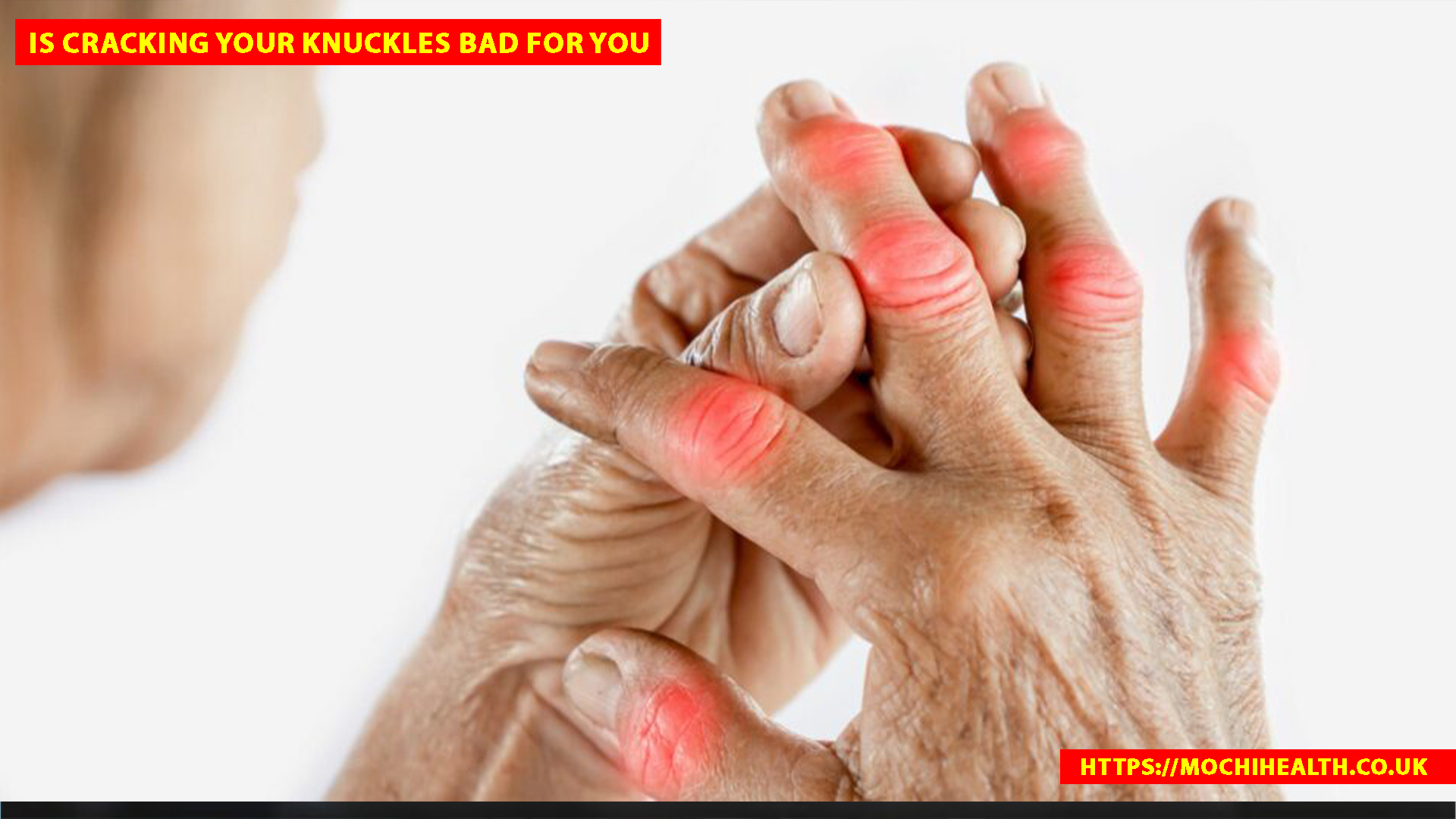
Even though knuckle cracking is generally considered safe, there are a few potential risks worth noting.
Joint Damage Concerns
Excessive force or aggressive cracking could irritate ligaments or surrounding tissues. Over time, some individuals might experience minor swelling, tenderness, or a feeling of joint instability. These cases are rare and usually associated with forceful or compulsive behavior rather than casual knuckle cracking.
Arthritis Myths Debunked
As mentioned earlier, there is no scientific evidence linking knuckle cracking to arthritis. Long-term studies have consistently shown that people who crack their knuckles do not have higher rates of arthritis than those who do not.
Other Possible Effects
In extremely rare cases, forceful knuckle cracking has been associated with ligament injuries or dislocation of finger joints. However, these occurrences are exceptional and usually result from improper technique or underlying joint conditions.
Psychological and Habitual Aspects
Stress Relief and Habitual Behavior
Many people crack their knuckles as a stress-relieving mechanism. The sound and sensation can provide temporary comfort, similar to stretching or other minor repetitive movements. This psychological benefit explains why knuckle cracking is a prevalent habit across different age groups.
Knuckle Cracking as a Nervous Habit
For some individuals, knuckle cracking becomes a habitual nervous behavior. It may occur during stressful situations, moments of boredom, or as a subconscious fidgeting mechanism. While harmless for the most part, understanding the habit can help reduce excessive repetition if desired.
Alternatives to Knuckle Cracking
If knuckle cracking is a compulsive habit or causes concern, there are alternative ways to relieve tension and maintain hand mobility:
-
Stretching Exercises: Regular hand and finger stretches can improve flexibility and reduce stiffness.
-
Stress-Relief Techniques: Deep breathing, meditation, or hand massages can provide similar relaxation benefits.
-
Occupational Tools: Stress balls, therapy putty, or finger exercisers can occupy the hands without resorting to cracking.
These alternatives are especially useful for individuals who experience discomfort, swelling, or joint pain.
When to Seek Medical Advice
While habitual knuckle cracking is generally safe, medical consultation is recommended if you experience:
-
Persistent pain or swelling in the fingers
-
Reduced hand strength or mobility
-
Frequent locking or catching of joints
-
Suspected ligament or tendon injury
A healthcare professional can assess the joint health, rule out underlying conditions, and recommend appropriate treatment or therapy.
Conclusion
So, iIs cracking your knuckles bad for you? Based on modern scientific evidence, the answer is no for most people. Knuckle cracking is largely harmless and does not cause arthritis, joint deformities, or long-term damage. While excessive or aggressive cracking may cause minor irritation, casual knuckle cracking is a natural and common habit.
Understanding the anatomy behind knuckle cracking and separating myths from facts can help reduce unnecessary worry. Whether you crack your knuckles out of habit, stress relief, or curiosity, it is unlikely to have negative long-term effects on your joint health.
In summary, cracking your knuckles is generally safe, and the occasional pop of your fingers is more about personal comfort than medical risk.
FAQs
1. Does knuckle cracking increase the risk of arthritis?
No. Studies show no significant link between knuckle cracking and arthritis. Genetics and joint injuries are more relevant factors.
2. Why do knuckles make a popping sound?
The sound comes from bubbles forming and collapsing in the synovial fluid inside the joints.
3. Can cracking your knuckles weaken your hands?
No, casual knuckle cracking does not weaken hand strength. Overuse or aggressive cracking may cause minor irritation.
4. How often is knuckle cracking safe?
There is no strict limit, but occasional cracking is generally safe. Excessive or forceful cracking may lead to minor tissue irritation.
5. Are there benefits to cracking your knuckles?
Some people find it provides temporary relief of tension and a sense of joint mobility.
6. Should I stop cracking my knuckles if it bothers others?
While harmless, it may be courteous to minimize knuckle cracking in social or professional settings.
7. When should I see a doctor about knuckle issues?
Seek medical advice if you experience persistent pain, swelling, or joint instability.