

The question “does root canal hurt” is one of the most frequently asked by patients who experience severe tooth pain. Root canal treatment has long had a reputation for being painful, which often leads people to delay or avoid it. However, modern dental procedures have significantly reduced discomfort, making this treatment far less intimidating than popularly believed.
This article will provide a comprehensive understanding of root canal treatment, address the concerns about pain, and explain how modern dentistry ensures comfort during the procedure. By the end, you will have a clear picture of what to expect and why avoiding treatment can sometimes lead to more pain than the procedure itself.
Understanding Root Canal Treatment
What is a Root Canal?
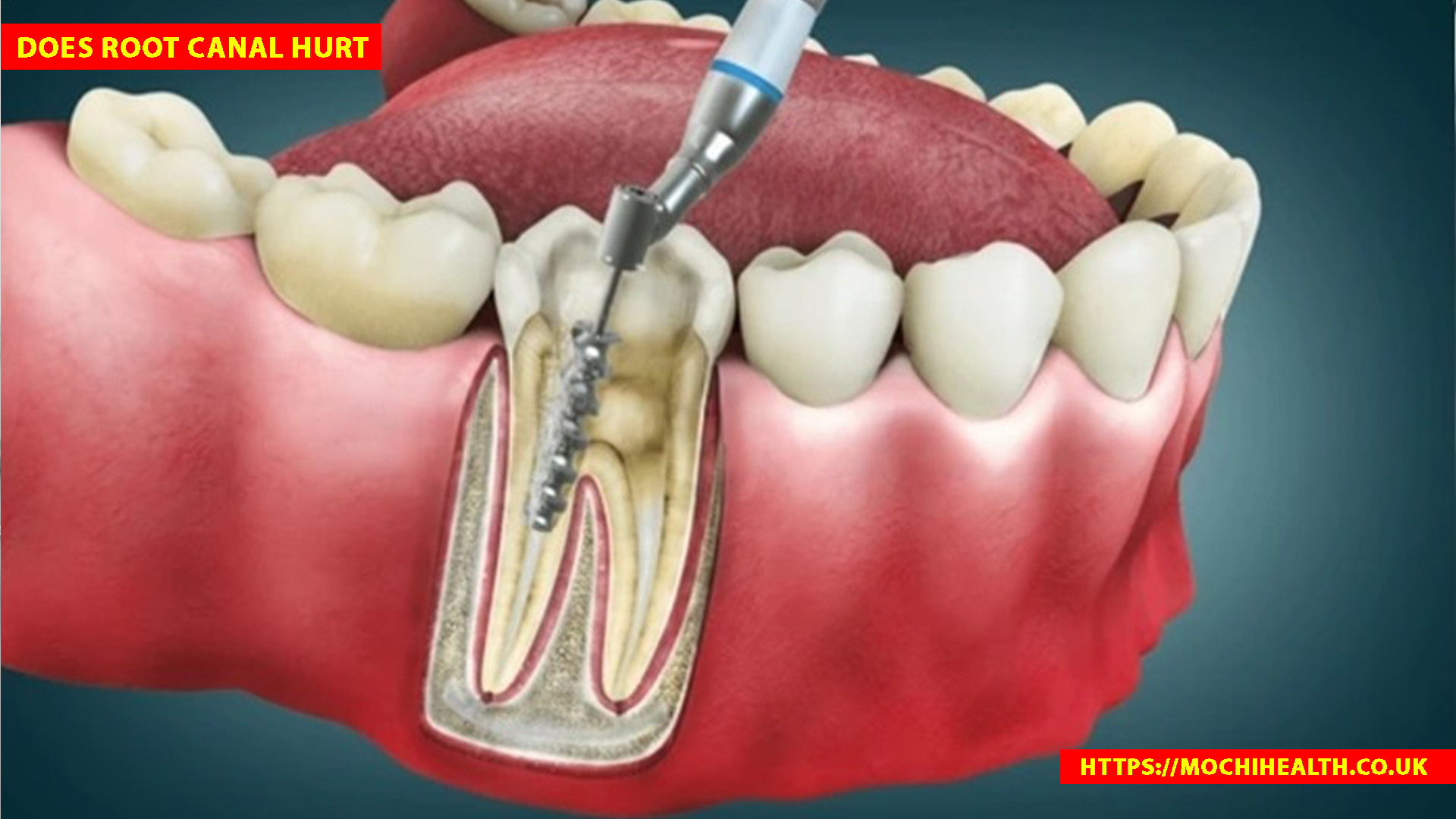
A root canal is a dental procedure designed to treat infection or damage within the pulp of a tooth. The pulp contains nerves, blood vessels, and connective tissue, and when it becomes infected, it can cause severe pain or abscess formation. The treatment involves removing the infected pulp, cleaning the canal, and sealing it to prevent further infection.
Root canal therapy is often essential for saving a tooth that might otherwise need extraction. Despite its reputation, modern root canals are generally no more painful than having a filling placed.
Why is Root Canal Necessary?
Root canal treatment becomes necessary when the tooth pulp is inflamed or infected due to:
-
Deep decay or cavities
-
Repeated dental procedures on the same tooth
-
Cracks or chips exposing the pulp
-
Trauma to the tooth
Without treatment, the infection can spread to surrounding tissues, causing swelling, abscess, and more severe health problems. Therefore, understanding that root canals are a preventive measure against further pain is crucial.
Does Root Canal Hurt? Debunking Myths
Pain During the Procedure
Many people fear the pain associated with root canal treatment, but advancements in dental anesthesia make the procedure virtually painless. The dentist typically administers local anesthesia to numb the affected area, which ensures that most patients feel little to no discomfort.
In some cases, a mild pressure or vibration may be felt while the dentist removes the infected pulp and shapes the canal. It’s important to communicate with your dentist during the procedure so adjustments can be made to minimize any discomfort.
Pain After the Procedure
After the anesthesia wears off, it is normal to experience some soreness or mild pain around the treated tooth. This post-treatment pain usually peaks within the first 24–48 hours and gradually decreases. Over-the-counter pain relievers and proper care are typically sufficient to manage this discomfort.
It is worth noting that the pain after the procedure is generally much less than the pain experienced from an untreated infected tooth. Therefore, delaying the treatment often results in more intense and prolonged pain.
Factors That Affect Pain During Root Canal
Several factors influence whether a root canal procedure will be uncomfortable:
Severity of Infection
Teeth with extensive infection or abscesses may be more sensitive, leading to increased discomfort during treatment. However, dentists often pre-treat these infections with antibiotics or numbing techniques to minimize pain.
Dental Anxiety
Fear and anxiety can heighten the perception of pain. Patients who are nervous about dental procedures may experience more discomfort even with anesthesia. Techniques like deep breathing, distraction, or sedation dentistry can help reduce anxiety and pain perception.
Dentist’s Technique and Experience
The skill and experience of the dentist performing the root canal significantly affect comfort levels. Experienced dentists use gentle techniques, precise instruments, and advanced technology to make the procedure smoother and less painful.
How Modern Dentistry Reduces Pain
Use of Local Anesthesia
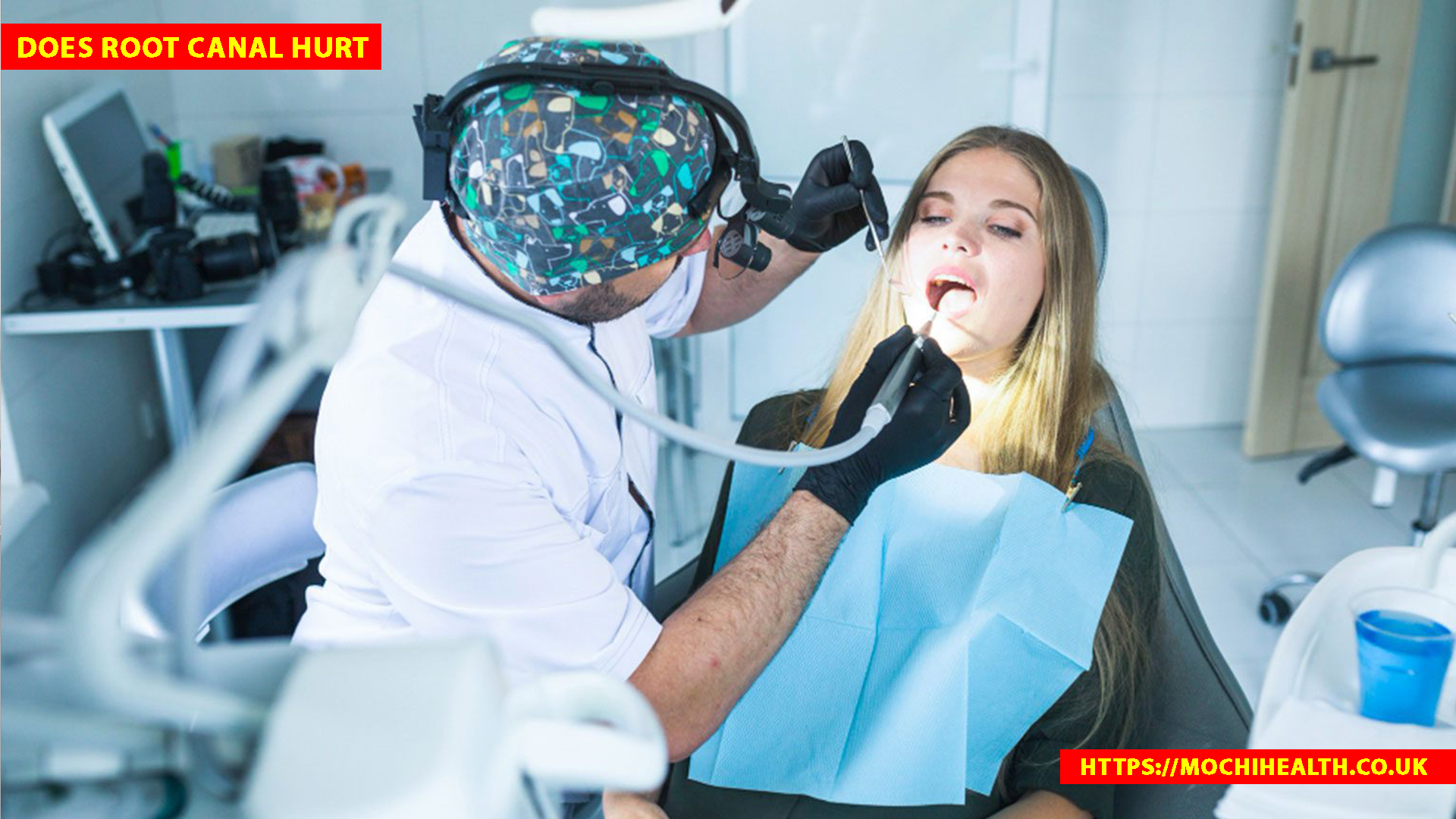
Local anesthesia is highly effective in numbing the affected tooth and surrounding tissue. Modern anesthetics work quickly and last long enough to complete the procedure without discomfort. Patients often report feeling pressure rather than pain, which is far more tolerable.
Advanced Dental Tools and Technology
Today’s dental clinics use rotary instruments, digital imaging, and magnification tools to perform root canals more efficiently and accurately. These tools reduce procedure time, trauma to the surrounding tissue, and discomfort during treatment.
Sedation Dentistry
For patients with severe dental anxiety or complex procedures, sedation options like nitrous oxide (laughing gas) or oral sedation are available. These methods make the patient relaxed, calm, and less sensitive to discomfort.
Post-Treatment Care and Pain Management
Pain Relief Options
After the procedure, mild pain or tenderness is normal. Over-the-counter pain relievers such as ibuprofen or acetaminophen are usually sufficient. In cases of more discomfort, dentists may prescribe stronger medications.
Diet and Oral Hygiene After Treatment
Maintaining proper oral hygiene is crucial for healing. Patients are advised to:
-
Avoid hard or sticky foods for a few days
-
Rinse with warm saltwater to reduce inflammation
-
Brush and floss gently around the treated area
Proper care reduces complications and promotes faster recovery, ensuring that post-treatment pain is minimal.
Signs That You May Need a Root Canal
Recognizing the symptoms early can prevent severe pain and complications:
Persistent Toothache
A consistent, throbbing toothache is one of the most common indicators that a root canal may be necessary. The pain can be spontaneous or triggered by pressure or chewing.
Sensitivity to Temperature
Heightened sensitivity to hot or cold foods and beverages often signals pulp damage. The pain may linger even after removing the stimulus, suggesting the need for treatment.
Swelling and Gum Issues
Swollen gums, pus formation, or tenderness near the affected tooth indicate infection. Ignoring these signs may lead to more severe discomfort and complications.
Risks and Complications
While modern root canals are generally safe, some risks exist:
-
Infection if the canal is not completely cleaned
-
Tooth fracture if the tooth is weak or brittle
-
In rare cases, prolonged pain or inflammation
Consulting a skilled dentist and following post-treatment instructions significantly reduces these risks.
Conclusion
So, does root canal hurt? The answer is that modern root canal treatments are typically no more painful than a dental filling. Most patients experience minimal discomfort during the procedure due to effective anesthesia, advanced tools, and professional techniques. Post-treatment soreness is usually temporary and manageable.
Root canals are crucial for saving infected teeth and preventing severe dental issues. Delaying treatment often leads to more pain and complications than the procedure itself. By understanding what to expect, practicing proper dental hygiene, and communicating openly with your dentist, you can experience a comfortable and successful root canal treatment.
FAQs
1. Does root canal hurt more than a tooth extraction?
No, most patients find root canals less painful than tooth extraction because anesthesia is effective and the procedure preserves the tooth.
2. How long does pain last after a root canal?
Mild soreness usually lasts 1–3 days and gradually decreases. Severe pain lasting longer may require a follow-up with your dentist.
3. Can I avoid a root canal by taking antibiotics?
Antibiotics may reduce infection temporarily but do not treat the underlying pulp damage. A root canal is usually necessary to save the tooth.
4. Is the procedure different for front teeth and molars?
Yes, molars often have multiple canals, making the procedure slightly longer, but pain management remains effective for all teeth.
5. Will I need a crown after a root canal?
Most teeth treated with root canals require a crown to restore strength and function, especially molars.
6. Can root canals fail?
While rare, root canals can fail due to untreated canals, re-infection, or fractures. Regular dental check-ups help detect problems early.
7. How can I reduce anxiety before a root canal?
Techniques include deep breathing, sedation options, listening to music, and discussing fears with your dentist.