

Sinus infections, medically known as sinusitis, are one of the most common ailments affecting millions of people worldwide. They can cause significant discomfort, including nasal congestion, facial pain, headaches, and fatigue. One of the most common concerns for individuals suffering from a sinus infection is whether it can spread to others. Understanding the nature of sinus infections and their contagious potential is crucial for managing symptoms effectively and protecting loved ones from infection.
In this article, we’ll dive deep into everything you need to know about is a sinus infection contagious, including causes, types, symptoms, risk factors, prevention, and treatment strategies. By the end, you’ll have a clear understanding of when you should take precautions and how to manage sinus infections safely.
What is a Sinus Infection?
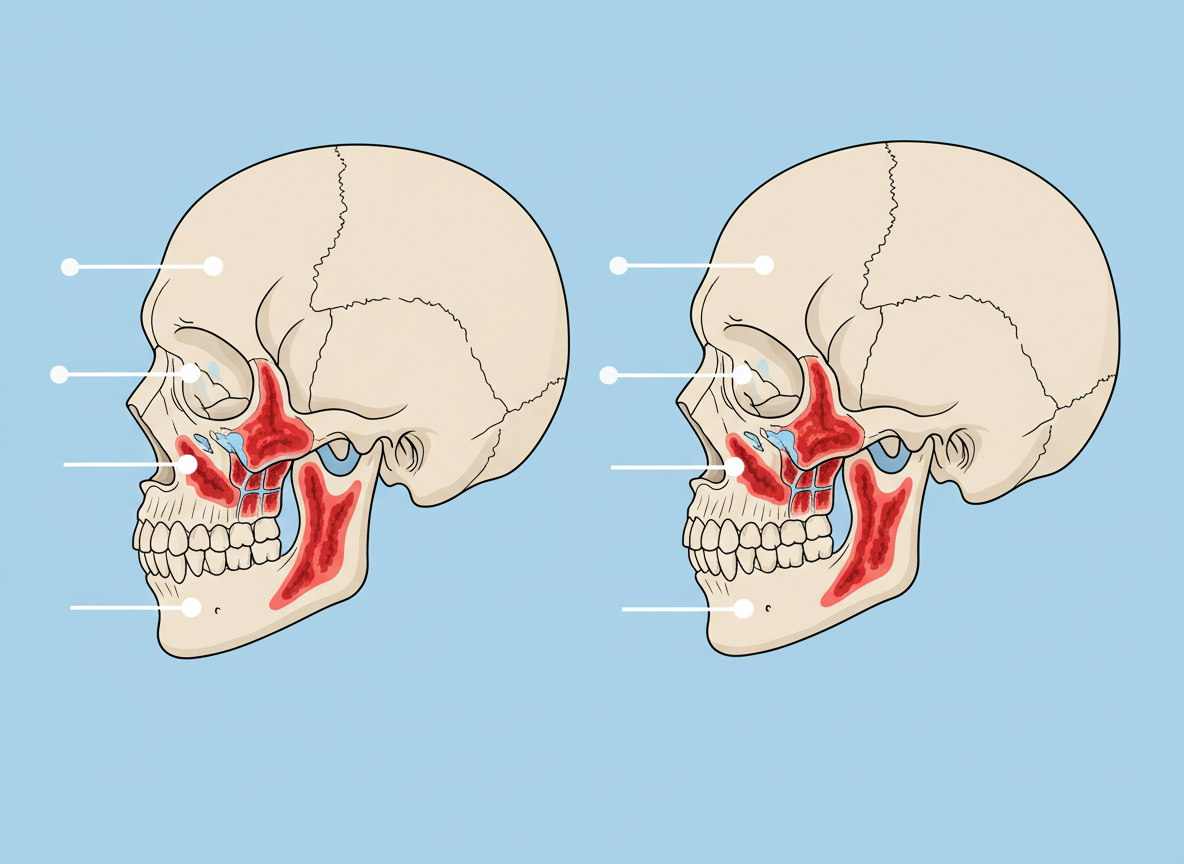
A sinus infection occurs when the tissue lining the sinuses becomes inflamed. The sinuses are hollow cavities located around the nose, eyes, and forehead. Their primary function is to produce mucus that keeps the nasal passages moist and traps dust, bacteria, and other pathogens.
When the sinuses become blocked due to inflammation or infection, mucus accumulates, leading to swelling and discomfort. Sinus infections can last for a few days to several weeks, depending on the cause and severity.
Types of Sinus Infections
Sinus infections can be categorized based on their duration and cause:
1. Acute Sinusitis
Acute sinusitis is usually caused by viral infections such as the common cold. Symptoms last less than four weeks and may include nasal congestion, facial pressure, and watery nasal discharge.
2. Chronic Sinusitis
Chronic sinusitis lasts more than 12 weeks and is often linked to structural issues in the nasal passages or persistent infections. It can be bacterial, fungal, or result from prolonged inflammation.
3. Subacute Sinusitis
This type lasts 4–12 weeks and is a transitional stage between acute and chronic sinusitis.
4. Recurrent Sinusitis
Recurrent sinusitis occurs when a person experiences multiple acute sinus infections within a year.
Causes of Sinus Infections
Sinus infections can develop due to multiple factors, including:
-
Viral Infections: The most common cause of sinusitis is a virus, often associated with a cold or flu.
-
Bacterial Infections: Bacteria can invade the sinuses when the nasal passages are blocked.
-
Fungal Infections: Rare but more common in individuals with weakened immune systems.
-
Allergies: Allergic reactions can trigger inflammation and increase the risk of sinus infections.
-
Environmental Factors: Pollution, smoke, and other irritants can contribute to sinus inflammation.
-
Structural Issues: Deviated septum or nasal polyps can obstruct sinus drainage, leading to infections.
Symptoms of Sinus Infections
Recognizing sinus infection symptoms early can help prevent complications. Common symptoms include:
-
Nasal congestion and blockage
-
Thick nasal discharge (yellow or green)
-
Facial pain or pressure around the eyes, forehead, and cheeks
-
Headaches
-
Fever (more common in bacterial infections)
-
Fatigue
-
Coughing, especially at night
-
Loss of smell or taste
It’s important to note that viral sinus infections often resolve on their own, while bacterial infections may require medical treatment.
Is a Sinus Infection Contagious?
This is one of the most frequently asked questions. The answer depends on the underlying cause of the sinus infection.
Short Answer: Not all sinus infections are contagious.
Contagious vs. Non-Contagious Sinus Infections
1. Viral Sinus Infections:
These are contagious, as they are caused by viruses like the common cold or influenza. People can spread the infection through:
-
Airborne droplets when coughing or sneezing
-
Direct contact with contaminated surfaces, followed by touching the nose or mouth
2. Bacterial Sinus Infections:
Bacterial sinus infections are generally not Is a Sinus Infection Contagious. They usually develop as a secondary infection after a viral infection or due to blocked sinuses.
3. Fungal Sinus Infections:
Fungal sinus infections are rare and not contagious under normal circumstances. They mostly affect immunocompromised individuals.
How Sinus Infections Spread
If the sinus infection is viral, the virus can spread in several ways:
-
Sneezing and Coughing: Tiny droplets can transmit the virus to others.
-
Close Contact: Shaking hands or hugging can spread germs if followed by touching the face.
-
Shared Objects: Towels, utensils, or tissues can carry viral particles.
It’s crucial to maintain good hygiene and avoid close contact with others during the contagious period.
Risk Factors That Increase Contagion
Certain factors can increase the risk of spreading a viral sinus infection:
-
Weak immune system
-
Exposure to crowded places
-
Smoking or exposure to secondhand smoke
-
Existing respiratory conditions, such as asthma or chronic bronchitis
-
Poor hygiene practices
Being aware of these risk factors can help you take extra precautions to prevent transmission.
Prevention Tips
Preventing the spread of sinus infections, particularly viral ones, involves several simple steps:
-
Wash Hands Frequently: Use soap and water for at least 20 seconds.
-
Avoid Touching Your Face: This reduces the chance of transferring viruses from surfaces to your nose or mouth.
-
Use Tissues: Dispose of tissues immediately after use.
-
Cover Coughs and Sneezes: Use a tissue or elbow to block droplets.
-
Avoid Close Contact: Stay away from people if you have a viral sinus infection.
-
Maintain Clean Surfaces: Regularly disinfect frequently touched objects.
Treatment Options
Treatment depends on the type and severity of the sinus infection.
Home Remedies
-
Hydration: Drink plenty of fluids to thin mucus.
-
Steam Inhalation: Helps open sinus passages.
-
Saline Nasal Spray: Cleanses the nasal cavity.
-
Rest: Supports immune system recovery.
-
Warm Compress: Relieves facial pain and pressure.
Medical Treatments
-
Antibiotics: Prescribed only for bacterial sinus infections.
-
Decongestants: Reduce swelling and relieve congestion.
-
Antihistamines: Useful for sinus infections caused by allergies.
-
Nasal Corticosteroids: Reduce inflammation in chronic sinusitis cases.
When to See a Doctor
Seek medical attention if you experience:
-
Severe headache or facial pain
-
Fever over 101°F (38.3°C)
-
Symptoms lasting more than 10 days
-
Vision changes or swelling around the eyes
-
Recurrent sinus infections
Early treatment can prevent complications and promote faster recovery.
Conclusion
Understanding whether Is a Sinus Infection Contagious is essential for effective management and prevention. Viral sinus infections can spread to others, while bacterial and fungal infections are generally non-contagious. By recognizing symptoms early, maintaining good hygiene, and seeking timely treatment, you can protect yourself and your loved ones from the discomfort and complications of sinus infections.
Remember, prevention is always better than cure. Simple measures such as handwashing, avoiding close contact, and staying hydrated can make a significant difference in reducing the risk of spreading sinus infections.
FAQs
1. Can I go to work with a sinus infection?
If it’s viral and you have severe symptoms, it’s better to stay home to prevent spreading the infection.
2. How long is a sinus infection contagious?
Viral sinus infections are usually contagious for 5–7 days after symptoms begin.
3. Can sinus infections lead to more serious illnesses?
Yes, untreated sinus infections can lead to complications such as ear infections or, rarely, brain infections.
4. Are antibiotics always necessary for sinus infections?
No. Antibiotics are effective only for bacterial sinus infections, not viral ones.
5. Can children get sinus infections easily?
Yes, children are more susceptible due to weaker immune systems and frequent exposure to viruses in schools or daycare.