

Have you ever noticed that everything you eat seems excessively salty, even foods that normally don’t contain much salt? This strange experience can be more than just a quirky taste anomaly; it can indicate underlying dietary, medical, or lifestyle factors that affect your sense of taste.
Understanding why does everything taste salty is essential because persistent salty taste can affect your appetite, nutrition, and overall health. In this article, we will explore the scientific, medical, and lifestyle reasons behind this phenomenon and provide practical solutions for managing it.
What Causes Food to Taste Salty?
A sudden or persistent perception that all foods taste saltier than usual can have multiple causes. These causes can be grouped into dietary, physiological, or medical categories.
Excess Sodium in Food
One of the simplest explanations is that your meals contain more sodium than your taste buds are accustomed to. Processed foods, canned products, and restaurant meals are notorious for high salt content. When sodium levels exceed the palate’s tolerance, your brain interprets foods as overly salty.
Tips to reduce sodium intake:
-
Opt for fresh, unprocessed foods.
-
Use herbs and spices for flavor instead of salt.
-
Read nutrition labels carefully.
Dehydration and Electrolyte Imbalance
Dehydration can lead to an imbalance of electrolytes, including sodium, potassium, and chloride. This imbalance often manifests as a Why Does Everything Taste Salty in the mouth, dry lips, and sometimes even headaches or dizziness.
Signs of dehydration:
-
Dark urine
-
Dry skin and mouth
-
Fatigue
Solution: Increase water intake and consider electrolyte-rich drinks if necessary.
Medical Conditions Affecting Taste
Certain medical conditions can alter the way your taste buds perceive salt. These include:
-
Sinus infections or chronic congestion, which interfere with smell and indirectly alter taste.
-
GERD (acid reflux), which can bring stomach acids into the mouth, producing a salty or metallic taste.
-
Diabetes or other metabolic disorders, which may influence taste perception.
Medication Side Effects
Many medications list altered taste or metallic/salty taste as a side effect. Some common culprits are:
-
Antibiotics (e.g., clarithromycin)
-
Blood pressure medications (e.g., ACE inhibitors)
-
Chemotherapy drugs
Always check medication leaflets and consult a doctor if you notice persistent taste changes.
Taste Perception and How Saltiness Works
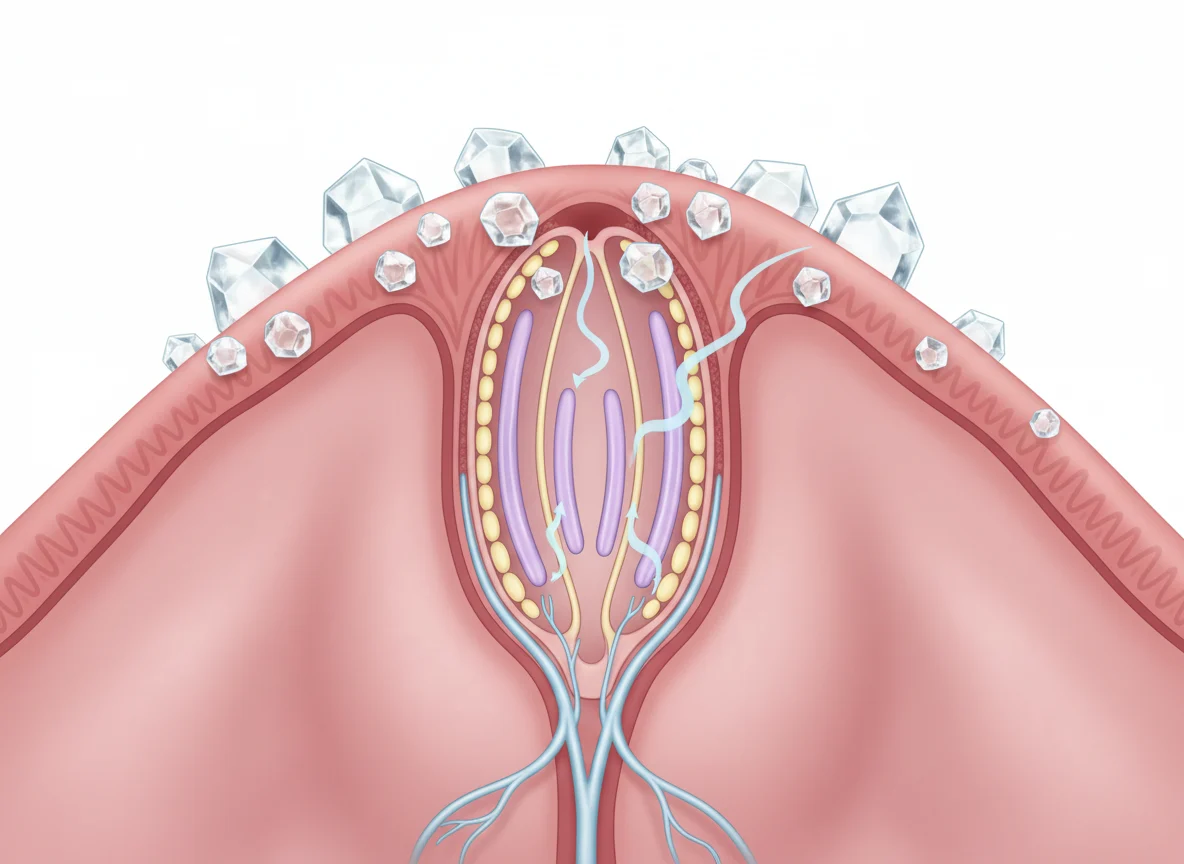
To understand why everything tastes salty, it helps to know how taste works.
The Science of Taste Buds
Your tongue contains taste buds, small sensory organs that detect five primary tastes: sweet, salty, sour, bitter, and umami. Each taste bud contains receptor cells that communicate with the brain to interpret flavors.
-
Saltiness is primarily detected by sodium ions that trigger signals to your brain.
-
If these receptors are over-stimulated or damaged, your perception of salt can be heightened.
How Salt Affects Taste Perception
When you consume high-sodium foods or experience dehydration, your taste buds may become hypersensitive, making even mildly salted foods taste overly salty.
Other factors include:
-
Age – Taste perception diminishes with age but can become inconsistent.
-
Illness – Fever, cold, or sinus infections can temporarily distort taste.
Common Medical Causes of a Persistent Salty Taste
If you notice that everything tastes salty for weeks or months, it may indicate an underlying medical condition.
Dry Mouth (Xerostomia)
Dry mouth reduces saliva, which is necessary to dissolve food particles for taste detection. When saliva production decreases, salt and other flavors become concentrated, creating an exaggerated salty sensation.
Causes of dry mouth:
-
Medication side effects
-
Sjogren’s syndrome
-
Dehydration
Respiratory Infections
Sinus infections, colds, or allergies can affect your sense of smell, which is closely linked to taste. The brain may interpret certain flavors as saltier due to disrupted smell signals.
Gastroesophageal Reflux Disease (GERD)
Acid reflux brings stomach acids up into the mouth, sometimes producing a salty or metallic taste. Chronic reflux may irritate taste buds, making them more sensitive to salt.
Neurological Issues
The nervous system plays a crucial role in taste perception. Conditions affecting nerves or the brain, such as stroke or Bell’s palsy, may cause taste distortion, including salty sensations.
Medications That Can Make Everything Taste Salty
Several medications are known to alter taste perception, including:
-
ACE inhibitors (used for high blood pressure)
-
Lithium (used for bipolar disorder)
-
Metronidazole (an antibiotic)
If you experience a sudden salty taste after starting a new medication, consult your doctor to discuss alternatives.
Lifestyle Factors That Influence Salt Taste
Sometimes, everyday habits can make foods taste saltier than usual.
Hydration Levels
Drinking insufficient water concentrates electrolytes in your mouth, producing a salty taste. Regular hydration helps maintain normal taste perception.
Smoking and Alcohol
Both smoking and excessive alcohol can damage taste buds and oral tissues, altering taste perception and enhancing salty sensations.
Dietary Habits
A diet high in processed foods may train your taste buds to expect more salt, making natural foods taste bland—or paradoxically salty if your sodium levels fluctuate.
How to Correct or Reduce a Salty Taste in Food
If you are experiencing persistent saltiness, here are practical solutions:
Hydration and Electrolytes
-
Drink water consistently throughout the day.
-
Use oral rehydration solutions if you are dehydrated.
-
Include foods rich in potassium (bananas, spinach) to balance electrolytes.
Oral Hygiene
-
Brush and floss regularly to remove food residues.
-
Use mouthwash to maintain a neutral oral environment.
-
Chewing sugar-free gum can stimulate saliva production.
Adjusting Food Preparation
-
Rinse canned foods to reduce sodium content.
-
Use herbs, spices, or lemon juice instead of salt for flavor.
-
Gradually reduce added salt to retrain your taste buds.
When to See a Doctor
Consult a healthcare professional if:
-
The salty taste persists for more than two weeks.
-
You notice additional symptoms like dry mouth, dizziness, or nausea.
-
You are on medications known to affect taste.
-
There is sudden change in taste accompanied by neurological symptoms.
Conclusion
A persistent perception that everything tastes salty can result from multiple factors, including dietary habits, dehydration, medications, and medical conditions. By understanding the underlying causes, you can take practical steps to restore normal taste perception, such as staying hydrated, adjusting your diet, practicing good oral hygiene, and consulting a healthcare professional when necessary.
Recognizing the issue early is key to preventing nutritional deficiencies and improving overall quality of life.
Frequently Asked Questions (FAQs)
Q1: Why does everything taste salty suddenly?
A: Sudden salty taste can be caused by medications, dehydration, sinus infections, or reflux disease. Identifying the underlying factor is crucial.
Q2: Can dehydration make food taste saltier?
A: Yes, dehydration leads to electrolyte imbalance, which can heighten the perception of salt in foods.
Q3: Can medications cause salty taste?
A: Certain medications like ACE inhibitors, antibiotics, and chemotherapy drugs can alter taste and make food taste saltier.
Q4: How can I reduce the salty taste in my mouth?
A: Hydrate regularly, practice good oral hygiene, reduce sodium intake, and consult a doctor if the problem persists.
Q5: Is persistent salty taste a sign of serious illness?
A: Sometimes. It may indicate GERD, neurological issues, or chronic infections. If the taste persists or is accompanied by other symptoms, medical evaluation is recommended.