

Jaw pain can be frustrating, confusing, and sometimes alarming—especially when it happens only on one side. If you’ve ever asked yourself, “why does my jaw hurt on one side?”, you’re not alone. This is a very common complaint that affects people of all ages, and the causes can range from simple muscle tension to more complex joint or dental conditions.
This detailed guide explores every possible reason behind one-sided jaw pain, how to recognize symptoms, when to worry, and what you can do to find relief. Whether your discomfort is mild or severe, occasional or constant, understanding the root cause is the first step toward proper treatment.
Understanding Jaw Anatomy
Before answering why does my jaw hurt on one side, it helps to understand how the jaw works.
The jaw is connected to the skull by the temporomandibular joint (TMJ), one of the most complex joints in the human body. It allows you to speak, chew, yawn, and move your mouth in multiple directions. Each side of your jaw has its own TMJ, muscles, ligaments, nerves, and blood vessels.
Because so many structures are involved, pain on one side of the jaw can come from muscles, joints, teeth, nerves, or nearby areas like the ears and sinuses.
Why Does My Jaw Hurt on One Side? An Overview
If you’re wondering why does my jaw hurt on one side, the answer isn’t always simple. One-sided jaw pain often occurs when:
-
One TMJ is overworked or inflamed
-
Teeth on one side are damaged or infected
-
Muscles are tense or strained unevenly
-
You chew more on one side
-
You grind your teeth at night
-
There is localized inflammation or infection
Unlike pain affecting both sides, unilateral jaw pain usually points to a localized issue rather than a systemic problem.
Temporomandibular Joint (TMJ) Disorders
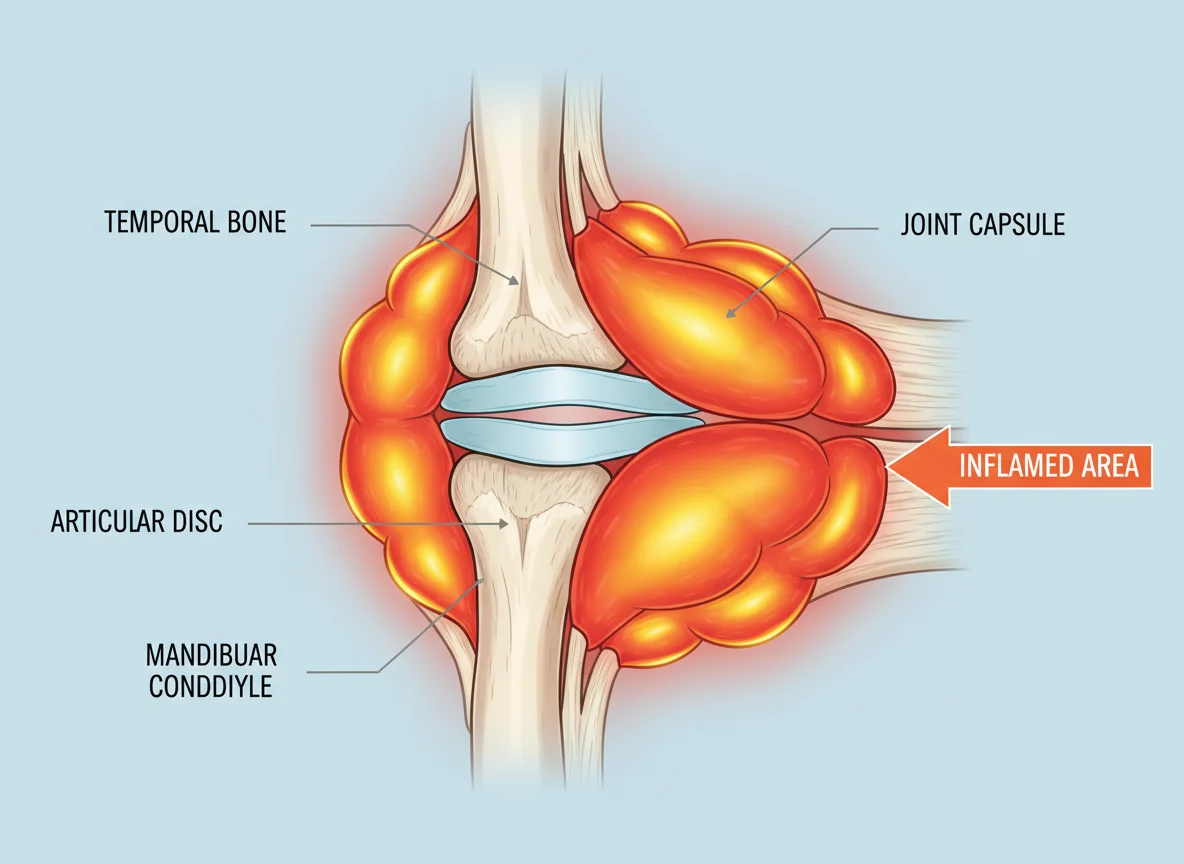
What Is TMJ Disorder?
TMJ disorder is one of the most common answers to the question, “why does my jaw hurt on one side?”
TMJ disorders occur when the joint connecting your jaw to your skull becomes inflamed, misaligned, or damaged.
Symptoms of TMJ Disorder
-
Pain on one side of the jaw
-
Clicking or popping sounds
-
Difficulty opening or closing the mouth
-
Jaw stiffness
-
Facial pain
-
Headaches or earaches
TMJ pain often worsens when chewing, yawning, or talking for long periods.
Teeth and Dental Problems
Tooth Infections and Abscesses
Dental issues are another major reason why your jaw hurts on one side. An infected tooth or abscess can send pain radiating into the jawbone.
Common dental causes include:
-
Cavities
-
Gum disease
-
Tooth abscess
-
Cracked or broken teeth
The pain is often sharp, throbbing, and worsens with pressure.
Impacted Teeth
Impacted or partially erupted teeth—especially wisdom teeth—can cause localized jaw pain, swelling, and tenderness.
Jaw Muscle Strain and Overuse
Muscle Imbalance
Your jaw muscles can become strained if one side is used more than the other. This often happens if you:
-
Chew mostly on one side
-
Favor one side due to dental discomfort
-
Have misaligned teeth
Muscle strain leads to soreness, tightness, and pain that feels worse with movement.
Stress, Anxiety, and Jaw Clenching
How Stress Affects the Jaw
Many people don’t realize how closely stress is linked to jaw pain. Emotional tension often causes jaw clenching, which overloads the muscles on one side.
If you’re constantly asking why does my jaw hurt on one side, stress could be an invisible trigger.
Signs of stress-related jaw pain include:
-
Morning jaw stiffness
-
Headaches
-
Teeth sensitivity
-
Neck and shoulder tension
Sinus Infections and Pressure
Sinus-Related Jaw Pain
The maxillary sinuses sit just above your upper jaw. When they become inflamed due to a sinus infection, pressure can cause pain that feels like jaw discomfort.
This is especially common when pain occurs on one side along with:
-
Nasal congestion
-
Facial pressure
-
Headaches
-
Post-nasal drip
Ear Infections and Ear-Related Issues
The jaw and ear share close nerve pathways. An ear infection, inflammation, or fluid buildup can create pain that radiates into the jaw.
If you’re wondering why does my jaw hurt on one side and near my ear, ear problems are a strong possibility.
Bruxism (Teeth Grinding)
Nighttime Grinding
Bruxism involves grinding or clenching your teeth, often while sleeping. If you grind more on one side, it can lead to uneven jaw pain.
Symptoms include:
-
Jaw pain upon waking
-
Tooth wear
-
Facial muscle fatigue
-
Headaches
Arthritis and Joint Inflammation
Jaw Arthritis
Just like knees or hips, the jaw joint can develop arthritis. Osteoarthritis or rheumatoid arthritis can affect one TMJ more than the other, causing one-sided pain.
Symptoms include stiffness, reduced mobility, and aching pain that worsens with use.
Trauma or Injury to the Jaw
A past injury—such as a fall, sports injury, or car accident—can cause lingering jaw pain on one side.
Even minor trauma can lead to inflammation, muscle imbalance, or joint damage that appears weeks or months later.
Wisdom Teeth Problems
Impacted or Infected Wisdom Teeth
Wisdom teeth often emerge unevenly. If one side is impacted or infected, it can cause jaw pain, swelling, and difficulty opening the mouth.
This is a very common reason people ask why does my jaw hurt on one side in their late teens or twenties.
Poor Posture and Jaw Pain
Forward Head Posture
Poor posture, especially when using phones or computers, places strain on the neck and jaw muscles.
Over time, this strain can become one-sided, leading to jaw pain that feels muscular rather than sharp.
Nerve-Related Causes
Trigeminal Neuralgia
Nerve irritation can cause intense, stabbing pain on one side of the jaw. This condition is less common but produces severe, electric-like pain episodes.
Jaw Pain When Chewing or Opening the Mouth
Pain that worsens with chewing often indicates TMJ dysfunction, muscle strain, or dental issues.
If you feel pain only when opening wide, the joint or surrounding muscles are likely involved.
Jaw Pain with Clicking or Popping Sounds
Clicking sounds usually point to disc displacement in the TMJ. While not always painful, clicking combined with discomfort should not be ignored.
Sleeping positions matter. Side sleeping, stomach sleeping, or resting your jaw on your hand can place uneven pressure on one side.
This is another reason people wake up asking, why does my jaw hurt on one side in the morning?
When Jaw Pain Could Signal a Serious Condition
Although rare, jaw pain can sometimes indicate serious issues such as:
-
Severe infections
-
Tumors
-
Heart-related conditions (especially left-side jaw pain with chest symptoms)
Seek medical help immediately if jaw pain is sudden, severe, or accompanied by chest pain or shortness of breath.
How Jaw Pain Is Diagnosed
Doctors and dentists may use:
-
Physical examination
-
Dental X-rays
-
MRI or CT scans
-
Bite analysis
Diagnosis focuses on identifying the exact source of pain.
Home Remedies for One-Sided Jaw Pain
Simple Relief Strategies
-
Warm or cold compresses
-
Gentle jaw stretching
-
Soft food diet
-
Stress reduction
-
Avoid chewing gum
These methods can significantly reduce discomfort in mild cases.
Medical Treatments and Professional Care
Treatment Options
-
Dental treatments
-
Bite guards or splints
-
Physical therapy
-
Anti-inflammatory medications
-
TMJ-specific therapies
Treatment depends on the underlying cause.
Lifestyle Changes to Prevent Jaw Pain
-
Improve posture
-
Manage stress
-
Avoid excessive jaw movements
-
Balance chewing sides
-
Maintain dental health
Small daily habits can prevent long-term jaw problems.
When to See a Doctor or Dentist
You should seek professional care if:
-
Pain lasts more than a week
-
Pain worsens over time
-
You experience jaw locking
-
Swelling or fever occurs
Conclusion
If you’ve been asking yourself, “why does my jaw hurt on one side?”, the answer lies in understanding how complex and interconnected the jaw is. From TMJ disorders and dental issues to stress, posture, and sinus problems, one-sided jaw pain can have many causes.
The good news is that most cases are treatable, especially when addressed early. Paying attention to symptoms, adjusting daily habits, and seeking professional advice when needed can lead to lasting relief.
Your jaw works hard every day—taking care of it is essential for your overall comfort and quality of life.
Frequently Asked Questions (FAQs)
1. Why does my jaw hurt on one side when I chew?
This is often caused by TMJ disorders, muscle strain, or dental problems on that side.
2. Can stress cause jaw pain on one side?
Yes. Stress can lead to clenching or grinding that overloads one side of the jaw.
3. Why does my jaw hurt on one side near my ear?
TMJ issues or ear infections commonly cause pain near the ear and jaw area.
4. Is one-sided jaw pain serious?
Most cases are not serious, but persistent or severe pain should be evaluated.
5. Why does my jaw hurt on one side when I wake up?
Nighttime teeth grinding or sleeping position is often the cause.
6. Can sinus infections cause jaw pain?
Yes. Sinus pressure can refer pain to the upper jaw.
7. How long does jaw pain usually last?
It depends on the cause—muscle strain may resolve quickly, while TMJ issues may take longer.