

Tooth extraction is one of the most common dental procedures worldwide. Whether it’s a wisdom tooth removal or a damaged tooth extraction, proper healing is essential for avoiding complications. One of the most painful and frustrating complications patients experience is dry socket. That’s why understanding how to prevent dry socket is extremely important for a smooth and pain-free recovery.
Dry socket can turn a routine dental procedure into days—or even weeks—of discomfort. The good news? With the right knowledge, habits, and aftercare, dry socket is highly preventable.
This in-depth guide will walk you through everything you need to know about how to prevent dry socket, from preparation before extraction to proper aftercare in the days that follow.
What Is Dry Socket?
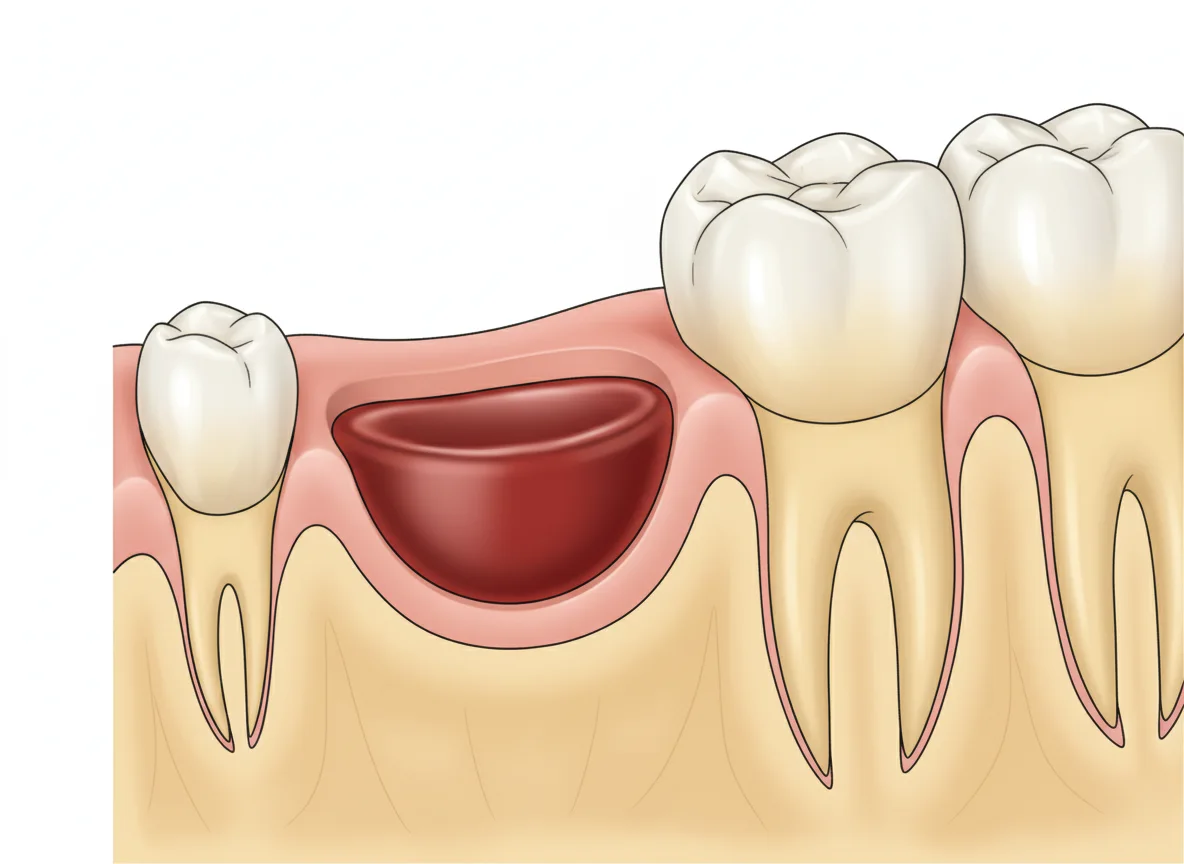
Dry socket, medically known as alveolar osteitis, occurs when the blood clot that forms in the tooth socket after extraction becomes dislodged, dissolves, or fails to form properly.
This blood clot is crucial because it:
-
Protects exposed bone and nerves
-
Acts as a foundation for new tissue growth
-
Helps control bleeding and pain
When the clot is lost, the bone and nerves are exposed, leading to intense pain, inflammation, and delayed healing.
Why Dry Socket Happens
Understanding why dry socket occurs is the first step in learning How to Prevent Dry Socket effectively.
Dry socket commonly happens due to:
-
Suction actions (smoking, drinking through straws)
-
Poor oral hygiene
-
Physical disturbance of the clot
-
Hormonal factors
-
Certain medications
-
Trauma during extraction
While some factors are unavoidable, many causes are completely preventable with proper care.
Who Is Most at Risk of Dry Socket?
Some people are more likely to develop dry socket than others. Risk factors include:
-
Smokers and tobacco users
-
People using oral contraceptives
-
Patients undergoing wisdom tooth removal
-
Poor oral hygiene habits
-
Previous history of dry socket
If you fall into any of these categories, paying extra attention to how to prevent dry socket is critical.
How to Prevent Dry Socket Before Tooth Extraction
1. Choose an Experienced Dentist or Oral Surgeon
One of the most overlooked aspects of how to prevent dry socket is choosing the right professional. An experienced dentist minimizes trauma to surrounding tissue, which significantly lowers dry socket risk.
2. Discuss Your Medical History
Inform your dentist about:
-
Medications you take
-
Smoking habits
-
Hormonal birth control
-
Existing health conditions
This allows your dentist to tailor preventive strategies specifically for you.
3. Stop Smoking in Advance
If possible, stop smoking at least 48–72 hours before extraction. This single step dramatically improves your chances of avoiding dry socket.
How to Prevent Dry Socket Immediately After Extraction
The first few hours after extraction are crucial.
1. Bite Gently on Gauze
Apply firm but gentle pressure by biting on gauze for 30–60 minutes. This helps stabilize the blood clot.
2. Do Not Rinse or Spit
Rinsing or spitting too soon can dislodge the clot. If you’re serious about how to prevent dry socket, avoid these actions entirely during the first 24 hours.
3. Keep Your Mouth Still
Limit talking, chewing, and facial movement to reduce clot disruption.
How to Prevent Dry Socket During the First 24 Hours
Avoid These Completely
-
Smoking or vaping
-
Drinking through straws
-
Alcohol consumption
-
Vigorous rinsing
All of these create suction or irritation that can remove the clot.
Stick to Soft Foods
Examples:
-
Yogurt
-
Mashed potatoes
-
Applesauce
-
Smooth soups (not hot)
How to Prevent Dry Socket in the First 3–7 Days

1. Maintain Gentle Oral Hygiene
Brush carefully, avoiding the extraction site. Clean teeth help prevent infection without disturbing healing tissue.
2. Use Saltwater Rinses (After 24 Hours)
Saltwater rinses help keep the area clean and promote healing:
-
½ teaspoon salt
-
1 cup warm water
-
Rinse gently, no swishing
3. Sleep With Your Head Elevated
Elevation reduces pressure and improves circulation, supporting clot stability.
The Role of Blood Clot Formation
The blood clot is the single most important factor in understanding how to prevent dry socket.
Protecting the clot means:
-
No suction
-
No physical disruption
-
No chemical irritation
If the clot remains intact, dry socket is extremely unlikely.
Foods to Eat and Avoid to Prevent Dry Socket
Choosing the right foods after a tooth extraction plays a major role in healing and helps lower the risk of complications. Eating gentle, non-irritating foods protects the blood clot and keeps the extraction site undisturbed.
Foods That Help Healing
Soft, easy-to-chew foods are ideal during the recovery period. These options provide nutrition without putting pressure on the socket:
-
Soft scrambled eggs
-
Oatmeal
-
Cottage cheese
-
Protein shakes (drink directly, do not use a straw)
Foods to Avoid
Certain foods can irritate the extraction site or get trapped in the socket, increasing the chance of dry socket. It’s best to stay away from:
-
Crunchy foods
-
Spicy foods
-
Sticky candies
-
Seeds and nuts
Small food particles can easily become lodged in the socket, disrupting the blood clot and slowing the healing process. Avoiding these foods supports proper recovery and helps prevent dry socket.
Oral Hygiene Tips to Prevent Dry Socket
-
Brush twice daily, avoiding the socket
-
Use a soft-bristled toothbrush
-
Avoid commercial mouthwash early on
-
Follow dentist instructions precisely
Cleanliness without aggression is key when learning how to prevent dry socket.
Smoking, Vaping, and Dry Socket Risk
Smoking is the number one cause of dry socket.
Why smoking is dangerous:
-
Suction removes the clot
-
Nicotine restricts blood flow
-
Heat irritates healing tissue
If you truly want to know how to prevent dry socket, avoiding smoking for at least 72 hours is non-negotiable.
Medications and Home Remedies: What Helps and What Hurts
Helpful
-
Prescribed pain relievers
-
Antibiotics (if prescribed)
-
Saltwater rinses
Avoid
-
Aspirin directly on gums
-
Herbal powders
-
Unapproved home remedies
Always consult your dentist before using anything new.
Signs You Might Be Developing Dry Socket
Early detection can prevent severe pain.
Watch for:
-
Severe pain 2–5 days post-extraction
-
Bad breath or foul taste
-
Visible bone in socket
-
Pain radiating to ear or jaw
If you notice these signs, contact your dentist immediately.
What to Do If You Suspect Dry Socket
Dry socket requires professional treatment.
Dentists may:
-
Clean the socket
-
Apply medicated dressing
-
Prescribe pain medication
-
Recommend follow-up care
Self-treatment is not recommended.
Healing Timeline After Tooth Extraction
-
Day 1–2: Clot formation
-
Day 3–5: Tissue healing begins
-
Day 7–10: Socket closure
-
2–3 weeks: Full gum healing
Following proper guidance on how to prevent dry socket ensures smooth progression.
Common Myths About Dry Socket
Dry socket is unavoidable
Fact: Most cases are preventable
Rinsing helps immediately
Fact: Early rinsing increases risk
Pain always means dry socket
Fact: Some discomfort is normal
Professional Dental Advice for Preventing Dry Socket
Dentists universally agree:
-
Follow post-op instructions exactly
-
Avoid smoking
-
Protect the blood clot
These steps alone reduce dry socket risk by over 90%.
Conclusion
Understanding how to prevent dry socket is essential for anyone undergoing tooth extraction. While dry socket is painful and inconvenient, it is largely avoidable with the right precautions.
By protecting the blood clot, avoiding harmful habits, maintaining gentle oral hygiene, and following professional advice, you can ensure fast healing and minimal discomfort. Prevention is always easier—and far less painful—than treatment.
A little care goes a long way toward a smooth recovery and a healthy smile.
Frequently Asked Questions (FAQs)
1. How long should I avoid smoking to prevent dry socket?
Ideally, avoid smoking for at least 72 hours, but 7 days is even better.
2. Can dry socket heal on its own?
Dry socket usually requires professional dental treatment for proper healing.
3. How common is dry socket?
It occurs in about 2–5% of extractions, but higher in wisdom tooth removal.
4. Does using a straw really cause dry socket?
Yes. The suction can dislodge the blood clot easily.
5. Is dry socket dangerous?
It’s not life-threatening but can cause severe pain and delayed healing if untreated.