
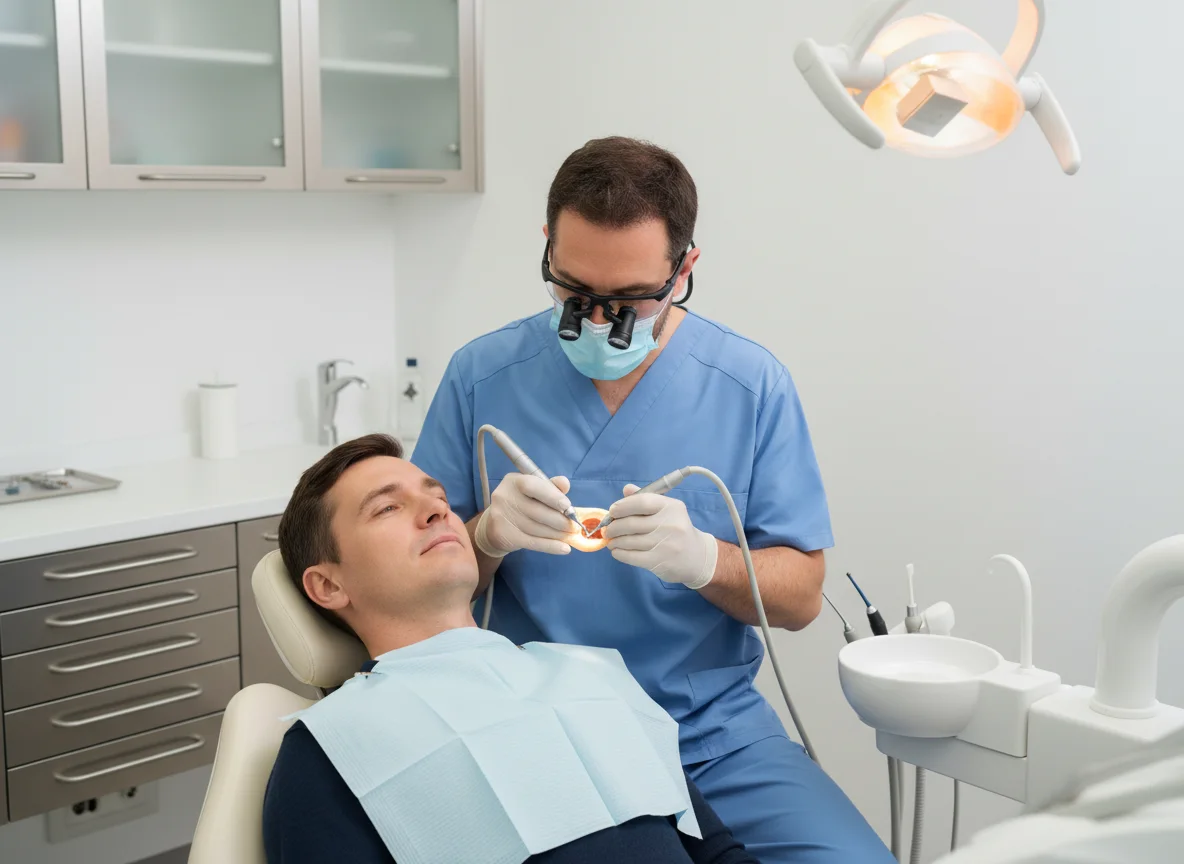
Why People Ask “Do Root Canals Hurt?”
Few dental procedures spark fear like a root canal. Even hearing the words makes many people tense up. It’s no surprise that one of the most searched dental questions online is “do root canals hurt?”
Movies, stories from decades ago, and exaggerated horror tales have turned root canals into something far scarier than they actually are. But dentistry has changed dramatically. What once was uncomfortable is now highly controlled, gentle, and pain-managed.
This article breaks down exactly what a root canal feels like, whether it hurts during or after, and how modern dentistry makes the experience far easier than most people expect.
If you’re nervous, skeptical, or just want honest answers — you’re in the right place.
What Is a Root Canal Treatment? (Simple Explanation)
A Do Root Canals Hurt is a dental procedure used to save a tooth that has been damaged by deep decay, infection, or trauma.
Inside every tooth is soft tissue called pulp, which contains nerves and blood vessels. When this pulp becomes infected or inflamed, it causes pain, sensitivity, and swelling.
During a root canal, the dentist:
-
Removes the infected pulp
-
Cleans and disinfects the inside of the tooth
-
Seals it to prevent future infection
The tooth remains in your mouth — functional and natural — instead of being removed.
Why Do Dentists Recommend Root Canals?

Dentists recommend root canals to:
-
Eliminate severe tooth pain
-
Stop infection from spreading
-
Save your natural tooth
-
Prevent jawbone damage
-
Avoid tooth extraction
Ironically, the pain people fear from root canals is often far less than the pain caused by the infected tooth itself.
Do Root Canals Hurt During the Procedure?
Short Answer: No — Not With Modern Dentistry
The biggest misconception is that root canals are painful. In reality, most patients report little to no pain during the procedure.
The Role of Local Anesthesia
Before starting, the dentist numbs the area using local anesthesia. This blocks pain signals from the tooth and surrounding nerves.
You may feel:
-
A small pinch from the injection
-
Slight pressure during treatment
But you should not feel sharp pain.
Pain vs Pressure — What Patients Really Feel
Many people confuse pressure with pain. During a root canal, patients often feel:
-
Vibration
-
Gentle pushing
-
Movement
These sensations can feel strange but are not painful.
Does a Root Canal Hurt Without Anesthesia? (Myth vs Reality)
This is a common fear — but also a myth.
Dentists do not perform root canals without anesthesia.
Even if a tooth’s nerve is already damaged, anesthesia is still used to ensure comfort.
If you feel pain during treatment, you should immediately tell your dentist — adjustments can be made instantly.
Do Root Canals Hurt After the Procedure?
Normal Post-Treatment Sensitivity
After the numbness wears off, mild discomfort is normal. This is not intense pain — it’s similar to soreness after dental work.
Common sensations include:
-
Tenderness when biting
-
Mild jaw soreness
-
Slight inflammation
How Long Does Pain Last?
For most patients:
-
Mild discomfort lasts 1–3 days
-
Sensitivity gradually decreases
-
Over-the-counter pain relievers are sufficient
Severe pain is not normal and should be reported.
Pain Levels: Root Canal vs Tooth Extraction
Many patients are surprised to learn that root canals are often less painful than extractions.
| Procedure | Pain Level | Recovery |
|---|---|---|
| Root Canal | Mild–Moderate | Faster |
| Extraction | Moderate–High | Slower |
Root canals preserve the tooth and avoid surgical trauma, making recovery easier.
Why Root Canals Had a Bad Reputation in the Past
Decades ago:
-
Anesthesia was less effective
-
Tools were manual and slower
-
Techniques were outdated
That’s where the fear originated.
Today, root canals use:
-
Digital imaging
-
Rotary instruments
-
Precision anesthesia
-
Faster, safer techniques
The experience is completely different.
Modern Root Canal Technology: Why It’s Different Today
Modern dentistry has transformed root canals into routine procedures.
Key advancements include:
-
Electric rotary files for smooth cleaning
-
Digital X-rays for accuracy
-
Improved anesthetics
-
Microscopes for precision
These tools reduce pain, time, and complications.
What Happens Step-by-Step During a Root Canal?
Understanding the process reduces fear.
-
Numbing the tooth
-
Placing a protective dental dam
-
Creating a small access opening
-
Removing infected pulp
-
Cleaning and shaping canals
-
Filling and sealing the tooth
-
Temporary or permanent crown placement
Most procedures take 60–90 minutes.
How Dentists Control Pain Before, During, and After Treatment
Dentists use multiple pain-control strategies:
-
Topical numbing gels
-
Slow, controlled injections
-
Long-lasting anesthetics
-
Post-procedure medication advice
Some dentists also offer:
-
Sedation dentistry
-
Nitrous oxide (laughing gas)
Do Root Canals Hurt More for Certain Teeth?
Front Teeth
-
Usually easier and faster
-
One canal
-
Less post-treatment discomfort
Molars
-
Multiple canals
-
Slightly longer procedure
-
Mildly increased soreness afterward
Still, pain levels remain manageable.
Root Canal Pain vs Tooth Infection Pain
This is crucial to understand.
-
Infected tooth pain: Sharp, throbbing, constant
-
Root canal pain: Mild soreness, temporary
Root canals relieve pain, not cause it.
Anxiety and Fear: Why Pain Feels Worse Than It Is
Fear amplifies pain perception.
When anxious:
-
Muscles tense
-
Sensitivity increases
-
Pain feels worse
Communicating with your dentist and understanding the process can dramatically reduce discomfort.
Tips to Reduce Pain Before and After a Root Canal
Before Treatment
-
Eat beforehand (if allowed)
-
Avoid caffeine
-
Practice deep breathing
After Treatment
-
Take pain relievers as advised
-
Avoid chewing on that side
-
Keep the area clean
-
Rest
What Happens If You Avoid a Root Canal?
Delaying treatment can lead to:
-
Severe infection
-
Abscess formation
-
Bone loss
-
Tooth extraction
-
Spread of infection to other areas
Avoidance often leads to more pain, not less.
Common Myths About Root Canal Pain (Debunked)
Root canals are extremely painful
Truth: Modern root canals are comfortable
It’s better to pull the tooth
Truth: Saving your natural tooth is healthier
Root canals cause illness
Truth: Scientifically false
When Should You Call Your Dentist After a Root Canal?
Contact your dentist if you experience:
-
Severe pain lasting more than 3 days
-
Swelling that worsens
-
Fever
-
Allergic reaction to medication
These are rare but important to address.
Long-Term Comfort After a Root Canal
Once healed:
-
The tooth feels normal
-
You can chew comfortably
-
Sensitivity disappears
With proper care, a root-canal-treated tooth can last a lifetime.
Conclusion: So, Do Root Canals Hurt?
The honest answer is no — root canals do not hurt the way people fear.
Thanks to modern dentistry:
-
Pain is well controlled
-
Procedures are efficient
-
Recovery is quick
In fact, a root canal often relieves intense pain rather than causes it. If you’re dealing with tooth pain and wondering “do root canals hurt”, the real concern should be avoiding treatment — not getting it.
Modern root canals are safe, effective, and far more comfortable than their reputation suggests.
Frequently Asked Questions (FAQs)
Do root canals hurt more than fillings?
No. Root canals may feel similar or only slightly more involved than deep fillings due to anesthesia.
Do root canals hurt the next day?
Mild soreness is normal, but severe pain is not.
Do root canals hurt without infection?
Teeth treated early are often even more comfortable.
Do root canals hurt kids or teenagers more?
No. Age does not significantly affect pain levels.
Is a crown painful after a root canal?
Crown placement is usually painless and improves comfort.