
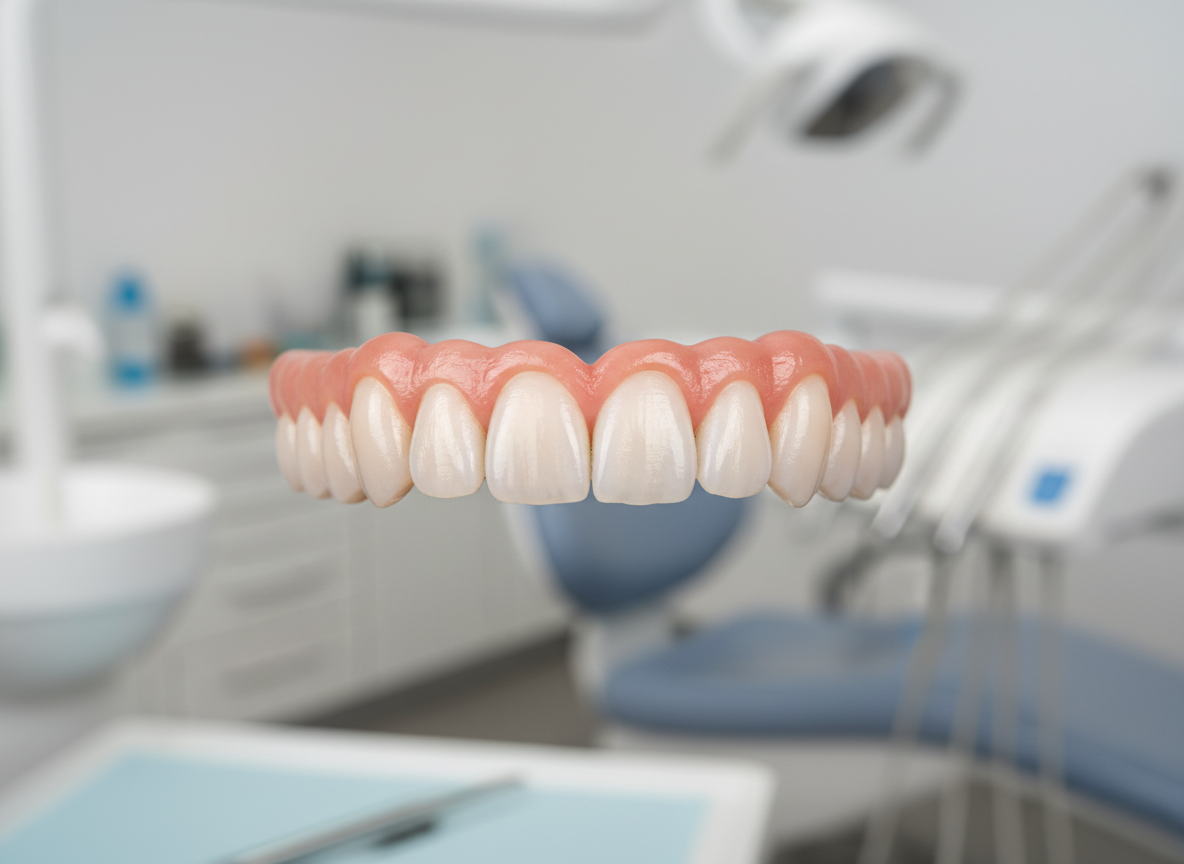
Many people focus primarily on their teeth when it comes to oral care, often overlooking the importance of gums. However, gums play a critical role in maintaining a healthy mouth and protecting your overall health. Understanding what do healthy gums look like can help you identify potential problems early and take action before serious dental issues arise.
Healthy gums are not just about appearance—they are essential for keeping teeth strong, preventing infections, and maintaining a confident smile. In this comprehensive guide, we’ll explore every aspect of gum health in detail so you can clearly recognize healthy gums and understand how to maintain them for life.
Why Gum Health Matters
Gums act as a protective barrier around your teeth, shielding the roots from bacteria and plaque buildup. When gums are healthy, they firmly support teeth and prevent harmful microorganisms from entering the bloodstream.
Poor gum health has been linked to:
-
Tooth loss
-
Bad breath
-
Heart disease
-
Diabetes complications
-
Pregnancy issues
That’s why knowing what do healthy gums look like is more than cosmetic—it’s a key part of overall wellness.
What Do Healthy Gums Look Like?
Healthy gums have a distinct appearance and feel that sets them apart from unhealthy gums. When gums are in good condition, they create a strong foundation for your teeth and maintain a clean, comfortable mouth.
Healthy gums typically look:
-
Pink or coral in color
-
Firm and resilient
-
Snug around each tooth
-
Free from swelling or bleeding
-
Smooth but slightly textured
Understanding these visual and physical cues helps you quickly identify whether your gums are healthy or need attention.
Key Characteristics of Healthy Gums
1. Color of Healthy Gums
One of the most noticeable signs of gum health is color.
Healthy gums appear:
-
Light pink to coral pink (varies by skin tone)
-
Even in color without red or dark patches
Darker or lighter shades can be normal depending on genetics, but bright red, purple, or gray gums may indicate inflammation or infection.
2. Texture and Firmness
Healthy gums feel firm and elastic when touched.
-
They should not feel spongy or soft
-
They should bounce back when pressed gently
A firm texture shows that gums are securely attached to the teeth and bone underneath.
3. Shape and Contour
When asking what do healthy gums look like, shape is just as important as color.
Healthy gums:
-
Fit tightly around each tooth
-
Form a natural curved edge
-
Do not pull away from the teeth
They create a protective seal that keeps bacteria out.
4. Moisture Level
Healthy gums are naturally moist due to saliva.
-
They should not appear overly dry
-
They should not be excessively sticky
Adequate moisture helps wash away bacteria and food particles.
5. Sensitivity and Comfort
Healthy gums:
-
Do not bleed during brushing or flossing
-
Are not painful or tender
-
Do not feel itchy or irritated
Occasional mild sensitivity can happen, but consistent discomfort is not normal.
Healthy Gums vs Unhealthy Gums
| Feature | Healthy Gums | Unhealthy Gums |
|---|---|---|
| Color | Pink or coral | Red, purple, dark |
| Texture | Firm | Soft, spongy |
| Bleeding | None | Frequent |
| Shape | Snug around teeth | Receding or swollen |
| Sensation | Comfortable | Painful or itchy |
Recognizing these differences makes it easier to understand what do healthy gums look like compared to unhealthy ones.
Common Signs of Unhealthy Gums
If gums are not healthy, they often show clear warning signs:
-
Bleeding while brushing or flossing
-
Persistent bad breath
-
Swollen or puffy gums
-
Gum recession (teeth appear longer)
-
Pain when chewing
Ignoring these signs can lead to serious dental problems.
Stages of Gum Disease
Stage 1: Gingivitis
-
Red, swollen gums
-
Bleeding during brushing
-
No bone loss yet
This stage is reversible with proper care.
Stage 2: Periodontitis
-
Gum recession
-
Pockets forming between teeth and gums
-
Bone loss begins
Damage becomes more serious at this stage.
Stage 3: Advanced Periodontitis
-
Severe bone and tissue loss
-
Loose or shifting teeth
-
Possible tooth loss
Understanding these stages highlights why knowing what do healthy gums look like is crucial for prevention.
Causes of Poor Gum Health
Several factors contribute to unhealthy gums:
-
Poor oral hygiene
-
Smoking or tobacco use
-
Hormonal changes
-
Diabetes
-
Stress
-
Certain medications
-
Poor nutrition
Addressing these causes can significantly improve gum health.
How to Check Your Gums at Home
You don’t need professional tools to monitor your gum health.
Steps to check your gums:
-
Stand in front of a mirror with good lighting
-
Look for color changes or swelling
-
Gently press your gums with a clean finger
-
Check for bleeding after brushing
Regular self-checks help you stay aware of what do healthy gums look like for your mouth.
Daily Habits That Promote Healthy Gums
Healthy gums are built through consistent habits:
-
Brush twice daily
-
Floss once a day
-
Use fluoride toothpaste
-
Rinse with water after meals
-
Avoid smoking
Consistency matters more than perfection.
Diet and Nutrition for Gum Health
Your diet plays a major role in gum health.
Foods that support healthy gums:
-
Leafy greens
-
Citrus fruits
-
Dairy products
-
Nuts and seeds
-
Lean proteins
Foods to limit:
-
Sugary snacks
-
Sticky candies
-
Acidic drinks
A balanced diet strengthens gum tissue and reduces inflammation.
Oral Hygiene Practices for Healthy Gums
Proper technique is just as important as frequency.
-
Use a soft-bristled toothbrush
-
Brush gently at a 45-degree angle
-
Replace your toothbrush every 3 months
-
Floss carefully to avoid injury
Correct habits help maintain the appearance of healthy gums.
Professional Dental Care and Gum Health
Dentists play a crucial role in gum health.
-
Professional cleanings remove hardened plaque
-
Regular exams detect early gum disease
-
Deep cleaning may be required for advanced issues
Routine dental visits help preserve what do healthy gums look like long-term.
Healthy Gums at Different Ages
Children
-
Pink and firm
-
No bleeding during brushing
Adults
-
Snug fit around teeth
-
No recession
Older Adults
-
Slight recession can be normal
-
Should still be firm and pain-free
Healthy gums are achievable at every age.
Gum Health and Overall Health Connection
Scientific studies show strong links between gum disease and:
-
Heart disease
-
Stroke
-
Diabetes
-
Respiratory infections
Healthy gums contribute to a healthier body overall.
Myths About Gum Health
Bleeding gums are normal
Fact: Bleeding indicates inflammation
Gum disease only affects older people
Fact: It can affect any age
Gum recession can’t be prevented
Fact: Early care can slow or stop it
How Long Does It Take to Improve Gum Health?
-
Mild gum issues: 1–2 weeks
-
Moderate inflammation: 4–6 weeks
-
Advanced problems: Months with professional care
Improvement depends on consistency and severity.
When to See a Dentist
You should see a dentist if you notice:
-
Persistent bleeding
-
Gum pain
-
Loose teeth
-
Receding gums
Early intervention protects your smile.
Conclusion
Understanding what do healthy gums look like empowers you to take control of your oral health. Healthy gums are pink, firm, pain-free, and snug around the teeth. They do not bleed, swell, or cause discomfort. By practicing good oral hygiene, eating a balanced diet, and visiting the dentist regularly, you can maintain healthy gums for life.
Gum health is not just about appearance—it’s about prevention, confidence, and overall well-being. Paying attention to your gums today can save you from serious dental problems tomorrow.
Frequently Asked Questions (FAQs)
1. What do healthy gums look like naturally?
Healthy gums are pink or coral, firm, and fit snugly around teeth without bleeding or pain.
2. Is slight gum bleeding ever normal?
Occasional bleeding may occur if you floss incorrectly, but regular bleeding is not normal.
3. Can gums heal on their own?
Mild gum inflammation can heal with proper oral care, but advanced disease needs professional treatment.
4. How often should I check my gums?
You should check your gums at least once a week and after any noticeable changes.
5. Does gum color vary by person?
Yes, natural gum color can vary based on genetics and skin tone.
6. Can stress affect gum health?
Yes, stress can weaken immunity and increase inflammation in gums.