
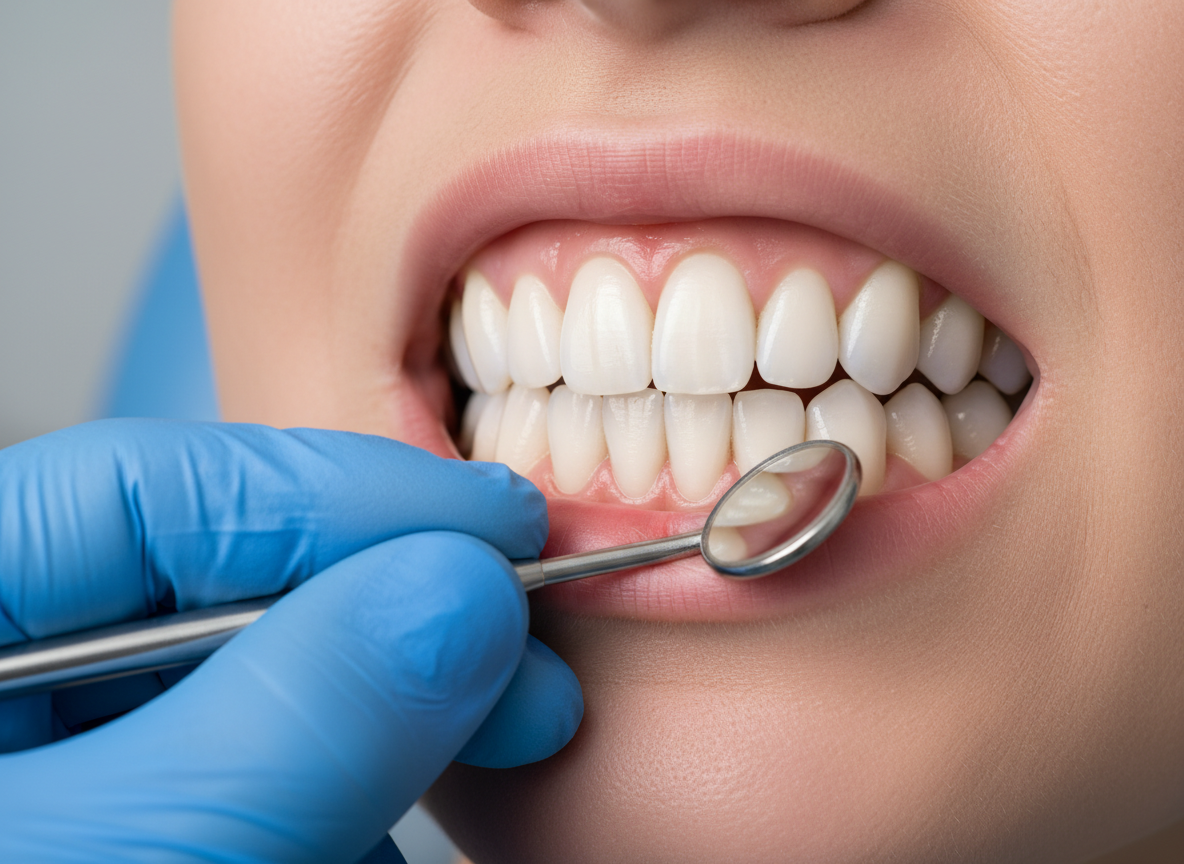
Healthy gums are the foundation of a healthy mouth. While most people focus on keeping their teeth white and cavity-free, gum health often gets ignored until pain, bleeding, or infection appears. If you’re wondering how to improve gum health, this detailed guide will walk you through everything you need to know—from daily habits and nutrition to professional care and natural remedies.
Gum problems are more common than you might think. Millions of people worldwide experience gingivitis, gum recession, or periodontal disease, often without realizing it. The good news? Gum disease is largely preventable and reversible in its early stages with the right care.
Your gums are soft tissues that surround and support your teeth. Healthy gums should be firm, pale pink, and snug around your teeth. When gums are neglected, bacteria build up along the gum line, leading to inflammation, bleeding, and eventually tooth loss.
Learning how to improve gum health isn’t just about oral hygiene—it’s about overall well-being. Poor gum health has been linked to heart disease, diabetes, respiratory infections, and even pregnancy complications.
What Is Gum Disease?
Gum disease, also known as periodontal disease, is an infection of the tissues that hold your teeth in place.
Types of Gum Disease
Gingivitis (Early Stage)
-
Red, swollen gums
-
Bleeding during brushing or flossing
-
Mild discomfort
-
Reversible with proper care
Periodontitis (Advanced Stage)
-
Gum recession
-
Persistent bad breath
-
Loose teeth
-
Bone loss
-
Requires professional treatment
Why Gum Health Is So Important
Healthy gums do more than protect your teeth.
Benefits of Healthy Gums
-
Prevent tooth loss
-
Reduce risk of infections
-
Improve breath
-
Support digestion and nutrition
-
Lower inflammation in the body
Ignoring gum health can lead to chronic pain, costly dental procedures, and long-term health issues.
Early Signs of Unhealthy Gums
Recognizing early symptoms helps you take action fast.
Warning signs include:
-
Bleeding gums
-
Red or swollen gums
-
Tenderness or pain
-
Bad breath that doesn’t go away
-
Receding gums
-
Pus between teeth and gums
If you notice these signs, it’s time to focus on how to improve gum health immediately.
Main Causes of Gum Problems
Understanding the causes helps prevent damage.
Common Causes
-
Poor oral hygiene
-
Plaque and tartar buildup
-
Smoking or tobacco use
-
Poor nutrition
-
Hormonal changes
-
Stress
-
Certain medications
-
Medical conditions like diabetes
How to Improve Gum Health Naturally
Improving gum health doesn’t require expensive treatments if caught early.
Key Principles
-
Consistency
-
Proper technique
-
Balanced nutrition
-
Lifestyle awareness
Natural improvement starts with daily habits and mindful care.
Daily Oral Hygiene Habits for Healthy Gums
Brush Correctly Twice a Day
-
Use a soft-bristled toothbrush
-
Brush for at least 2 minutes
-
Angle the brush at 45 degrees toward the gum line
-
Use gentle circular motions
Floss Every Day
Flossing removes plaque where toothbrushes can’t reach.
Tips:
-
Be gentle to avoid gum injury
-
Curve floss around each tooth
-
Don’t skip bleeding gums—this improves with time
Use Antibacterial Mouthwash
Mouthwash helps:
-
Reduce bacteria
-
Control plaque
-
Soothe inflamed gums
Choose alcohol-free options to avoid dryness.
Best Foods for Gum Health
What you eat directly affects your gums.
Gum-Friendly Foods
-
Leafy greens (spinach, kale)
-
Apples and carrots
-
Yogurt and cheese
-
Fatty fish
-
Nuts and seeds
These foods strengthen gum tissue and reduce inflammation.
Vitamins and Minerals That Strengthen Gums
Vitamin C
-
Essential for collagen production
-
Prevents gum bleeding
-
Found in citrus fruits, strawberries, peppers
Vitamin D
-
Supports bone and gum strength
-
Enhances calcium absorption
Calcium
-
Keeps teeth anchored
-
Found in dairy, almonds, leafy greens
Omega-3 Fatty Acids
-
Reduce inflammation
-
Found in fish, flaxseeds, walnuts
A nutrient-rich diet is a major part of how to improve gum health naturally.
Natural Remedies for Gum Health
Saltwater Rinse
-
Reduces inflammation
-
Kills bacteria
-
Promotes healing
How to use:
Mix ½ teaspoon of salt in warm water and rinse twice daily.
Aloe Vera Gel
-
Soothes irritated gums
-
Has antibacterial properties
Green Tea
-
Contains antioxidants
-
Reduces gum inflammation
Oil Pulling
-
Swish coconut or sesame oil for 10–15 minutes
-
Helps reduce plaque and bacteria
Lifestyle Changes That Protect Your Gums
Quit Smoking
Smoking is one of the biggest risk factors for gum disease.
Manage Stress
High stress weakens the immune system and worsens gum inflammation.
Stay Hydrated
Water helps wash away food particles and bacteria.
Limit Sugar Intake
Sugar feeds harmful bacteria that attack gums.
Professional Dental Care for Gum Health
Even with great home care, professional help is essential.
Regular Dental Checkups
-
Every 6 months
-
Early detection of gum problems
Professional Cleaning
-
Removes tartar
-
Prevents gum disease progression
Deep Cleaning (Scaling and Root Planing)
-
For early periodontitis
-
Cleans below the gum line
How to Prevent Gum Disease Long-Term
Prevention is easier than treatment.
Long-Term Strategies
-
Maintain daily oral hygiene
-
Eat a balanced diet
-
Avoid tobacco
-
Schedule routine dental visits
-
Address gum symptoms early
Consistency is the secret to lasting gum health.
Common Mistakes That Damage Gums
Avoid these habits:
-
Brushing too hard
-
Using hard-bristle toothbrushes
-
Skipping flossing
-
Ignoring bleeding gums
-
Delaying dental visits
These mistakes can worsen gum recession and inflammation.
Gum Health by Age Group
Children and Teens
-
Teach proper brushing early
-
Monitor orthodontic appliances
Adults
-
Stress management is crucial
-
Address early gum recession
Seniors
-
Watch for dry mouth
-
Use gentle dental products
Gum care evolves with age, but it’s never too late to learn how to improve gum health.
When to See a Dentist
See a dentist if you experience:
-
Persistent bleeding
-
Severe pain
-
Loose teeth
-
Swollen gums lasting more than a week
Early treatment prevents serious complications.
Conclusion
Learning how to improve gum health is one of the most valuable investments you can make in your overall health. Healthy gums support strong teeth, prevent infections, and protect your body from inflammation-related diseases. With consistent oral hygiene, proper nutrition, healthy lifestyle choices, and regular dental care, gum disease is largely preventable.
Start small—brush gently, floss daily, eat better, and listen to your body. Your gums can heal, strengthen, and stay healthy for life when given the care they deserve.
FAQs
1. How long does it take to improve gum health?
Mild gum inflammation can improve within 1–2 weeks with proper care. Advanced issues take longer and may require professional treatment.
2. Can gums heal naturally?
Yes, gingivitis is reversible with good oral hygiene and lifestyle changes.
3. Does bleeding gums mean I should stop flossing?
No. Bleeding often means inflammation. Continue flossing gently to promote healing.
4. What is the best toothpaste for gum health?
Look for toothpaste with:
-
Fluoride
-
Antibacterial ingredients
-
Sensitivity protection
5. Can poor gum health affect overall health?
Yes. Gum disease has been linked to heart disease, diabetes, and other systemic conditions.
6. Is mouthwash necessary for gum health?
Not mandatory, but it helps reduce bacteria and inflammation when used correctly.