

Mental health conditions can be just as disabling as physical illnesses, affecting a person’s ability to work, maintain relationships, and manage daily life. Many people who struggle with serious mental health disorders wonder how much does mental health disability pay and whether disability benefits can provide financial stability. The answer depends on several factors, including the country you live in, the type of disability program, your work history, and the severity of your condition. This comprehensive guide explains mental health disability payments, eligibility requirements, payment amounts, approval timelines, and strategies to maximize benefits. Whether you are applying for the first time or supporting someone who is, this article will help you understand what to expect.
What Is Mental Health Disability?
Mental health disability refers to a psychological or psychiatric condition that substantially limits one or more major life activities, including working, concentrating, communicating, or managing daily tasks.
Key Characteristics of a Mental Health Disability
-
Long-term or chronic in nature
-
Diagnosed by a licensed mental health professional
-
Severe enough to interfere with employment
-
Supported by medical evidence and treatment records
Disability agencies do not base decisions on diagnosis alone. Instead, they evaluate how the condition affects your functional abilities.
Mental Health Conditions That Qualify for Disability
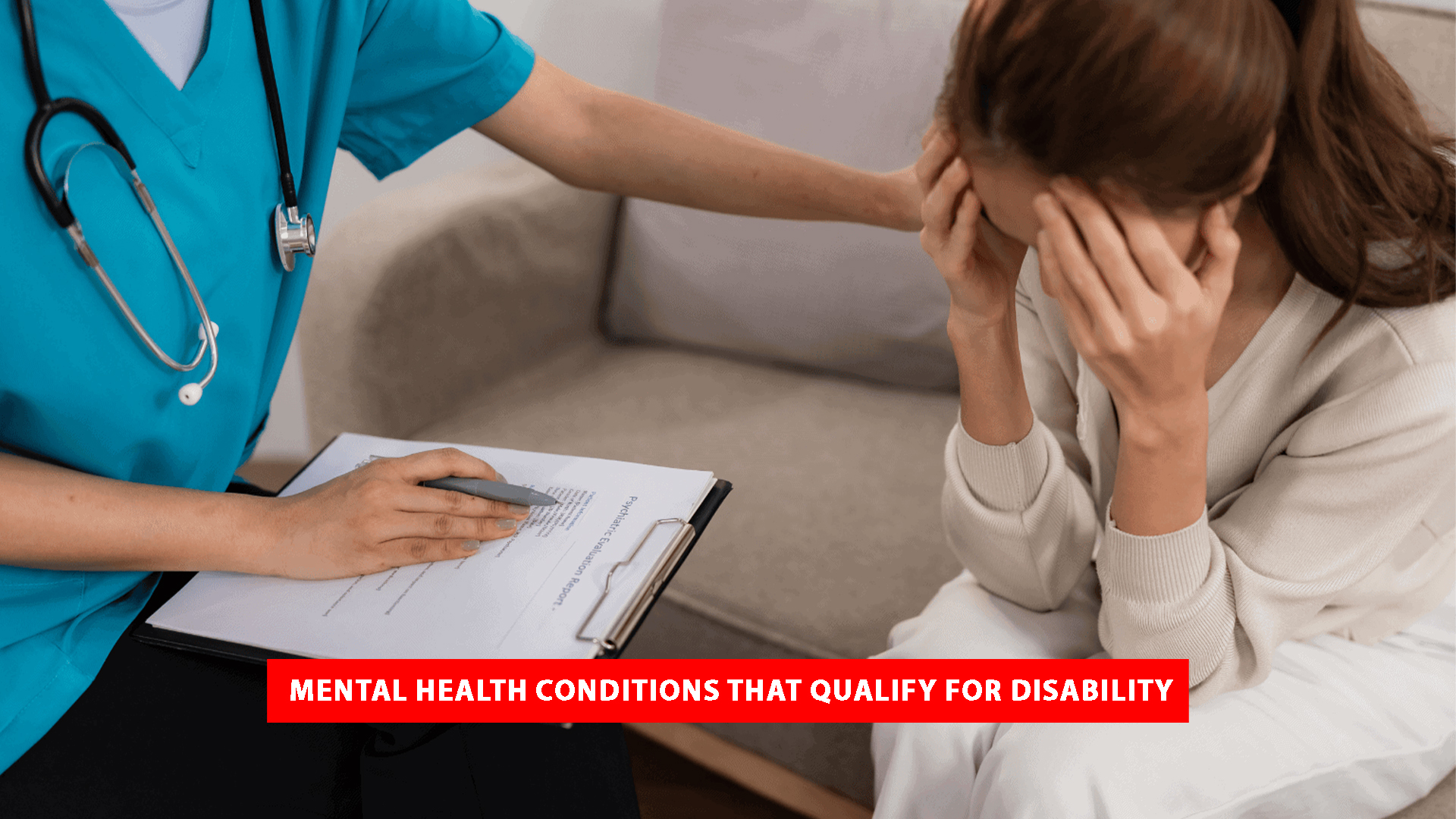
Not every mental health condition qualifies for how much does mental health disability pay benefits. To be approved, the condition must be severe, persistent, and well-documented.
Common Qualifying Mental Health Disorders
-
Major depressive disorder
-
Bipolar disorder
-
Schizophrenia and psychotic disorders
-
Post-traumatic stress disorder (PTSD)
-
Severe anxiety disorders
-
Obsessive-compulsive disorder (OCD)
-
Autism spectrum disorder
-
Personality disorders
Each program has medical criteria outlining how symptoms must limit daily functioning to qualify.
How Disability Programs Work
how much does mental health disability pay payments are provided through government-funded programs. In most cases, applicants must prove that their condition prevents them from working for at least 12 months or is expected to result in death.
Disability programs typically assess:
-
Medical records
-
Psychiatric evaluations
-
Work history
-
Functional limitations
-
Treatment compliance
Understanding the structure of these programs helps answer how much does mental health disability pay and why payments vary.
How Much Does Mental Health Disability Pay in the United States
In the United States, how much does mental health disability pay benefits are paid primarily through Social Security Disability Insurance (SSDI) and Supplemental Security Income (SSI).
Average Monthly Disability Payments
-
SSDI: $1,300 – $1,600 per month (average)
-
SSI: Up to $943 per month (federal maximum in recent years)
These amounts can change annually due to cost-of-living adjustments (COLA).
SSDI vs SSI: Payment Differences
SSDI (Social Security Disability Insurance)
SSDI is based on your work history and the amount of Social Security taxes you paid while employed.
Key SSDI Payment Details
-
Average monthly benefit: $1,483
-
Maximum benefit: Over $3,800 (for high earners)
-
Eligibility requires sufficient work credits
The answer to how much does mental health disability pay under SSDI depends heavily on past income.
SSI (Supplemental Security Income)
SSI is a needs-based program for individuals with limited income and resources.
Key SSI Payment Details
-
Federal maximum: $943 per month
-
Couples may receive more
-
Some states add extra payments
SSI payments are generally lower but easier to qualify for if you lack work history.
Mental Health Disability Pay in Other Countries
how much does mental health disability pay payments vary widely across countries.
United Kingdom
-
Personal Independence Payment (PIP): £26 – £172 per week
-
Employment and Support Allowance (ESA): £84 – £129 per week
Canada
-
CPP Disability: Up to $1,606 per month
-
Provincial benefits may supplement income
Australia
-
Disability Support Pension (DSP): Around AUD $1,100 per fortnight
Each country evaluates mental health disability differently, but financial support is available globally.
Factors That Affect Mental Health Disability Payments
Several factors influence how much does mental health disability pay:
Primary Influencing Factors
-
Work history and income level
-
Severity of symptoms
-
Ability to perform any type of work
-
Living arrangements
-
Marital status
-
State or provincial supplements
These variables explain why two people with similar diagnoses may receive very different payments.
How Payments Are Calculated
SSDI Payment Calculation
-
Based on average lifetime earnings
-
Adjusted for inflation
-
Not affected by current assets
SSI Payment Calculation
-
Starts with federal base amount
-
Reduced by other income
-
Adjusted for housing and support
Understanding the formula helps applicants estimate how much does mental health disability pay before approval.
How Long Does It Take to Get Paid?
Mental health disability claims often take time to process.
Typical Timeline
-
Initial decision: 3–6 months
-
Appeals process: 6–18 months
-
Back pay issued after approval
Back pay can be substantial and often covers months or years of waiting.
Can You Work While Receiving Mental Health Disability?
Yes, but there are limits.
Working While on SSDI
-
Trial Work Period allows limited earnings
-
Monthly income limits apply
Working While on SSI
-
Benefits reduced as income increases
-
Work incentives may apply
Working part-time does not always disqualify you, but earnings must be reported.
How to Increase Your Disability Payment
While you cannot arbitrarily raise your payment, certain steps may help maximize benefits.
Helpful Strategies
-
Submit complete medical documentation
-
Follow prescribed treatment plans
-
Appeal denied claims
-
Apply for state supplements
-
Explore additional assistance programs
Professional guidance can significantly impact approval and payment amounts.
Common Reasons Claims Are Denied
Many applicants are denied initially.
Top Reasons for Denial
-
Insufficient medical evidence
-
Inconsistent treatment history
-
Ability to perform other work
-
Missed deadlines
Denial does not mean the end of the process.
Appeals and Back Pay
If denied, you have the right to appeal.
Appeal Levels
-
Reconsideration
-
Administrative law judge hearing
-
Appeals council
-
Federal court
Approved appeals often result in lump-sum back pay, which can total thousands of dollars.
Emotional and Financial Impact of Mental Health Disability
Living with a how much does mental health disability pay involves emotional challenges beyond finances. Disability payments help cover:
-
Housing
-
Food
-
Medication
-
Therapy
-
Transportation
While disability pay may not fully replace employment income, it provides stability during recovery.
Conclusion
So, how much does mental health disability pay? The answer depends on the program, your work history, and your personal circumstances. In the United States, payments typically range from $943 per month under SSI to $1,500 or more under SSDI, with some individuals receiving significantly higher amounts.
Mental health disability benefits exist to support individuals during some of the most challenging periods of their lives. Understanding eligibility requirements, payment structures, and appeal options can make a meaningful difference in financial security and peace of mind.
If you or a loved one is struggling with a disabling mental health condition, applying for disability benefits may be an important step toward long-term stability and recovery.
Frequently Asked Questions (FAQs)
1. How much does mental health disability pay on average?
On average, mental health disability pays between $900 and $1,500 per month, depending on the program and individual circumstances.
2. Is it hard to get disability for mental health?
Mental health disability claims can be challenging but are approved regularly with strong medical evidence and documentation.
3. Can depression qualify for disability benefits?
Yes, severe depression can qualify if it significantly limits daily functioning and work ability.
4. Do mental health disability payments increase over time?
Payments may increase due to annual cost-of-living adjustments or state supplements.
5. Can I receive both SSI and SSDI?
Yes, some individuals qualify for concurrent benefits if SSDI payments are low.
6. Does therapy count as medical evidence?
Yes, therapy records, psychiatrist notes, and treatment plans are crucial evidence.
7. How long do mental health disability benefits last?
Benefits continue as long as the condition remains disabling, subject to periodic reviews.