
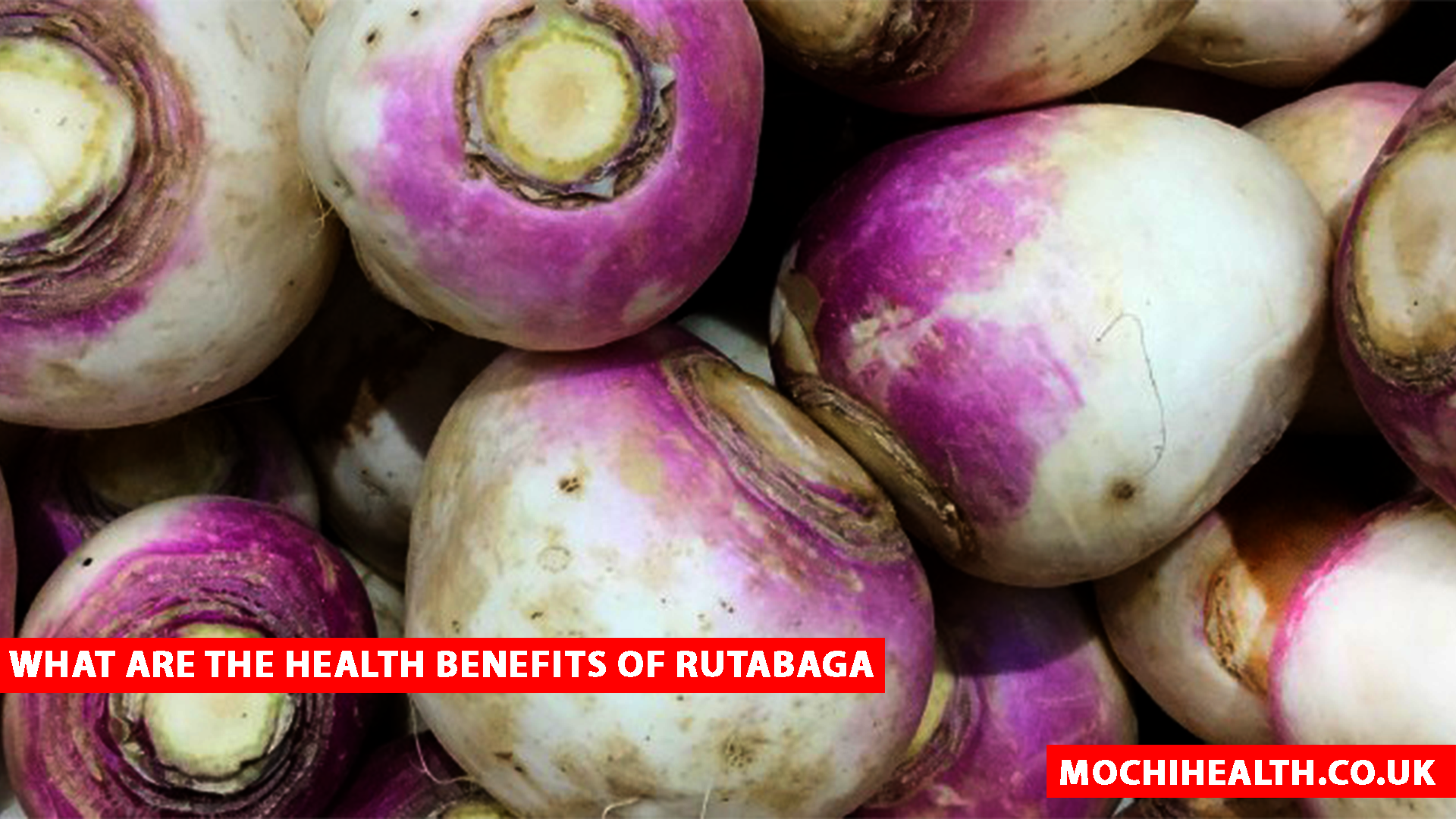
The question “what are the health benefits of rutabaga” is becoming increasingly popular as more people explore nutrient-dense vegetables for a healthier lifestyle. Rutabaga, often overlooked in modern diets, is a root vegetable packed with essential vitamins, minerals, and powerful plant compounds that support overall wellness.
For centuries, rutabaga has been a staple food in Northern European cuisines, valued for its ability to provide nourishment during long winters. Today, nutrition experts are revisiting this humble vegetable due to its low calorie count, high fiber content, and wide range of health-promoting properties.
In this in-depth guide, we will explore what are the health benefits of rutabaga, supported by nutritional insights and practical information. From digestive health and weight management to immune support and heart protection, rutabaga offers numerous advantages that deserve attention. By the end of this article, you will understand why rutabaga is more than just a side dish—it is a powerful addition to a balanced diet.
What Is Rutabaga?
Rutabaga, scientifically known as Brassica napus, is a root vegetable that belongs to the cruciferous family, which also includes broccoli, cabbage, cauliflower, and kale. It is believed to be a cross between a turnip and a wild cabbage.
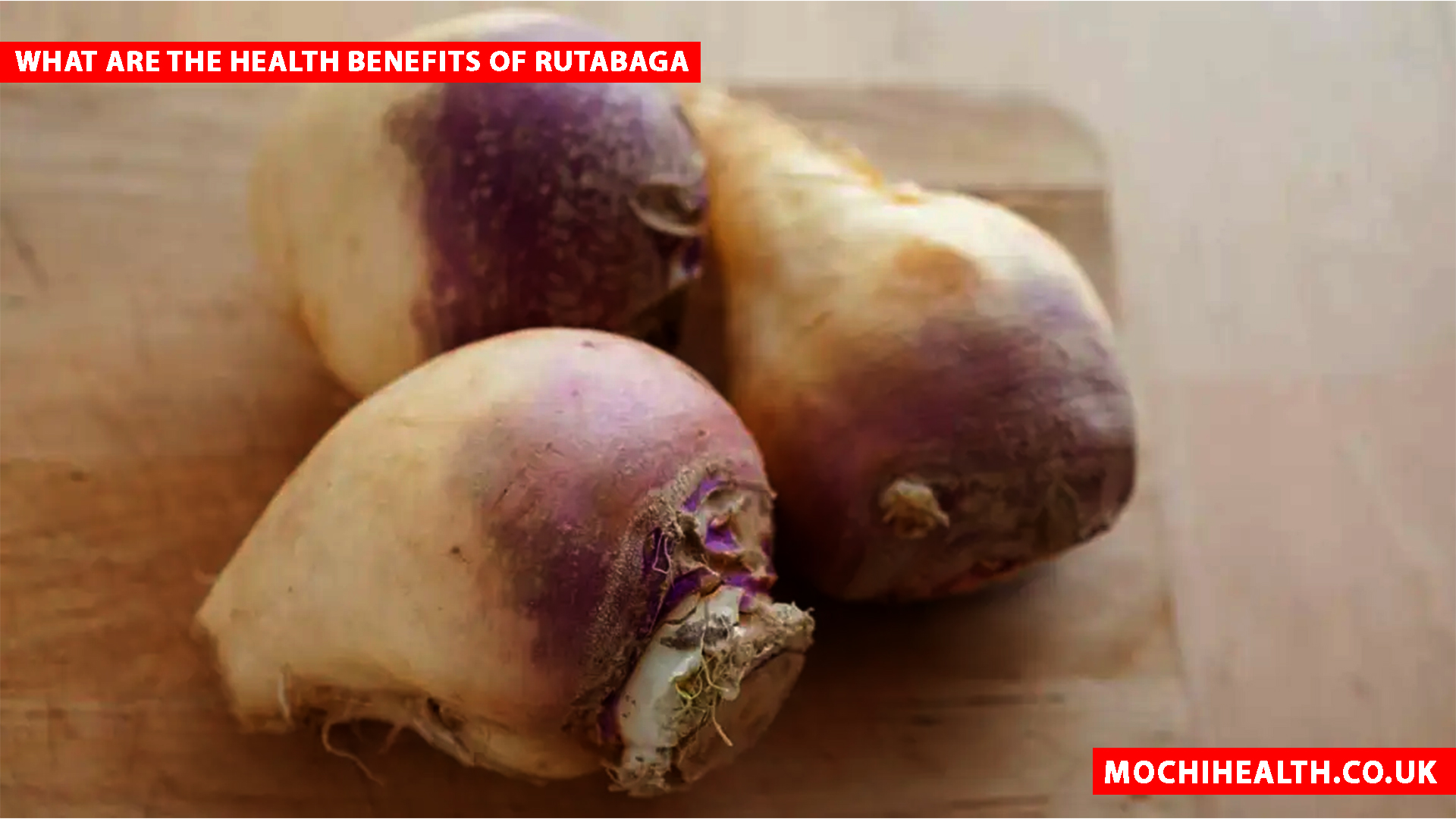
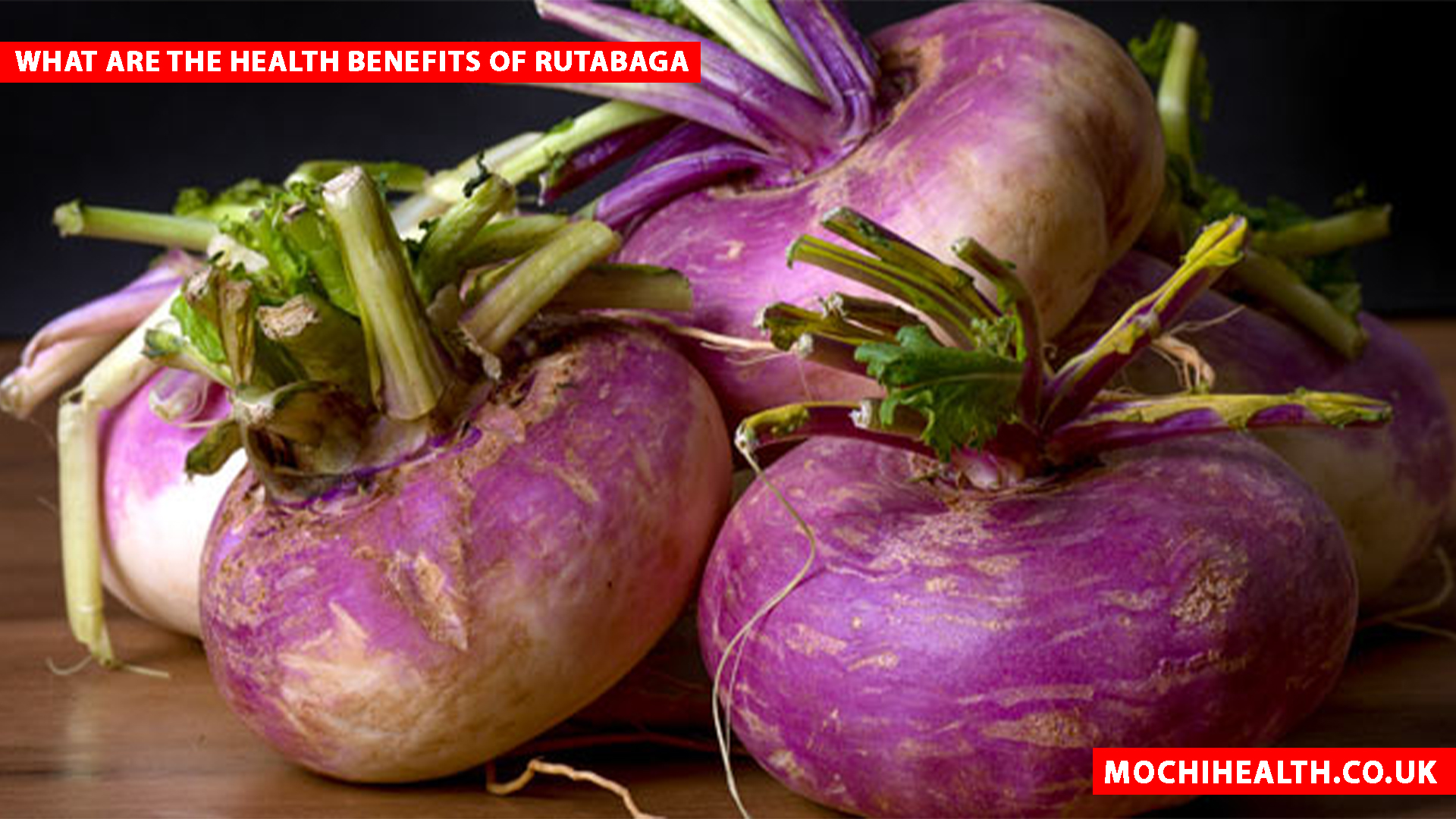
Rutabaga has a round shape with yellowish flesh and a purple-tinged skin. Its flavor is mildly sweet with a slightly earthy taste, especially when cooked. While it is often confused with turnips, rutabagas are generally larger, denser, and sweeter.
Because rutabaga grows well in cold climates, it has historically been used as a reliable food source during harsh winters. Today, it is enjoyed worldwide in soups, stews, roasted dishes, and even mashed as a healthier alternative to potatoes.
Nutritional Profile of Rutabaga

Understanding what are the health benefits of rutabaga begins with its impressive nutritional profile. Rutabaga is low in calories but rich in essential nutrients.
A one-cup serving of cooked rutabaga typically contains:
- Low calories
- High dietary fiber
- Moderate carbohydrates
- Minimal fat
- A wide range of vitamins and minerals
This balance makes rutabaga an excellent food choice for individuals seeking nutrient density without excessive caloric intake.
Key Vitamins Found in Rutabaga
Rutabaga is a valuable source of several essential vitamins that contribute to overall health.
Vitamin C
One of the standout nutrients in rutabaga is vitamin C, a powerful antioxidant that supports immune function, skin health, and wound healing. Regular consumption of rutabaga can help protect the body from oxidative stress.
Vitamin E
Vitamin E in rutabaga helps protect cells from damage caused by free radicals. It also supports skin and eye health.
B-Complex Vitamins
Rutabaga contains B vitamins such as B6, which play a crucial role in energy metabolism, brain function, and red blood cell production.
Essential Minerals in Rutabaga
In addition to vitamins, rutabaga provides important minerals that support bodily functions.
Potassium
Potassium helps regulate blood pressure, supports heart health, and maintains proper muscle function.
Calcium
Calcium in rutabaga contributes to strong bones and teeth, making it beneficial for long-term skeletal health.
Magnesium
Magnesium supports nerve function, muscle relaxation, and energy production.
What Are the Health Benefits of Rutabaga for Digestive Health
Dietary fiber is one of the most important contributors to digestive health, and rutabaga is an excellent source. Fiber promotes regular bowel movements, prevents constipation, and supports the growth of beneficial gut bacteria.
By improving digestion, rutabaga also enhances nutrient absorption and reduces the risk of gastrointestinal disorders. A fiber-rich diet is associated with lower risks of colon-related conditions.
Rutabaga and Weight Management
For those looking to manage or reduce weight, rutabaga offers significant advantages. It is low in calories yet filling due to its fiber and water content.
Eating rutabaga can help control appetite, reduce cravings, and promote a feeling of fullness. Replacing high-calorie starchy foods with rutabaga may support sustainable weight loss without sacrificing nutrition.
What Are the Health Benefits of Rutabaga for Heart Health
Heart health is a major concern worldwide, and rutabaga can play a supportive role. The fiber in rutabaga helps lower bad cholesterol levels, reducing the risk of heart disease.
Potassium in rutabaga helps regulate blood pressure by balancing sodium levels in the body. Together, these nutrients support cardiovascular health and reduce strain on the heart.
Rutabaga’s Role in Blood Sugar Control
Rutabaga has a relatively low glycemic impact compared to refined carbohydrates. Its fiber slows the absorption of sugar into the bloodstream, helping maintain stable blood sugar levels.
This makes rutabaga a suitable vegetable choice for individuals managing diabetes or insulin resistance, when consumed in moderation.
Anti-Inflammatory Properties of Rutabaga
Chronic inflammation is linked to many diseases, including heart disease and arthritis. Rutabaga contains antioxidants and plant compounds that help reduce inflammation in the body.
These anti-inflammatory effects contribute to overall wellness and long-term disease prevention.
What Are the Health Benefits of Rutabaga for Immune Support
Vitamin C and antioxidants found in rutabaga strengthen the immune system by enhancing white blood cell function. Regular intake may help the body fight infections and recover more quickly from illness.
A strong immune system is essential for maintaining energy levels and preventing chronic disease.
Rutabaga and Cancer Prevention
As a cruciferous vegetable, rutabaga contains compounds known as glucosinolates. These compounds are being studied for their potential role in reducing cancer risk.
Glucosinolates may help neutralize carcinogens and support the body’s natural detoxification processes.
Rutabaga for Bone Strength and Joint Health
Calcium, magnesium, and vitamin C in rutabaga contribute to strong bones and connective tissues. Vitamin C is especially important for collagen formation, which supports joints and cartilage.
Including rutabaga in the diet may help reduce the risk of osteoporosis over time.
What Are the Health Benefits of Rutabaga for Skin Health
Antioxidants and vitamins in rutabaga support healthy, glowing skin. Vitamin C aids collagen production, while vitamin E protects skin cells from damage.
Regular consumption may help slow signs of aging and improve skin elasticity.
Rutabaga and Eye Health
Rutabaga contains nutrients that support eye health, including antioxidants that protect against oxidative damage. These compounds may help reduce the risk of age-related vision issues.
Rutabaga During Pregnancy: Benefits and Considerations
Rutabaga provides essential nutrients such as fiber, vitamin C, and calcium, which are beneficial during pregnancy. However, it should be properly cooked and consumed as part of a balanced diet.
Pregnant individuals should consult healthcare providers regarding dietary changes.
Rutabaga for Gut Health and Detoxification
Fiber and antioxidants in rutabaga support gut health and help the body eliminate toxins naturally. This contributes to improved digestion and overall vitality.
Rutabaga vs Turnip: Nutritional Comparison
Although similar, rutabaga generally contains more carbohydrates and a sweeter flavor compared to turnips. Both are nutritious, but what are the health benefits of rutabaga offers a slightly higher energy content.
How to Cook Rutabaga to Preserve Nutrients
Steaming, roasting, and boiling are common cooking methods. Steaming is particularly effective at preserving vitamins, while roasting enhances flavor.
Avoid overcooking to retain maximum nutritional value.
Potential Side Effects and Precautions
While rutabaga is generally safe, excessive consumption may cause bloating due to high fiber content. Individuals with thyroid conditions should consume cruciferous vegetables in moderation.
How Much Rutabaga Should You Eat?
A serving of one cup a few times per week is sufficient to enjoy what are the health benefits of rutabaga without adverse effects.
Who Should Avoid Rutabaga?
Individuals with specific digestive sensitivities or medical conditions should consult a healthcare professional before adding rutabaga to their diet.
Rutabaga in Traditional and Modern Diets
Rutabaga has been used historically in soups and stews and is now gaining popularity in modern health-focused recipes.
Scientific Studies on Rutabaga Nutrition
Research on cruciferous vegetables supports their role in disease prevention and overall health. Rutabaga shares many of these scientifically supported benefits.
Conclusion
So, what are the health benefits of rutabaga? This humble root vegetable offers impressive nutritional value, supporting digestion, heart health, immune function, weight management, and more. Its low calorie content combined with high fiber and essential nutrients makes it a powerful addition to a balanced diet.
Incorporating rutabaga into meals can improve overall health while adding variety and flavor to your plate. As part of a diverse, plant-rich diet, rutabaga proves that simple foods can deliver remarkable benefits.
Frequently Asked Questions (FAQs)
What are the health benefits of rutabaga for weight loss?
Rutabaga is low in calories and high in fiber, helping promote fullness and reduce overeating.
Is rutabaga healthier than potatoes?
Rutabaga contains fewer calories and carbohydrates than potatoes, making it a healthier alternative for some diets.
Can diabetics eat rutabaga?
Yes, in moderation. Its fiber content helps regulate blood sugar levels.
Is rutabaga good for digestion?
Yes, the fiber in rutabaga supports gut health and regular bowel movements.
How often should I eat rutabaga?
Eating rutabaga a few times per week is sufficient to gain its health benefits.