
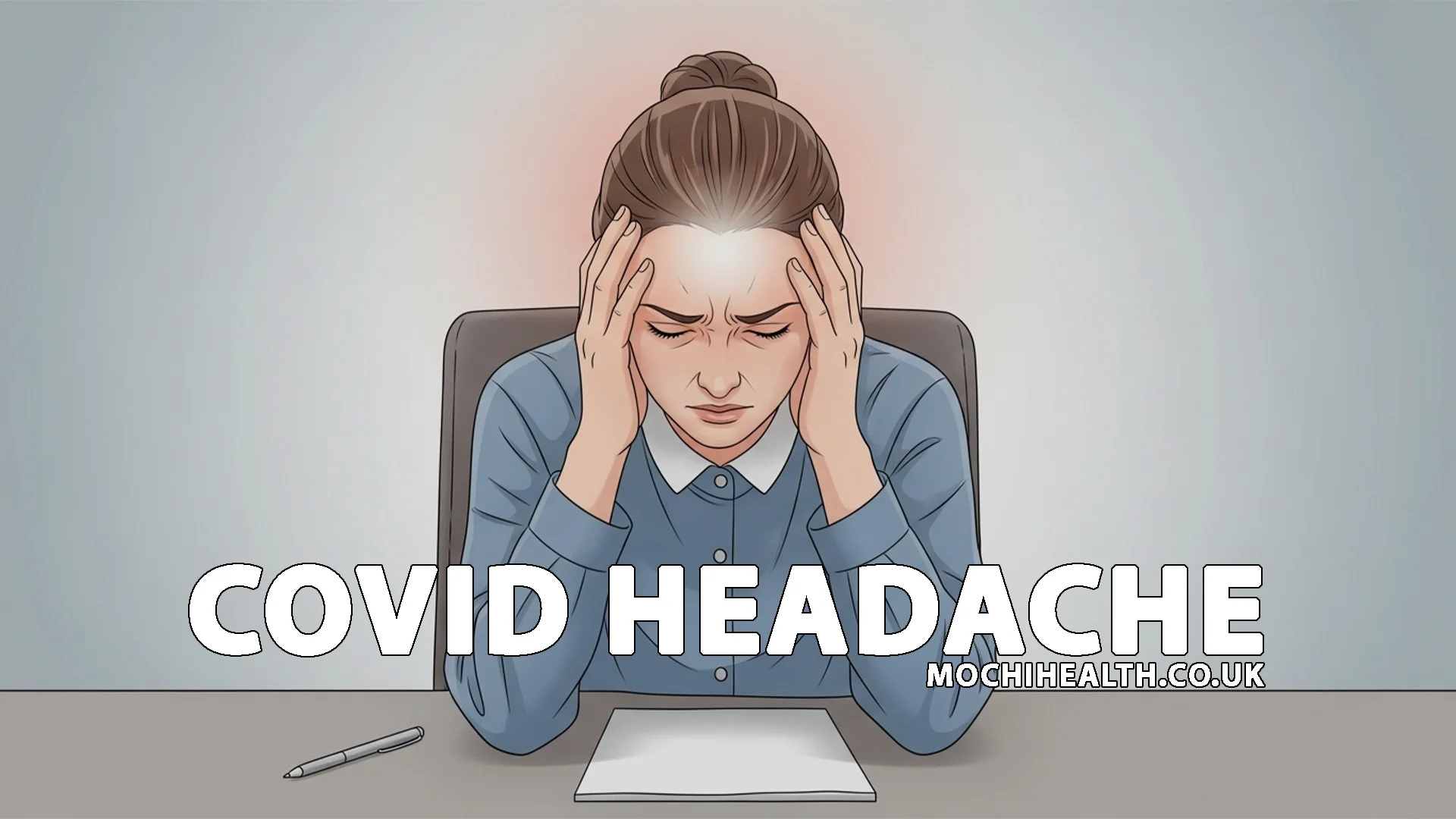
During the global health crisis, people around the world reported a wide range of symptoms that went beyond breathing difficulties and fever. One of the most frequently mentioned neurological complaints was covid headache, a form of head pain that many described as intense, persistent, and different from ordinary headaches. For some, it appeared early in the illness, while for others it continued long after recovery, raising concerns about its cause and long-term impact.
This article explores the nature of this symptom, why it occurs, how it differs from common headaches, and how it affects daily life, based on current medical understanding.
What Is a Covid Headache?
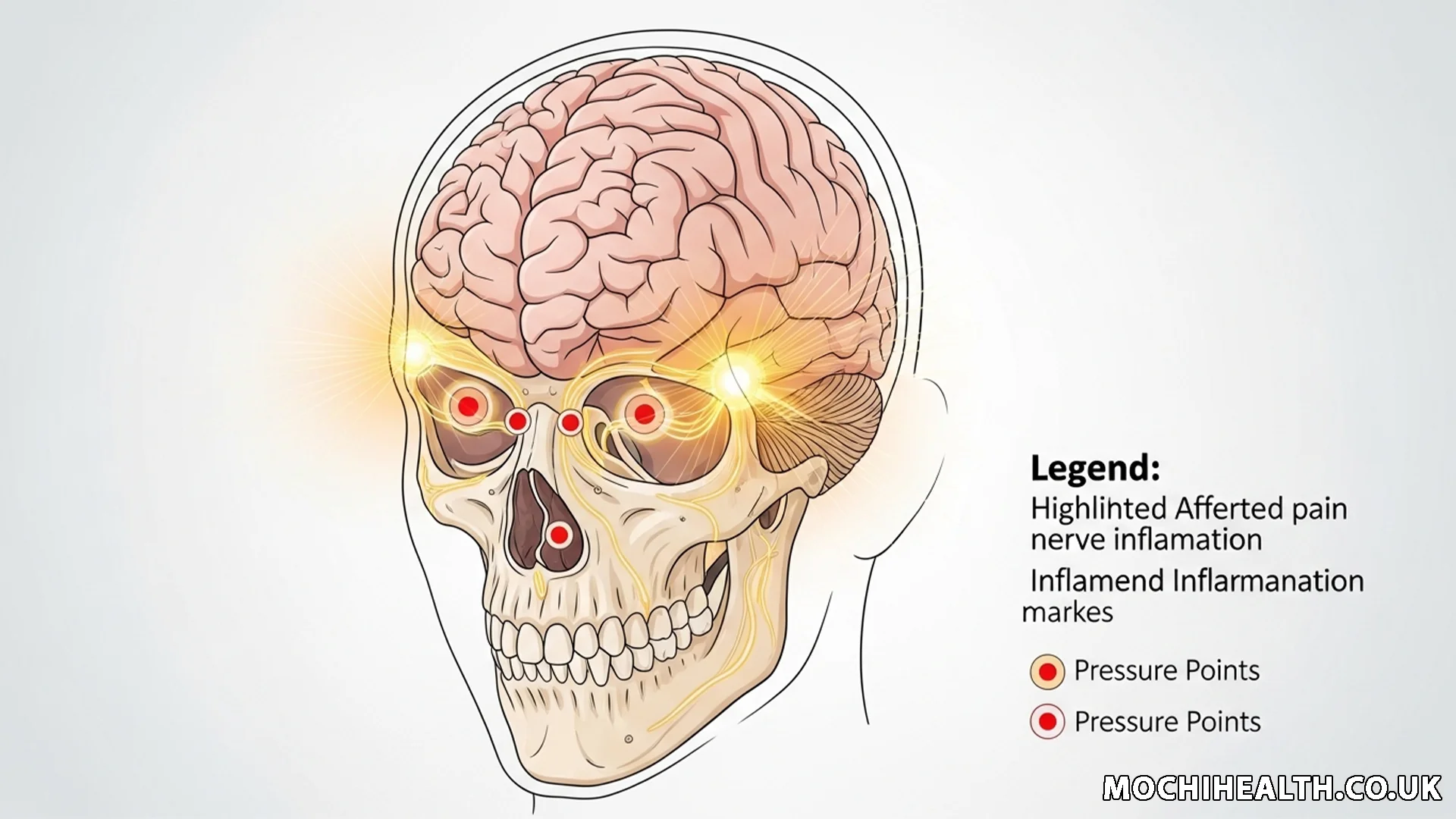
A headache linked to viral infection is not unusual, but what set this experience apart was its consistency and severity. Many individuals reported a constant pressure or tight sensation across the head, often affecting the forehead, temples, or behind the eyes. Unlike typical headaches that come and go, covid headache was frequently described as steady and difficult to ignore.
In some cases, it appeared without nasal congestion or dehydration, which are common headache triggers. This led researchers to believe that the pain was not simply a secondary effect but directly connected to the body’s response to infection.
Why This Headache Feels Different
One defining feature of this condition was its resistance to common pain relief methods. People who usually managed headaches easily found that standard remedies provided little or only temporary relief. The pain often felt deeper, more widespread, and mentally exhausting rather than sharp or throbbing.
Another distinguishing factor was timing. Many individuals experienced head pain before any respiratory symptoms developed, making it an early indicator for some patients.
The Role of the Immune System
The immune response plays a major role in triggering head pain during illness. When the body detects a virus, it releases inflammatory chemicals designed to fight infection. These substances can irritate pain-sensitive nerves and blood vessels in the brain.
In the case of covid headache, this inflammatory response appeared to be stronger or more prolonged in some individuals. Increased inflammation can lead to pressure-like pain and heightened sensitivity to light or sound, even in the absence of fever.
Neurological Involvement
Medical experts believe that the nervous system may be directly or indirectly affected during infection. Inflammation around nerves, especially those responsible for facial and head sensation, can result in prolonged discomfort.
Some patients also reported difficulty concentrating, mental fog, and fatigue alongside head pain. These symptoms suggested that the brain itself was involved, not just the surrounding muscles or sinuses.
How Long Does the Pain Last?
The duration of this symptom varies greatly. For many people, the headache fades within days as the body recovers. For others, however, covid headache becomes part of a longer recovery process, lasting weeks or even months.
Persistent head pain has been commonly reported among individuals experiencing long-term post-viral effects. While this can be frustrating and concerning, many patients eventually notice gradual improvement over time.
Difference Between This and Other Headaches
At first glance, this condition may resemble migraines or tension headaches, but there are key differences. Migraines are often pulsating and may include nausea or visual disturbances. Tension headaches usually feel like a tight band around the head and respond well to rest.
By contrast, covid headache is often described as constant pressure that does not respond easily to rest or relaxation. This distinction has helped doctors better understand and identify the symptom.
Impact on Daily Life
Living with ongoing head pain can affect concentration, sleep, mood, and productivity. Many individuals reported difficulty working, reading, or focusing on screens. Emotional stress, anxiety, and frustration were also common, particularly when symptoms persisted without clear answers.
The uncertainty surrounding recovery often intensified these challenges, highlighting the importance of emotional support and reassurance during the healing process.
When Medical Attention Is Important
Although most cases are not dangerous, certain warning signs should never be ignored. Sudden, extremely severe pain, confusion, vision problems, or weakness may signal a more serious condition unrelated to infection. In such cases, immediate medical evaluation is essential.
Ongoing Research and Medical Understanding
Scientists continue to study how viral infections affect the brain and nervous system. Research focuses on inflammation, immune responses, and long-term neurological effects. These studies aim to improve treatment approaches and provide clearer guidance for those experiencing lingering symptoms.
As medical knowledge grows, understanding of covid headache continues to evolve, offering hope for better management and reassurance for patients.
Conclusion
The widespread experience of covid headache revealed how deeply viral infections can affect the nervous system. What began as a commonly reported symptom became an important area of medical research and patient concern. While the pain can be persistent and disruptive, evidence suggests that most individuals recover gradually with time.
Awareness, patience, and proper medical guidance remain key to navigating this symptom and supporting overall recovery.
Frequently Asked Questions (FAQs)
Is covid headache a common symptom?
Yes, head pain has been reported as one of the most common neurological symptoms during infection. Many individuals experienced it alongside fatigue or fever, while others noticed it as an early or even isolated sign. Its frequency made it an important indicator during widespread outbreaks.
Can a covid headache occur without fever or cough?
It can. Some people reported head pain without developing classic respiratory symptoms. This is one reason why the condition was sometimes overlooked or mistaken for stress-related or sinus-related discomfort in the early stages.
How is this headache different from a normal headache?
Unlike typical headaches, this type of pain is often described as constant pressure rather than intermittent discomfort. It may last longer and respond poorly to usual remedies, which makes it feel more intense and draining than common tension headaches.
Can the headache continue after recovery?
Yes, for some individuals the pain persisted even after other symptoms resolved. This lingering discomfort has been associated with long-term post-viral effects and may gradually improve over time rather than disappearing suddenly.
Is covid headache a sign of brain damage?
In most cases, no. While the symptom involves the nervous system, serious neurological damage is rare. The pain is more commonly linked to inflammation and immune response rather than permanent structural changes.
Medical Disclaimer
This article is intended for informational and educational purposes only. It does not provide medical advice, diagnosis, or treatment. Health conditions and symptoms can vary widely between individuals. Anyone experiencing severe, persistent, or worsening head pain should consult a qualified healthcare professional for personalized medical evaluation and guidance. Never ignore professional medical advice or delay seeking care based on information found in this article.