
Headaches are one of the most common health complaints worldwide. Almost everyone experiences them at some point, whether it’s a dull ache after a long workday, a tight band of pressure during stressful moments, or a throbbing sensation that interferes with focus and comfort. Learning how to get rid of a headache is not just about easing pain in the moment; it is also about understanding why headaches happen and how lifestyle, habits, and overall well-being play a role in prevention.
This in-depth guide explores headaches from every angle. Rather than offering step-by-step instructions, it provides clear, paragraph-based explanations that help you recognize patterns, understand triggers, and make informed decisions about relief and prevention. By the end, you’ll have a practical, realistic understanding of headache management that supports both short-term comfort and long-term health.
Understanding Different Types of Headaches
Headaches are not all the same, and recognizing the variety helps explain why relief methods differ from person to person. Tension headaches are the most common and are often described as a tight or pressing sensation around the forehead or back of the head. These headaches are frequently associated with stress, muscle tension, or prolonged mental concentration.
Migraines are more complex and can involve throbbing pain, sensitivity to light or sound, and even nausea. They are influenced by neurological factors and can last from hours to days. Cluster headaches, though less common, are extremely intense and tend to occur in cycles. Sinus headaches are often linked to congestion and facial pressure, especially during allergies or infections.
Understanding the type of headache you experience provides clarity and helps frame realistic expectations about relief and prevention.
Why Headaches Happen More Often Than You Think
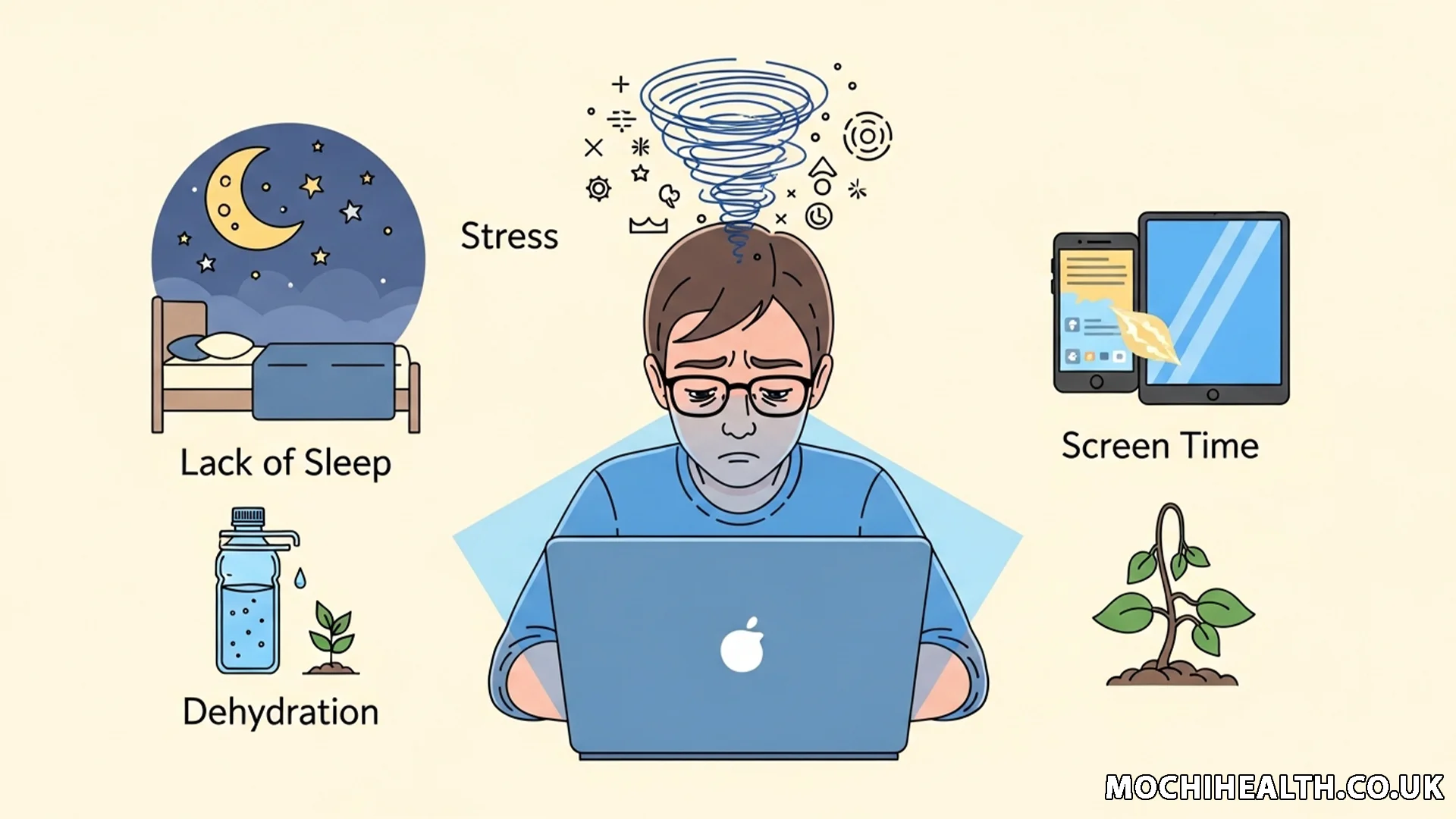
Modern lifestyles create the perfect environment for headaches. Long screen time, irregular meals, poor posture, lack of physical activity, and emotional stress all contribute to head pain. Many people underestimate how small daily habits accumulate and affect the nervous system.
When the body is under constant pressure—physical or mental—it responds through symptoms, and headaches are one of the most common signals. Recognizing headaches as communication from the body rather than isolated events can shift how relief is approached.
Lifestyle Factors That Influence Headache Frequency
Daily routines strongly influence headache patterns. People who spend extended hours sitting, especially in front of screens, often experience muscle tension in the neck and shoulders that radiates upward. Over time, this tension contributes to recurring head pain. Understanding how to get rid of a headache often starts with recognizing how everyday habits quietly influence the body.
Irregular schedules, skipping meals, and limited movement reduce the body’s ability to regulate blood flow and energy levels. When balance is disrupted, headaches become more frequent and persistent.
The Connection Between Stress and Head Pain
Stress is one of the most powerful headache triggers. Emotional pressure causes muscles to tighten and alters hormone levels, both of which affect blood vessels in the head. Chronic stress keeps the body in a heightened state of alertness, making headaches more likely and more intense.
Learning how to get rid of a headache related to stress involves understanding emotional patterns. People who experience frequent tension headaches often notice a link between mental overload and physical discomfort. When stress becomes a constant companion, headaches often follow.
Hydration and Its Role in Headache Relief
Dehydration is a surprisingly common cause of headaches. Even mild fluid loss can affect circulation and reduce oxygen delivery to the brain, leading to discomfort. Many people spend hours focused on tasks without drinking enough water, especially in warm climates or air-conditioned environments.
Recognizing how to get rid of a headache linked to dehydration requires awareness rather than drastic changes. Consistent hydration supports overall brain function and reduces the likelihood of head pain triggered by fluid imbalance.
Sleep Patterns and Headache Sensitivity
Sleep has a direct relationship with headaches. Both insufficient sleep and excessive sleep can trigger head pain. Poor-quality sleep disrupts the body’s natural repair processes and affects neurotransmitters that regulate pain perception.
Those who understand how to get rid of a headache often find that regular sleep patterns play a central role. The brain relies on consistent rest to reset and recover, and when that rhythm is disturbed, headaches become more frequent.
Diet, Nutrition, and Headache Triggers
Food choices influence headaches more than many realize. Skipping meals can cause blood sugar fluctuations, leading to dizziness and head pain. Certain foods may also trigger headaches in sensitive individuals due to additives, preservatives, or natural compounds.
Understanding how to get rid of a headache related to diet means observing how the body reacts to different foods. Balanced nutrition supports stable energy levels and reduces the risk of headaches linked to hunger or nutrient imbalance.
Environmental Influences on Headaches
The environment plays a subtle but significant role in headache development. Bright lighting, loud noise, strong odors, and poor air quality can all contribute to head pain. Changes in weather, especially shifts in barometric pressure, are also known triggers for many people.
Learning how to get rid of a headache associated with environmental factors often involves awareness rather than avoidance. Identifying patterns between surroundings and symptoms helps explain why headaches appear unexpectedly.
Medical and Over-the-Counter Relief Options
Many people rely on over-the-counter medications to manage headaches. These options can be effective when used responsibly, but they are not a long-term solution for recurring pain. Frequent reliance on medication may even contribute to rebound headaches in some cases.
Understanding how to get rid of a headache through medical options requires balance. Medications can provide relief, but addressing underlying causes remains essential for lasting comfort.
Natural and Holistic Approaches to Headache Comfort
Natural approaches to headache relief focus on supporting the body’s ability to restore balance. Relaxation techniques, gentle physical activity, and mindfulness practices help reduce muscle tension and calm the nervous system. Many people explore these options as part of learning how to get rid of a headache without constant medication use.
Holistic approaches emphasize consistency and self-awareness. Over time, they contribute to fewer headaches and improved overall well-being.
Chronic Headaches and When to Be Concerned
Occasional headaches are common, but frequent or severe headaches may signal an underlying issue. Chronic headaches can interfere with daily life, affect mood, and reduce productivity. When head pain becomes persistent, understanding how to get rid of a headache also means recognizing when professional evaluation is necessary.
Medical guidance helps rule out serious conditions and provides tailored management strategies for long-term relief.
Long-Term Strategies for a Headache-Resistant Life
Long-term headache prevention focuses on balance. Consistent routines, emotional awareness, physical movement, and proper rest all contribute to resilience against headaches. People who prioritize overall wellness often experience fewer and less intense episodes.
Learning how to get rid of a headache in the long run is less about quick fixes and more about sustainable habits that support the nervous system and overall health.
Conclusion
Headaches are complex, influenced by physical, emotional, and environmental factors. While occasional discomfort is part of life, recurring headaches signal the need for deeper awareness and balance. Understanding how to get rid of a headache involves recognizing triggers, supporting the body through healthy routines, and knowing when additional support is needed. With the right knowledge and consistent care, it is possible to reduce both the frequency and intensity of headaches, leading to a more comfortable and focused life.
FAQs
What is the most common cause of headaches?
Tension, stress, dehydration, and poor sleep are among the most common causes of headaches in daily life.
Are headaches always a sign of a serious problem?
Most headaches are not serious, but frequent or severe headaches should be evaluated by a healthcare professional.
Can lifestyle changes really reduce headaches?
Yes, consistent routines related to sleep, hydration, stress management, and nutrition can significantly reduce headache frequency.
Why do headaches feel different each time?
Different triggers and headache types affect the nerves and blood vessels in unique ways, leading to varying sensations.
When should I seek medical advice for headaches?
If headaches are persistent, worsening, or accompanied by unusual symptoms, professional evaluation is recommended.