
Magnesium is one of the most essential minerals in the human body, yet it is also one of the most commonly deficient. Among the many forms available today, the debate around magnesium glycinate vs citrate has become increasingly popular due to their wide usage and distinct benefits. While both forms are well-known for their effectiveness, they differ in absorption, digestive effects, and suitability for specific health goals.
This article offers a comprehensive and in-depth comparison designed to help readers understand how these two magnesium forms work, how they differ, and which one may align better with individual wellness needs. Rather than promoting one universally, this discussion focuses on evidence-based characteristics, physiological interactions, and practical considerations.
Understanding Magnesium and Its Role in the Body
Magnesium plays a critical role in more than 300 enzymatic reactions within the human body. It contributes to energy production, nerve signaling, muscle contraction, and protein synthesis. Without adequate magnesium levels, the body may struggle to maintain normal physiological balance, leading to fatigue, muscle discomfort, sleep disturbances, and mood changes.
This mineral is stored primarily in bones and muscles, with a smaller percentage circulating in the blood. Because magnesium participates in so many bodily systems, even mild deficiencies can affect overall well-being. Dietary sources include leafy greens, nuts, seeds, whole grains, and legumes, yet modern diets often fall short of recommended intake levels.
Why Magnesium Supplements Are Commonly Used
Despite magnesium being available through food, supplementation has become increasingly common due to soil depletion, dietary habits, and increased physiological demand. Stress, physical exertion, aging, and certain medical conditions can raise magnesium requirements beyond what diet alone can provide.
Magnesium supplements come in various chemical forms, each bonded to a different compound. These bonds influence how the mineral behaves in the digestive system, how well it is absorbed, and how it affects the body. This is where understanding magnesium glycinate vs citrate becomes especially relevant for informed supplement selection.
What Is Magnesium Glycinate?
Magnesium glycinate is a chelated form of magnesium bound to the amino acid glycine. This bond allows the mineral to be absorbed efficiently while remaining gentle on the digestive system. Glycine itself has calming properties, which can enhance magnesium’s relaxing effects.
This form is often associated with neurological support, muscle relaxation, and sleep quality. Because it is less likely to draw water into the intestines, magnesium glycinate is considered one of the least laxative magnesium forms. This characteristic makes it suitable for individuals with sensitive digestion or those seeking long-term supplementation.
What Is Magnesium Citrate?
Magnesium citrate is magnesium combined with citric acid, a naturally occurring compound found in citrus fruits. This form is highly soluble in water, which allows for relatively fast absorption in the digestive tract.
Due to its osmotic properties, magnesium citrate can increase water retention in the intestines. For this reason, it is sometimes used to support bowel regularity. While this effect can be beneficial for certain individuals, it may not be ideal for those prone to digestive discomfort when comparing magnesium glycinate vs citrate.
Magnesium Glycinate vs Citrate: Core Differences Explained
The comparison between magnesium glycinate vs citrate primarily revolves around absorption behavior, digestive response, and intended use. Although both forms provide elemental magnesium, their binding compounds significantly influence their effects.
Magnesium glycinate emphasizes gentle absorption and calming properties, whereas magnesium citrate focuses on rapid solubility and digestive stimulation. These differences make each form better suited for particular health objectives rather than positioning one as universally superior.
Absorption and Bioavailability Comparison
Bioavailability refers to how efficiently a nutrient is absorbed and utilized by the body. Magnesium glycinate is often praised for its high bioavailability due to its chelated structure, which allows it to pass through the intestinal wall with minimal interference.
Magnesium citrate also demonstrates good absorption but may be partially limited by its laxative effect, which can reduce retention time in the intestines. When analyzing magnesium glycinate vs citrate, individuals seeking consistent magnesium levels without digestive disruption often lean toward glycinate.
Digestive Tolerance and Gut Impact
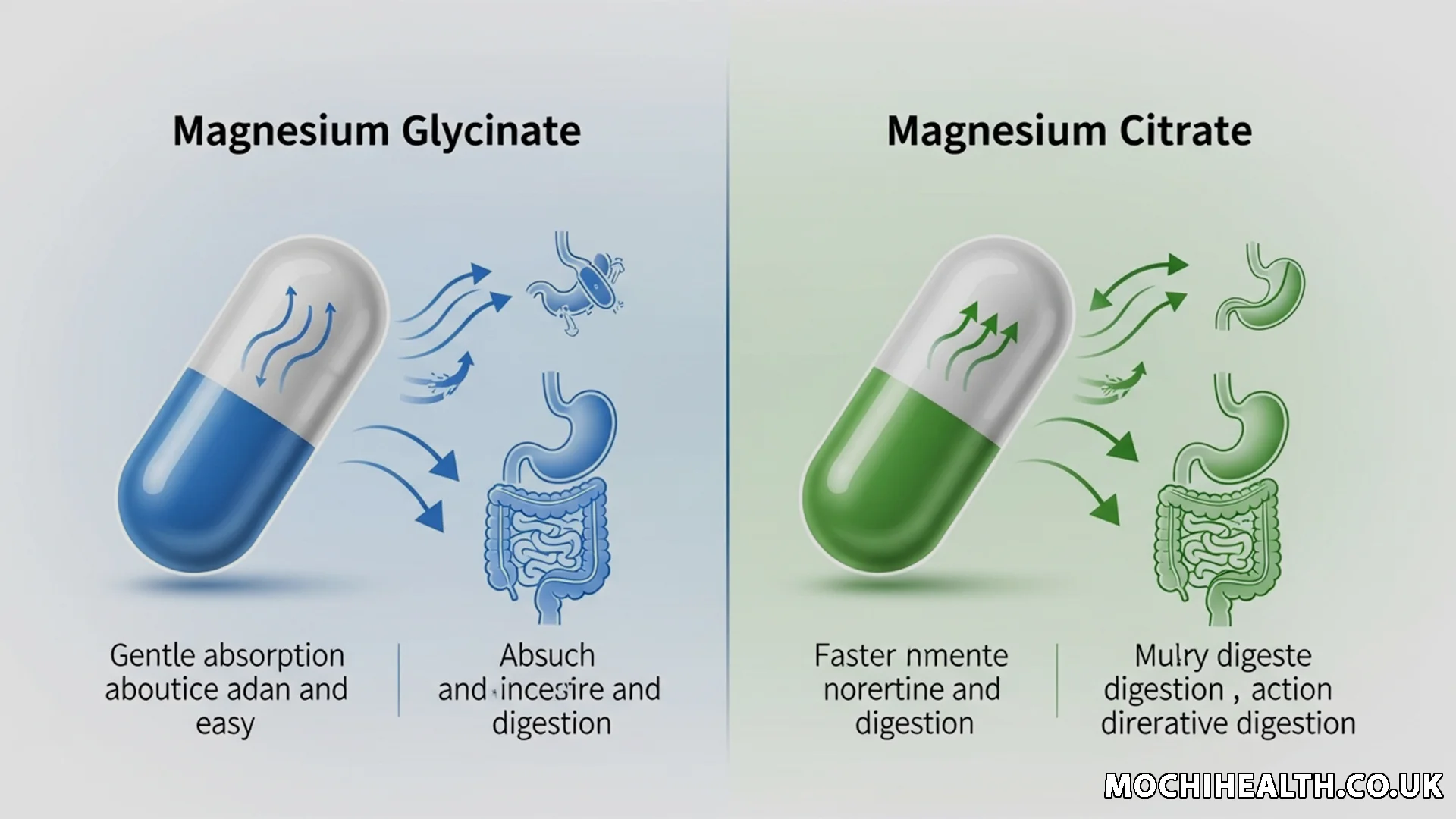
Digestive comfort is a major factor in supplement adherence. Magnesium glycinate is widely regarded as gentle and well-tolerated, even at moderate doses. It does not significantly stimulate bowel movement, making it suitable for daily use.
Magnesium citrate, on the other hand, may cause loose stools in some individuals, especially at higher intakes. While this effect can be beneficial for relieving occasional constipation, it may be undesirable for those with sensitive digestion. This distinction is one of the most practical considerations in the magnesium glycinate vs citrate discussion.
Magnesium Glycinate vs Citrate for Sleep and Relaxation
Sleep quality is closely tied to magnesium levels, as the mineral supports neurotransmitters involved in relaxation. Magnesium glycinate is often associated with improved sleep patterns due to the calming nature of glycine.
Magnesium citrate can also support relaxation, but its digestive activity may interfere with nighttime comfort for some individuals. When sleep support is the primary goal, the comparison of magnesium glycinate vs citrate often favors glycinate due to its soothing neurological profile.
Mental Health, Stress, and Mood Support
Magnesium influences the nervous system by regulating neurotransmitters and stress hormones. Glycine, the amino acid component of magnesium glycinate, acts as an inhibitory neurotransmitter, contributing to emotional balance and calmness.
Magnesium citrate provides magnesium effectively but lacks the additional neurochemical support offered by glycine. For individuals prioritizing stress management, emotional regulation, or anxiety support, the differences between magnesium glycinate vs citrate become particularly meaningful.
Muscle Function, Cramps, and Physical Performance
Magnesium plays a central role in muscle contraction and relaxation. Deficiency may contribute to cramps, tension, and soreness. Both magnesium glycinate and citrate support muscle function, but their delivery methods differ.
Magnesium glycinate’s steady absorption may be preferable for long-term muscle support, while magnesium citrate’s quicker action may offer more immediate effects. Athletes and physically active individuals often evaluate magnesium glycinate vs citrate based on recovery needs and digestive tolerance.
Bone Health and Long-Term Wellness
Approximately 60 percent of the body’s magnesium is stored in bones, where it supports structural integrity and calcium metabolism. Long-term magnesium intake is essential for maintaining bone density, particularly with aging.
Magnesium glycinate is often chosen for sustained supplementation due to its gentle nature, while magnesium citrate may be used periodically. From a longevity perspective, the magnesium glycinate vs citrate comparison often centers on consistency and comfort rather than short-term results.
Cardiovascular and Metabolic Support
Magnesium contributes to heart rhythm regulation, blood vessel relaxation, and glucose metabolism. Adequate magnesium intake is associated with cardiovascular health and metabolic balance.
Both forms support these functions effectively, but magnesium glycinate’s stable absorption may offer more predictable blood magnesium levels. For individuals managing long-term cardiovascular wellness, the choice between magnesium glycinate vs citrate should consider individual tolerance and consistency.
Suitability for Different Health Needs
Each magnesium form serves different purposes depending on personal health goals. Magnesium glycinate is commonly selected for neurological support, sleep quality, and daily supplementation. Magnesium citrate is often chosen for digestive support or short-term use.
Rather than identifying a single “best” option, the comparison of magnesium glycinate vs citrate highlights the importance of aligning supplement choice with specific physiological needs and lifestyle factors.
Safety, Dosage Awareness, and Side Effects
Magnesium supplements are generally safe when consumed within recommended limits. Excessive intake, however, may cause digestive upset or imbalance. Magnesium glycinate tends to have fewer gastrointestinal side effects, while magnesium citrate may cause diarrhea if intake exceeds tolerance levels.
Individuals with kidney conditions or those taking medications should consult healthcare professionals before supplementation. Safety considerations apply equally when evaluating magnesium glycinate vs citrate, emphasizing responsible and informed usage.
Choosing the Right Form of Magnesium
Selecting the appropriate magnesium supplement involves understanding personal health priorities, digestive sensitivity, and intended outcomes. Those seeking relaxation, sleep support, and minimal digestive interference often gravitate toward magnesium glycinate.
Those addressing occasional constipation or seeking rapid magnesium delivery may prefer magnesium citrate. The decision between magnesium glycinate vs citrate ultimately depends on how the body responds to each form rather than a universal recommendation.
Conclusion
The comparison of magnesium glycinate vs citrate reveals that both forms offer valuable health benefits, yet serve different purposes. Magnesium glycinate stands out for its gentle absorption, calming properties, and suitability for long-term use. Magnesium citrate remains effective for absorption and digestive support but may not suit everyone due to its laxative potential.
Understanding these distinctions allows individuals to make informed decisions based on personal wellness goals, digestive tolerance, and lifestyle needs. Rather than viewing one as superior, recognizing their complementary roles leads to smarter supplementation choices.
Frequently Asked Questions (FAQs)
Is magnesium glycinate better than magnesium citrate?
Magnesium glycinate is often preferred for its gentle digestion and calming effects, while magnesium citrate may be better suited for digestive support. The better option depends on individual needs.
Can magnesium citrate cause digestive issues?
Yes, magnesium citrate can cause loose stools in some individuals, especially at higher intakes, due to its osmotic properties.
Which magnesium form is best for sleep?
Magnesium glycinate is commonly associated with improved sleep quality because glycine supports relaxation and nervous system balance.
Are both forms equally effective?
Both forms provide magnesium effectively, but their absorption behavior and side effects differ, making them suitable for different purposes.
Can magnesium supplements be taken long term?
Magnesium glycinate is generally preferred for long-term use due to its high tolerance, while magnesium citrate may be better for short-term or targeted use.