
Tooth pain has a unique way of taking over a person’s day. It can start suddenly, grow rapidly, and become impossible to ignore. When pain reaches the nerve, it often feels sharp, throbbing, and persistent. In moments of intense discomfort, people search for fast solutions and frequently type the phrase kill tooth pain nerve in 3 seconds permanently hoping for immediate relief.
This search reflects urgency and desperation. Severe tooth pain interferes with sleep, eating, and even speaking. While the idea of instant permanent relief sounds comforting, the real story behind tooth nerve pain is more complex. Understanding how dental nerves work and how pain develops helps explain why lasting relief requires proper care and treatment rather than quick fixes.
This article explores the science, causes, treatments, myths, and prevention strategies surrounding tooth nerve pain while addressing the widespread search for ways to kill tooth pain nerve in 3 seconds permanently.
Why Tooth Nerve Pain Feels So Intense
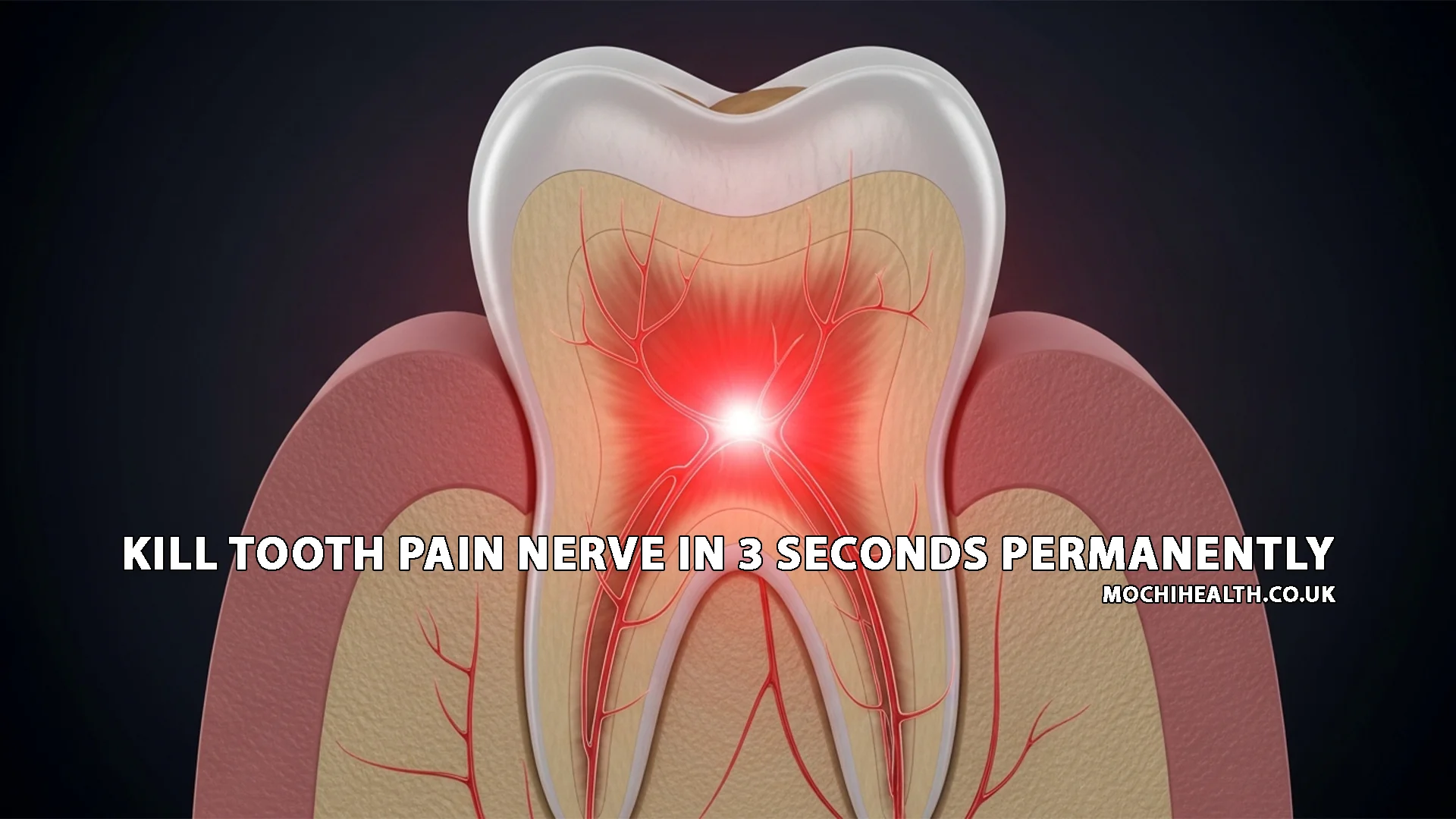
Tooth nerve pain is often described as one of the most severe types of pain in the body. Teeth contain a soft inner layer called the pulp, which houses nerves and blood vessels. This delicate tissue is surrounded by hard enamel and dentin, leaving little room for swelling.
When infection or irritation reaches the pulp, inflammation develops inside a confined space. The pressure builds rapidly, compressing the nerve and triggering intense pain signals. This pressure explains why many people urgently search for ways to kill tooth pain nerve in 3 seconds permanently when discomfort becomes overwhelming.
Unlike muscle or skin injuries, dental pain cannot expand outward to relieve pressure. The nerve remains trapped, making even mild inflammation feel extreme.
The Truth Behind Instant Tooth Pain Relief
The idea of eliminating nerve pain instantly is appealing, but permanent relief cannot safely happen within seconds. Pain may temporarily fade due to numbing effects or reduced inflammation, yet the root cause remains.
The phrase kill tooth pain nerve in 3 seconds permanently is rooted in the desire for fast comfort rather than dental reality. Permanent nerve pain removal requires professional treatment to address infection or structural damage inside the tooth.
Temporary relief methods may calm symptoms, but the pain usually returns if the underlying issue is not treated.
What Happens Inside an Infected Tooth
When bacteria penetrate enamel and dentin, they eventually reach the pulp. The immune system reacts by sending white blood cells to fight the infection. This response creates inflammation, swelling, and pressure inside the tooth.
This process is why pain becomes constant and throbbing. Many people experiencing this stage urgently search how to kill tooth pain nerve in 3 seconds permanently because the discomfort feels unbearable.
Without treatment, infection can spread to surrounding tissues and worsen over time.
Common Causes of Severe Tooth Nerve Pain
Tooth nerve pain can develop from several dental conditions, each capable of causing intense discomfort.
Tooth Decay
Cavities that reach the pulp expose the nerve to bacteria and temperature changes.
Dental Abscess
An abscess forms when infection creates a pocket of pus near the tooth root, often producing severe throbbing pain.
Cracked or Broken Teeth
Small fractures allow bacteria and air to reach the nerve, triggering sharp sensitivity.
Gum Disease
Advanced gum disease exposes roots and irritates nerve endings.
Teeth Grinding
Chronic grinding puts pressure on teeth and can inflame nerves.
Each of these conditions can lead individuals to search for ways to kill tooth pain nerve in 3 seconds permanently during moments of intense discomfort.
Temporary Relief vs Permanent Solutions
Temporary relief focuses on reducing inflammation and numbing pain signals. Permanent solutions eliminate infection or damage inside the tooth.
Temporary relief may provide comfort for hours or days, but the pain often returns. Permanent solutions involve professional dental care that removes infected tissue and protects the tooth.
The phrase kill tooth pain nerve in 3 seconds permanently often blends these two ideas, creating confusion between short-term comfort and lasting treatment.
Professional Treatments That End Tooth Nerve Pain
Dentists use advanced techniques to permanently resolve nerve pain and restore oral health.
Root Canal Therapy
This treatment removes infected pulp and seals the tooth, stopping pain permanently while preserving the tooth.
Dental Fillings
Fillings repair cavities before they reach the nerve, preventing future pain.
Dental Crowns
Crowns protect damaged teeth from further irritation and infection.
Tooth Extraction
In severe cases, removing the tooth eliminates the source of infection and pain.
Many individuals searching for kill tooth pain nerve in 3 seconds permanently ultimately require one of these treatments for long-term relief.
Emotional and Daily Impact of Tooth Pain

Tooth pain affects more than physical comfort. It can disrupt sleep, reduce productivity, and impact mood. Persistent pain often leads to anxiety and frustration, increasing the desire for immediate relief.
This emotional stress is a major reason people search for ways to kill tooth pain nerve in 3 seconds permanently during painful episodes.
Relief from dental pain improves overall well-being and daily life.
Preventing Future Tooth Nerve Problems
Prevention plays a crucial role in avoiding severe tooth pain. Good oral hygiene and regular dental visits help detect problems early.
Healthy habits reduce the likelihood of infections and nerve exposure. When prevention becomes part of daily life, the need to kill tooth pain nerve in 3 seconds permanently becomes far less common.
Myths About Killing Tooth Pain Instantly
Many myths promise instant cures for tooth pain. Some suggest substances or tricks that claim to destroy the nerve immediately. These claims often lack scientific support and may even harm teeth and gums.
Believing these myths can delay proper treatment and worsen dental conditions.
Understanding the difference between myth and reality encourages safer decisions about oral health.
Long-Term Oral Health and Protection
Long-term dental health depends on consistent care and early treatment. Strong enamel, healthy gums, and regular checkups protect tooth nerves from damage.
When oral health is prioritized, the search for ways to kill tooth pain nerve in 3 seconds permanently becomes unnecessary.
Conclusion
The desire to kill tooth pain nerve in 3 seconds permanently comes from the intense and overwhelming nature of dental pain. While instant permanent relief is not realistic without professional treatment, real solutions exist that can eliminate pain and restore comfort.
Understanding the causes of tooth nerve pain and seeking proper dental care ensures lasting relief and healthier teeth. Prevention, awareness, and timely treatment remain the most effective ways to avoid severe dental discomfort.
FAQs
Can tooth nerve pain go away without treatment?
Pain may temporarily fade, but the underlying issue usually worsens without dental care.
Why is tooth pain so severe?
Inflammation inside the tooth creates pressure that compresses the nerve, causing intense pain.
Is permanent nerve removal possible?
Yes, root canal treatment can permanently remove infected pulp and stop pain.
Can stress increase tooth pain?
Yes, stress can lead to grinding and increased inflammation, worsening discomfort.
How can tooth nerve pain be prevented?
Good oral hygiene, regular dental visits, and early treatment are the best prevention methods.