
In recent years, conversations around mental wellness have shifted from private whispers to public dialogue. People across the world now openly discuss stress, burnout, overstimulation, and the pressure of constant productivity. In this environment, small self-regulation tools have quietly gained popularity. Among them, the anxiety pen has emerged as a simple yet surprisingly powerful companion for modern life.
Unlike complex wellness devices or time-consuming therapies, this small object blends seamlessly into daily routines. It fits in a pocket, sits on a desk, and travels easily between work, school, and home. Yet behind its simplicity lies a deeper connection to psychology, sensory regulation, and emotional self-soothing.
This article explores the meaning, psychology, benefits, misconceptions, and growing cultural importance of anxiety pens in today’s fast-paced world.
Understanding Everyday Anxiety in the Modern World
Anxiety has become one of the defining emotional experiences of the 21st century. While clinical anxiety disorders affect millions, everyday anxiety touches nearly everyone. It appears in crowded commutes, tight deadlines, social interactions, and digital overload. The brain, designed to respond to danger, often struggles to distinguish between real threats and modern stressors.
Technology has intensified this experience. Constant notifications, social media comparison, and the expectation of rapid responses create a state of persistent mental alertness. Even moments of rest can feel temporary or incomplete.
In response, people search for subtle and practical ways to regain control. They look for tools that help them stay present without disrupting their responsibilities. This search has fueled the popularity of portable grounding objects that offer comfort without drawing attention.
What Is an Anxiety Pen?
An anxiety pen is a writing instrument designed with sensory features that encourage calmness, focus, and emotional regulation. At first glance, it resembles a normal pen, but its design incorporates textures, rotating components, or weighted structures that provide tactile stimulation.
This combination of functionality and sensory feedback makes it unique. It is not merely a gadget or toy. It is a bridge between productivity and emotional self-care.
Many people find comfort in small repetitive movements such as tapping, twisting, or rolling objects in their hands. Anxietypens transform those natural impulses into a purposeful activity that fits naturally into everyday tasks like writing, note-taking, or brainstorming.
The beauty of the concept lies in its subtlety. It does not announce itself as a wellness tool. Instead, it integrates calm into routine.
The Psychology Behind Tactile Stress Relief
Human beings are deeply sensory creatures. Touch, in particular, plays a powerful role in emotional regulation. From childhood onward, tactile experiences help the brain learn safety, comfort, and grounding.
When anxiety rises, the nervous system enters a heightened state of alertness. Muscles tense, breathing changes, and thoughts accelerate. Engaging the sense of touch can gently interrupt this cycle.
The anxiety pen works by giving the hands something rhythmic and predictable to focus on. This repetitive motion signals safety to the nervous system, encouraging a shift away from the fight-or-flight response.
Psychologists often refer to this process as grounding. Grounding techniques help individuals reconnect with the present moment instead of spiraling into worry about the future or rumination about the past.
Why Small Objects Can Create Big Emotional Comfort
It may seem surprising that such a small object can have a meaningful impact on emotional well-being. However, the human brain often responds strongly to subtle environmental cues.
Objects associated with safety and familiarity can become psychological anchors. They create a sense of control in situations that feel unpredictable or overwhelming.
The anxiety pen functions as a micro-anchor. It provides a consistent sensory experience that remains unchanged even when surroundings feel chaotic. This consistency helps create emotional stability.
Additionally, the act of writing itself has therapeutic value. Writing slows thoughts, organizes emotions, and encourages reflection. Combining writing with tactile stimulation enhances this calming effect.
Types of Anxiety Pens and Their Design Evolution
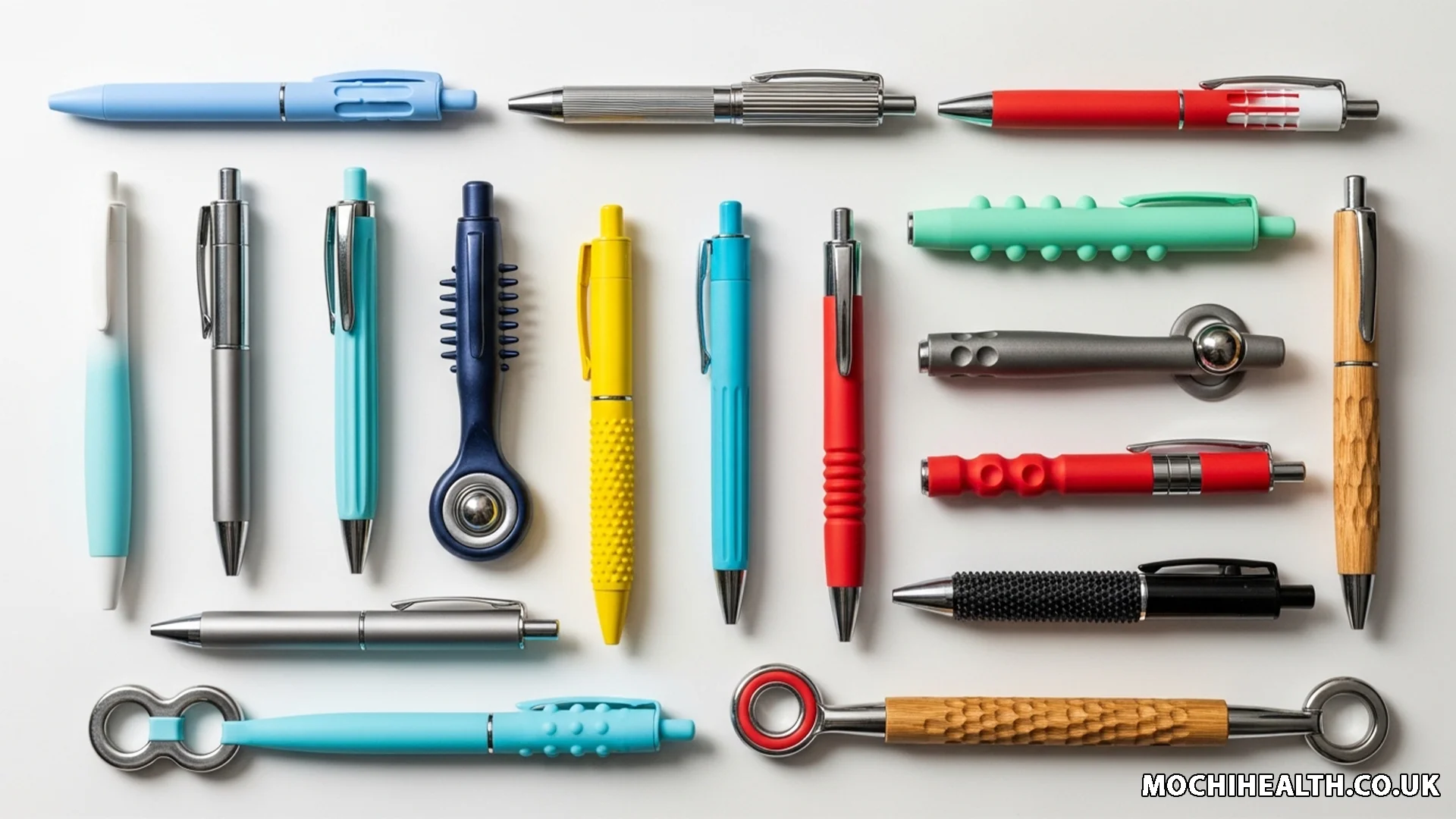
Design innovation has transformed anxiety pens into a diverse category. Some models emphasize texture, featuring ridges, grooves, or soft grips that provide subtle sensory feedback. Others incorporate rotating rings or click mechanisms that allow gentle fidgeting without noise.
Weighted designs have also gained popularity. A slightly heavier pen can create a grounding sensation, similar to the calming effect of weighted blankets. The additional weight encourages slower, more deliberate movement, which can reduce restlessness.
The anxiety pen has evolved from simple novelty items into thoughtfully engineered tools. Designers now consider ergonomics, durability, and aesthetic appeal alongside mental wellness benefits. This shift reflects a growing understanding that emotional well-being deserves attention in everyday objects.
How Anxiety Pens Support Productivity and Focus
Focus and calmness are closely connected. When the mind feels overwhelmed, concentration becomes difficult. Thoughts jump between tasks, and productivity declines.
Tactile engagement can help stabilize attention. Gentle movement allows excess nervous energy to dissipate without distracting the mind. This creates a state sometimes described as relaxed focus.
The anxiety pen supports this state by occupying the hands while the brain engages in cognitive tasks. Many users report improved concentration during meetings, lectures, and creative sessions.
Rather than competing with productivity, the pen complements it. It transforms restless energy into a steady rhythm that supports sustained attention.
Anxiety Pens in Workplaces, Schools, and Creative Spaces
Modern environments often demand prolonged sitting and intense mental effort. Meetings stretch for hours, lectures require continuous attention, and creative work involves deep concentration.
In such settings, subtle self-regulation tools are particularly valuable. They allow individuals to manage stress without disrupting others.
The anxiety pen has become increasingly common in offices and classrooms. Because it resembles a standard writing tool, it blends seamlessly into professional environments. This discretion makes it especially appealing for people who want emotional support without drawing attention.
Creative professionals also embrace tactile tools. Artists, writers, and designers often rely on physical movement to stimulate ideas. The gentle motion of a sensory pen can spark creativity and reduce mental blocks.
The Role of Sensory Regulation in Mental Wellness
Sensory regulation is a growing field within psychology and occupational therapy. It focuses on how sensory input influences emotional states, behavior, and attention.
People differ in how they respond to sensory experiences. Some seek stimulation, while others feel overwhelmed by it. Understanding these differences helps individuals create environments that support their well-being.
The anxiety pen provides adjustable sensory input. Users can engage with it as much or as little as they need. This flexibility makes it suitable for a wide range of preferences and sensitivities.
By offering a controlled sensory experience, the pen helps maintain emotional balance in environments that might otherwise feel overstimulating.
Who Benefits Most from Using Anxiety Pens?
Although anyone can enjoy the calming effects of tactile tools, certain groups often find them particularly helpful. Students facing academic pressure may use them during exams or study sessions. Professionals navigating high-stress workplaces may rely on them during meetings or presentations.
Individuals with attention challenges often benefit from subtle movement while focusing. Gentle fidgeting can help maintain engagement without becoming distracting.
The anxiety pen also appeals to people who experience social anxiety. Holding a small object can reduce the discomfort of idle hands during conversations or public speaking.
Ultimately, the appeal of anxiety pens lies in their universality. They support emotional regulation without requiring specialized knowledge or training.
Integrating Anxiety Pens into Mental Health Routines
Modern self-care often emphasizes consistency and accessibility. Small daily habits can create meaningful long-term change.
An anxiety pen can become part of a broader wellness routine. It pairs naturally with journaling, note-taking, brainstorming, and reflection. These activities encourage emotional processing and self-awareness.
The anxietypen serves as a reminder to pause and breathe during busy days. Its presence on a desk or in a bag symbolizes a commitment to mental well-being.
Over time, this association strengthens. The brain begins to connect the pen with calmness, creating a positive feedback loop.
Choosing the Right Anxiety Pen: What Matters Most
Personal preference plays a major role in selecting a sensory tool. Texture, weight, size, and aesthetics all influence how comfortable the pen feels.
Some people prefer minimalist designs that blend into professional settings. Others enjoy bold colors or unique materials that reflect personality.
When choosing an anxiety pen, comfort and durability are often key considerations. A pen that feels pleasant to hold encourages regular use, which enhances its benefits.
The right pen becomes more than a tool. It becomes a trusted companion in daily life.
Common Misconceptions About Anxiety Pens
Despite their growing popularity, anxietypens are sometimes misunderstood. Some people assume they are toys or distractions rather than legitimate wellness tools.
This misconception overlooks the science of sensory regulation. Tactile engagement has long been recognized as a valuable coping mechanism.
Another misconception is that such tools replace professional mental health care. In reality, they complement broader wellness strategies. They provide everyday support rather than clinical treatment.
Understanding these distinctions helps reduce stigma and encourages open conversations about mental health.
The Future of Portable Calm Tools
As mental wellness continues to gain attention, everyday objects are evolving to support emotional health. Designers increasingly consider how products can reduce stress and enhance comfort.
The anxietypen represents a shift toward integrating wellness into routine life. Instead of separating productivity and self-care, it combines them.
Future innovations may include new materials, customizable textures, and smart technology integration. These developments reflect a broader cultural recognition that mental health deserves daily attention.
Conclusion
The rise of anxietypens reflects a larger cultural transformation. People are no longer waiting for crises to prioritize mental health. Instead, they seek small, practical ways to maintain emotional balance every day.
This simple tool demonstrates that wellness does not always require dramatic changes. Sometimes, comfort comes from subtle shifts in routine and environment.
By combining tactile stimulation with everyday functionality, anxietypens offer a gentle reminder that calmness can exist alongside productivity. In a world that often feels overwhelming, this small object represents a meaningful step toward everyday emotional resilience.
FAQs
What is an anxiety pen used for?
An anxiety pen is designed to provide tactile stimulation while writing, helping users feel calmer, more focused, and grounded during daily tasks.
Are anxiety pens suitable for professional environments?
Yes. Their appearance resembles standard pens, making them discreet and appropriate for offices, meetings, and classrooms.
Can anxiety pens replace therapy or medical treatment?
No. They are supportive tools that complement broader mental health practices but do not replace professional care.
Do anxiety pens help with concentration?
Many users report improved focus because gentle movement helps release nervous energy and stabilize attention.
Who can benefit from using an anxiety pen?
Students, professionals, creatives, and anyone experiencing everyday stress or restlessness may find them helpful.
Are anxiety pens only for people with anxiety disorders?
No. They are designed for general stress management and can be useful for anyone seeking calm and focus.