
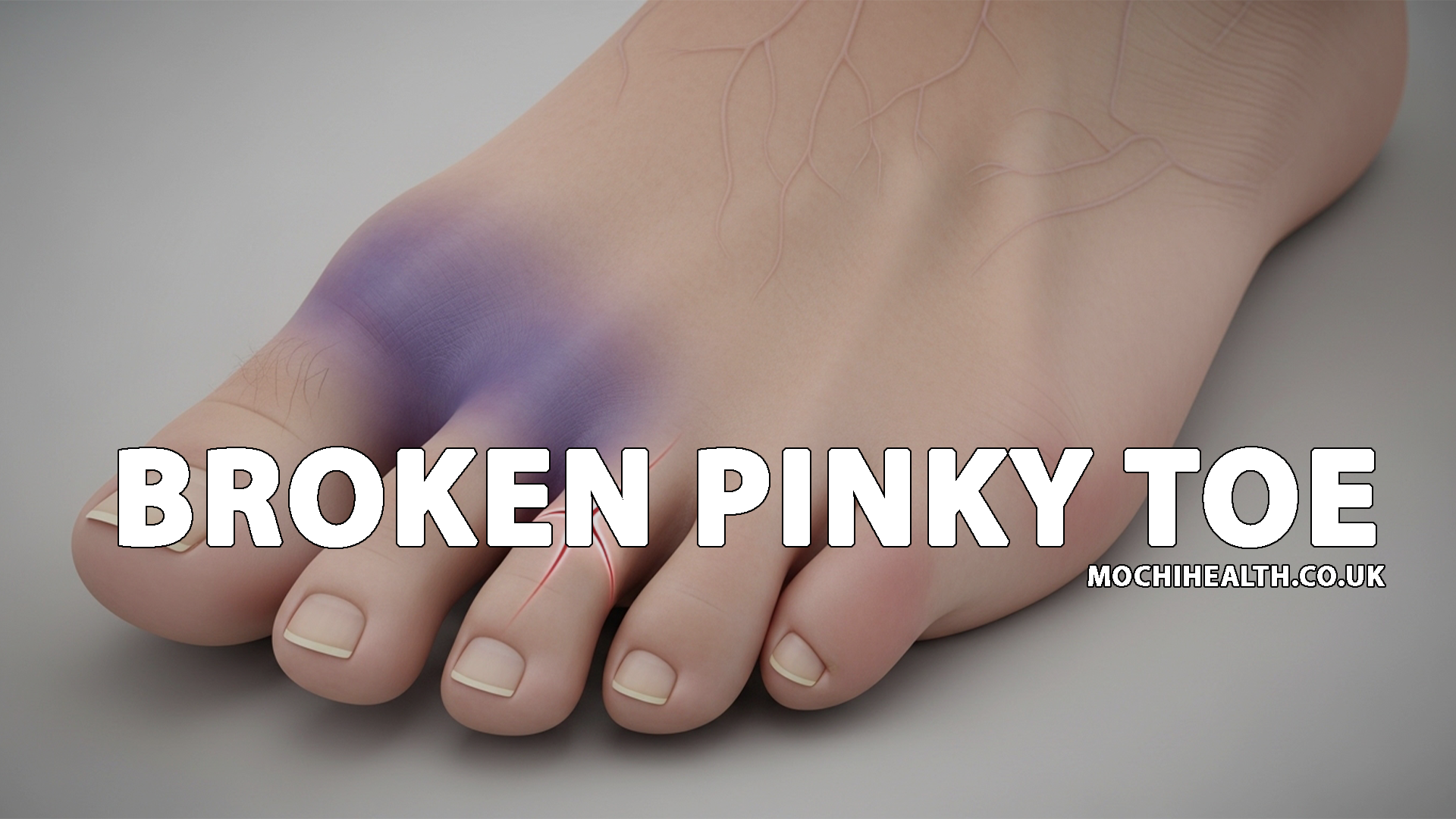
A broken pinky toe is a common but often underestimated injury. Despite its small size, the pinky toe plays an important role in maintaining balance and stability when walking or running. Many people neglect the severity of a broken pinky toe because the pain is often perceived as minor. However, untreated injuries can lead to chronic discomfort, difficulty walking, and long-term complications. Understanding the causes, symptoms, treatment options, and recovery process is essential to ensure proper care and prevent long-term issues.
Understanding a Broken Pinky Toe
The pinky toe, also known as the fifth toe, is the smallest of the five toes but plays a significant role in weight distribution and balance. A broken pinky toe occurs when one of the bones in the toe, usually the proximal or distal phalanx, fractures due to trauma, impact, or repetitive stress. Unlike larger fractures, a broken pinky toe often goes unnoticed or is ignored due to its minimal interference with daily activities. However, even minor fractures can cause significant discomfort and mobility issues if left untreated.
Causes of a Broken Pinky Toe
A broken pinky toe can result from various accidents and activities. The most common causes include direct trauma, such as stubbing the toe against furniture, dropping heavy objects on the foot, or participating in high-impact sports. Repetitive stress, such as excessive running or dancing, can also weaken the toe bones over time, making them susceptible to fractures. Additionally, certain health conditions like osteoporosis or weakened bone density increase the risk of a broken pinky even with minor trauma. Environmental factors, such as wearing tight or ill-fitting shoes, can also contribute to accidental fractures.
Symptoms to Watch For
Identifying a broken pinky toe is often possible by observing several key symptoms. The most obvious symptom is pain, which can range from mild to severe, depending on the type and location of the fracture. Swelling and bruising are also common, often extending to the surrounding toes and foot area. In some cases, the toe may appear deformed or misaligned, especially if the fracture is displaced. Difficulty walking or bearing weight on the foot is another warning sign, as is tenderness when the affected area is touched. While these symptoms are similar to a simple sprain, persistent discomfort is a strong indicator of a fracture.
Diagnosis of a Broken Pinky Toe
Proper diagnosis of a broken pinky typically involves a physical examination by a healthcare professional. A doctor will assess the toe for swelling, bruising, deformity, and range of motion. X-rays are the most reliable method for confirming a fracture and determining its severity. In some cases, additional imaging such as a CT scan may be required, especially if there is suspicion of multiple fractures or complications involving joint surfaces. Early diagnosis ensures timely treatment, preventing long-term mobility issues and chronic pain.
Treatment Options
The treatment of a broken pinky depends on the severity of the fracture. Mild, non-displaced fractures often require minimal intervention, including rest, ice application, and wearing protective footwear. A technique called buddy taping, where the pinky toe is taped to an adjacent toe, can provide stability and support. More severe fractures, such as displaced or compound fractures, may require medical intervention, including splinting or even surgical correction. Pain management is typically achieved through over-the-counter medications, and in some cases, prescription pain relief may be necessary. Proper footwear and avoiding high-impact activities during recovery are essential to facilitate healing.
Recovery and Healing Time
Recovery from a broken pinky varies depending on the severity of the fracture and adherence to treatment. On average, minor fractures heal within 4 to 6 weeks, while more severe injuries may take 6 to 8 weeks or longer. During this period, it is important to minimize pressure on the toe and avoid activities that could aggravate the injury. Gradual reintroduction to walking and exercise is recommended once the pain and swelling have subsided. Following medical advice and allowing sufficient time for bone healing significantly reduces the risk of long-term complications, such as chronic pain or misalignment.
Complications and Risks
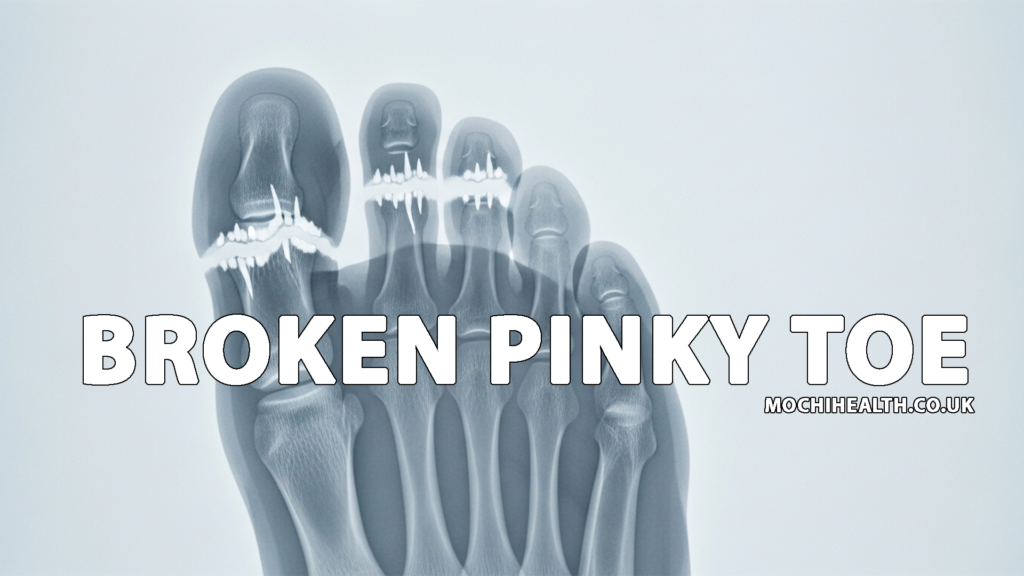
Ignoring a broken pinky toe or inadequate treatment can result in several complications. Persistent misalignment of the toe bones can lead to chronic pain and difficulty walking. Arthritis may develop in the toe joint if the fracture involves the joint surface. Secondary injuries, such as corns or calluses, can form due to altered gait patterns. In rare cases, untreated fractures may require surgical intervention to correct deformities and restore proper function. Early attention to symptoms and proper care are crucial to avoid these risks and ensure a smooth recovery.
Preventing a Broken Pinky Toe
While accidents can happen, there are measures to reduce the risk of a broken pinky toe. Wearing properly fitting shoes with adequate protection and support is one of the most effective preventive strategies. Being cautious in environments with obstacles, such as crowded rooms or poorly lit spaces, helps prevent stubbing or dropping objects on the feet. Engaging in exercises that strengthen foot muscles and improve balance can also reduce the risk of falls and injuries. Additionally, maintaining bone health through a diet rich in calcium and vitamin D is important, especially for individuals prone to fractures.
Conclusion
A broken pinky toe may seem minor at first glance, but it can significantly affect daily activities and overall mobility if left untreated. Recognizing the causes, symptoms, and proper treatment options is essential for a smooth recovery and prevention of long-term complications. Early diagnosis, appropriate medical care, and adherence to recovery guidelines ensure that a broken pinky toe heals effectively. By taking preventive measures and practicing caution, individuals can protect their toes from accidental injuries and maintain overall foot health.
FAQs
1. How can I tell if my pinky toe is broken or just bruised?
A broken pinky toe often involves sharp pain, swelling, bruising, and sometimes deformity. Persistent pain and difficulty walking are strong indicators of a fracture, while a bruise usually improves with rest and ice.
2. How long does a broken pinky toe take to heal?
Minor fractures typically heal in 4 to 6 weeks. More severe fractures, especially displaced ones, may take 6 to 8 weeks or longer. Healing time varies based on age, overall health, and adherence to treatment.
3. Can I walk on a broken pinky toe?
Walking is possible in some minor fractures, but it may be painful. Using supportive footwear or buddy taping the toe can help reduce discomfort. Avoid strenuous activities until fully healed.
4. When should I see a doctor for a broken pinky toe?
Consult a doctor if the pain is severe, the toe appears deformed, swelling and bruising persist, or if there is difficulty walking. Early medical attention ensures proper diagnosis and treatment.
5. Are there any long-term effects of a broken pinky toe?
If untreated, complications may include chronic pain, misalignment, arthritis, and gait problems. Proper care and treatment reduce the risk of long-term issues.