
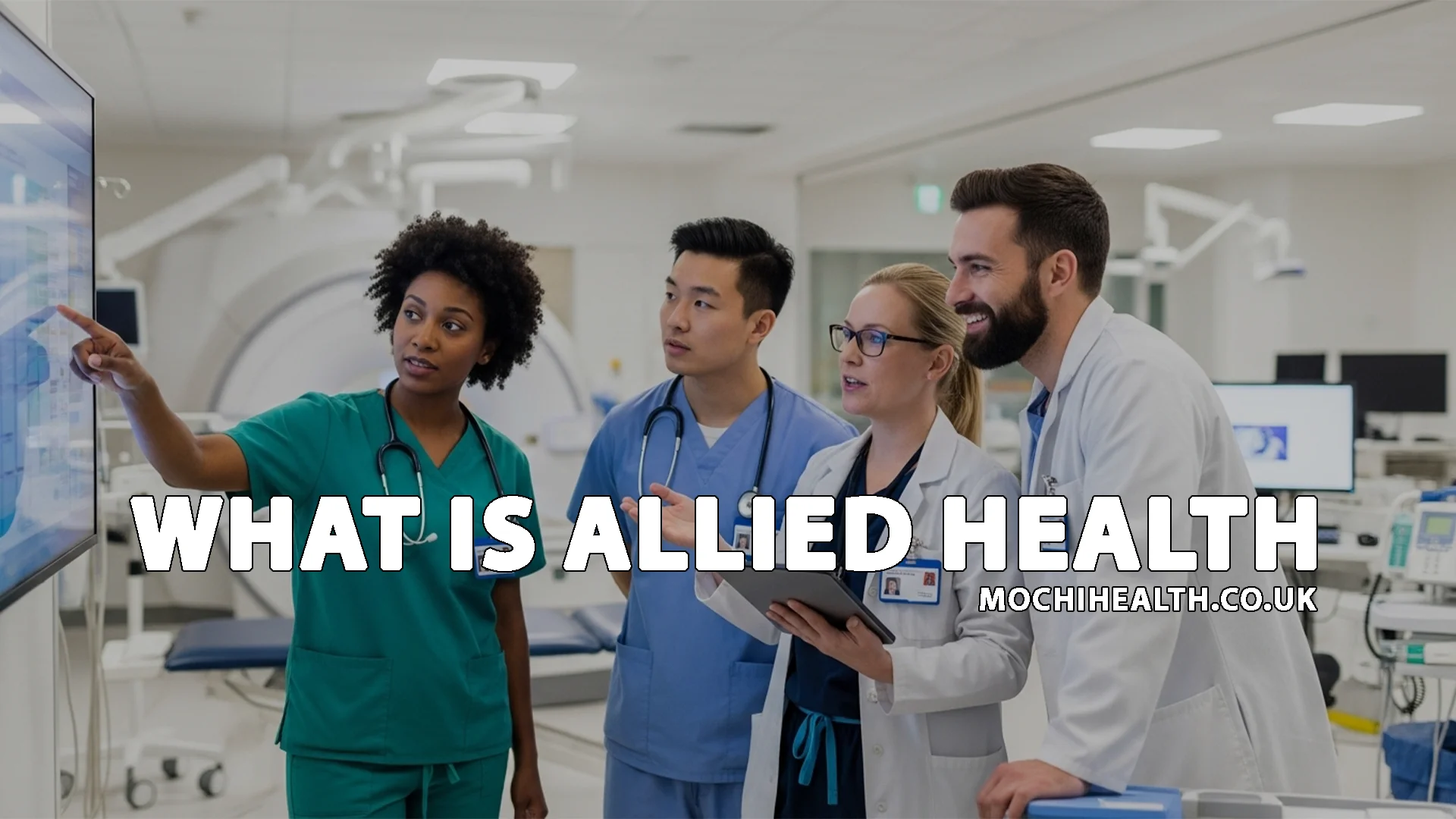
Allied health is a term that has gained significant recognition in the healthcare industry over the past decade. But many people still wonder what is allied health and why it is so critical in providing comprehensive medical care. In simple terms, allied health refers to a group of health professionals who are distinct from doctors, nurses, and pharmacists, yet play an essential role in diagnosing, treating, and supporting patients. These professionals form the backbone of modern healthcare systems, ensuring patients receive holistic care beyond the traditional medical roles.
From rehabilitation specialists to laboratory technicians, allied health professionals improve the quality of healthcare delivery by combining specialized knowledge with patient-centered care. Their contributions are often behind the scenes but are pivotal in maintaining efficient and effective healthcare outcomes.
Allied Health
Understanding what is allied health begins with recognizing its distinction from traditional medical professions. health encompasses professionals who support, diagnose, and treat patients in diverse ways that complement the work of doctors and nurses. While doctors focus on diagnosis and treatment plans, health practitioners provide specialized services that enhance patient recovery and overall well-being.
These professionals are highly trained and often work in collaboration with other healthcare providers to create comprehensive care plans. For example, a physical therapist may work with a doctor to design a rehabilitation program for a patient recovering from surgery, while a dietitian ensures that the patient maintains optimal nutrition for healing. This interdisciplinary approach exemplifies the value of health in modern medical practice.
The Evolution of Allied Health Careers
The history of allied health can be traced back to the early 20th century when healthcare began to recognize the need for specialized support roles. Initially, the focus was on laboratory technicians and radiographers, but over time, the field expanded to include hundreds of professions, such as occupational therapists, speech-language pathologists, and respiratory therapists.
The growing complexity of medical care and the rise of chronic diseases have made health careers more relevant than ever. As hospitals and clinics sought to improve patient outcomes, the demand for specialized practitioners surged, cementing health as a core component of healthcare systems worldwide.
Key Roles in Allied Health
When exploring what is allied health, it’s essential to understand the variety of roles within this sector. health professionals cover a wide spectrum of specialties, each contributing unique expertise:
-
Rehabilitation Services: Physical therapists, occupational therapists, and speech therapists help patients regain independence and improve functional abilities.
-
Diagnostic Services: Radiographers, sonographers, and laboratory technologists conduct vital tests and imaging to assist in accurate diagnosis.
-
Therapeutic Services: Dietitians, nutritionists, and respiratory therapists provide interventions to promote health and prevent disease progression.
-
Support Services: Health informatics professionals, medical assistants, and clinical technologists ensure smooth operational flow in healthcare settings.
This diversity allows health professionals to work in almost every area of healthcare, from hospitals and clinics to community centers and private practices.
The Importance of Allied Health in Modern Healthcare
Allied health professionals are indispensable because they enhance the efficiency and quality of care. They reduce the burden on doctors and nurses by providing targeted services that address specific patient needs. For instance, a medical laboratory scientist ensures accurate testing, reducing diagnostic errors, while a physiotherapist accelerates patient recovery through tailored rehabilitation programs.
Moreover, health plays a critical role in preventive care. By educating patients, managing chronic conditions, and promoting healthy lifestyles, these professionals reduce the risk of hospital readmissions and long-term complications. Their work is not only therapeutic but also strategic in maintaining public health.
Education and Training for Allied Health Professionals
Education and training are central to understanding what is allied health. Most health professions require specialized degrees or certifications, often combining theoretical knowledge with practical experience. Universities and technical institutions offer programs in areas such as radiography, clinical laboratory science, and occupational therapy.
Hands-on clinical experience is vital, allowing students to develop real-world skills under the supervision of experienced professionals. Continuing education is also common in health, as medical technologies and treatment protocols evolve rapidly. This commitment to learning ensures that alliedhealth practitioners remain effective and up-to-date in their practices.
Career Opportunities in Allied Health
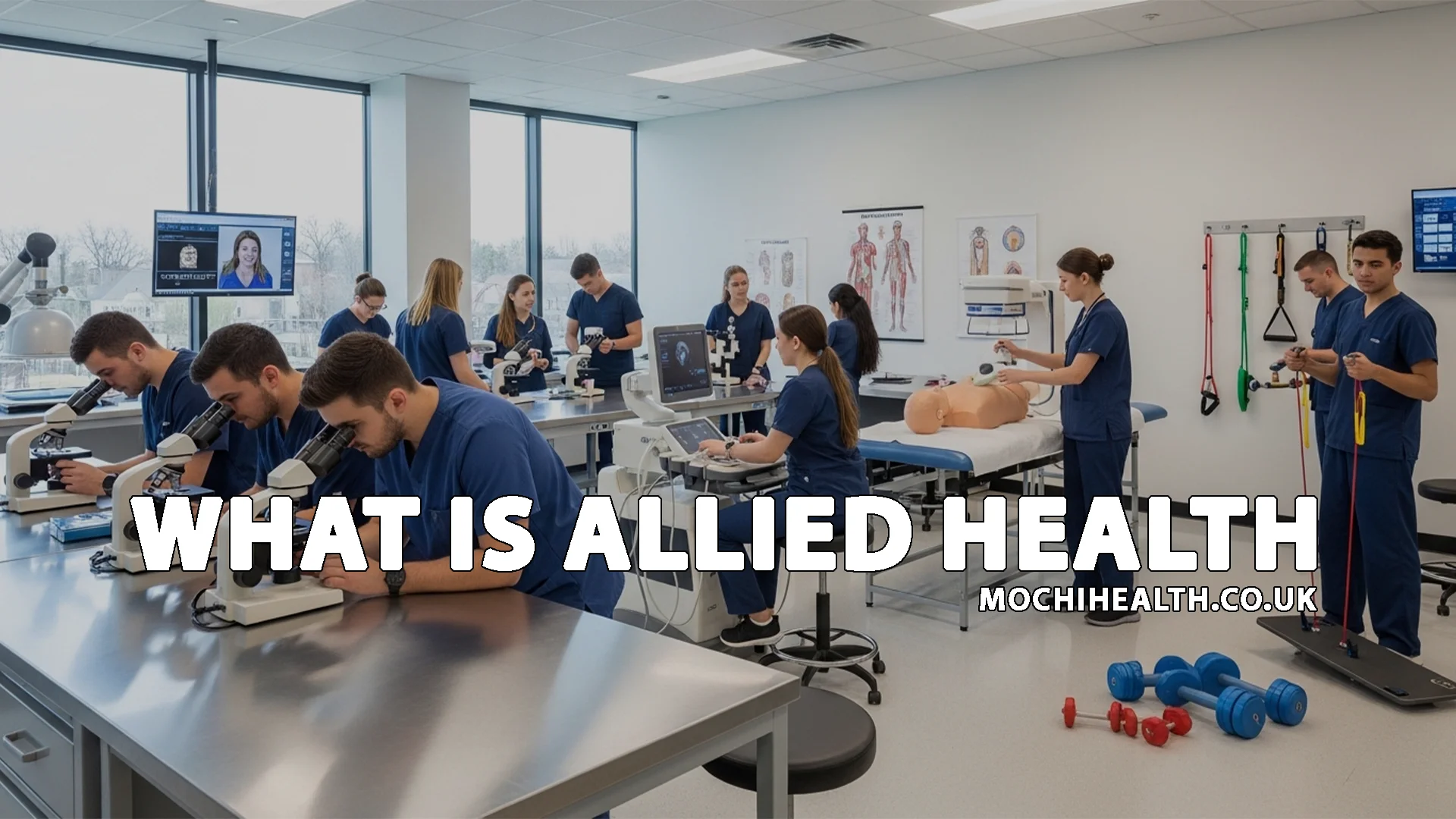
Alliedhealth offers numerous career opportunities for those interested in healthcare but not in becoming a doctor or nurse. With the healthcare industry expanding globally, health professionals enjoy strong job prospects, competitive salaries, and the chance to specialize in areas of personal interest.
Some of the most in-demand careers include: sonographers, respiratory therapists, clinical laboratory scientists, occupational therapists, and dietitians. In addition to hospitals, health professionals work in rehabilitation centers, research facilities, sports medicine clinics, and home healthcare services.
This flexibility, combined with the growing demand for healthcare services, makes health a promising and rewarding career choice for those seeking stability and purpose.
The Impact of Technology on Allied Health Services
Technological advancements have transformed allied health services, enhancing diagnostic accuracy and treatment efficiency. Innovations such as telemedicine, electronic health records, and advanced imaging techniques enable health professionals to deliver care more effectively.
For example, tele-rehabilitation allows physical and occupational therapists to guide patients remotely, expanding access to care for individuals in rural or underserved areas. Similarly, laboratory automation has reduced errors and improved turnaround times for diagnostic tests. Technology not only supports health professionals but also elevates patient outcomes, making their role more critical than ever.
Allied Health and Patient-Centered Care
Patient-centered care is at the heart of alliedhealth. Professionals in this field focus on understanding individual patient needs, preferences, and goals, creating tailored care plans that promote well-being and recovery.
For instance, a speech-language pathologist working with stroke patients ensures therapy addresses specific communication challenges, while a dietitian designs nutrition plans that consider cultural preferences and medical conditions. This holistic, empathetic approach strengthens patient engagement, adherence, and satisfaction. Alliedhealth professionals are, therefore, key advocates for patients, bridging the gap between clinical interventions and everyday health management.
Challenges Faced by Allied Health Professionals
Despite their vital role, alliedhealth professionals face several challenges. Workforce shortages, high patient loads, and the complexity of modern healthcare systems can lead to stress and burnout. Additionally, recognition and understanding of health roles among the public and even within healthcare teams are sometimes limited.
Addressing these challenges requires ongoing advocacy, investment in training, and policy support to ensure health professionals can perform their roles effectively. Encouraging collaboration and clear communication across all healthcare disciplines is also essential to maximize their impact.
How Allied Health Improves Healthcare Systems
Allied health significantly improves healthcare systems by enhancing efficiency, reducing costs, and improving patient outcomes. By providing specialized care, health professionals reduce unnecessary hospital visits, speed up recovery, and prevent complications.
In public health, they play a crucial role in education, vaccination programs, and chronic disease management. Their preventive care efforts not only improve individual health but also relieve the financial and operational burden on healthcare institutions. This integration demonstrates why health is indispensable in modern healthcare infrastructure.
Future Trends in Allied Health
The future of allied health is promising, with emerging trends shaping the profession. Growing demand for healthcare services, an aging population, and advancements in personalized medicine are driving innovation in health.
Artificial intelligence, wearable technology, and virtual reality are poised to revolutionize rehabilitation, diagnostics, and patient monitoring. health professionals will increasingly adopt data-driven approaches, predictive analytics, and remote care strategies to enhance service delivery.
Additionally, interdisciplinary collaboration will continue to expand, further integrating health into comprehensive care teams. For students and professionals, this future offers dynamic opportunities and an evolving landscape that values expertise, innovation, and patient-centered approaches.
Conclusion
In conclusion, understanding what is alliedhealth is crucial for appreciating the complexity and diversity of modern healthcare. health professionals provide essential services that complement traditional medical roles, improve patient outcomes, and enhance healthcare efficiency.
From rehabilitation and diagnostics to therapeutic interventions and patient education, health is a dynamic and evolving field. With strong career prospects, growing demand, and technological integration, alliedhealth represents both a rewarding career path and a pillar of modern healthcare systems. Recognizing their contributions ensures that patients receive comprehensive, high-quality care, and healthcare systems continue to thrive.
Frequently Asked Questions (FAQs)
Q1: What is health, and why is it important?
Alliedhealth refers to health professionals who support, diagnose, and treat patients beyond the roles of doctors and nurses. Their importance lies in enhancing healthcare quality, efficiency, and patient-centered care.
Q2: Which professions are included in health?
Professions include physical therapists, occupational therapists, radiographers, dietitians, laboratory scientists, respiratory therapists, and many others that provide specialized healthcare services.
Q3: How do I become an health professional?
Becoming an alliedhealth professional requires completing specialized education and training programs, often including practical clinical experience, certifications, or licensure depending on the field.
Q4: What career opportunities exist in allied health?
Alliedhealth offers diverse career options in hospitals, clinics, research, rehabilitation centers, home healthcare, and more. Roles include diagnostic, therapeutic, and support positions.
Q5: How is technology impacting health?
Technology enhances health services through telemedicine, advanced imaging, electronic health records, and virtual rehabilitation, improving efficiency, accuracy, and patient care access.
Curious about career paths in healthcare and community wellness? Check out “What Can You Do With a Public Health Degree” to explore exciting opportunities, roles, and future prospects in the field of public health.