

What can you do with a public health degree? This question is on the minds of many students and professionals considering a future in health sciences. A public health degree offers a diverse and impactful career path, allowing individuals to influence the health and wellbeing of entire communities. Unlike clinical medicine, which focuses on individual patients, public health aims to prevent disease, promote wellness, and improve the quality of life on a larger scale. Whether your interest lies in policy, research, education, or global health, a public health degree opens doors to multiple avenues where you can make a tangible difference.
Understanding a Public Health Degree
What can you do with a public health degree A public health degree equips students with the knowledge and skills necessary to understand, prevent, and manage health challenges in communities. Coursework often includes epidemiology, biostatistics, environmental health, health policy, and social sciences. By studying public health, individuals learn how to assess health risks, design intervention programs, and influence policy decisions that affect population health. This broad foundation makes the degree versatile, applicable in government agencies, healthcare institutions, nonprofit organizations, and global health initiatives.
The Importance of Public Health in Today’s World
Public health is more crucial than ever in the modern era. The COVID-19 pandemic highlighted the need for skilled professionals who can manage public health crises, implement vaccination campaigns, and educate populations about preventive measures. Beyond infectious diseases, public health addresses chronic illnesses, mental health, environmental hazards, and health disparities. Professionals in this field contribute to research that informs evidence-based policies, ensuring communities are healthier and more resilient. A degree in public health positions you to be part of these critical solutions.
Career Opportunities in Public Health
One of the most compelling aspects of a public health degree is the diversity of career options. Graduates can pursue work in government agencies, healthcare institutions, academic research, community organizations, or global health programs. From designing health campaigns to analyzing epidemiological data, the career options are vast and impactful. Individuals often find that their public health degree allows them to combine their passion for science, education, and community service.
Public Health Policy and Administration Careers
Public health policy and administration are vital sectors where graduates can influence health systems on a large scale. Professionals in these roles work with government agencies, NGOs, and health departments to design programs, allocate resources, and create policies that address public health challenges. A public health degree equips individuals with the analytical and leadership skills needed to manage budgets, evaluate programs, and advocate for systemic change. These careers offer a direct way to shape the health of entire populations.
Global Health and Epidemiology Roles
For those interested in worldwide health challenges, global health and epidemiology offer exciting paths. Epidemiologists track disease outbreaks, study health trends, and develop strategies to prevent epidemics. Global health professionals often work with international organizations, such as the World Health Organization, addressing issues like infectious disease control, vaccination campaigns, and access to healthcare in underserved communities. This career path requires both analytical skills and cultural awareness, making it one of the most dynamic options for public health graduates.
Health Education and Community Outreach Careers
Health education is a cornerstone of public health. Professionals in this field focus on educating communities about nutrition, disease prevention, mental health, and wellness. They may design campaigns, organize workshops, or work directly with schools and community centers to promote healthy behaviors. A public health degree prepares graduates to communicate complex health information effectively, empowering communities to make informed decisions. This career path is ideal for individuals passionate about public engagement and preventative care.
Environmental and Occupational Health Opportunities
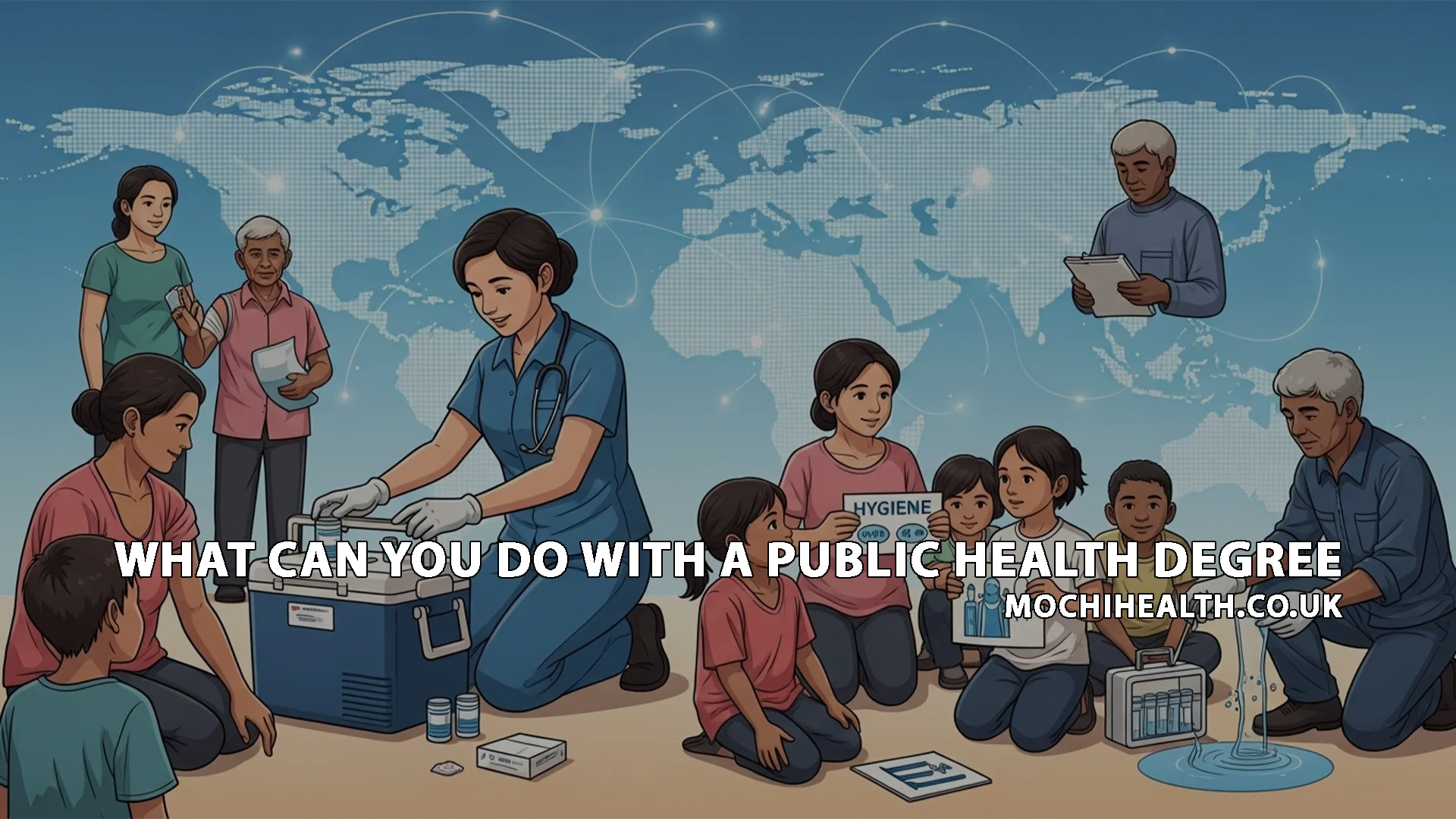
Environmental and occupational health careers focus on the impact of surroundings on health. Graduates may work to ensure safe workplaces, monitor pollution, and develop policies to reduce environmental health risks. This field addresses issues like workplace safety, air and water quality, and exposure to harmful substances. Public health professionals in this sector protect both workers and communities, demonstrating the wide-reaching influence of this degree.
Public Health Research and Data Analysis
Research and data analysis are central to understanding population health. Public health graduates often work as researchers, collecting and interpreting data to inform health interventions. This may include studying the effectiveness of public health programs, analyzing disease trends, or developing predictive models for outbreaks. Analytical skills and scientific expertise are critical in this field, making it a rewarding option for those interested in evidence-based solutions.
Nonprofit and NGO Opportunities in Public Health
Nonprofit organizations and NGOs offer a unique avenue for public health graduates to make a social impact. Professionals in these roles may focus on community health initiatives, policy advocacy, or international aid programs. Working in nonprofits allows individuals to apply their public health knowledge creatively, often in resource-limited settings, providing critical support to vulnerable populations. This career path emphasizes mission-driven work and tangible societal benefits.
Emerging Careers in Public Health Technology
The rise of health technology has created new career opportunities for public health graduates. Professionals in this field leverage digital tools, health informatics, and telemedicine to enhance healthcare delivery. From developing mobile health apps to analyzing big data for disease trends, technology-driven public health careers are rapidly expanding. These roles combine technical expertise with public health knowledge, positioning graduates at the forefront of innovation.
Salary Expectations and Job Outlook
Graduates with a public health degree can expect competitive salaries, which vary depending on specialization and location. Entry-level positions may start around $50,000 annually, while senior roles in research, policy, or administration can exceed $100,000. The job outlook for public health professionals is strong, driven by the increasing demand for disease prevention, healthcare analytics, and community health initiatives. The Bureau of Labor Statistics projects steady growth in public health careers over the next decade.
Skills Needed for a Successful Public Health Career
Success in public health requires a combination of analytical, communication, and leadership skills. Graduates should be adept at research methods, data interpretation, and public communication. Critical thinking and problem-solving are essential for designing effective health interventions, while cultural competence ensures programs meet community needs. Additionally, adaptability and technological literacy are increasingly important as health systems evolve and digital solutions become central to public health practice.
Choosing the Right Path With a Public Health Degree
Choosing a career path with a public health degree depends on your interests, skills, and long-term goals. Some may prefer policy and administration, shaping health systems at the macro level. Others may gravitate toward research, global health, or community outreach, directly impacting populations. Understanding your strengths and passions is crucial to selecting a fulfilling and meaningful public health career. Mentorship, internships, and networking can provide guidance and open doors in this diverse field.
Conclusion
A public health degree is more than a credential; it is a gateway to meaningful, impactful work that can transform communities and save lives. From policy development to global health initiatives, research, and community education, the possibilities are vast and rewarding. By pursuing a public health degree, you are not only preparing for a stable career but also joining a field dedicated to improving health outcomes worldwide. The question, “what can you do with a public health degree,” has countless answers, all of which center on making a difference in the lives of others.
FAQs
Q1: What can you do with a public health degree if you don’t want to work in healthcare?
A public health degree is versatile and can lead to careers in policy, research, technology, education, and nonprofit sectors, all outside traditional clinical healthcare roles.
Q2: Is a public health degree worth it?
Yes, it offers diverse career opportunities, competitive salaries, and the chance to make a societal impact, making it highly valuable.
Q3: Can I work internationally with a public health degree?
Absolutely. Global health programs, NGOs, and international organizations provide numerous opportunities for public health professionals worldwide.
Q4: What skills will I gain from a public health degree?
Students develop analytical, research, leadership, communication, and problem-solving skills, as well as expertise in policy, epidemiology, and community health.
Q5: What industries hire public health graduates?
Graduates can work in government agencies, healthcare organizations, nonprofits, academia, research institutions, environmental agencies, and health tech companies.