
How to Prevent Dry Socket is one of the most searched dental topics online because the fear of pain after tooth extraction is real, intense, and surprisingly common. Many people walk into dental clinics worrying less about the extraction and more about the painful days that follow. Dry socket has earned a reputation as one of the most uncomfortable dental complications, yet the good news is that awareness, preparation, and proper care dramatically reduce the risk. This in-depth guide explores the science, the myths, the healing process, and the lifestyle habits that protect your recovery and help you feel confident after an extraction.
Dry Socket and Healing
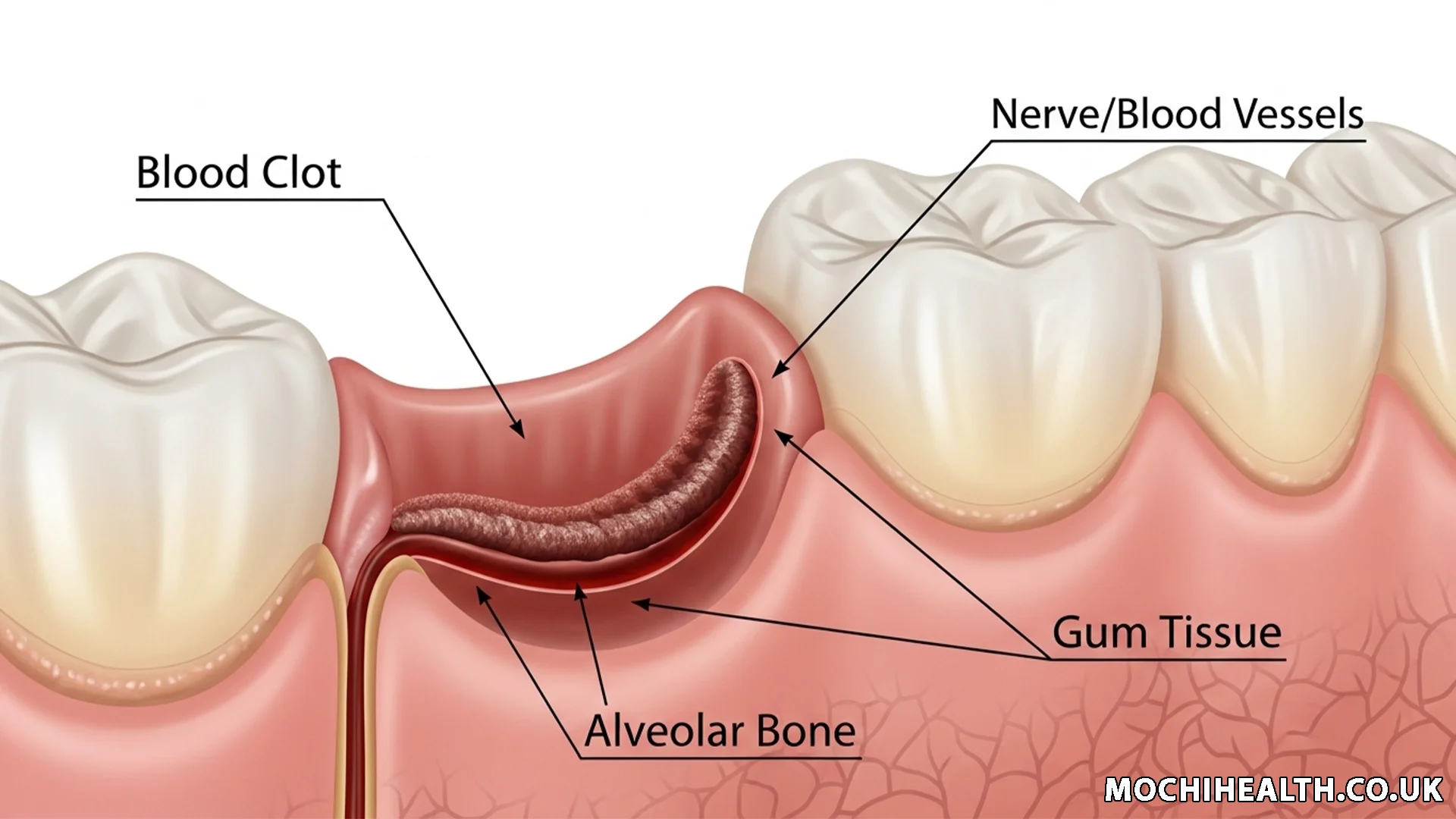
Tooth extraction is one of the most common dental procedures worldwide, and millions of patients undergo it every year. While modern dentistry has made the procedure itself fast and comfortable, the recovery phase still carries emotional anxiety. Dry socket, medically known as alveolar osteitis, occurs when the protective blood clot at the extraction site fails to develop properly or becomes dislodged too early. Without this natural barrier, nerves and bone are exposed, creating severe discomfort that can radiate through the jaw and ear.
Healing after extraction is a delicate biological process that depends on clot formation, tissue regeneration, and the body’s immune response. When everything goes as expected, the recovery process unfolds quietly in the background. When complications arise, however, the pain can feel overwhelming. Understanding the factors that influence recovery transforms fear into confidence and helps patients feel in control of their healing journey.
Understanding How to Prevent Dry Socket
Understanding How to Prevent Dry Socket begins with recognizing how the mouth heals after a tooth is removed. The body reacts immediately by forming a blood clot that seals the socket and protects sensitive tissues underneath. This clot is not just a temporary patch; it is the foundation for new tissue growth and bone regeneration. Without it, the healing process slows dramatically and discomfort intensifies.
Dental professionals often emphasize prevention because dry socket is largely avoidable when patients follow post-extraction care guidelines. The key lies in supporting the body’s natural healing response rather than disrupting it. When patients know what influences recovery, they feel empowered instead of anxious. Prevention becomes a partnership between dentist and patient, creating a smoother experience from start to finish.
Why Knowing How to Prevent Dry Socket Matters
The importance of learning How to Prevent Dry Socket goes beyond avoiding pain. Complications can lead to additional dental visits, prolonged healing, and emotional stress. Many people underestimate how oral discomfort affects sleep, concentration, and daily life. Even simple activities such as eating or speaking can feel challenging when the mouth is inflamed.
Knowledge brings reassurance. Patients who understand the healing timeline feel calmer and more prepared. Instead of worrying about worst-case scenarios, they focus on recovery and comfort. This shift in mindset is powerful, turning dental treatment from a stressful event into a manageable health decision.
The Science Behind Tooth Extraction Healing
Healing after extraction is a remarkable example of the body’s ability to repair itself. Immediately after a tooth is removed, blood vessels contract and platelets gather to form a clot. Over the next few days, soft tissue begins to grow over the socket, gradually protecting the area and strengthening the jawbone beneath.
This biological process relies on stability, proper circulation, and minimal disturbance. Any disruption to the clot interferes with healing. Understanding this process highlights why dentists emphasize gentle care and patience during recovery. The mouth is one of the fastest-healing areas of the body, but it still requires support and time.
Dental Science Behind How to Prevent Dry Socket
The dental community has spent decades researching How to Prevent Dry Socket, and the results have shaped modern post-extraction care. Today, dentists use advanced techniques, sterile environments, and protective treatments that significantly lower risk. Antibacterial rinses, medicated dressings, and patient education all play a role in prevention.
Scientific research shows that most cases occur within the first few days after extraction. This early period is when the clot is most vulnerable. By focusing on protection during this critical window, patients dramatically improve their recovery experience. Knowledge of dental science transforms prevention from guesswork into evidence-based care.
Who Is Most at Risk of Dry Socket
Certain individuals face a higher risk of developing dry socket. Factors such as smoking, hormonal changes, poor oral hygiene, and difficult extractions can increase vulnerability. Wisdom tooth removal is particularly associated with this condition because of the location and complexity of the procedure.
Risk does not guarantee complications, but awareness allows patients to take extra precautions. Dentists tailor aftercare recommendations based on individual needs, ensuring each patient receives personalized guidance that supports healing.
The Emotional Impact of Post-Extraction Pain
Pain is not only physical; it carries emotional weight. Fear of discomfort can discourage people from seeking dental care, leading to bigger problems later. The anxiety surrounding dry socket has grown through online discussions and shared experiences, making prevention even more important.
When patients feel informed and prepared, their confidence grows. Understanding recovery reduces fear and helps individuals approach dental treatment with a positive mindset. Emotional comfort plays a powerful role in physical healing, highlighting the connection between mental well-being and oral health.
Lifestyle Habits That Support How to Prevent Dry Socket
Healthy lifestyle choices play a significant role in How to Prevent Dry Socket. The body heals best when supported by balanced nutrition, hydration, and rest. Recovery after extraction is not limited to the dental chair; it continues through daily habits and routines.
Lifestyle awareness empowers patients to take responsibility for their healing journey. Small adjustments in daily behavior create a supportive environment for recovery, reducing complications and promoting comfort.
The Role of Oral Hygiene During Recovery
Maintaining oral cleanliness after extraction is essential for preventing infection and supporting healing. The mouth naturally contains bacteria, and keeping the area clean encourages the clot to remain stable. Gentle hygiene practices protect the extraction site while allowing surrounding tissues to heal.
Oral hygiene during recovery is about balance. Excessive disturbance can disrupt the clot, while neglect can allow bacteria to accumulate. Finding the right approach ensures comfort and safety throughout the healing process.
Nutrition and Hydration for Faster Healing
Food and hydration influence the body’s ability to repair itself. Nutrients such as protein, vitamins, and minerals support tissue regeneration and immune function. Hydration helps maintain circulation and overall health, both of which are essential for recovery.
When patients focus on nourishing their bodies, they create an environment where healing thrives. Proper nutrition is often overlooked, yet it plays a powerful role in post-extraction comfort and recovery speed.
Smoking, Vaping, and Healing Risks
Tobacco use remains one of the strongest risk factors for dry socket. Smoking and vaping introduce heat, chemicals, and suction that interfere with clot formation and blood flow. Dental professionals consistently emphasize the importance of avoiding these habits during recovery.
Understanding the impact of tobacco encourages healthier decisions. Patients who temporarily pause smoking often notice smoother healing and reduced discomfort. This awareness highlights the connection between lifestyle choices and oral health outcomes.
The Connection Between Stress and Recovery
Stress affects the immune system and slows the body’s healing response. When individuals feel anxious or overwhelmed, recovery can become more challenging. Creating a calm environment and prioritizing rest supports the healing process.
Mental wellness and physical recovery are deeply connected. A relaxed mindset encourages better sleep, improved immune function, and faster tissue repair. Recognizing this connection helps patients approach recovery holistically.
Modern Dentistry and Prevention Strategies
Modern dentistry has transformed patient care with advanced technology and evidence-based practices. Dentists now use refined extraction techniques, sterile tools, and innovative materials to reduce complications. Preventive care has become a central focus, ensuring patients experience smoother recoveries.
Education is a cornerstone of modern dental care. By empowering patients with knowledge, dentists create partnerships that prioritize long-term health and comfort.
Myths vs Facts About Dry Socket
Many myths surround dry socket, often fueled by online stories and misinformation. Some people believe the condition is inevitable or unavoidable, while others underestimate its impact. Separating myths from facts helps patients make informed decisions and approach recovery with confidence.
Accurate information replaces fear with clarity. When patients understand what truly affects healing, they feel more prepared and less anxious about dental procedures.
Long-Term Oral Health After Extraction
Tooth extraction is often the beginning of a new chapter in oral health. Whether preparing for orthodontics, implants, or improved hygiene, recovery sets the stage for future treatments. Protecting the extraction site ensures a strong foundation for long-term dental wellness.
Healthy habits developed during recovery often continue long after healing is complete. This long-term perspective highlights the importance of prevention and patient education.
Conclusion
Learning How to Prevent Dry Socket empowers patients with knowledge, confidence, and peace of mind. Tooth extraction does not have to be a stressful experience when individuals understand the healing process and the factors that influence recovery. From lifestyle habits and nutrition to modern dental care and emotional wellness, prevention is a holistic journey that supports comfort and long-term oral health. By prioritizing awareness and preparation, patients transform fear into confidence and create a smoother path toward healing and wellness.
FAQs
What is dry socket and why is it painful?
Dry socket occurs when the protective blood clot at an extraction site fails to develop or becomes dislodged, exposing nerves and bone. This exposure leads to intense discomfort and delayed healing.
How common is dry socket after tooth extraction?
While it is a known complication, it affects only a small percentage of patients, especially when proper aftercare is followed.
Does everyone experience pain after extraction?
Mild discomfort is normal during healing, but severe pain may indicate complications such as dry socket.
Can dry socket heal on its own?
Professional dental care is often needed to manage the condition and ensure proper healing.
Why do dentists focus on prevention?
Preventing complications ensures faster healing, reduces discomfort, and improves the overall dental experience.
“If you’re dealing with tight hips or discomfort, check out our article ‘Hip Stretches for Pain’. It’s packed with effective, easy-to-follow stretches that relieve pain, improve flexibility, and support overall mobility.”