
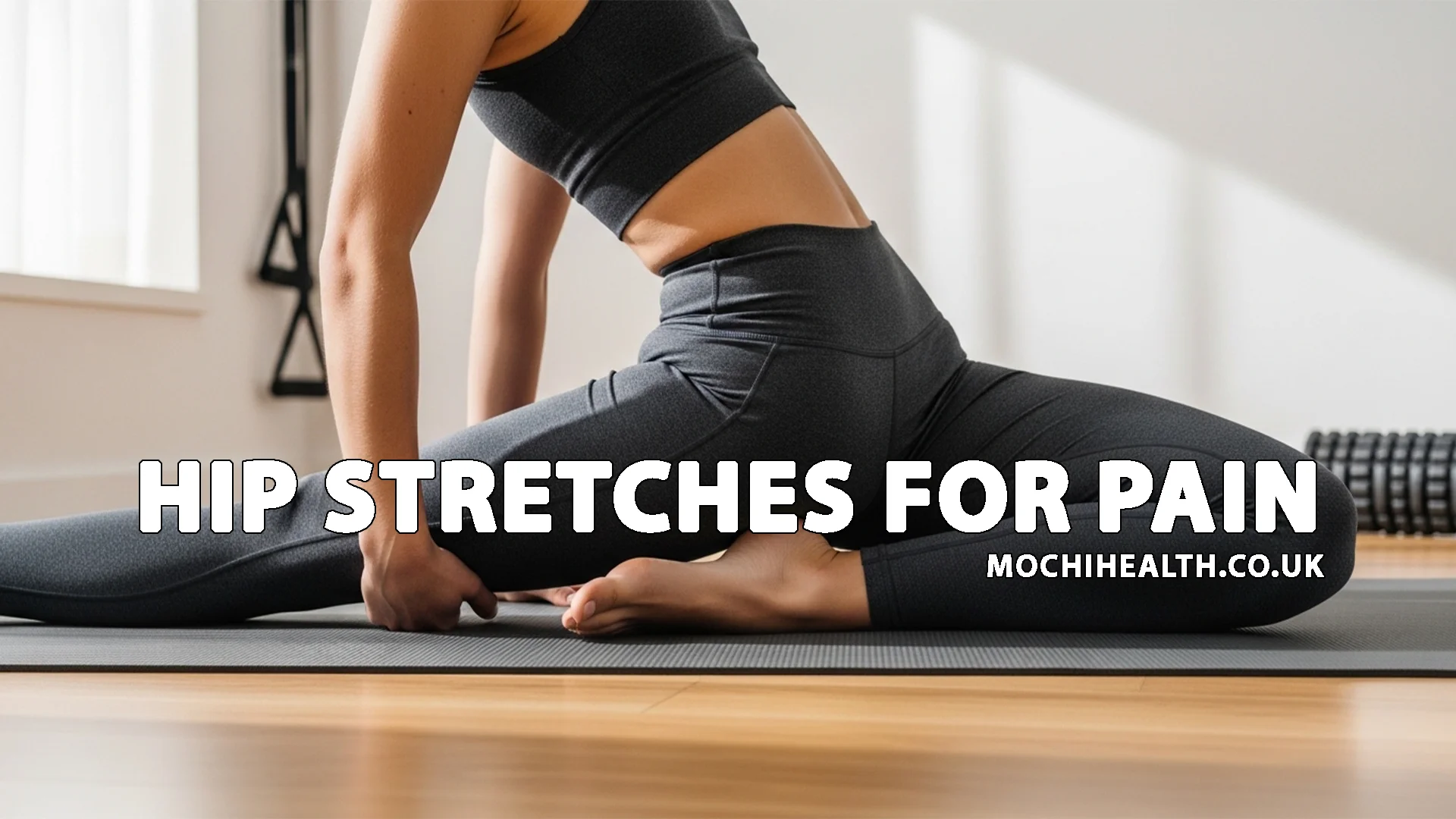
Hip discomfort can be debilitating, affecting every aspect of daily life. Fortunately, hip stretches for pain are a natural and effective solution to restore mobility, reduce stiffness, and prevent long-term issues. Whether caused by prolonged sitting, overuse, or underlying medical conditions, targeting the hip muscles through deliberate stretching routines can drastically improve comfort and function. This article dives deep into the science, techniques, and benefits of hip stretches for pain while exploring holistic approaches to maintain hip health.
Understanding Hip Pain: Causes and Impacts
Hip pain is not just a minor inconvenience—it can affect posture, gait, and even mental well-being. Many individuals experience hip discomfort due to muscle tightness, joint inflammation, or nerve compression. Hip stretches for pain target key muscle groups such as the hip flexors, glutes, and adductors, which often bear the brunt of inactivity or repetitive stress. By incorporating strategic stretches, people can alleviate tension, improve blood flow, and support the surrounding joint structures.
Common triggers of hip pain include prolonged sitting, intense workouts without proper warm-ups, aging, and certain medical conditions like arthritis or bursitis. Ignoring these warning signs can result in chronic stiffness, reduced mobility, and even compensation injuries in the lower back and knees. Stretching addresses both preventive and corrective aspects, making it an essential component of hip health.
The Anatomy of the Hip: Why Stretching Matters
Understanding the hip’s anatomy clarifies why hip stretches for pain are so effective. The hip is a ball-and-socket joint, combining flexibility and stability. It is supported by muscles including the gluteus maximus, medius, minimus, iliopsoas, and surrounding stabilizers. Tightness in any of these muscles can compromise joint function and trigger discomfort.
The hip joint connects the torso to the legs, making it critical for walking, running, sitting, and standing. When muscles around the hip become stiff, the joint’s natural range of motion is limited, leading to compensatory movement patterns. Stretching helps maintain the elasticity of muscles, releases built-up tension, and encourages proper alignment, ultimately reducing pain.
How Hip Stretches Relieve Pain Naturally
Unlike painkillers that temporarily mask symptoms, hip stretches for pain address the root causes. Stretching increases blood flow to muscles and connective tissues, enhancing nutrient delivery and aiding recovery. By targeting tight areas, it decreases pressure on joints and reduces inflammation.
Regular stretching also activates the nervous system’s relaxation response, helping alleviate stress-related muscle tension. Over time, consistent practice can improve flexibility, strengthen weak areas, and restore natural movement patterns. This holistic approach is particularly effective for chronic hip discomfort, allowing individuals to regain mobility without reliance on medications.
Common Hip Problems and Who Is at Risk
Hip pain affects a wide range of people but is particularly common among athletes, older adults, and office workers. Conditions such as hip bursitis, labral tears, osteoarthritis, and sciatica can intensify discomfort. For athletes, overuse injuries like hip flexor strains are prevalent, while sedentary individuals may develop stiffness due to inactivity.
Hip stretches for pain are beneficial for anyone experiencing tightness, soreness, or limited mobility. They serve both therapeutic and preventive roles, helping to maintain function in the short and long term. Early adoption of stretching routines can reduce the risk of chronic conditions and improve overall quality of life.
Importance of Flexibility for Hip Health
Flexibility is a cornerstone of joint health. Limited hip flexibility can result in compensatory movements, leading to pain in the lower back, knees, and even shoulders. Hip stretches for pain directly improve flexibility by lengthening tight muscles, allowing the hip joint to move more freely.
Flexibility also supports athletic performance, reduces injury risk, and enhances posture. Incorporating regular stretching not only alleviates existing discomfort but also builds resilience against future strain. For individuals seeking sustainable hip health, flexibility is as crucial as strength.
Different Types of Hip Stretches and Their Benefits
Hip stretches can be classified based on their focus areas: hip flexor stretches, glute stretches, and adductor stretches. Each type targets specific muscles to relieve tension and improve function.
Hip flexor stretches release tightness caused by prolonged sitting, while glute stretches address common trigger points that contribute to lower back and hip pain. Adductor stretches enhance medial stability and prevent inward knee collapse during movement. Using a combination of stretches ensures comprehensive care, promoting pain relief, mobility, and long-term joint health.
Stretching vs Strengthening: Complementary Approaches
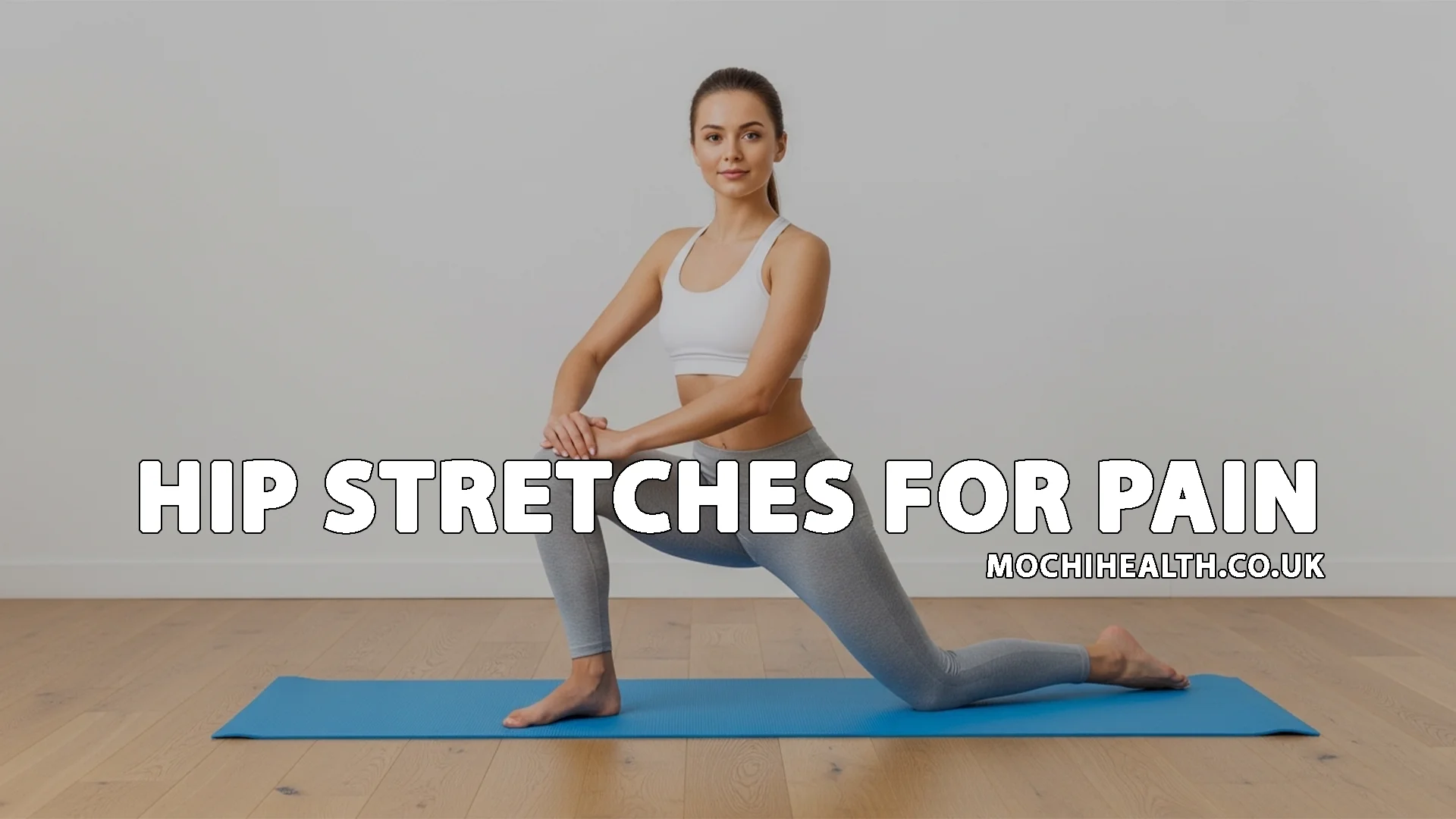
While hip stretches for pain are essential, they work best when paired with strengthening exercises. Stretching improves flexibility, but strong muscles provide joint support and stability. Weak hip muscles often contribute to chronic pain and dysfunction.
Balancing stretching and strengthening enhances both range of motion and functional performance. Targeted exercises for glutes, core, and hip stabilizers complement stretches, ensuring that the hip joint is not only flexible but also resilient. This integrated approach provides superior pain relief and prevents recurring issues.
Hip Stretches for Pain in Sedentary Lifestyles
Modern lifestyles often involve extended sitting, which shortens hip flexors and tightens surrounding muscles. This creates discomfort when standing, walking, or exercising. Hip stretches for pain are particularly effective for counteracting the effects of prolonged sitting.
Even short, frequent stretching sessions throughout the day can improve circulation, reduce stiffness, and restore natural alignment. Incorporating stretches into daily routines, such as during breaks at work or after long commutes, can prevent chronic hip pain and enhance overall mobility.
Integrating Hip Mobility into Daily Routines
To maximize benefits, hip stretches for pain should be incorporated consistently into daily life. Stretching in the morning can reduce stiffness, while evening routines help relax tight muscles after activity. For those with active lifestyles, integrating stretching post-workout supports recovery and maintains optimal flexibility.
Lifestyle adjustments, such as standing desks, ergonomic seating, and regular movement breaks, complement stretching. Combining these strategies creates a sustainable routine that promotes hip health and reduces pain over time.
Avoiding Common Mistakes When Stretching
Many individuals stretch incorrectly, leading to minimal relief or even injury. Common errors include overstretching, bouncing, holding stretches for too short a time, or ignoring muscle imbalances.
Proper technique involves gentle, sustained stretches that target tight areas without forcing the joint. Hip stretches for pain should be performed mindfully, focusing on breathing and alignment. This ensures maximum effectiveness and prevents aggravation of existing discomfort.
Advanced Hip Stretching Techniques for Pain Relief
For those seeking deeper relief, advanced techniques can enhance results. Techniques such as PNF stretching, dynamic mobility exercises, and targeted myofascial release increase muscle elasticity and joint function.
Incorporating tools like foam rollers or resistance bands can deepen stretches, targeting specific areas of tension. Advanced methods should be performed gradually, respecting the body’s limits to prevent strain while optimizing pain relief.
The Role of Yoga and Mind-Body Practices
Yoga combines stretching, strengthening, and mindful movement, making it a powerful ally for hip health. Poses like pigeon pose, warrior variations, and hip openers release tension, improve alignment, and enhance flexibility.
Mind-body practices also promote relaxation and reduce stress-related muscle tightness. Integrating yoga into routines complements hip stretches for pain, offering both physical and mental benefits. Regular practice fosters long-term resilience and functional mobility.
When to Seek Professional Help
While stretching is effective for many cases, some hip pain requires medical evaluation. Persistent pain, swelling, or limited mobility may indicate underlying conditions such as labral tears or severe arthritis.
Consulting a physical therapist or orthopedic specialist ensures an accurate diagnosis and personalized treatment plan. Professionals can recommend targeted hip stretches for pain while incorporating therapy and rehabilitation strategies tailored to individual needs.
Lifestyle Factors That Affect Hip Health
Maintaining hip health extends beyond stretching. Adequate hydration, balanced nutrition, regular movement, and weight management all contribute to joint function. Excess body weight increases stress on hip joints, while poor posture exacerbates muscle tightness.
Incorporating holistic habits alongside hip stretches for pain ensures comprehensive care. Simple changes, like reducing prolonged sitting, wearing supportive footwear, and engaging in low-impact exercises, enhance the long-term benefits of stretching routines.
Conclusion: Achieving Long-Term Hip Comfort
Hip stretches for pain offer a natural, effective solution to improve flexibility, relieve discomfort, and prevent chronic issues. By understanding hip anatomy, addressing tight muscles, and integrating mindful stretching into daily routines, individuals can achieve lasting relief.
Balancing stretching with strengthening exercises, mind-body practices, and healthy lifestyle choices creates a holistic approach to hip care. Consistency, awareness, and proper technique are key to unlocking mobility, enhancing comfort, and enjoying a pain-free life.
FAQs About Hip Stretches for Pain
Q1: How often should I perform hip stretches for pain?
Daily stretching is ideal, even just a few minutes each session. Consistency ensures long-term flexibility and pain relief.
Q2: Can hip stretches relieve pain from arthritis?
Yes, gentle, targeted stretches can reduce stiffness, improve range of motion, and alleviate discomfort associated with arthritis.
Q3: Are hip stretches safe during pregnancy?
Many hip stretches are safe with modifications, but consulting a healthcare provider is recommended before starting any new routine.
Q4: How long does it take to feel relief from hip stretches?
Some relief can be felt immediately, while consistent practice over weeks produces lasting results and improved mobility.
Q5: Should I combine stretching with other therapies?
Combining stretching with strengthening exercises, physical therapy, or yoga enhances effectiveness and prevents recurring pain.
“If you’re experiencing unusual sensations like hearing your heartbeat in your left ear, check out our article ‘I Can Hear My Heartbeat in My Left Ear’ to understand the causes, symptoms, and effective remedies for this condition.”