
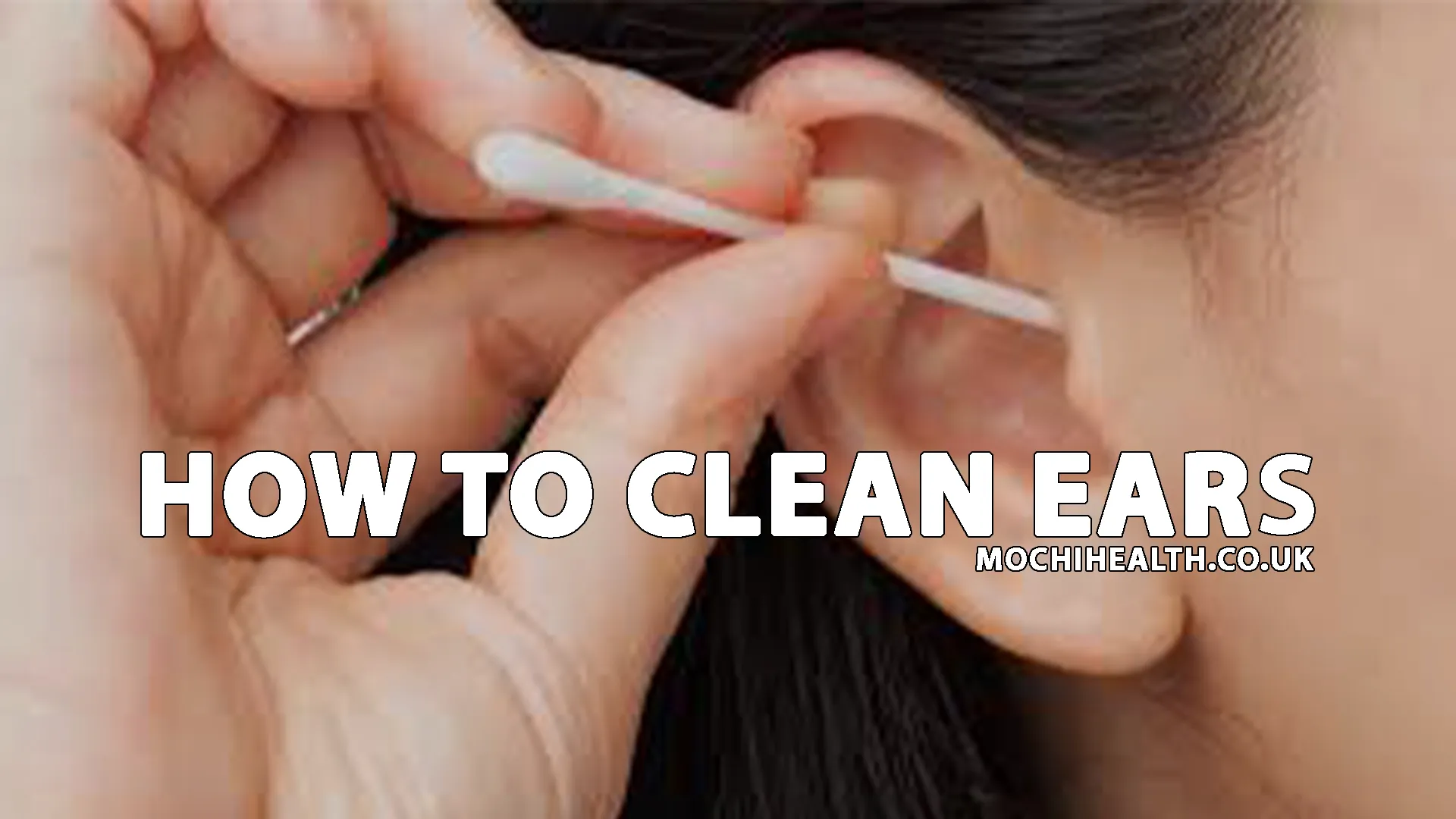
How to clean ears is a question many people silently wonder about, yet few actually understand. The ears, one of the most sensitive and crucial organs, are often neglected when it comes to hygiene. While some assume that earwax is a sign of dirtiness, the reality is much more complex. Earwax, also known as cerumen, plays a protective role, shielding the delicate inner structures of the ear from dust, bacteria, and moisture. However, excessive buildup can lead to discomfort, hearing issues, and even infections.
In today’s world, where health routines and self-care trends dominate social media, understanding how to clean ears safely has become a priority. This article will explore everything you need to know—from the biology of the ear to safe cleaning techniques, common mistakes, and expert advice. By the end, you’ll be equipped with knowledge that not only improves hygiene but also enhances overall ear health.
Understanding the Anatomy of the Ear
Before diving into methods on how to clean ears, it’s essential to understand the anatomy of this intricate organ. The ear is divided into three parts: the outer ear, middle ear, and inner ear. The outer ear includes the ear canal, where earwax naturally forms. Its main purpose is to trap dust and protect the deeper structures. The middle ear contains tiny bones that transmit sound vibrations, while the inner ear houses the cochlea and vestibular system, responsible for hearing and balance.
Knowing these components is crucial because improper cleaning can damage sensitive areas, leading to long-term issues. The ear canal itself is narrow and slightly curved, meaning objects like cotton swabs often push wax deeper rather than removing it. Safe cleaning respects this anatomy and avoids unnecessary injury.
A Brief History of Ear Care Practices
Ear cleaning is far from a modern concern. Historical records show that ancient civilizations, including the Greeks, Egyptians, and Chinese, practiced various forms of ear hygiene. Archaeologists have discovered specialized ear scoops used thousands of years ago, while Ayurvedic medicine emphasized the importance of ear care as part of holistic wellness.
In the early 20th century, doctors began advising against using cotton swabs due to the risks of injury and infection. Despite this, cultural practices and personal habits have continued to influence how people clean their ears. Understanding the historical context explains why many myths still persist today.
The Science Behind Earwax and Its Purpose
Earwax is often misunderstood. While many see it as merely “dirt,” it’s actually a natural protective substance. Cerumen consists of secretions from sebaceous and sweat glands, combined with dead skin cells. Its primary functions include trapping dust, preventing bacteria and fungi from entering the ear canal, and lubricating the skin to prevent dryness and irritation.
Interestingly, earwax production varies among individuals due to genetics, diet, and environment. Some people naturally produce more, which can lead to blockages, while others may have minimal wax, making their ears more prone to dryness. Recognizing this helps us understand why personalized ear cleaning practices are essential.
Why Proper Ear Cleaning Matters for Your Health
Neglecting ear hygiene can have more than just aesthetic consequences. Excessive earwax buildup may cause hearing loss, tinnitus (ringing in the ears), pain, and even dizziness. Infections like otitis externa (swimmer’s ear) can arise from moisture trapped behind wax, creating a breeding ground for bacteria.
Proper ear cleaning is not only about removing wax but also about preventing these complications. This makes understanding how to clean ears safely a critical aspect of self-care. It is equally relevant for children, adults, and seniors, each with unique vulnerabilities.
Common Methods People Use to Clean Their Ears
Many people turn to cotton swabs, hairpins, or other improvised tools when considering how to clean ears. While these methods are popular, they often do more harm than good. Inserting objects into the ear canal can push wax deeper, cause micro-tears, or even puncture the eardrum.
Alternative methods include ear candles, which claim to “draw out wax,” but studies have shown these to be ineffective and potentially dangerous. Over-the-counter ear drops, saline solutions, and professional irrigation are safer options, offering controlled wax removal without damaging delicate tissues.
The Hidden Dangers of Improper Ear Cleaning
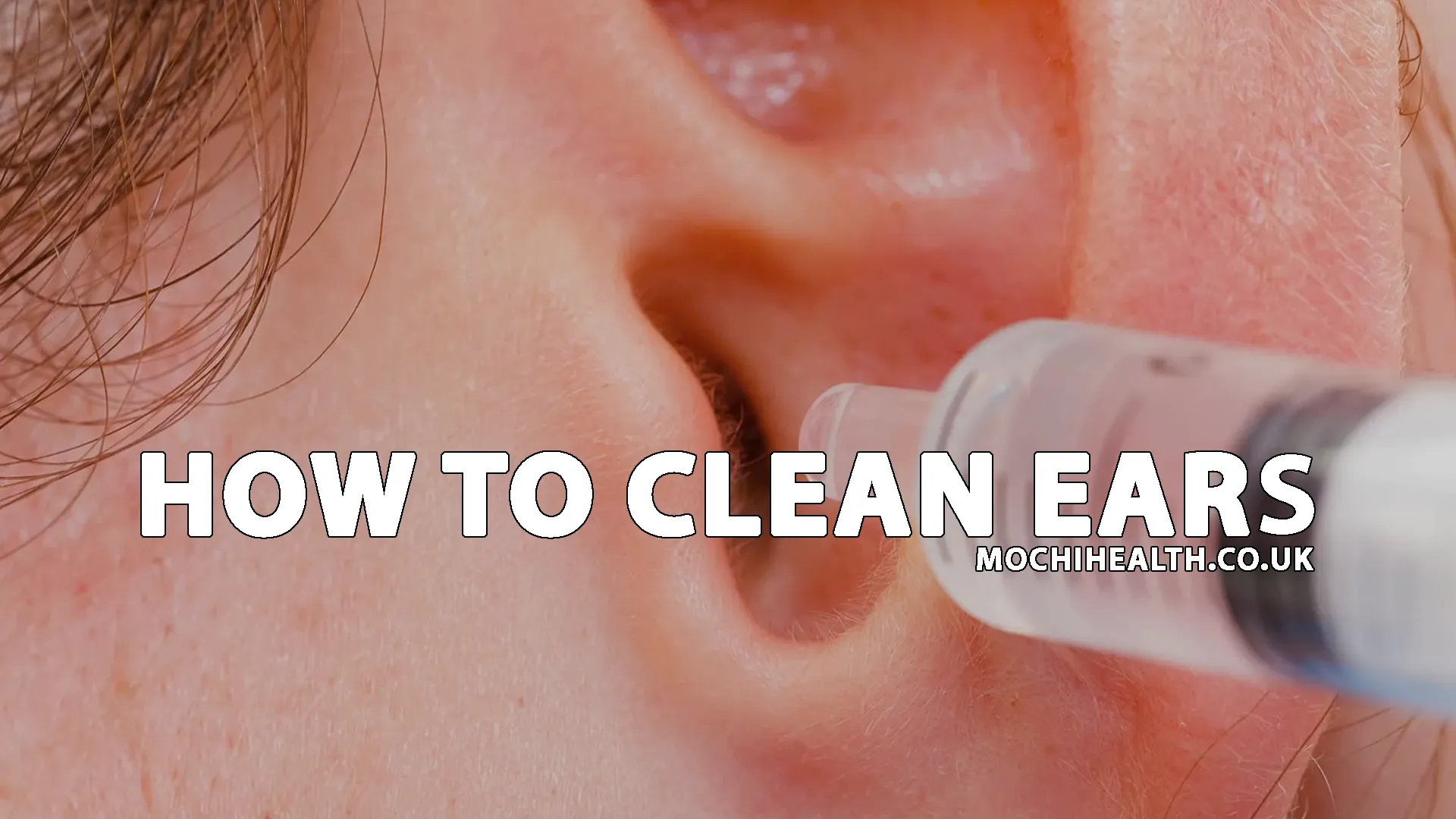
Attempting to clean ears without proper knowledge can lead to significant problems. Pierced eardrums, infections, permanent hearing damage, and chronic irritation are all possible consequences. Even seemingly harmless routines, like over-cleaning, can strip the ear of protective cerumen, leaving it vulnerable.
The risks are heightened in children, whose ear canals are smaller and more sensitive. Seniors may face increased risk due to age-related thinning of the skin and decreased wax production. Understanding these dangers emphasizes the need for informed, cautious practices rather than routine habits based on hearsay.
Debunking Myths and Misconceptions About Ear Hygiene
There are numerous myths surrounding ear cleaning. A common misconception is that ears should be cleaned daily. In reality, earwax naturally migrates outward and usually requires minimal intervention. Another myth is that earwax is “dirty” and must be completely removed, but moderate cerumen is healthy and protective.
Ear candles, home remedies like hydrogen peroxide overuse, and inserting foreign objects are also widely believed to be effective. Evidence consistently shows these methods are risky. Educating oneself on these myths is key to developing safe ear care habits.
Expert Opinions and Medical Research on Ear Cleaning
ENT specialists and audiologists stress moderation and caution when cleaning ears. Research indicates that most people do not require regular removal of earwax, and professional cleaning is often safer for individuals with excessive buildup. Studies highlight that cotton swabs are a leading cause of ear injuries in emergency rooms, and irrigation by trained professionals is the preferred method.
Medical guidelines also emphasize that people should never attempt to remove wax if they have ear infections, perforated eardrums, or ear tubes. Following expert advice ensures that ear cleaning is not only effective but also prevents long-term damage.
Natural and Safe Ways to Maintain Ear Health
Maintaining ear health does not necessarily involve aggressive cleaning. Safe practices include allowing natural earwax migration, gently wiping the outer ear with a damp cloth, and using doctor-approved drops if needed. Avoid inserting objects into the canal, and consult a professional if blockages occur.
Diet, hydration, and general hygiene also influence ear health. Certain oils, like mineral or olive oil, can soften wax under guidance, making natural expulsion easier. Regular check-ups with an ENT can detect early signs of problems before they escalate.
Modern Innovations and Future Trends in Ear Care
Technology has begun to reshape ear cleaning. Devices designed to safely remove wax with suction or controlled irrigation are now available, offering a less risky alternative to traditional methods. Smart hearing aids and diagnostic apps also help monitor ear health in real-time, providing early warnings for wax buildup or infection.
Future trends may include AI-assisted ear health monitoring, minimally invasive cleaning tools, and personalized hygiene recommendations based on individual anatomy and genetics. These innovations promise safer, more effective, and convenient ear care for everyone.
Conclusion
Understanding how to clean ears goes beyond aesthetics; it’s about preserving hearing, preventing infections, and maintaining overall ear health. Knowledge of ear anatomy, wax function, and proper hygiene methods ensures that cleaning is both safe and beneficial. Avoiding common mistakes, debunking myths, and relying on expert guidance allows you to incorporate ear care into your routine confidently.
By prioritizing safe practices, embracing modern solutions, and consulting professionals when necessary, you can enjoy healthier ears and better hearing for years to come.
Frequently Asked Questions (FAQs)
1. How often should I clean my ears?
Most people do not need to clean their ears frequently. Natural wax migration usually keeps the ear canal clean. Gentle outer ear cleaning is sufficient unless there is blockage or discomfort.
2. Is it safe to use cotton swabs for ear cleaning?
Cotton swabs are generally unsafe for cleaning the inner ear, as they can push wax deeper, cause injury, or perforate the eardrum. Only the outer ear should be gently cleaned with a cloth.
3. What are the safest ways to remove earwax at home?
Using doctor-approved ear drops or gentle irrigation can help. Softening wax with mineral or olive oil under guidance is also effective. Avoid inserting objects into the ear canal.
4. Can earwax affect hearing?
Yes, excessive wax buildup can lead to hearing loss, muffled sound, or tinnitus. Professional removal often restores normal hearing.
5. When should I see a doctor for ear cleaning?
Consult an ENT if you experience pain, persistent blockage, hearing loss, infection, or if at-home methods fail. Professionals can safely remove wax and prevent complications.
“Boost your concentration and productivity with our ultimate guide on how to focus. Discover practical tips, expert strategies, and easy routines to stay sharp and eliminate distractions!”