

The Mediterranean diet has taken the world by storm, becoming one of the most talked-about nutrition trends of the decade. Health enthusiasts, medical professionals, and even chefs are praising this eating style for its remarkable combination of flavor and well-being. But what exactly makes it so captivating? In an age of quick fixes and fad diets, the Mediterranean approach stands out because it isn’t just about weight loss—it’s about sustainable health, longevity, and a vibrant lifestyle.
Research indicates that populations in Mediterranean regions, such as Greece, Italy, and southern Spain, consistently enjoy lower rates of chronic diseases and longer lifespans. This article dives deep into the Mediterranean diet: foods to eat, health benefits and how to get started, offering a comprehensive understanding of this lifestyle so you can make informed choices for your health.
What is the Mediterranean Diet?
At its core, the Mediterranean diet is more than a meal plan; it is a lifestyle that emphasizes whole, minimally processed foods, fresh produce, healthy fats, and lean proteins. Unlike restrictive diets, the Mediterranean approach encourages variety and balance. Its foundation includes fruits, vegetables, whole grains, legumes, nuts, seeds, fish, and olive oil, with moderate consumption of dairy and occasional lean meats.
The philosophy behind the Mediterranean diet is simple: nourish your body with nutrient-dense foods while enjoying the pleasures of eating. Unlike diets that focus solely on calorie counting, this approach emphasizes quality over quantity, supporting not just physical health but also social and emotional well-being.
The Historical Roots of the Mediterranean Lifestyle
The origins of the Mediterranean diet trace back to the 1950s when researchers noticed striking health patterns among populations in southern Europe. People in regions like Crete, Sicily, and Provence exhibited remarkably low rates of heart disease and obesity despite limited access to modern medicine.
This eating pattern evolved naturally from agricultural practices, local ingredients, and cultural traditions. Olive oil, a staple fat source, has been used for thousands of years for its culinary and medicinal properties. Fresh seafood and seasonal produce became central due to proximity to coasts and fertile land. Understanding this historical context highlights that the Mediterranean diet isn’t a fleeting trend—it’s a time-tested approach rooted in culture, environment, and lifestyle.
Why the Mediterranean Diet Matters for Health
Health professionals consistently recommend the Mediterranean diet for its extensive benefits. It is associated with reduced risk of chronic diseases, including heart disease, diabetes, and certain cancers. One of its most remarkable qualities is its role in promoting longevity, allowing people to enjoy a longer and more active life.
Moreover, the diet supports inflammation reduction, improved metabolic health, and enhanced cognitive function. Unlike extreme diets that can be difficult to maintain, the Mediterranean approach offers flexibility, variety, and enjoyment, making it easier for individuals to adopt for the long term. Its focus on natural, nutrient-rich foods also encourages mindful eating, helping individuals connect with what they consume and appreciate the flavors and textures of their meals.
Key Principles of the Mediterranean Diet
The Mediterranean diet thrives on simplicity and balance. It emphasizes plant-based ingredients, healthy fats, moderate protein, and minimal processed foods. Key principles include:
-
Consuming a wide variety of fruits and vegetables, emphasizing seasonal and locally sourced options.
-
Using olive oil as the primary fat, which provides heart-healthy monounsaturated fats.
-
Prioritizing whole grains like barley, farro, and whole wheat over refined grains.
-
Including lean proteins, such as fish and poultry, while limiting red meat.
-
Enjoying nuts, seeds, and legumes, which provide fiber, protein, and essential micronutrients.
-
Integrating herbs and spices to add flavor without relying on excessive salt.
-
Encouraging social meals and mindful eating as part of a healthy lifestyle.
These guiding principles are designed not only to improve health outcomes but also to make the diet sustainable and enjoyable.
Foods to Eat: Essential Ingredients of Mediterranean Nutrition
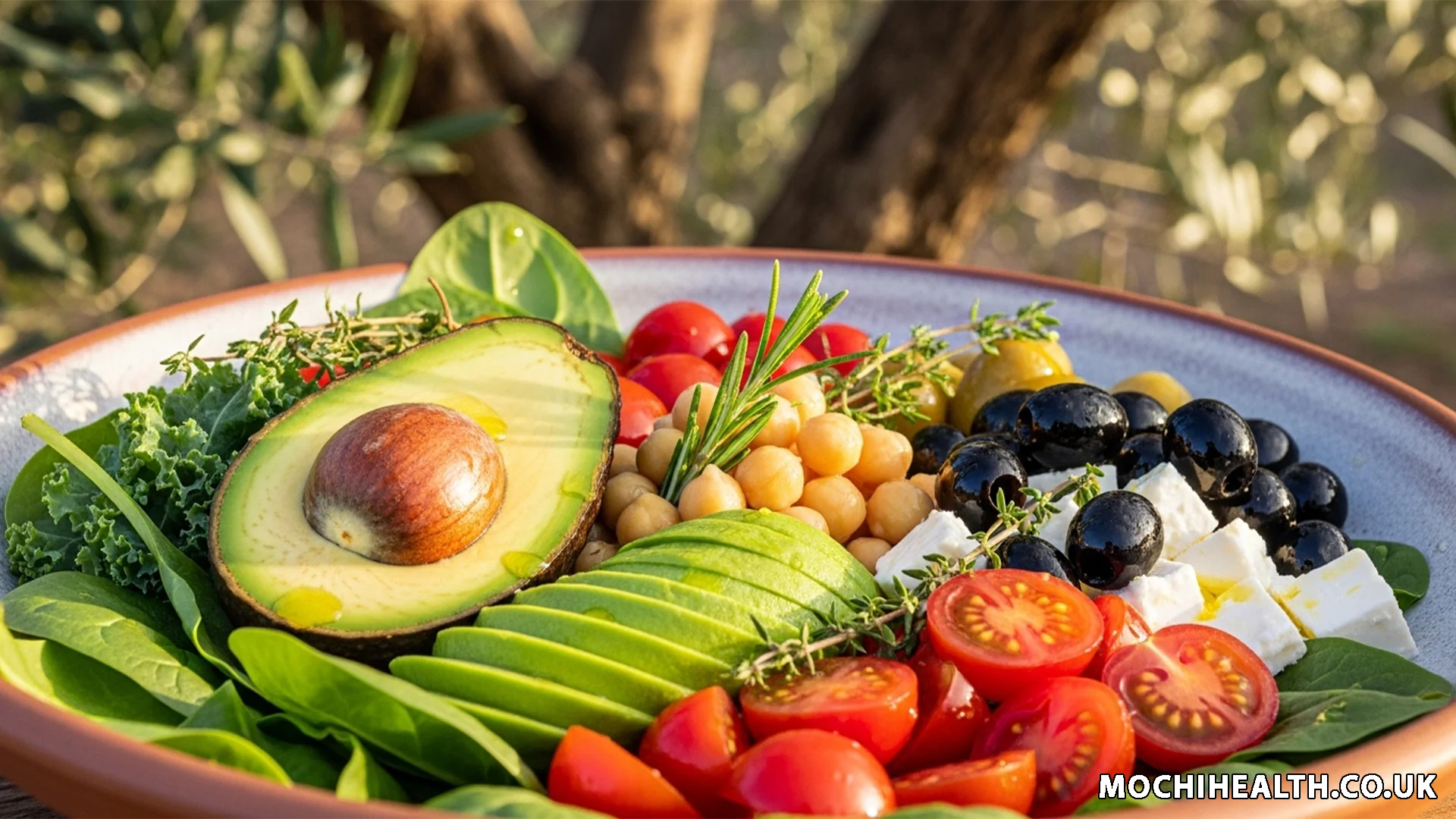
When exploring the Mediterranean diet: foods to eat, health benefits and how to get started, understanding the core ingredients is essential. Fresh produce is the cornerstone, including leafy greens, tomatoes, peppers, cucumbers, and eggplants. These provide vitamins, minerals, antioxidants, and fiber, which help support heart health and reduce inflammation.
Healthy fats are also central, primarily through extra virgin olive oil, avocado, and nuts. These fats are essential for cardiovascular health and help improve cholesterol profiles. Lean proteins, especially fatty fish like salmon, sardines, and mackerel, provide omega-3 fatty acids that support brain function. Legumes, including lentils, chickpeas, and beans, offer plant-based protein, fiber, and essential minerals.
Cheese and yogurt are included in moderation, preferably from fermented sources like Greek yogurt or feta cheese, which provide probiotics that support gut health. Herbs and spices such as rosemary, basil, oregano, and garlic enhance flavor while delivering antioxidant and anti-inflammatory benefits.
How the Mediterranean Diet Supports Heart Health
One of the most celebrated aspects of the Mediterranean diet is its cardiovascular benefits. Scientific studies repeatedly show that individuals following this lifestyle have lower rates of heart disease, hypertension, and stroke. The diet’s focus on healthy fats, fiber-rich produce, and lean proteins contributes to optimal heart function and reduced arterial inflammation.
Olive oil, a cornerstone of Mediterranean meals, contains monounsaturated fats that lower LDL cholesterol while maintaining HDL cholesterol levels. Omega-3 fatty acids from fish reduce triglycerides and prevent clot formation. Together, these factors create a powerful protective effect that supports long-term heart health, making the Mediterranean diet a leading choice for cardiovascular disease prevention.
Weight Management and the Mediterranean Approach
Contrary to fad diets promising rapid weight loss, the Mediterranean diet encourages gradual, sustainable changes that support long-term weight management. By emphasizing whole, nutrient-dense foods, it naturally reduces calorie-dense processed foods and added sugars.
High fiber intake from fruits, vegetables, legumes, and whole grains promotes satiety, reducing the tendency to overeat. Healthy fats and protein further stabilize blood sugar levels and curb cravings. Unlike restrictive diets, the Mediterranean approach balances indulgence with nutrition, allowing occasional treats without derailing overall health goals.
The Mediterranean Diet and Mental Wellness
Recent research highlights the Mediterranean diet’s role in mental health, particularly in reducing the risk of depression, anxiety, and cognitive decline. Nutrient-rich foods like omega-3-rich fish, leafy greens, berries, and nuts support brain function by reducing inflammation and oxidative stress.
Additionally, social meals and mindful eating, integral to Mediterranean culture, promote emotional well-being. Studies suggest that individuals following this diet have improved cognitive function and a lower risk of neurodegenerative conditions like Alzheimer’s disease. This connection between nutrition and mental wellness makes the Mediterranean diet a holistic approach to overall health.
Debunking Common Myths about the Mediterranean Diet
Despite its popularity, the Mediterranean diet is sometimes misunderstood. One myth is that it requires complex recipes or expensive ingredients, but in reality, the diet relies on simple, seasonal produce and pantry staples. Another misconception is that it’s low in protein, when in fact, fish, legumes, and moderate dairy intake provide sufficient protein.
Some people also believe it’s just a weight-loss diet, yet its primary goal is overall health, disease prevention, and longevity. Clarifying these myths helps individuals adopt the diet confidently and reap its full range of benefits.
Scientific Research and Expert Insights
Numerous studies validate the Mediterranean diet as one of the healthiest eating patterns worldwide. Research published in journals like The New England Journal of Medicine and The Lancet demonstrates significant reductions in cardiovascular events, metabolic syndrome, and cognitive decline.
Experts emphasize the synergistic effects of foods, lifestyle, and cultural habits rather than isolated nutrients. This combination of plant-based ingredients, healthy fats, and social mealtimes contributes to both physical and mental well-being. Nutritionists often recommend it as a long-term sustainable approach rather than a temporary diet, reinforcing its credibility as a lifestyle choice rather than a short-term trend.
How to Incorporate the Mediterranean Diet Into Your Life
Incorporating the Mediterranean diet doesn’t require drastic changes. Start by prioritizing fresh produce, whole grains, and healthy fats. Replace butter with olive oil, integrate more fish into meals, and experiment with herbs and spices for flavor.
Meal planning around seasonal ingredients and enjoying food in a social, mindful manner enhances adherence. Over time, this approach becomes a natural, enjoyable lifestyle, supporting health without strict rules or calorie counting. The Mediterranean diet is flexible enough to accommodate personal preferences, cultural influences, and busy lifestyles, making it accessible for virtually anyone.
The Future of the Mediterranean Lifestyle
As the global population seeks sustainable and enjoyable health solutions, the Mediterranean diet is poised for continued popularity. Innovations in food sourcing, plant-based alternatives, and culinary creativity are likely to enhance its accessibility and appeal.
Public health initiatives also increasingly promote Mediterranean principles to combat obesity, heart disease, and mental health challenges, positioning it as a blueprint for healthy living worldwide. The integration of science, culture, and nutrition ensures that the Mediterranean diet will remain a relevant and evolving approach to wellness for decades to come.
Conclusion
The Mediterranean diet: foods to eat, health benefits and how to get started offers a holistic approach to health, blending delicious, nutrient-rich foods with sustainable lifestyle practices. Its benefits extend beyond weight management to encompass heart health, mental wellness, longevity, and disease prevention.
By focusing on natural, whole ingredients, balanced meals, and mindful eating, individuals can transform their health without relying on extreme diets or fads. Whether you are seeking better nutrition, improved mental clarity, or vibrant energy, the Mediterranean diet provides a time-tested, enjoyable path to long-term wellness.
Frequently Asked Questions (FAQs)
Q1: Can the Mediterranean diet help with weight loss?
Yes, while it is not primarily a weight-loss diet, its emphasis on fiber-rich foods, healthy fats, and whole grains promotes satiety and supports sustainable weight management.
Q2: Is red meat completely avoided in the Mediterranean diet?
No, red meat is limited but not eliminated. The focus is on lean proteins like fish, poultry, legumes, and occasional lean red meat.
Q3: Can vegetarians follow the Mediterranean diet?
Absolutely. By emphasizing plant-based proteins, legumes, whole grains, nuts, and dairy, vegetarians can fully adopt the Mediterranean lifestyle.
Q4: How soon can I see health benefits from this diet?
Many individuals notice improved energy, digestion, and heart health within a few weeks, while long-term benefits like reduced chronic disease risk are observed over months and years.
Q5: Is olive oil the only recommended fat?
Olive oil is the primary fat due to its heart-healthy properties, but other healthy fats like avocado, nuts, and seeds are also encouraged.