
How to avoid dry socket is one of the most searched dental concerns online, and for good reason. Tooth extraction is one of the most common dental procedures worldwide, yet the fear of post-extraction pain continues to worry millions of patients. The idea of experiencing intense discomfort after a procedure that was meant to relieve pain can feel overwhelming and confusing. Many people believe the extraction itself is the most difficult part, but dental professionals know that the healing phase is where real care begins.
In recent years, social media discussions, health forums, and viral patient stories have increased awareness about post-extraction complications. Among these, dry socket has become a trending topic because it can turn a simple dental visit into a painful and stressful experience. The good news is that modern dental research and improved awareness have made prevention easier than ever before. Understanding the causes, healing process, and risk factors can dramatically reduce the chances of developing this condition.
This article explores the topic in depth, offering clarity, reassurance, and expert-level understanding of what happens after tooth extraction and how recovery can be protected. By the end, readers will feel informed, confident, and prepared for a smooth healing journey.
Understanding Dry Socket in Simple Terms
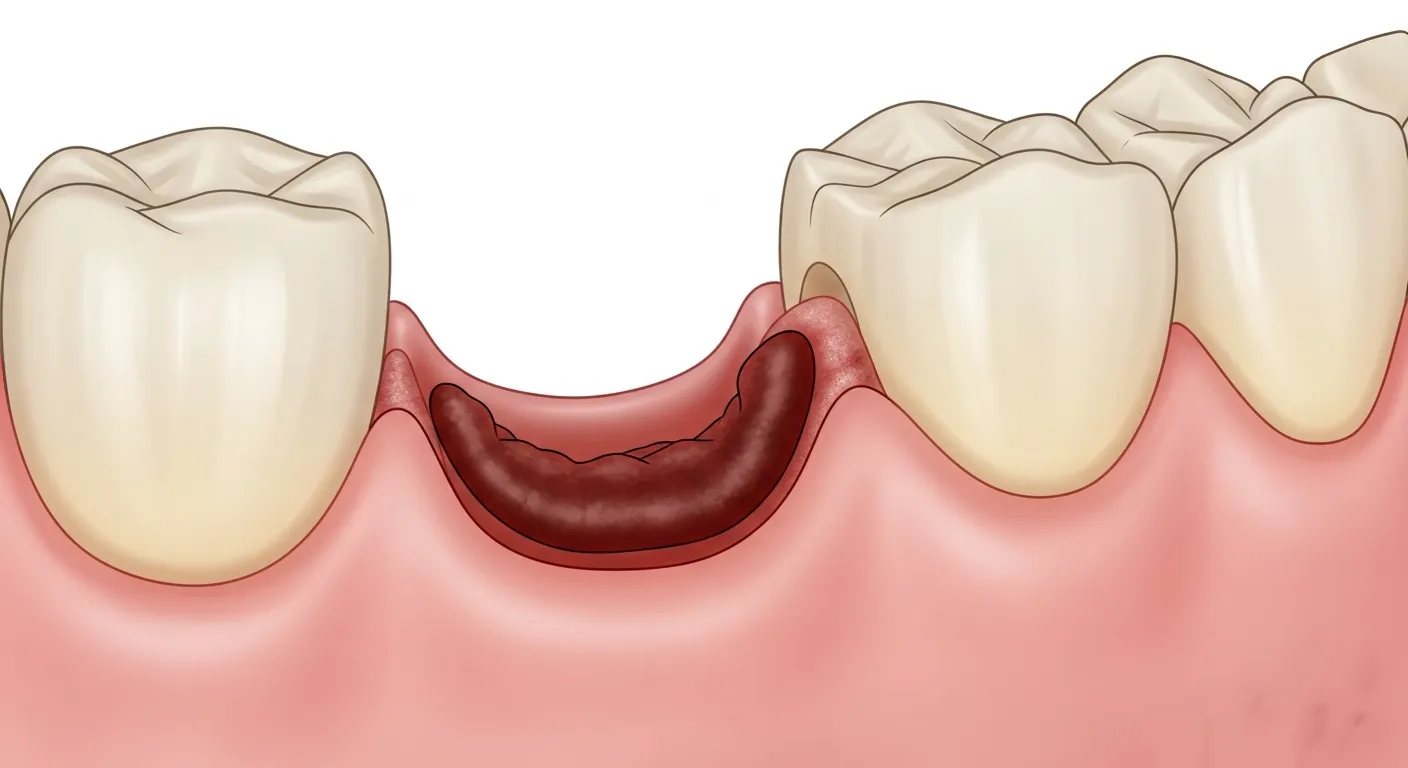
Dry socket, medically known as alveolar osteitis, occurs when the protective blood clot that forms after a tooth extraction either dissolves too early or fails to form properly. The blood clot is essential because it shields the bone and nerves underneath while new tissue begins to grow. When this clot is lost prematurely, the exposed bone becomes vulnerable to bacteria, food particles, and air, leading to intense pain and delayed healing.
The sensation associated with this condition is often described as throbbing or radiating pain that spreads toward the ear, jaw, or temple. This discomfort can appear several days after extraction, which surprises many patients who initially believed their recovery was progressing normally. Because of this delayed onset, awareness about how to avoid dry socket has become a crucial part of modern dental education.
The History and Background of Tooth Extraction Recovery
Tooth extraction has been practiced for centuries, long before the invention of anesthesia or modern dental tools. In ancient times, extractions were performed by barbers or general healers using basic instruments. Recovery often depended on luck, hygiene, and the body’s natural healing ability. Without scientific knowledge of bacteria or wound care, complications like infection and dry socket were extremely common.
The advancement of dentistry during the twentieth century transformed post-extraction care. Antibiotics, sterilization techniques, and improved surgical methods significantly reduced complications. Today, dentists understand the exact biological mechanisms behind clot formation and healing, making prevention far more reliable than in the past.
Why Dry Socket Matters More Than You Think
Although dry socket is not life-threatening, its impact on quality of life can be significant. The condition can cause severe pain, disrupt sleep, affect appetite, and interfere with daily activities. Many patients describe it as more uncomfortable than the extraction itself. This level of discomfort often leads to emergency dental visits, additional treatment, and prolonged recovery.
Understanding how to avoid dry socket is therefore not only about comfort but also about protecting time, productivity, and emotional well-being. Prevention reduces the likelihood of additional appointments and ensures a smoother healing experience.
How the Healing Process Works After Extraction
Healing after tooth extraction is a complex biological process that begins immediately once the tooth is removed. Blood fills the empty socket, forming a clot that acts as a natural protective barrier. This clot is rich in growth factors that stimulate tissue regeneration and bone repair.
Over time, new tissue gradually replaces the clot. The gum begins to close over the socket, and the underlying bone rebuilds itself. This process can take several weeks to months depending on the individual’s health, age, and oral hygiene. Maintaining the integrity of the blood clot during the early days of healing is the most critical factor in preventing complications.
The Science Behind Blood Clot Formation
The formation of a blood clot is a fascinating and essential biological event. Platelets and clotting proteins work together to create a protective seal that stabilizes the wound. This clot not only prevents bleeding but also provides a scaffold for new tissue growth.
Any disruption to this delicate structure can delay healing. Actions that create suction, pressure, or irritation inside the mouth can dislodge the clot prematurely. This scientific understanding explains why dental professionals emphasize gentle care and caution during the first days after extraction.
Major Causes That Lead to Dry Socket

Several factors contribute to the development of dry socket. One of the most common causes is physical disruption of the clot. Activities that create pressure in the mouth, such as vigorous rinsing or using a straw, can disturb the healing process. Another major cause is bacterial contamination, which can dissolve the clot before tissue regeneration begins.
Hormonal changes, certain medications, and surgical complexity can also play a role. Wisdom tooth extractions, for example, have a higher risk because of the difficulty of the procedure and the location in the mouth.
Risk Factors That Increase the Chances
Certain individuals are naturally more prone to developing this condition. Smokers face a significantly higher risk because tobacco restricts blood flow and introduces harmful chemicals into the mouth. Women taking oral contraceptives may also experience increased risk due to hormonal influences on clot formation.
People with poor oral hygiene or a history of dental infections may find healing more challenging. Recognizing these risk factors is a key part of understanding how to avoid dry socket and ensuring a smooth recovery.
Lifestyle Habits That Influence Healing
Lifestyle choices play a powerful role in oral health and recovery. Hydration, sleep quality, and stress levels all affect the body’s ability to heal. Smoking and alcohol consumption can slow tissue regeneration and increase inflammation, making complications more likely.
Maintaining a balanced lifestyle supports the immune system and helps the body respond effectively to surgical procedures. Even small changes in daily habits can have a significant impact on recovery outcomes.
The Role of Oral Hygiene in Prevention
Oral hygiene becomes even more important after a tooth extraction. A clean environment reduces the presence of bacteria and supports the body’s natural healing mechanisms. Gentle cleaning practices help maintain freshness without disturbing the extraction site.
Dental professionals often emphasize the importance of keeping the mouth clean while being mindful of the sensitive healing area. This balance plays a crucial role in how to avoid dry socket and maintain overall oral health.
Foods and Nutrition That Support Recovery
Nutrition plays a vital role in tissue repair and immune function. Soft, nutrient-rich foods provide the body with essential vitamins and minerals without placing stress on the healing site. Foods rich in vitamin C, protein, and zinc support collagen production and tissue growth.
Proper nutrition not only accelerates healing but also reduces inflammation and discomfort. The connection between diet and recovery highlights the importance of holistic care after dental procedures.
Myths and Misconceptions About Dry Socket
Many myths surround dry socket, often fueled by online discussions and anecdotal stories. Some people believe it happens randomly or cannot be prevented, which is not accurate. While risk cannot be eliminated entirely, proper care significantly reduces the likelihood of complications.
Another common misconception is that pain always indicates dry socket. In reality, mild discomfort is a normal part of healing. Understanding the difference between normal recovery and complications helps reduce anxiety and unnecessary worry.
Research, Statistics and Expert Insights
Dental research continues to improve understanding of post-extraction healing. Studies suggest that dry socket occurs in a small percentage of extractions, with higher rates in wisdom tooth removal. Advances in surgical techniques, medications, and patient education have reduced the overall risk.
Experts emphasize that awareness and preventive care are the most effective tools available. Increased patient education has played a major role in reducing complications over the past decade.
Modern Dental Innovations and Prevention Trends
Modern dentistry has embraced new technologies and techniques to enhance recovery. Advanced surgical tools, medicated dressings, and improved anesthesia methods have transformed the extraction experience. Dentists now focus heavily on patient education, ensuring individuals understand how to avoid dry socket before leaving the clinic.
Telehealth and online consultations have also made post-procedure guidance more accessible. Patients can quickly reach dental professionals if they have concerns, reducing anxiety and improving outcomes.
Long-Term Oral Health After Tooth Extraction
Recovery does not end when the socket heals. Maintaining oral health after extraction is essential for preventing future dental issues. Replacing missing teeth, maintaining hygiene, and attending regular checkups support long-term well-being.
A successful recovery often motivates individuals to prioritize dental care, creating lasting positive habits that extend beyond the extraction experience.
Conclusion
Understanding how to avoid dry socket empowers patients to approach tooth extraction with confidence rather than fear. Awareness, preparation, and proper care transform the healing journey into a manageable and predictable process. The evolution of dental science has made prevention easier than ever, offering reassurance to anyone facing this common procedure.
By recognizing risk factors, supporting the body’s natural healing process, and staying informed, individuals can greatly reduce the chances of complications. The key takeaway is simple yet powerful: knowledge and gentle care are the strongest tools for a smooth recovery.
FAQs
What is the main cause of dry socket?
The primary cause is the loss or disruption of the blood clot that protects the extraction site.
How long does the risk last after extraction?
The highest risk period is during the first few days after the procedure.
Is dry socket common after wisdom tooth removal?
Yes, wisdom tooth extraction carries a higher risk due to surgical complexity.
Can dry socket heal on its own?
It usually requires professional treatment to relieve pain and promote healing.
Does smoking increase the risk?
Smoking significantly raises the chances because it interferes with blood flow and clot stability.
When should a dentist be contacted after extraction?
Persistent or severe pain several days after the procedure should be evaluated by a professional.
“If you enjoy learning about wellness and natural health trends, you may also like our article Mushroom Coffee, where we explore why this trending drink is gaining popularity and how it fits into modern healthy lifestyles.”