
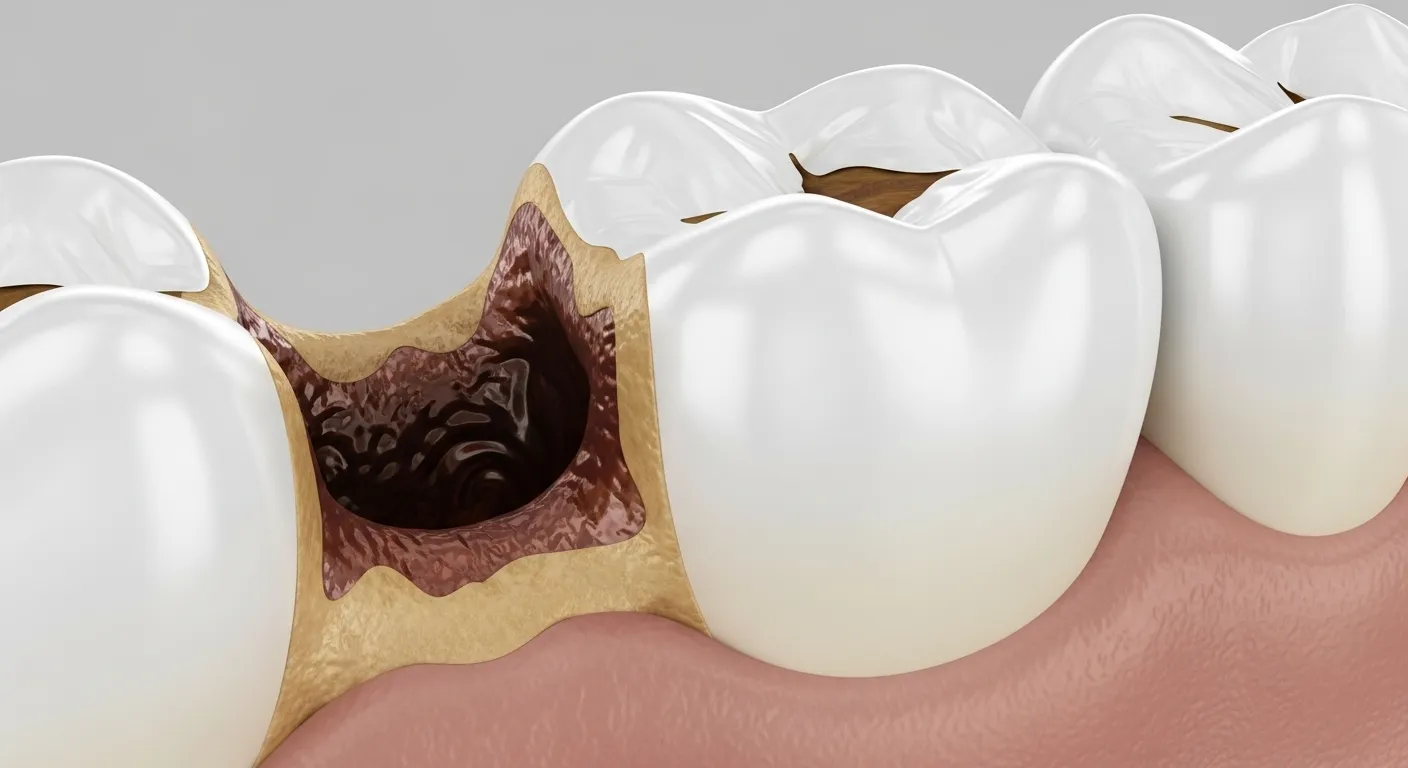
Cavities are one of the most common dental problems affecting people of all ages worldwide. But what do cavities look like, and how can you identify them before they cause severe damage? Cavities, also known as dental caries, are the result of tooth decay caused by bacteria, poor oral hygiene, and sugary diets. Visually recognizing cavities early can save your teeth from extensive damage and costly dental treatments.
What Are Cavities?
A cavity is essentially a damaged area in the hard surface of your teeth. It starts as tiny white or brown spots caused by enamel demineralization. If left untreated, cavities grow deeper, affecting the dentin and sometimes reaching the pulp, causing pain, sensitivity, and possible infection.
Cavities are preventable, but understanding what they look like is the first step in early detection.
Early Signs of Cavities
Cavities often start without any pain, which makes early visual detection critical. Some early signs include:
White Spots on Teeth
One of the first indicators of a cavity is a chalky white spot on the tooth. This occurs due to mineral loss in the enamel. These spots may appear near the gum line or in the grooves of your teeth.
Brown or Black Spots
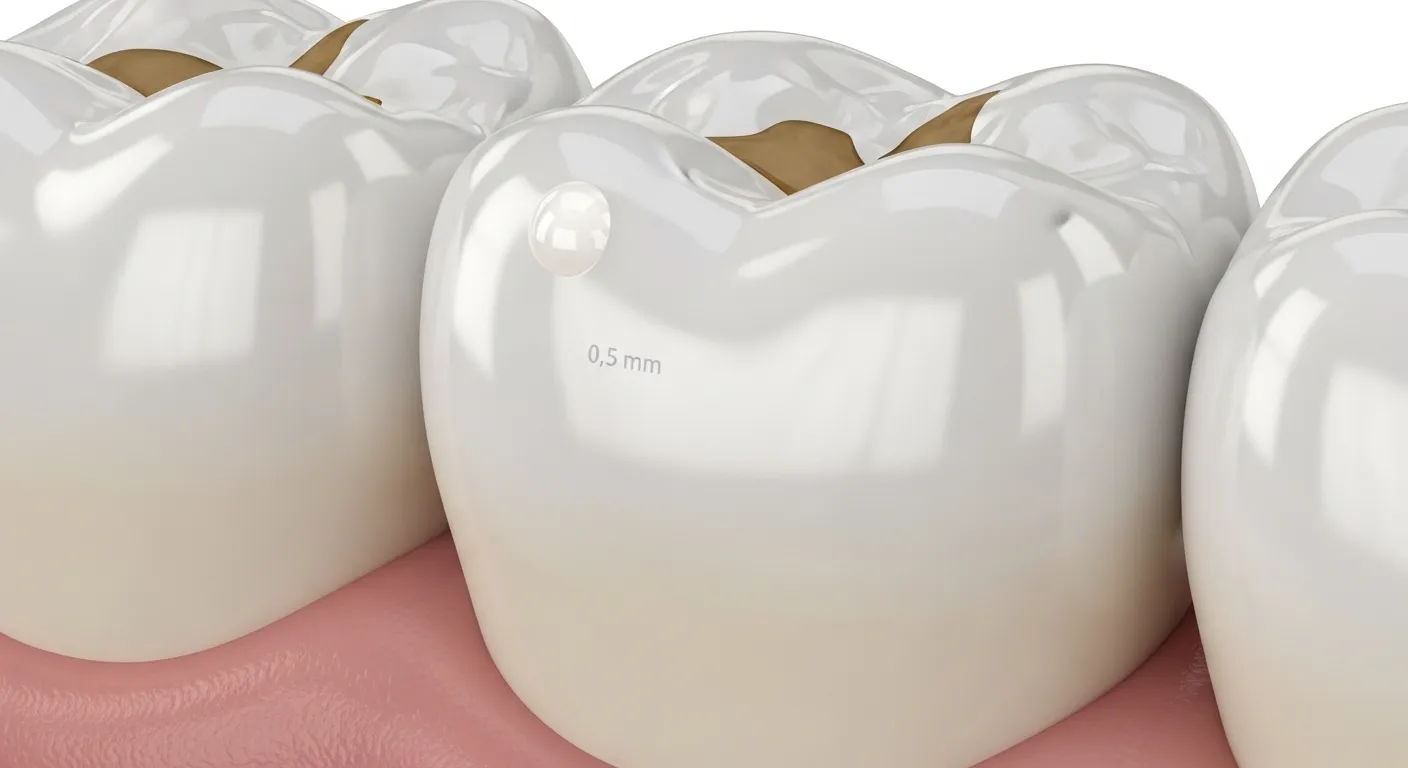
As decay progresses, the affected area may turn brown or black. This discoloration is a sign that the enamel is deteriorating further. Dark spots are often more visible on molars and premolars, where chewing surfaces trap food particles.
Types of Cavities
Cavities do not look the same in every case. There are several types based on location and progression:
Pit and Fissure Cavities
These develop on the chewing surfaces of molars. They appear as tiny holes or pits that may be brown or black. These cavities are the most common in children and adolescents.
Smooth Surface Cavities
Smooth surface cavities occur on the flat outer surfaces of teeth. They may appear as white or brown spots, gradually forming small indentations.
Root Cavities
Root cavities develop on exposed roots, often due to gum recession. They appear as soft, darkened areas near the gum line and can cause sensitivity when eating or drinking.
How Cavities Progress Visually
What Do Cavities Look Like evolve over time, and their appearance changes with the stage of decay.
Small Holes and Pits
Initially, cavities may look like tiny holes or rough spots on teeth. These are often painless but indicate the start of enamel decay.
Larger Visible Holes
As the cavity grows, the hole becomes larger and more noticeable. You may see dark brown or black areas, and food can get stuck in the cavity.
Tooth Discoloration
In severe cases, cavities can cause widespread discoloration or staining on the tooth surface. Infected teeth may also appear chipped or eroded due to enamel loss.
Factors Affecting the Appearance of Cavities
Several factors influence how cavities look and how quickly they develop:
Diet and Sugary Foods
Frequent consumption of sugary and acidic foods accelerates decay, leading to visible spots and holes.
Poor Oral Hygiene
Skipping regular brushing and flossing allows plaque and bacteria to accumulate, increasing the risk of noticeable cavities.
Age and Genetics
Older adults and individuals with genetic predispositions may develop root cavities and more severe discoloration.
Diagnosing Cavities
Correct diagnosis is key to preventing further damage.
Professional Dental Examination
Dentists use tools to detect soft spots, pits, and discoloration on teeth. Early detection often involves careful visual inspection.
X-Rays and Imaging
X-rays can reveal hidden cavities between teeth or under existing fillings. These images help dentists identify decay not visible to the naked eye.
Home Observation Techniques
At home, look for white, brown, or black spots, holes, rough textures, or sensitivity to cold and hot foods. Regular self-checks complement professional care.
Prevention of Cavities
Preventing cavities starts with daily habits and lifestyle choices:
Proper Brushing and Flossing
Brushing twice a day and flossing daily removes plaque and prevents the formation of early white spots.
Fluoride Treatments
Fluoride strengthens enamel and can reverse early-stage decay. Toothpaste and professional fluoride treatments are highly effective.
Diet and Lifestyle Choices
Reducing sugar intake, avoiding sticky foods, and maintaining hydration help protect teeth from cavities.
Treatment Options for Cavities
If you already have cavities, several treatment options are available:
Fillings
Dental fillings involve removing decayed enamel and filling the cavity with composite resin, amalgam, or gold.
Crowns
For large cavities, dentists may place a crown to restore the tooth’s shape and function.
Root Canals
If decay reaches the pulp, a root canal removes infected tissue to save the tooth.
Tooth Extraction
Severe decay may require tooth removal, especially if the cavity is beyond repair.
How to Monitor Your Teeth for Cavities
Regular monitoring ensures early detection:
-
Inspect teeth in bright light for discoloration or spots.
-
Notice sensitivity to sweet, hot, or cold foods.
-
Schedule dental checkups every six months.
Early recognition of what cavities look like can prevent extensive damage.
Conclusion
Cavities are a common but preventable dental issue. By understanding what cavities look like, their stages, types, and visual signs, you can detect decay early and seek timely dental care. Regular brushing, flossing, fluoride treatments, and healthy dietary habits are essential to keeping your teeth cavity-free. Remember, early detection is key to avoiding painful procedures and preserving your natural teeth.
Frequently Asked Questions (FAQs)
1. What does a cavity look like at the very beginning?
At the earliest stage, cavities appear as white chalky spots on the tooth enamel. These spots indicate demineralization.
2. Can cavities be visible without pain?
Yes, cavities can be present for months without causing pain. Visual signs like brown or black spots may be the first noticeable symptom.
3. Are cavities always dark in color?
No, early cavities may appear white, while advanced cavities often turn brown or black.
4. Can I treat cavities at home?
Mild enamel demineralization may be reversed with fluoride treatments, but cavities that have formed holes require professional dental care.
5. How often should I check my teeth for cavities?
Regular self-examinations combined with biannual dental visits are recommended to catch cavities early.
If you’re interested in learning more about foot health, check out our article “What Causes Thick Toenails” to discover the common reasons behind thickened nails and how to care for them effectively.