
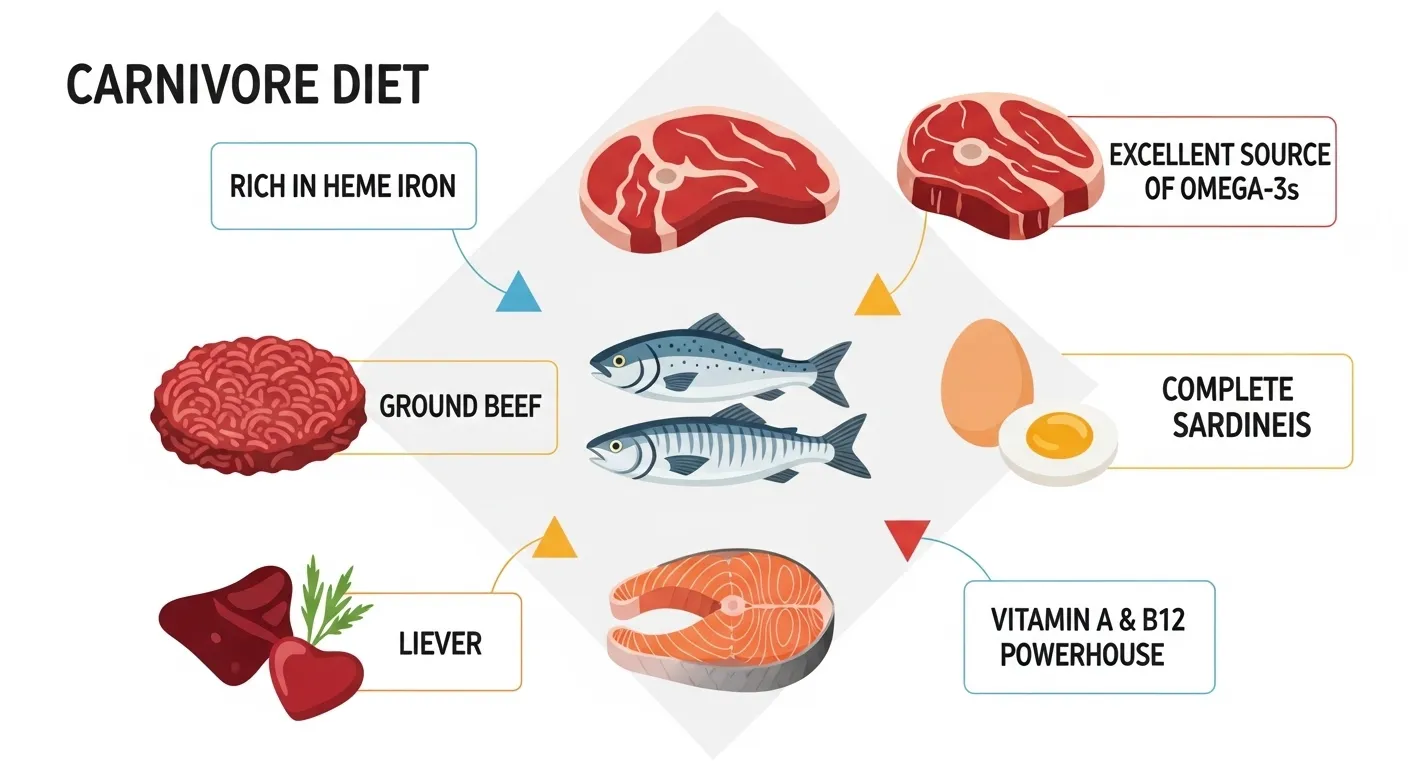
The carnivore diet has gained significant popularity in recent years as more people look for simplified, low-carb, and high-protein ways to improve their health. Unlike traditional diets that encourage a balance of fruits, vegetables, grains, and proteins, the carnivore diet takes a radical approach—it emphasizes consuming only animal-based products.
People adopt this diet for various reasons, including weight loss, mental clarity, autoimmune management, and increased energy levels. But one of the most frequently asked questions is: what can you actually eat on the carnivore diet?
This comprehensive guide will answer that question, provide meal planning tips, explore benefits, and discuss potential risks.
What Is the Carnivore Diet?
The carnivore diet is a dietary approach where all or most of your calories come from animal products. This includes meat, fish, eggs, and some forms of dairy. Essentially, it is an extreme form of the ketogenic diet, but without plant-based foods.
Unlike other diets, the carnivore diet eliminates carbohydrates almost entirely. This forces your body into a state called ketosis, where it burns fat for fuel instead of sugar.
The diet is simple in principle but requires careful selection of foods to maintain nutritional balance and avoid deficiencies.
Core Foods You Can Eat on the Carnivore Diet
Here’s a detailed list of foods allowed on the What Can You Eat on the Carnivore Diet:
Beef and Red Meat
Beef is the cornerstone of the carnivore diet. You can eat:
-
Steaks (ribeye, sirloin, T-bone, flank)
-
Ground beef (85–100% lean)
-
Roasts (chuck, brisket, rump)
-
Organ meats (liver, kidney, heart)
Why beef is important: It provides high-quality protein, iron, B vitamins, and essential amino acids. Organ meats are particularly nutrient-dense and are a critical part of maintaining micronutrient balance on a meat-only diet.
Pork
Pork is another excellent source of protein and fat. Carnivore-friendly options include:
-
Pork chops
-
Bacon (check for added sugar or carbs)
-
Pork shoulder
-
Ham (preferably nitrate-free and minimally processed)
Pork is high in thiamine (vitamin B1) and provides essential fatty acids needed for energy.
Poultry
Chicken, turkey, duck, and other poultry are versatile and widely available. Recommended options include:
-
Whole roasted chicken
-
Chicken thighs and drumsticks
-
Turkey breast or whole turkey
-
Duck legs or breast
Poultry is lower in fat than red meat, so pairing it with animal fats or fatty cuts can help maintain energy levels on a zero-carb diet.
Seafood and Fish
Seafood is rich in omega-3 fatty acids, iodine, and other essential nutrients. Options suitable for the carnivore diet:
-
Salmon
-
Sardines
-
Mackerel
-
Tuna
-
Shrimp
-
Crab
-
Lobster
Fatty fish like salmon and mackerel are particularly beneficial because they help balance omega-3 and omega-6 fatty acids, supporting heart and brain health.
Eggs
Eggs are a staple on the carnivore diet. They are nutrient-dense, protein-rich, and versatile.
-
Chicken eggs (most common)
-
Duck eggs (higher fat content)
-
Quail eggs (for variety)
Eggs contain choline, vitamin B12, and healthy fats, which are essential for cognitive function and energy production.
Animal Fats
Fat is a primary energy source on the carnivore diet. Healthy fats include:
-
Beef tallow
-
Lard (pork fat)
-
Duck fat
-
Butter and ghee (from grass-fed sources)
Fats are essential to maintain satiety and provide energy when carbs are eliminated.
Dairy Products
Dairy is optional and should be chosen based on tolerance. Suitable options:
-
Heavy cream
-
Hard cheeses (cheddar, parmesan)
-
Butter and ghee
-
Full-fat yogurt (if tolerated)
Some people avoid dairy due to lactose sensitivity or digestive issues. Those who tolerate it can benefit from the extra calories and fat.
Foods to Avoid on the Carnivore Diet
The carnivore diet excludes all plant-based foods, including:
-
Fruits
-
Vegetables
-
Grains (rice, wheat, corn)
-
Legumes (beans, lentils, peanuts)
-
Nuts and seeds
-
Sugary foods and drinks
-
Processed plant-based oils
Even condiments, sauces, and spices are often minimized to avoid hidden carbs. The focus is pure animal-based nutrition.
Sample Carnivore Diet Meal Plan
Here’s an example of a day on the carnivore diet:
Breakfast:
-
3 eggs fried in butter
-
2 slices of bacon
Lunch:
-
Ribeye steak
-
Side of beef liver (optional)
Dinner:
-
Grilled salmon with ghee
-
Chicken thighs
Snack (if needed):
-
Hard-boiled eggs
-
Pork rinds
This meal plan focuses on variety in protein and fat sources to cover essential nutrients.
Health Benefits of the Carnivore Diet
Adherents of the carnivore diet report several potential benefits:
-
Weight Loss: High protein and fat intake increases satiety and reduces overall calorie consumption.
-
Improved Mental Clarity: Many people experience better focus and reduced brain fog.
-
Blood Sugar Control: Eliminating carbohydrates stabilizes blood sugar levels and insulin response.
-
Reduced Inflammation: Some report improvements in autoimmune symptoms and joint pain.
-
Simplified Eating: No meal prep stress or counting carbs—just meat, fat, and eggs.
Potential Risks and Considerations
Despite benefits, the carnivore diet may present risks:
-
Nutrient deficiencies: Lack of vitamin C, fiber, and certain phytonutrients.
-
Heart health concerns: High intake of saturated fats may affect cholesterol levels in some individuals.
-
Digestive issues: Lack of fiber may cause constipation.
-
Kidney strain: High protein intake can stress kidneys, especially for those with pre-existing conditions.
Tip: Work with a healthcare provider and monitor lab results to ensure safety.
Tips for Success on the Carnivore Diet
-
Start gradually: Reduce carbs slowly to avoid “keto flu.”
-
Eat fatty cuts: Ensure you consume enough fat for energy.
-
Include organ meats: Liver, kidney, and heart provide essential vitamins and minerals.
-
Hydrate well: Electrolytes like sodium, magnesium, and potassium are crucial.
-
Track symptoms: Keep a journal to monitor energy, mood, and digestive changes.
Conclusion
The carnivore diet offers a simple, high-protein, low-carb approach to eating. While it may not be for everyone, it can provide weight loss, improved mental clarity, and better blood sugar control when followed correctly.
Knowing what you can eat on the carnivore diet is essential. Focus on high-quality meats, seafood, eggs, fats, and optionally dairy. Avoid plant-based foods entirely, and prioritize nutrient-dense organ meats to cover potential deficiencies.
By planning meals carefully and monitoring your body, the carnivore diet can be a sustainable and effective approach to health for those who thrive on animal-based nutrition.
FAQs
Q1: Can you eat vegetables on the carnivore diet?
A: No. The carnivore diet excludes all plant-based foods, focusing solely on animal products.
Q2: Are eggs allowed on the carnivore diet?
A: Yes! Eggs are a staple and provide protein, fats, and essential nutrients like choline and B vitamins.
Q3: Can you drink coffee or tea?
A: Traditional carnivore diets recommend avoiding plant-based drinks, but some followers allow coffee in moderation.
Q4: Is dairy allowed on the carnivore diet?
A: Yes, if tolerated. Choose high-fat options like butter, heavy cream, and hard cheeses.
Q5: How do you avoid nutrient deficiencies?
A: Incorporate organ meats like liver, heart, and kidney, and monitor lab results with a healthcare provider.
What Do Cavities Look Like – Learn how to identify cavities early, understand their stages, and protect your dental health effectively.