
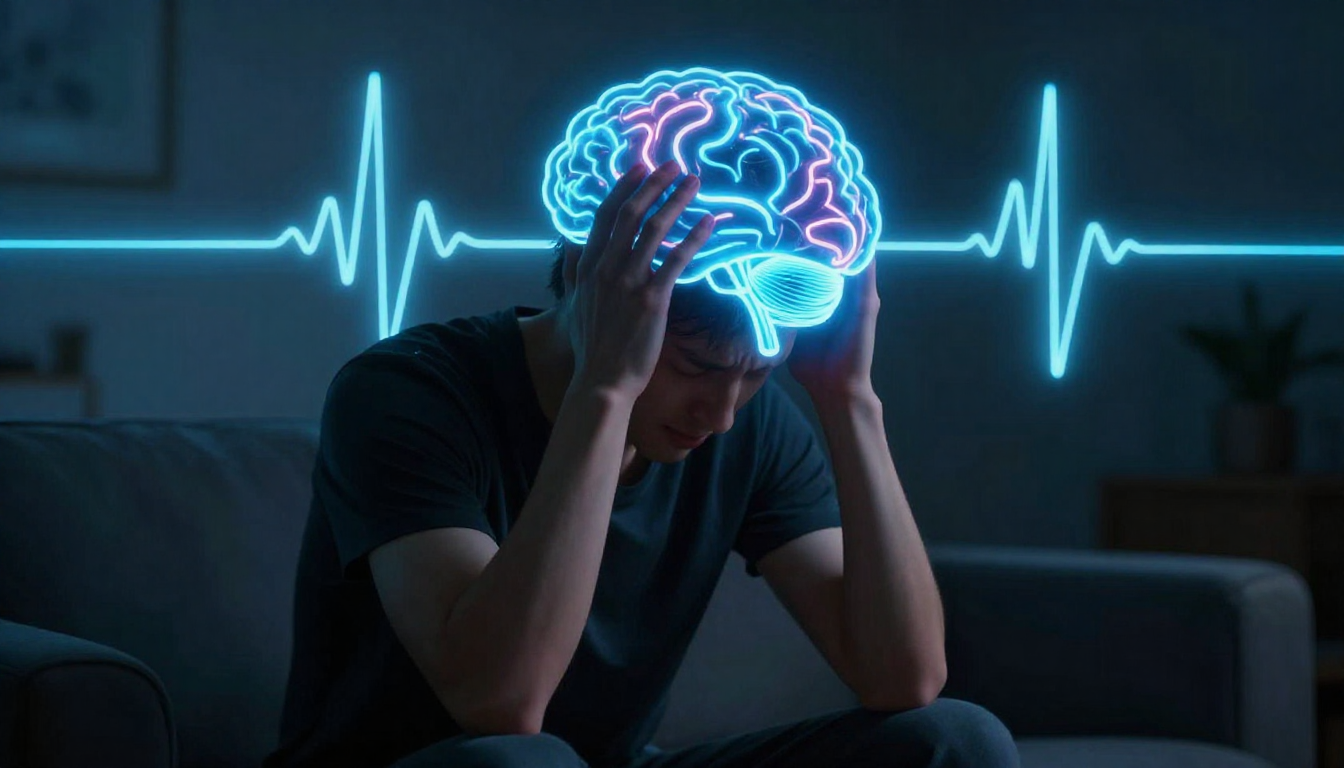
TMS, or Transcranial Magnetic Stimulation, is a non-invasive therapy designed to treat depression and other mental health conditions. Over the past decade, it has gained popularity as a seemingly safe alternative to medication and psychotherapy. While many patients report positive outcomes, a growing number of individuals have expressed a different perspective: “TMS ruined my life.”
This article explores the risks, complications, and personal experiences behind these claims. If you are considering TMS or are curious about its impact, this guide will provide you with an in-depth look at the therapy from multiple angles.
What is TMS?
TMS is a procedure that uses magnetic fields to stimulate nerve cells in the brain. The primary target is the prefrontal cortex, a region linked to mood regulation.
Unlike electroconvulsive therapy (ECT), TMS does not require anesthesia and is considered minimally invasive. However, while marketed as safe, it is not risk-free, and negative outcomes are often underreported.
How TMS Works
TMS involves placing a magnetic coil against the patient’s scalp. The coil generates pulsed magnetic fields, which induce electrical currents in specific brain regions.
Key points about TMS:
-
Usually administered in daily sessions over 4–6 weeks.
-
Each session lasts about 30–40 minutes.
-
Patients remain awake and alert during treatment.
-
Target areas include the dorsolateral prefrontal cortex (DLPFC).
While the theory behind TMS is promising, its effectiveness varies widely among individuals, which can lead to disappointment and, in some cases, the sentiment that “TMS ruined my life.”
Common Uses of TMS
TMS is primarily prescribed for:
-
Major depressive disorder (MDD) resistant to medications
-
Obsessive-compulsive disorder (OCD)
-
Post-traumatic stress disorder (PTSD)
-
Chronic pain and certain neurological disorders
Despite its broad applications, not everyone benefits. Some patients experience worsened symptoms or unexpected side effects.
Success Stories vs. Failures
Many TMS users report life-changing improvements. They highlight:
-
Reduced depressive symptoms
-
Increased energy and motivation
-
Better overall quality of life
However, negative experiences are also reported, leading to testimonials and forums filled with phrases like: “TMS ruined my life.”
The disparity between success and failure highlights the importance of proper screening and realistic expectations before undergoing therapy.
Why Some People Say “TMS Ruined My Life”
Severe Side Effects
While many experience mild side effects like headache or scalp discomfort, some report:
-
Intense neurological symptoms
-
Persistent memory issues
-
Unexpected mood swings
-
Rare cases of seizures
These adverse effects can be distressing and significantly impact daily functioning.
Emotional Distress
Some patients experience heightened anxiety, depression, or emotional instability following TMS sessions. When therapy fails to deliver the promised benefits, the psychological impact can be severe, contributing to the feeling that TMS has ruined their life.
Financial Burden
TMS therapy is expensive, with sessions costing hundreds of dollars each. Failed treatments can leave patients with:
-
Significant medical debt
-
Emotional frustration over wasted resources
-
Reduced trust in medical professionals
The combination of financial strain and lack of improvement is a common reason for statements like “TMS ruined my life.”
Potential Risks and Complications
While TMS is generally considered safe, the following risks exist:
-
Seizures (rare, but documented)
-
Cognitive impairment in some patients
-
Headaches, scalp pain, or tingling
-
Increased anxiety or depression
-
Hearing issues from the magnetic pulses (if ear protection is not used)
It’s crucial for anyone considering TMS to consult a qualified neurologist or psychiatrist and review their full medical history.
How to Identify if TMS May Be Harmful to You
TMS is not suitable for everyone. Warning signs include:
-
History of epilepsy or seizures
-
Presence of metal implants in the head
-
Severe psychosis or unstable psychiatric conditions
-
Previous adverse reactions to neurostimulation
A thorough screening process can prevent negative outcomes and reduce the chances of experiencing lifelong complications.
Personal Stories and Testimonials
Many patients share their experiences online:
“After 12 TMS sessions, my anxiety worsened, and I developed chronic headaches. It felt like my life was destroyed by a treatment that was supposed to help me.” — Anonymous
“TMS didn’t just fail to improve my depression; it made my cognitive function worse. I often think about those wasted months and thousands of dollars, and I can’t help but feel that TMS ruined my life.” — Online forum post
These stories highlight the importance of understanding that TMS is not universally safe or effective.
Alternatives to TMS Therapy
If TMS is not suitable, other treatments include:
-
Cognitive Behavioral Therapy (CBT)
-
Ketamine infusions for treatment-resistant depression
-
Lifestyle changes: exercise, meditation, diet
-
Medication adjustments under psychiatric supervision
-
ECT in severe cases, which, despite its stigma, may be more controlled
It’s essential to weigh risks, benefits, and costs before choosing a therapy.
How to Recover After a Negative TMS Experience
If TMS has caused harm, consider the following:
-
Seek medical evaluation for any lingering neurological or psychological symptoms
-
Therapy or counseling to process trauma and emotional distress
-
Support groups for individuals with failed TMS experiences
-
Financial counseling if medical costs are a burden
-
Lifestyle interventions to help restore mood and cognitive function
Recovery is possible, but requires professional guidance and patience.
Conclusion
While TMS can be life-changing for some, it is not without risks. For a subset of patients, the negative consequences can be profound, leading to the sentiment “TMS ruined my life.”
Understanding the risks, potential side effects, and realistic outcomes is critical. Anyone considering TMS should consult experienced professionals, conduct thorough research, and carefully evaluate alternatives.
Awareness, preparation, and support are key to preventing negative experiences and reclaiming control over your mental health journey.
FAQs
1. Can TMS permanently damage the brain?
Permanent brain damage from TMS is rare, but some patients experience long-term side effects like memory or cognitive issues.
2. How long do TMS side effects last?
Most side effects, such as headaches or scalp discomfort, are temporary, but severe cases may last weeks to months.
3. Is TMS covered by insurance?
Coverage depends on your insurance provider and diagnosis. Some insurers cover TMS for treatment-resistant depression, but it may involve high out-of-pocket costs.
4. Can I take TMS if I have a metal implant?
Metal implants in the head or near the brain are generally a contraindication. Consult your doctor before starting therapy.
5. Are there safer alternatives to TMS?
Yes. Psychotherapy, medication adjustments, ketamine therapy, and lifestyle interventions are commonly used alternatives.