
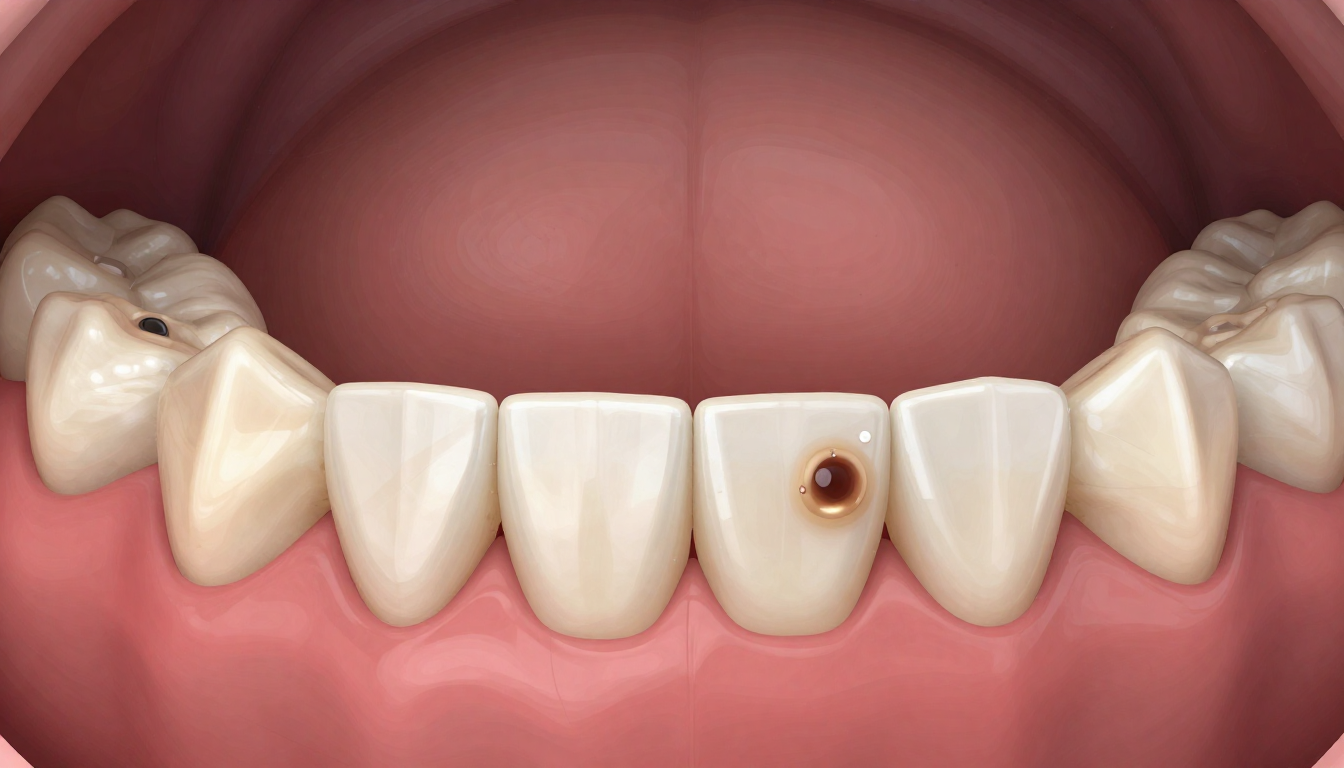
Cavities are one of the most common dental problems, affecting millions of people worldwide. If left untreated, cavities can lead to serious dental issues, including toothache, infection, and even tooth loss. Understanding what do cavities look like on teeth is crucial for early detection and prevention. This article provides an in-depth exploration of cavities, their visual signs, stages, and effective treatments.
What Are Cavities?
Cavities, also known as dental caries or tooth decay, are permanently damaged areas in the hard surface of your teeth that develop into tiny openings or holes. They result from a combination of bacteria in the mouth, frequent snacking, sugary drinks, and poor oral hygiene.
How Cavities Form
The process of cavity formation begins when plaque, a sticky film of bacteria, builds up on the teeth. These bacteria produce acids that erode the enamel, the hard outer layer of the tooth. Over time, this erosion can penetrate deeper layers of the tooth, resulting in cavities.
Signs of Cavities on Teeth
Recognizing the early signs of cavities can save your teeth from extensive damage. Here’s how cavities look on teeth:
Visual Appearance
Cavities often appear as small holes or pits on the tooth surface. In their early stages, they may be barely noticeable. As decay progresses, the holes may become larger and more visible.
Color Changes
Cavities can manifest in different colors, including:
-
White spots: The earliest sign of enamel demineralization.
-
Brown or black spots: Indicates advanced decay.
-
Dark discoloration: Suggests deep penetration into dentin.
Shape and Texture Changes
The affected area may feel rough or sticky when you run your tongue over it. In some cases, the tooth may even appear chipped or have a visible depression.
Different Stages of Cavities
Cavities progress through multiple stages. Recognizing these stages helps in early intervention.
Initial Stage
-
Appearance: White spots or chalky areas.
-
Symptoms: Usually painless.
-
Cause: Loss of minerals from enamel.
Enamel Decay
-
Appearance: Small brownish spots or lines on the tooth surface.
-
Symptoms: Slight sensitivity to sweets or cold.
-
Cause: Enamel erosion by acids.
Dentin Involvement
-
Appearance: Darker brown or black areas with visible holes.
-
Symptoms: Toothache and increased sensitivity.
-
Cause: Decay reaches the softer layer beneath enamel.
Advanced Cavities
-
Appearance: Large, visible holes with potential pulp exposure.
-
Symptoms: Severe pain, possible infection or abscess.
-
Cause: Deep decay affecting the inner pulp of the tooth.
Types of Cavities and Their Appearance
Different cavities affect teeth in various ways. Knowing the type can help identify their appearance.
Pit and Fissure Cavities
-
Location: Chewing surfaces of molars and premolars.
-
Appearance: Small pits or grooves that are darkened.
-
Cause: Food and bacteria trapped in grooves.
Smooth Surface Cavities
-
Location: Flat surfaces between teeth.
-
Appearance: White or brown discoloration spreading over smooth enamel.
Root Cavities
-
Location: Exposed roots of teeth, common in older adults.
-
Appearance: Brown or black decay near gumline.
-
Cause: Gum recession exposing vulnerable root surfaces.
Recurrent Cavities
-
Location: Around existing fillings or dental work.
-
Appearance: Small dark spots around dental restorations.
Symptoms Associated With Cavities
Even though cavities can be visible, symptoms often provide early clues:
-
Tooth sensitivity to hot, cold, or sweet foods.
-
Pain when chewing or biting.
-
Visible pits or holes in teeth.
-
Discoloration of the affected tooth.
-
Bad breath or unpleasant taste in the mouth.
Diagnosis of Cavities
Early detection is crucial. Dentists use several methods to diagnose cavities:
Visual Examination
Dentists look for visible signs of decay such as discoloration or holes on the teeth.
Dental X-Rays
X-rays can reveal hidden cavities between teeth or under existing fillings.
Other Diagnostic Tools
-
Laser fluorescence devices: Detect early enamel changes.
-
Dental explorers: Small tools to check for soft or sticky areas.
Prevention of Cavities
Preventing cavities is much easier than treating them.
Oral Hygiene Practices
-
Brush teeth twice daily with fluoride toothpaste.
-
Floss daily to remove trapped food particles.
-
Use antimicrobial mouthwash.
Dietary Measures
-
Limit sugary and acidic foods.
-
Include calcium and vitamin-rich foods for stronger teeth.
-
Drink plenty of water, especially after meals.
Regular Dental Checkups
-
Visit your dentist at least every 6 months.
-
Professional cleanings help remove plaque buildup.
Treatment Options for Cavities
Cavity treatment depends on severity and location.
Fillings
-
Best for: Early to moderate cavities.
-
Process: Decayed tooth material is removed and replaced with a dental filling.
-
Materials: Composite resin, amalgam, or gold.
Crowns
-
Best for: Large cavities compromising tooth structure.
-
Process: Tooth is reshaped and covered with a crown for protection.
Root Canal Treatment
-
Best for: Cavities reaching the pulp.
-
Process: Infected pulp is removed, canals are cleaned, and the tooth is sealed.
Tooth Extraction
-
Best for: Severely decayed teeth beyond repair.
-
Process: Tooth is removed and replaced with implant, bridge, or denture.
Conclusion
Recognizing what do cavities look like on teeth is vital for maintaining optimal oral health. Cavities may start as small, white spots but can progress into dark holes that cause severe pain and tooth loss. Early detection through visual inspection, regular dental checkups, and X-rays, combined with good oral hygiene, proper diet, and preventive care, can save teeth from extensive decay. If you notice any signs of decay, don’t wait—consult your dentist immediately.
FAQs
Q1. Can I see cavities without a dentist?
Yes, early-stage cavities may appear as white spots, while advanced cavities are visible as brown or black holes. However, some cavities are hidden between teeth and require a dentist for proper detection.
Q2. Are all dark spots on teeth cavities?
Not necessarily. Stains from food, drinks, or smoking can appear similar. Only a dentist can confirm whether it’s decay.
Q3. Do cavities hurt immediately?
Early cavities may be painless. Pain usually develops once decay reaches the dentin or pulp.
Q4. Can cavities be reversed naturally?
Very early enamel decay (white spots) can sometimes be reversed with fluoride treatment and proper oral care, but deeper cavities require dental intervention.
Q5. How fast do cavities grow?
Cavity progression varies depending on oral hygiene, diet, and individual susceptibility. Some may progress in months, others over years.