

female lower back pain is one of the most common yet misunderstood health issues affecting women worldwide, silently impacting daily life, work performance, emotional well-being, and long-term health outcomes. Many women normalize discomfort, assuming it is a natural part of life, hormones, or aging, while others struggle for years without clear answers. The truth is far more complex and far more important. Understanding the causes, patterns, triggers, and treatment possibilities can transform how women manage pain and reclaim quality of life.
Table of Contents
ToggleGrowing Concern
The global conversation around women’s health has evolved dramatically in recent years, yet female lower back pain remains under-discussed despite affecting millions across every age group. It is no longer viewed as a simple muscle strain or posture issue. Instead, research now highlights its connection with hormonal cycles, reproductive health, mental wellness, and modern lifestyle patterns. The shift in awareness reflects a broader movement toward recognizing gender-specific health differences that influence diagnosis and treatment outcomes.
For many women, discomfort develops gradually. What begins as mild stiffness after long work hours can grow into persistent pain that interferes with sleep, mobility, and productivity. This gradual progression often delays medical consultation, allowing underlying causes to worsen. As a result, education and awareness have become essential tools for prevention and early care.
Why Women Experience Back Pain Differently
The female body undergoes unique physiological changes throughout life that influence musculoskeletal health. Structural differences in pelvic anatomy, ligament flexibility, and hormonal fluctuations create conditions that can make the spine more vulnerable to strain and inflammation.
Researchers emphasize that women typically have greater joint flexibility than men due to estrogen’s effect on connective tissues. While flexibility can be beneficial, it may also lead to instability in the lumbar region. This instability contributes significantly to recurring female lower back pain, especially during hormonal shifts.
Additionally, women often carry stress differently, storing tension in the lower back and hips. This pattern highlights the deep connection between physical and emotional health.
The Role of Hormones in Pain Sensitivity
Hormones play a crucial role in regulating inflammation, muscle tension, and nerve sensitivity. Estrogen and progesterone influence how the body perceives and responds to pain signals. When hormonal levels fluctuate, the nervous system becomes more reactive, increasing discomfort.
Many women report heightened female lower back pain during certain phases of the menstrual cycle. Hormonal shifts can cause fluid retention, ligament relaxation, and increased inflammation, all of which contribute to spinal discomfort. These changes explain why pain intensity may vary from week to week without any clear physical injury.
Hormonal imbalances linked to conditions such as polycystic ovary syndrome and thyroid disorders can also amplify pain perception, making management more complex.
Lifestyle Patterns That Intensify Discomfort
Modern life has introduced habits that significantly affect spinal health. Long hours of sitting, constant smartphone use, and reduced physical activity have created a global posture crisis. Women who balance professional responsibilities with caregiving roles often experience prolonged periods of strain without adequate rest.
Sedentary behavior weakens the core muscles responsible for supporting the spine. Over time, this weakness increases pressure on the lower back, leading to chronic female lower back pain that worsens with inactivity.
Urban lifestyles have also changed movement patterns. Many women walk less, stretch less, and carry heavy bags or children while maintaining demanding schedules. These patterns create cumulative stress on the lumbar spine.
Pregnancy and Postpartum Body Changes
Pregnancy introduces profound physical transformations that affect spinal alignment and muscle strength. As the baby grows, the center of gravity shifts forward, increasing curvature in the lower back. This adaptation places additional strain on muscles and ligaments.
After childbirth, the body requires time to rebuild core strength and stabilize the pelvis. Without proper recovery, lingering weakness can evolve into chronic female lower back pain that persists for years.
Postpartum recovery is often overlooked, especially in cultures where women quickly return to daily responsibilities. This lack of recovery time can delay healing and increase the likelihood of long-term discomfort.
The Link Between Menstrual Cycles and Pain
Many women notice recurring lower back discomfort before or during menstruation. This connection is linked to prostaglandins, hormone-like substances that trigger uterine contractions. These contractions can radiate pain into the lower back and hips.
For some women, menstrual-related female lower back pain becomes severe enough to disrupt daily life. Conditions such as endometriosis and fibroids can intensify symptoms, making accurate diagnosis essential for effective management.
Understanding this cyclical pattern helps distinguish between temporary discomfort and more serious health concerns.
Stress, Mental Health, and Physical Tension
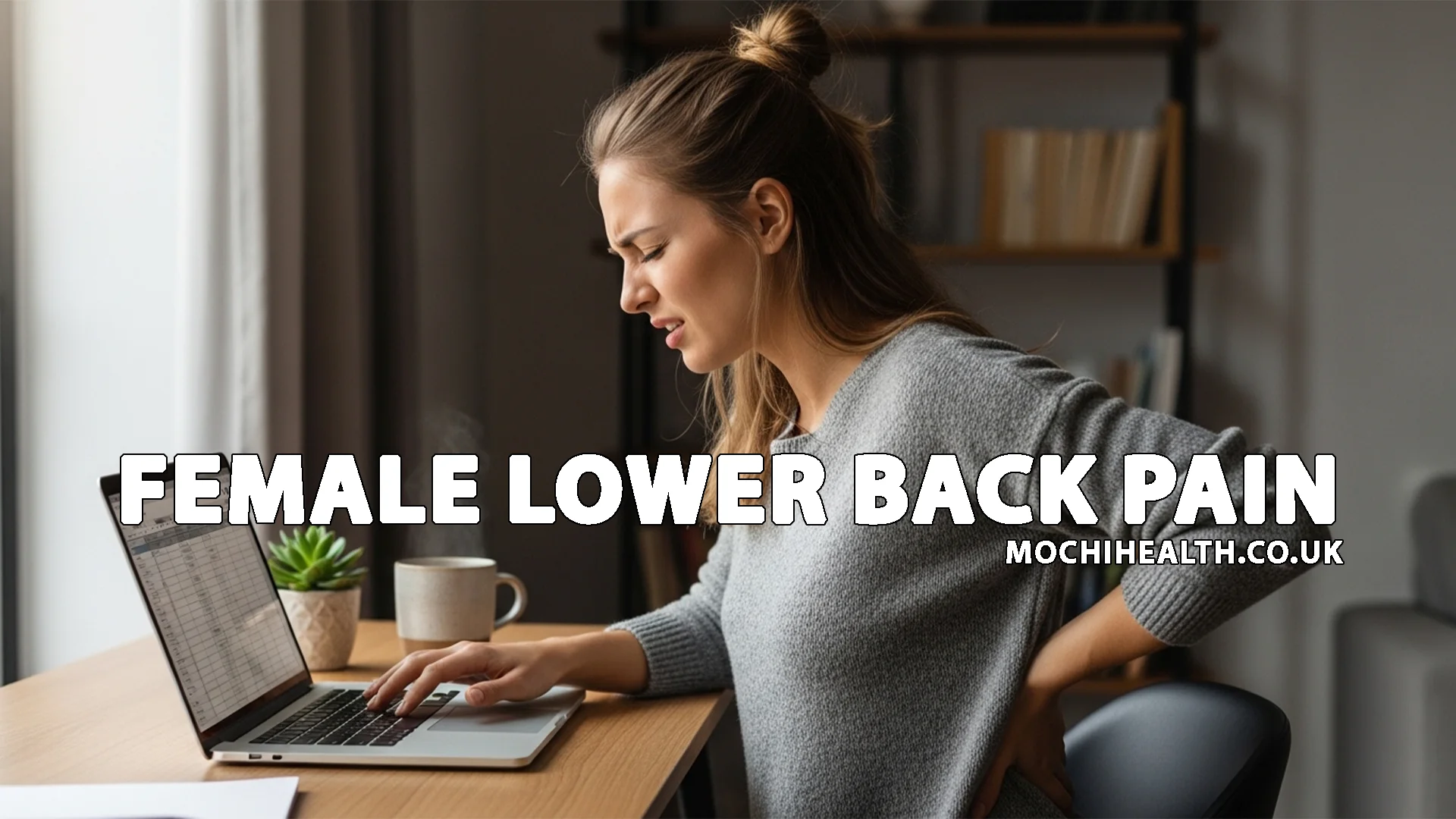
Emotional well-being has a profound impact on physical health. Chronic stress increases muscle tension and inflammation, particularly in the neck, shoulders, and lower back. Women often juggle multiple roles, leading to prolonged stress exposure.
The connection between mental health and female lower back pain is supported by growing research in psychosomatic medicine. Anxiety and depression can heighten pain sensitivity, creating a cycle where discomfort worsens emotional distress and vice versa.
Mind-body awareness is becoming a major trend in modern healthcare, emphasizing holistic approaches that address both emotional and physical factors.
Common Medical Conditions Behind the Pain
While lifestyle and hormonal factors play major roles, certain medical conditions frequently contribute to chronic discomfort. These conditions include herniated discs, arthritis, scoliosis, and osteoporosis.
Endometriosis is particularly significant because it often causes pain that radiates to the lower back. This condition affects millions of women yet remains underdiagnosed in many regions. Identifying underlying medical causes is essential for long-term relief from female lower back pain.
Autoimmune disorders and inflammatory diseases can also contribute to persistent discomfort, highlighting the importance of comprehensive evaluation.
Workplace and Modern Lifestyle Impacts
Work environments have changed dramatically in the digital era. Remote work, extended screen time, and reduced physical movement have increased spinal strain. Many women work from improvised home offices that lack ergonomic support.
Poor posture compresses spinal discs and reduces circulation to surrounding muscles. Over time, this compression contributes to chronic female lower back pain that becomes difficult to ignore.
Organizations are increasingly recognizing the importance of ergonomic awareness, reflecting a growing trend toward preventive workplace health strategies.
Sleep, Rest, and Recovery Patterns
Sleep quality plays a critical role in spinal recovery and pain management. During deep sleep, the body repairs tissues and reduces inflammation. Poor sleep posture or insufficient rest can prevent this recovery process.
Women experiencing insomnia or disrupted sleep cycles often report higher levels of female lower back pain. Hormonal fluctuations during menopause can further disrupt sleep, creating a cycle of fatigue and discomfort.
Creating healthy sleep routines has become a major focus in wellness culture, emphasizing the connection between rest and long-term health.
How Aging Changes the Female Spine
As women age, bone density gradually decreases. This process accelerates after menopause due to declining estrogen levels. Reduced bone density increases the risk of fractures and spinal degeneration.
Age-related changes make female lower back pain more common in later life, especially when combined with decades of physical strain and hormonal shifts. Maintaining bone health becomes increasingly important to preserve mobility and independence.
Longevity trends worldwide highlight the importance of proactive aging strategies that support musculoskeletal health.
Prevention Through Awareness and Early Action
Early awareness remains the most powerful tool for preventing chronic pain. Recognizing early warning signs allows women to seek professional guidance before minor discomfort becomes a long-term issue.
Educational campaigns and digital health platforms are helping women understand their bodies more deeply. These resources encourage proactive care, reducing the long-term impact of female lower back pain on daily life.
Prevention is no longer viewed as optional but as a vital component of overall wellness.
Long-Term Management and Healing Outlook
Advancements in healthcare have transformed how chronic pain is managed. Multidisciplinary approaches combine physical therapy, lifestyle adjustments, and mental health support to create comprehensive treatment plans.
The future of managing female lower back pain lies in personalized care that considers hormonal health, lifestyle habits, and emotional well-being. Technology, wearable devices, and telehealth services are making long-term care more accessible than ever before.
Women are increasingly empowered to take control of their health through education and community support.
Conclusion
Understanding the complex nature of women’s spinal health is essential for improving quality of life and preventing long-term complications. Female lower back pain is not simply a minor inconvenience but a multifaceted health issue influenced by hormones, lifestyle, emotional well-being, and aging. Greater awareness, early intervention, and holistic care can transform how women experience and manage pain. By prioritizing health and seeking knowledge, women can move toward stronger, healthier futures.
FAQs
Why is lower back pain more common in women than men?
Women experience unique hormonal fluctuations, pregnancy-related changes, and structural differences that increase susceptibility to spinal strain and inflammation.
Can menstrual cycles cause recurring back pain?
Yes, hormonal changes and uterine contractions during menstruation can radiate discomfort into the lower back and hips.
Is back pain normal after pregnancy?
Postpartum recovery takes time, and lingering muscle weakness or pelvic instability can contribute to ongoing discomfort.
Does stress really affect back pain?
Chronic stress increases muscle tension and inflammation, which can intensify pain and slow recovery.
When should someone seek medical help?
Persistent or severe pain that interferes with daily life should always be evaluated by a healthcare professional to rule out underlying conditions.
If you’re interested in women’s health and early pregnancy awareness, you may also find our article “Clear Blue Pregnancy Test” helpful. It explains how pregnancy tests work, when to use them, and how to read results accurately for better peace of mind.