
Heavy Breasts are more than just a physical trait—they can impact confidence, posture, health, and daily life. Many women struggle with discomfort, social perception, and physical limitations due to heavy breasts, making it a topic of both medical and emotional importance. Understanding the causes, challenges, and solutions is crucial for anyone dealing with this natural but often misunderstood aspect of the female body.
Heavy Breasts
Heavy breasts are often a natural variation of the female body, influenced by genetics, hormones, and lifestyle factors. While they can enhance a woman’s silhouette, heavy breasts often bring physical challenges such as back pain, shoulder strain, and skin irritation. Society frequently emphasizes smaller or proportionate breasts, leading some women with heavy breasts to feel self-conscious or frustrated. However, understanding the anatomy and factors contributing to breast heaviness can empower women to embrace their bodies while addressing discomfort effectively.
Causes of Heavy Breasts
Breast size and weight are determined by several factors. Genetics play a significant role; if a woman’s mother or sisters have heavy breasts, there’s a higher chance she may inherit similar traits. Hormonal fluctuations, especially during puberty, pregnancy, and menopause, can influence breast tissue growth and weight. Additionally, lifestyle factors such as diet, body fat composition, and overall health can contribute to larger breasts. Understanding these causes helps women address concerns in a proactive and informed way.
The Impact of Heavy Breasts on Posture and Health
Women with heavy breasts often experience strain on the shoulders, neck, and upper back. This can lead to chronic pain, muscle tension, and posture problems over time. Certain activities, such as running or high-impact exercises, may become uncomfortable, limiting lifestyle choices. Moreover, improperly fitted bras can exacerbate pain, leading to skin indentations and irritation. Addressing these health impacts is vital for maintaining both physical comfort and long-term well-being.
Emotional and Psychological Effects
Living with heavy breasts can affect self-esteem and confidence. Some women may feel embarrassed or unwanted attention due to their chest size. Negative social comments or body image pressures can increase anxiety and stress, affecting mental health. On the other hand, embracing heavy breasts as a natural trait can enhance confidence, self-expression, and body positivity. Emotional well-being plays a significant role in how women navigate daily challenges related to breast size.
Genetics and Hormonal Factors
Genetic predisposition largely determines breast volume and density. Women with family members who have large breasts are more likely to experience the same. Hormonal influences, particularly estrogen, progesterone, and prolactin, directly affect breast tissue development. These hormones fluctuate during puberty, pregnancy, and menopause, causing changes in size, weight, and density. Understanding these factors can help women anticipate changes and make informed decisions about comfort and health management.
Weight Fluctuations and Breast Size
Breast tissue contains both glandular and fatty tissue. Weight gain or loss can significantly affect breast heaviness, as increased body fat often leads to larger, heavier breasts. Conversely, weight loss can reduce breast size but may not always alleviate discomfort if the underlying tissue remains dense. Maintaining a healthy weight and balanced nutrition can help manage heavy breasts while supporting overall health.
Common Discomforts and Symptoms
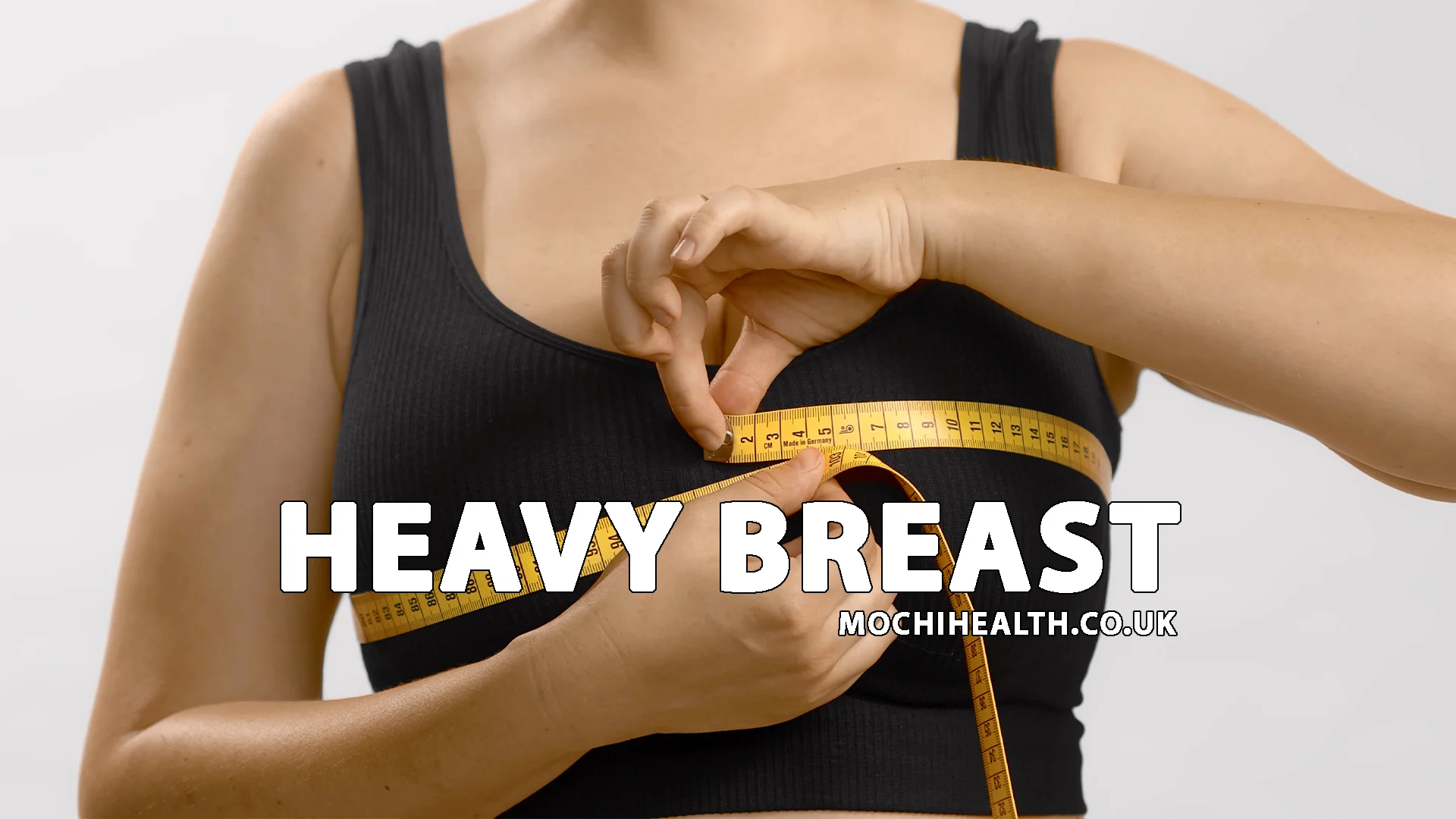
Heavy breasts often come with physical discomfort. Common symptoms include: shoulder and back pain, skin irritation beneath the breast fold, and difficulties with physical activity. Bra straps may dig into the shoulders, and improper support can worsen posture issues. In some cases, headaches and tension in the neck result from carrying extra weight on the chest. Identifying these symptoms early allows women to implement strategies to reduce discomfort and prevent long-term health issues.
Fashion and Clothing Challenges
Women with heavy breasts often face challenges when selecting clothing. Certain necklines, fitted dresses, or activewear may be uncomfortable or unflattering. Ill-fitting bras can exacerbate pain and create unwanted bulges or discomfort. However, understanding body shape and exploring tailored clothing options can enhance both comfort and style. Modern fashion trends increasingly focus on inclusivity, providing better choices for women with breasts.
Surgical and Non-Surgical Solutions
For women experiencing severe discomfort, surgical options such as breast reduction can significantly improve quality of life. These procedures aim to reduce breast size while maintaining natural appearance and sensitivity. Non-surgical options include wearing properly fitted supportive bras, posture correction, and targeted exercises to strengthen back and shoulder muscles. Consulting with healthcare professionals ensures safe and effective solutions tailored to individual needs.
Lifestyle Adjustments and Supportive Measures
Daily habits can ease discomfort caused by heavy breasts. Maintaining strong posture, practicing exercises that strengthen the upper body, and using high-quality supportive bras can reduce strain. Some women also find relief through massage therapy, physical therapy, and mindful weight management. Combining these strategies allows women to live comfortably and confidently without feeling limited by breast size.
Myths and Misconceptions About Heavy Breasts
Several myths surround heavy breasts, including assumptions about health risks or attractiveness. Some believe that larger breasts automatically lead to back pain, while others think heavy breasts are unnatural or undesirable. These misconceptions can lead to unnecessary self-consciousness. Educating oneself about the natural diversity of breast sizes fosters empowerment and body positivity. Every body is unique, and breasts are a normal and healthy variation.
Embracing Body Positivity and Confidence
Learning to embrace heavy breasts can transform self-perception. Focusing on health, comfort, and self-care rather than societal pressures allows women to feel confident. Positive body image impacts overall well-being, mental health, and social interactions. Celebrating the uniqueness of breasts can inspire women to dress stylishly, pursue active lifestyles, and cultivate self-confidence in every aspect of life.
Frequently Asked Questions
Q1: Are heavy breasts always genetic?
While genetics are a major factor, hormones, weight, and lifestyle also contribute to breast size and weight.
Q2: Can heavy breasts cause chronic pain?
Yes, without proper support or lifestyle adjustments, breasts can lead to back, shoulder, and neck pain.
Q3: Are there non-surgical ways to manage heavy breasts?
Supportive bras, posture correction, exercise, and weight management can reduce discomfort and improve comfort.
Q4: Is breast reduction safe?
Yes, breast reduction surgery is generally safe when performed by a qualified surgeon. It can alleviate pain and improve quality of life.
Q5: How can I feel confident with breasts?
Focusing on health, self-care, fashion that suits your body, and embracing body positivity can boost confidence.
Conclusion
Heavy breasts are a natural and beautiful variation of the female body, but they come with physical and emotional considerations. Understanding the causes, impacts, and solutions is essential for comfort, health, and confidence. By combining proper support, lifestyle adjustments, and body positivity, women can embrace breasts without compromise. Recognizing that beauty comes in all shapes and sizes fosters empowerment, confidence, and lasting well-being.