
How to make your produce last longer is a question that resonates with everyone who wants to save money, eat healthier, and reduce food waste. Fresh fruits and vegetables are not only the cornerstone of a balanced diet, but they also impact the flavor and nutrition of your meals. Unfortunately, produce often spoils quickly due to improper storage, environmental factors, and lack of awareness about the best preservation techniques. Learning how to make your produce last longer is more than just a household tip—it’s an investment in your health, your wallet, and the environment.
By understanding how different types of produce behave after harvest, you can dramatically extend their lifespan, ensuring you enjoy maximum flavor and nutrients. Whether it’s crisp leafy greens, juicy berries, or root vegetables, mastering the art of longevity can transform your kitchen routine and minimize waste.
Understanding Produce Lifespan
Every fruit and vegetable has a unique lifespan determined by its type, maturity at harvest, and storage conditions. Some fruits, like apples and citrus, are naturally resilient, while others, like berries and leafy greens, are highly perishable. Understanding these differences is essential when learning how to make your produce last longer.
Produce deteriorates due to chemical processes such as oxidation and enzymatic activity. For instance, enzymes in fruits can break down cell walls, causing softness and eventual spoilage. Moisture loss, temperature fluctuations, and exposure to air further accelerate the process. Recognizing these factors helps you adjust storage practices to maintain freshness.
The Science Behind Produce Freshness
Freshness is a delicate balance of temperature, humidity, and natural chemical processes. Fruits and vegetables continue to respire after harvest, consuming oxygen and releasing carbon dioxide. This process affects ripening and shelf life. Some produce, like bananas and avocados, release ethylene gas, which speeds up ripening in nearby items. Understanding these biological mechanisms is crucial in learning how to make your produce last longer.
Storing produce in optimal conditions slows respiration and minimizes decay. For example, cool temperatures reduce enzymatic activity, while proper humidity prevents water loss. Additionally, separating produce that emits ethylene from those sensitive to it can prevent premature spoilage.
Optimal Storage Temperatures for Fruits and Vegetables
Temperature control is one of the most critical factors when it comes to extending the life of your produce. Most fruits and vegetables thrive in cool, consistent environments. Leafy greens, herbs, and berries prefer temperatures just above freezing, while root vegetables like carrots and potatoes store better slightly warmer.
Refrigerators are excellent for perishable items, but some produce, such as tomatoes and bananas, should remain at room temperature to retain flavor and texture. Using separate drawers in your refrigerator for high-moisture items versus low-moisture items can further protect your produce. Proper temperature management is a cornerstone in understanding how to make your produce last longer.
How Ethylene Gas Affects Your Produce
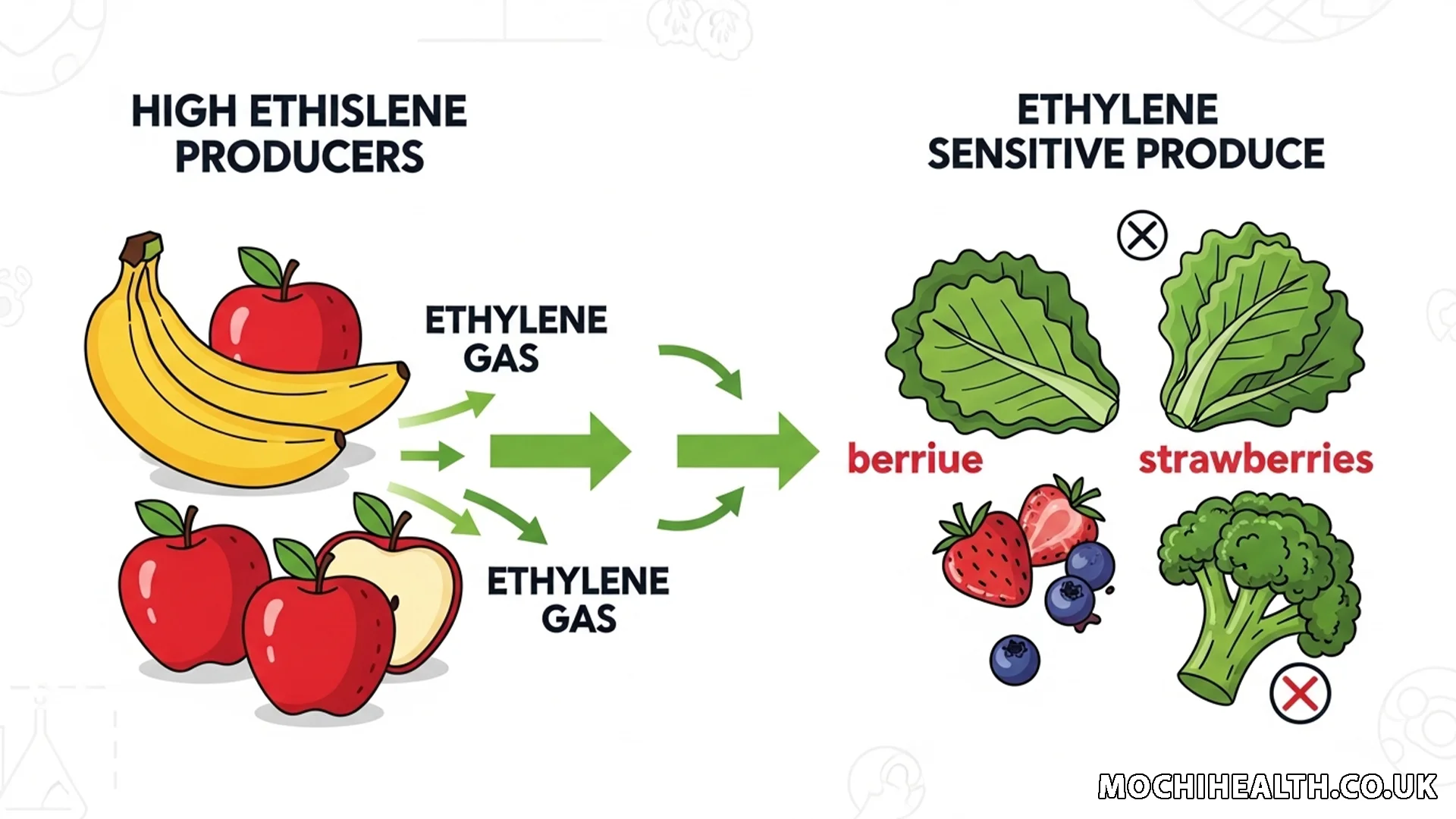
Ethylene gas is a natural hormone emitted by many fruits during ripening. While it’s essential for some items to reach optimal flavor, it can accelerate spoilage in others. Apples, bananas, and tomatoes are high ethylene producers, while leafy greens, berries, and cucumbers are sensitive to it.
Keeping high-ethylene producers away from sensitive vegetables can prevent premature decay. Using breathable storage containers or ethylene-absorbing packets can also regulate gas exposure. By understanding the impact of ethylene, you can create storage environments that maintain freshness longer.
Choosing the Right Storage Containers
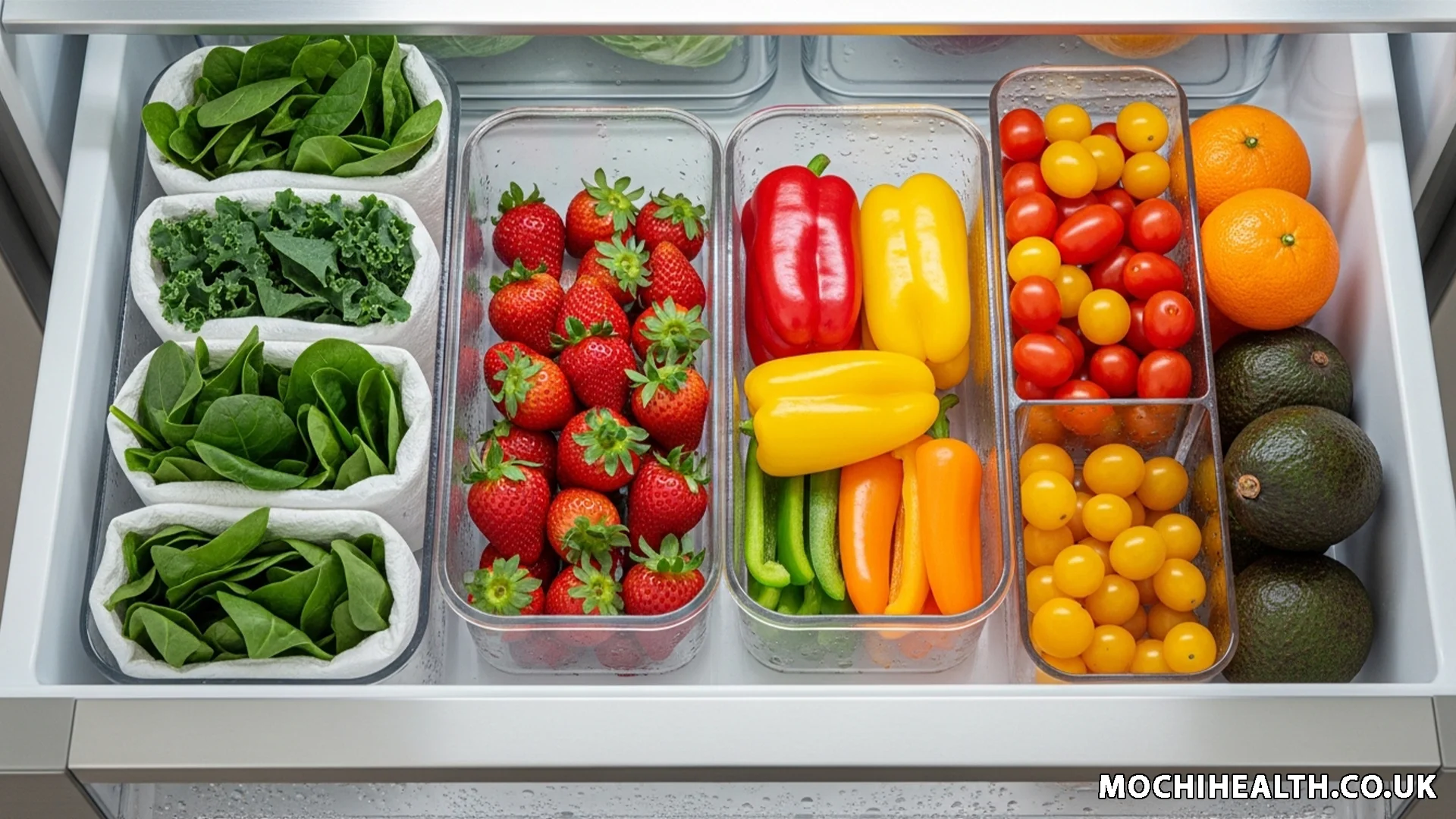
Storage containers play a vital role in prolonging the lifespan of your produce. Airtight containers help maintain humidity, while perforated or ventilated containers allow airflow to reduce mold growth. Glass or BPA-free plastic containers are ideal as they do not leach chemicals into your fruits and vegetables.
Additionally, wrapping certain items, like herbs and leafy greens, in damp paper towels before placing them in containers can retain moisture and prevent wilting. Proper storage organization can significantly impact how to make your produce last longer, ensuring each item receives the care it needs.
The Role of Moisture in Produce Longevity
Moisture is both a friend and a foe when it comes to keeping produce fresh. Excess moisture creates an environment for mold and bacterial growth, while too little moisture causes wilting and drying. Striking the right balance is essential.
Leafy greens often benefit from high humidity, whereas mushrooms require low humidity to avoid sliminess. Using the crisper drawer in your refrigerator, which is designed to maintain ideal humidity levels, is an excellent way to control moisture. Understanding how different produce responds to humidity is a key factor in learning how to make your produce last longer.
Common Mistakes That Shorten Produce Life
Even with the best intentions, certain practices can drastically reduce the shelf life of your fruits and vegetables. Storing all produce together without considering ethylene production, failing to remove spoiled items promptly, and washing produce before storage are common pitfalls.
Moisture retention without proper airflow, temperature fluctuations, and storing delicate items at incorrect temperatures can also cause early spoilage. Awareness of these common mistakes allows you to take preventive measures and extend the life of your produce.
Preserving Leafy Greens and Herbs
Leafy greens and herbs are among the most delicate items in your kitchen. They lose freshness quickly due to high water content and delicate leaves. To maximize longevity, maintain proper humidity, avoid crushing, and store in airtight or ventilated containers.
For herbs like cilantro, parsley, and basil, treating them like fresh flowers—placing stems in water and covering with a plastic bag—can significantly extend freshness. These simple methods illustrate how targeted techniques can make a noticeable difference in how to make your produce last longer.
Extending the Life of Fruits
Fruits are often more perishable than vegetables due to higher sugar content, which attracts bacteria and fungi. Refrigerating berries, grapes, and cut fruits slows microbial growth, while storing citrus and apples in slightly warmer conditions prevents chilling damage.
Separating fruits by ripeness and ethylene sensitivity, using breathable containers, and keeping produce dry can further enhance longevity. With these practices, you can enjoy fresh, flavorful fruits for days or even weeks beyond typical shelf life.
Vegetables That Last Longer and How to Store Them
Certain vegetables are naturally long-lasting but still require attention to storage conditions. Root vegetables like carrots, potatoes, and beets thrive in cool, dark, and slightly humid environments. Cruciferous vegetables, such as broccoli and cauliflower, store well in ventilated containers in the refrigerator.
Understanding the natural tendencies of each vegetable type allows you to tailor storage approaches, preventing unnecessary waste and ensuring that your investment in healthy food remains valuable.
Natural Remedies to Keep Produce Fresh
Beyond refrigeration, natural methods can prolong produce freshness. Vinegar washes reduce microbial growth, while wrapping items in breathable cloth or using paper towels helps absorb excess moisture. Certain foods, like onions and garlic, naturally repel bacteria when stored properly, protecting nearby produce.
Incorporating natural remedies into your storage strategy emphasizes the holistic approach to learning how to make your produce last longer, combining science, practicality, and sustainability.
Smart Shopping for Longer-Lasting Produce
How produce is selected at the store significantly impacts its lifespan at home. Choosing fruits and vegetables that are firm, blemish-free, and properly ripened sets the foundation for long-lasting freshness. Seasonal produse is often more resilient due to shorter transport times and better handling.
Paying attention to packaging, harvesting dates, and storage conditions at the store can give your produce a longer window of usability. Being a discerning shopper is the first step in understanding how to make your produce last longer.
Conclusion
Learning how to make your produce last longer is a combination of science, attention to detail, and mindful habits. From temperature control and humidity management to ethylene awareness and proper storage techniques, each factor plays a role in extending shelf life.
By investing time in understanding your produse, choosing the right storage methods, and adopting natural preservation techniques, you can enjoy fresh, flavorful, and nutritious fruits and vegetables for longer. Not only does this save money, but it also contributes to reducing food waste and promoting a healthier lifestyle.
FAQs About Making Produce Last Longer
Q1: Can washing produce before storage make it last longer?
Washing produce before storage can introduce excess moisture, promoting mold growth. It’s best to wash just before consumption, unless using a vinegar wash for certain vegetables.
Q2: Which fruits produce the most ethylene gas?
Bananas, apples, tomatoes, and avocados are high ethylene producers. Keeping them separate from sensitive items prevents premature spoilage.
Q3: How long can leafy greens last in the fridge?
With proper storage in a humid environment, leafy greens can last 7–14 days, depending on type and freshness at purchase.
Q4: Do root vegetables need refrigeration?
Many root vegetables like carrots, beets, and potatoes last longer in cool, dark, and slightly humid environments rather than the refrigerator, which can cause chilling damage.
Q5: Are there natural ways to prevent produse spoilage?
Yes, natural methods like vinegar washes, breathable storage materials, and moisture-absorbing wraps can help extend freshness and reduce bacterial growth.
“Curious about low-carb lifestyles? Check out our article ‘What is the Keto Diet, and Can It Be Beneficial for You?’ to learn how keto works, its potential benefits, and tips for getting started!”