
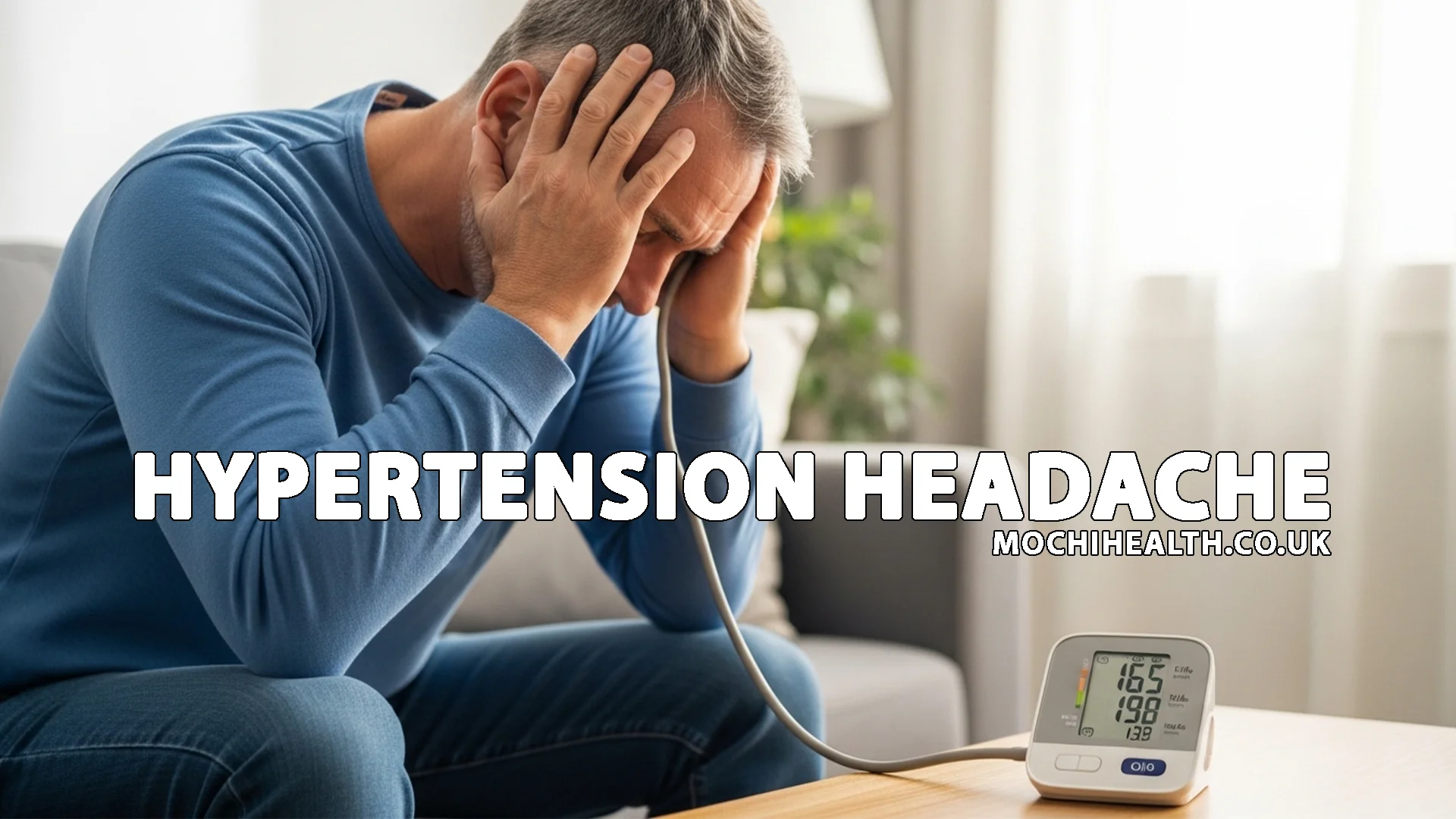
Headaches are among the most common neurological complaints across the world, affecting people of all ages, professions, and lifestyles. While many headaches are harmless and triggered by temporary factors such as fatigue, dehydration, or stress, some headaches can indicate deeper health concerns. One such condition is the hypertension headache, which is associated with elevated blood pressure levels. Understanding this connection is crucial because high blood pressure often develops silently, without noticeable symptoms, until complications appear.
Hypertension is frequently described as a silent condition because individuals may feel completely healthy even when their blood pressure is dangerously high. However, when blood pressure rises significantly, the body sometimes produces warning signs, and head pain can be one of the most noticeable. Learning to recognize these warning signs and understanding their underlying causes can help individuals protect their cardiovascular health and prevent long-term complications.
This article explores the causes, symptoms, risk factors, diagnosis, and long-term management of hypertension-related headaches in a detailed and easy-to-understand format.
Understanding Blood Pressure and Hypertension
Blood pressure refers to the force exerted by circulating blood on the walls of the arteries. It is measured using two values: systolic pressure, which reflects the force during heartbeats, and diastolic pressure, which represents the force between heartbeats. Healthy blood pressure typically falls below 120/80 mmHg.
Hypertension occurs when blood pressure remains elevated over a prolonged period. Over time, persistent pressure damages blood vessels and increases the risk of heart disease, stroke, kidney problems, and vision loss. Because the condition can develop gradually and without symptoms, many individuals are unaware they have it until complications arise.
In certain cases, extremely high blood pressure can trigger noticeable symptoms. One of the most concerning signs is a hypertension headache, which may indicate that the cardiovascular system is under significant stress.
What Is a Hypertension Headache?
A hypertension headache refers to head pain that occurs due to severely elevated blood pressure levels. It is important to understand that mild or moderate hypertension does not usually cause headaches. Instead, this type of headache tends to appear when blood pressure rises sharply or reaches dangerously high levels.
People often describe this headache as pulsating, throbbing, or pressure-like. The pain may occur on both sides of the head and can feel more intense in the early morning. Physical exertion, stress, or sudden movement may worsen the discomfort.
Although not everyone with high blood pressure experiences headaches, their presence can serve as a warning sign that medical evaluation is necessary.
The Science Behind High Blood Pressure and Head Pain
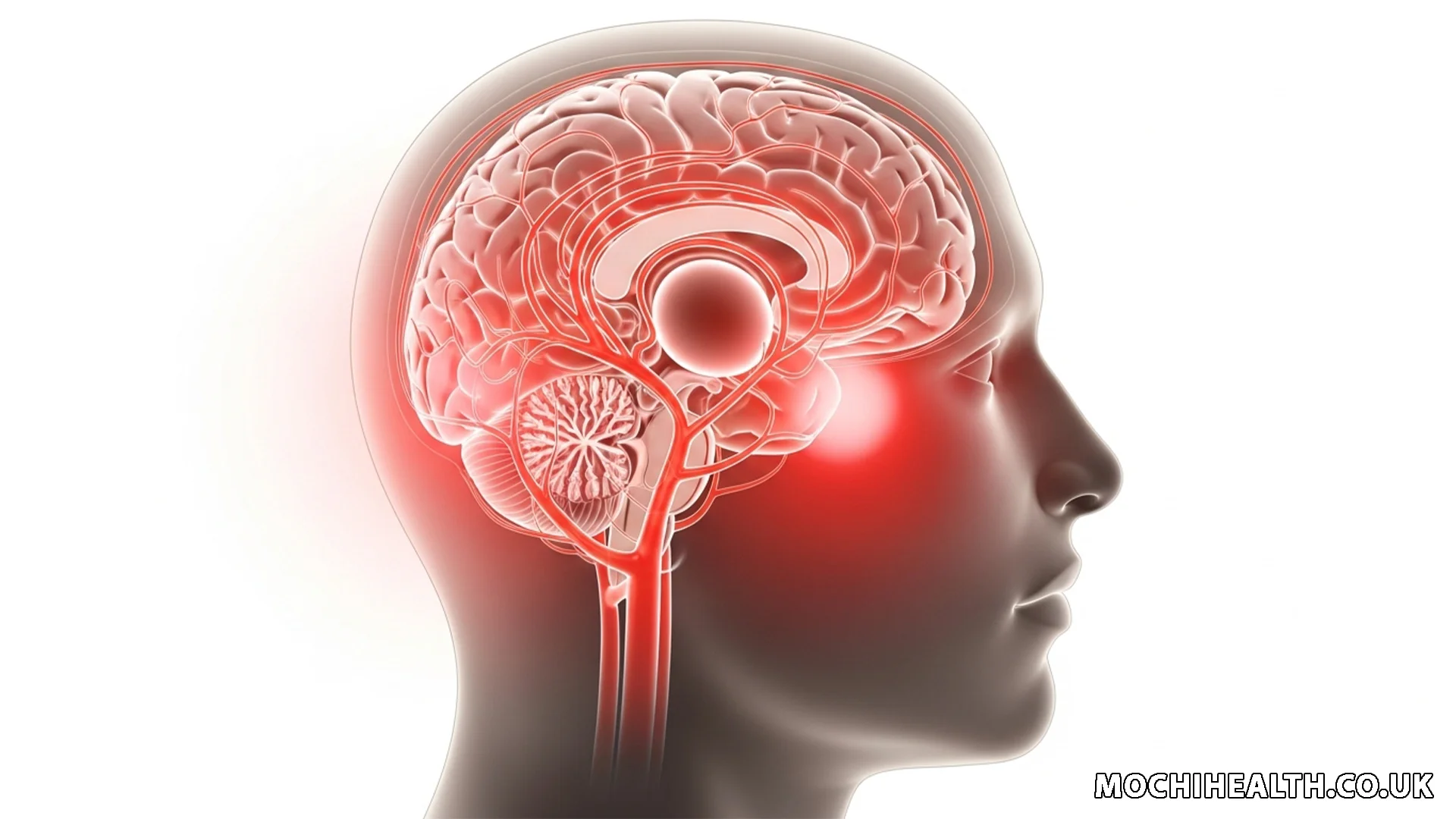
The brain depends on a steady and regulated blood supply to function effectively. When blood pressure becomes extremely high, the delicate blood vessels in the brain experience excessive force. This strain can lead to inflammation, swelling, and disruptions in normal blood flow.
Normally, the brain regulates blood flow through a process called cerebral autoregulation. This system ensures that the brain receives a stable blood supply despite changes in blood pressure. However, when blood pressure rises beyond safe limits, this regulatory system can become overwhelmed.
The result may be increased pressure inside the skull, which contributes to the throbbing and pulsating sensations associated with a hypertension headache. This process explains why severe hypertension is considered a medical concern requiring prompt attention.
Early Warning Signs and Associated Symptoms
A headache related to high blood pressure rarely occurs alone. It often appears alongside additional symptoms that indicate strain on the cardiovascular system. Common symptoms include dizziness, blurred vision, fatigue, shortness of breath, and chest discomfort.
Some individuals may experience nausea or confusion, while others report difficulty concentrating or feeling unusually anxious. These symptoms occur because high blood pressure affects multiple organ systems, including the brain, heart, and lungs.
Morning headaches are particularly common because blood pressure naturally fluctuates during sleep and may rise sharply upon waking. Recognizing these patterns can help identify potential health concerns early.
Severe Hypertension and Medical Emergencies
In extreme cases, high blood pressure can lead to a hypertensive crisis, a dangerous situation that requires immediate medical attention. A severe hypertension headache may be one of the first warning signs.
Emergency symptoms may include severe chest pain, sudden vision problems, difficulty speaking, weakness, confusion, and nosebleeds. These signs can indicate life-threatening conditions such as stroke or heart attack.
Immediate medical care is essential to prevent permanent damage or fatal outcomes.
Differentiating Hypertension Headaches From Other Headaches
Headaches vary widely in their causes and characteristics. Migraines often involve nausea and sensitivity to light, while tension headaches create a tight, band-like sensation around the head. Cluster headaches cause intense pain around one eye.
A hypertension headache is distinct because it is directly linked to elevated blood pressure levels and may occur alongside cardiovascular symptoms. Understanding these differences helps ensure accurate diagnosis and proper treatment.
Risk Factors That Increase Vulnerability
Several factors increase the likelihood of developing hypertension and related headaches. These include obesity, sedentary lifestyle, smoking, excessive alcohol intake, and chronic stress.
Genetics also play a role, meaning individuals with a family history of high blood pressure may face increased risk. Age is another significant factor, as blood vessels naturally become less flexible over time.
Awareness of these risk factors allows individuals to make informed lifestyle choices and reduce long-term health risks.
Lifestyle Influences on Blood Pressure and Headaches
Daily habits strongly influence cardiovascular health. Regular physical activity improves circulation and strengthens the heart, while a balanced diet helps maintain healthy blood pressure levels.
Unhealthy lifestyle patterns, such as lack of exercise or excessive salt intake, increase the risk of hypertension and frequent headaches. Making positive lifestyle adjustments can significantly reduce the likelihood of experiencing a hypertension headache.
The Role of Stress, Anxiety, and Sleep
Chronic stress contributes to long-term increases in blood pressure. Stress hormones such as cortisol and adrenaline temporarily raise blood pressure, but persistent stress can lead to permanent elevation.
Sleep deprivation also affects blood pressure regulation and increases the likelihood of headaches. Adequate sleep supports cardiovascular health and mental well-being.
Nutrition, Hydration, and Circulation
Nutrition plays a vital role in maintaining healthy blood pressure. Diets rich in fruits, vegetables, whole grains, and lean proteins support cardiovascular function. Reducing sodium intake is particularly important for blood pressure control.
Hydration also affects circulation. Dehydration thickens the blood and reduces circulation efficiency, increasing the likelihood of headaches.
Complications of Untreated High Blood Pressure
Untreated hypertension can lead to serious complications, including heart disease, stroke, kidney damage, and vision problems. Blood vessels weaken over time, increasing the risk of rupture or blockage.
Recurring head pain may signal that blood pressure is not adequately controlled and requires medical attention.
Diagnosis and Medical Assessment
Healthcare professionals diagnose hypertension through regular blood pressure monitoring and medical history evaluation. Additional tests may assess heart and kidney function.
Early diagnosis allows for timely treatment and improved long-term outcomes.
Treatment and Long-Term Blood Pressure Control
Treatment often involves medication combined with lifestyle changes. Medications help relax blood vessels and reduce strain on the heart.
Effective treatment significantly reduces the frequency and severity of a hypertension headache and protects long-term health.
Prevention and Daily Management
Preventive strategies include regular exercise, balanced nutrition, stress management, and routine health checkups. These practices support long-term cardiovascular health and reduce the risk of complications.
Living With Hypertension for Life
Managing hypertension requires long-term commitment and awareness. A holistic approach that includes physical health, emotional well-being, and supportive relationships can improve quality of life.
Conclusion
Understanding the connection between high blood pressure and headaches highlights the importance of proactive health management. A hypertension headache can serve as a warning sign of cardiovascular strain and should never be ignored when accompanied by severe symptoms. Maintaining healthy blood pressure is one of the most effective ways to protect the heart and brain.
FAQs
Can high blood pressure cause headaches daily?
Severe hypertension may cause recurring headaches, especially in the morning.
Where is hypertension headache usually felt?
It is often described as pressure on both sides of the head.
Do headaches always mean blood pressure is high?
No, many headaches are unrelated to hypertension.
Can controlling blood pressure stop headaches?
Proper treatment often reduces or eliminates hypertension-related head pain.
Is hypertension headache dangerous?
It can signal dangerously high blood pressure and requires medical evaluation.