
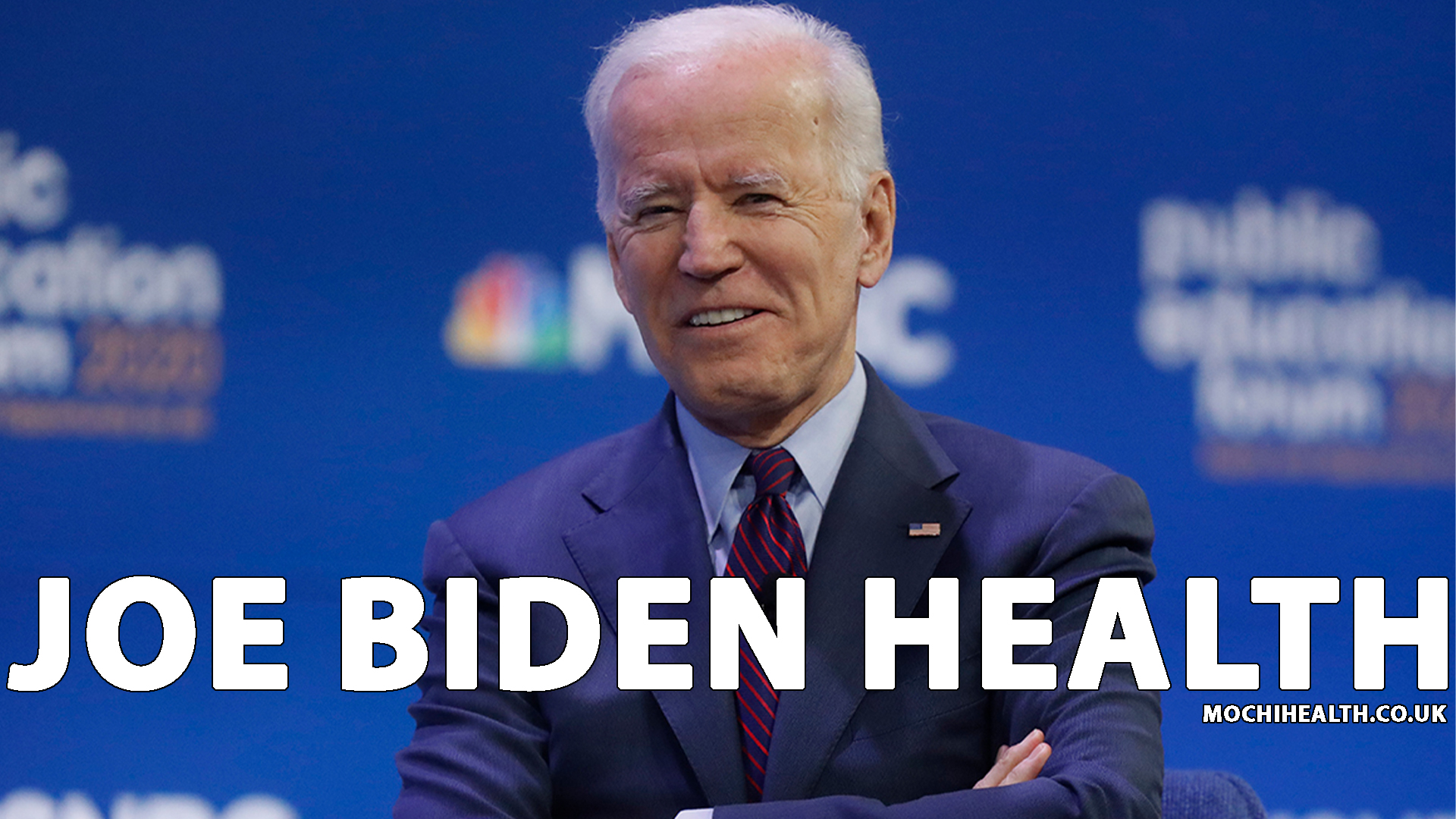
In modern politics, joe biden health has become a subject of significant interest, debate, and analysis. As the 46th President of the United States, Joe Biden’s physical and cognitive condition carries profound implications for both national leadership and global perception. The president’s health is not merely a private matter; it shapes public confidence, affects policy continuity, and influences the narrative of a nation closely watching its leaders. Understanding the nuances of joe biden health means distinguishing between verified medical data and conjecture — and placing such understanding within a larger context of presidential fitness, democratic transparency, and societal expectations.
2. Background: A Lifelong Public Figure
Early Life and Political Career
Joseph R. Biden Jr.’s long political journey began decades ago. Born in Scranton, Pennsylvania, and later raising his family in Delaware, Biden entered public service as a County Councilor before becoming one of the youngest U.S. Senators. His career has been shaped by resilience, tragedy, and perseverance. Throughout this time, joe biden health has periodically become a talking point — especially when linked to his ability to serve effectively amid personal hardships.
From battling early life health challenges to coping with profound personal loss, Biden’s narrative is interwoven with themes of physical and emotional survival. Such experiences contribute to a public perception of resilience, yet they also amplify interest in how his health stands up to the pressures of national leadership.
Public Scrutiny and Transparency
For any president, health information is not private in the conventional sense. The American public has long expected periodic disclosure of health evaluations for its leaders. The case of joe biden health is no exception. Transparency about medical evaluations, physical fitness, and cognitive testing offers legitimacy, fosters trust, and counters misinformation. However, such disclosures also invite intense scrutiny — a double‑edged sword that reflects the persistent tension between privacy and civic accountability.
3. The Evolution of Joe Biden Health in the Public Eye
Early Assessments and Baseline Health Records
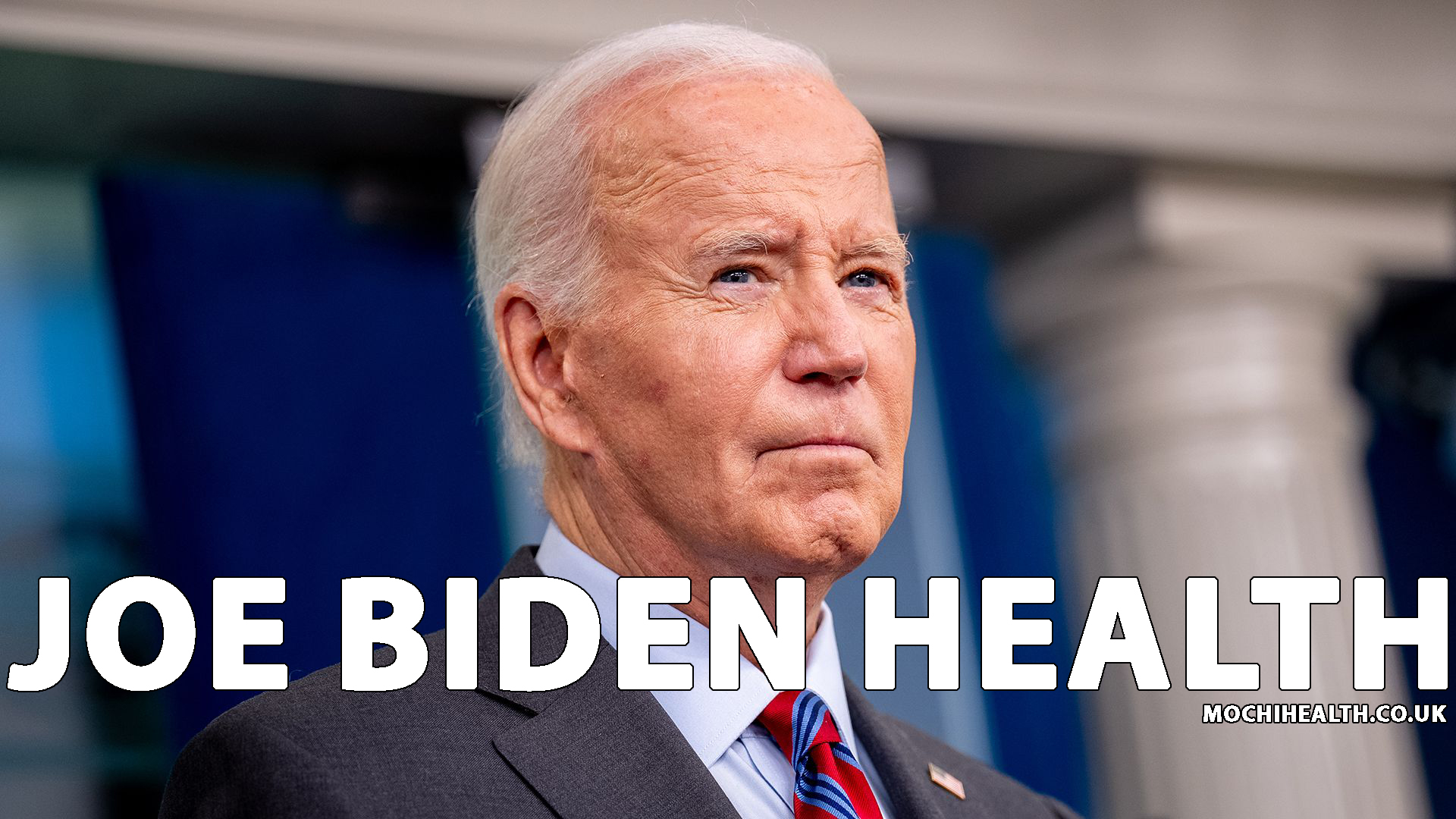
Long before Biden became president, medical evaluations were already part of the public record. As a senator and later as Vice President under Barack Obama, Biden underwent regular health assessments. These evaluations documented age‑related markers, routine screenings, and preventative care — none of which fueled major controversies at the time. Yet even then, observers occasionally questioned how joe biden health might affect his long‑term political viability.
Although early records typically indicated a generally healthy aging process, these disclosures were often overshadowed by political discourse or campaign strategy. It wasn’t until Biden launched his 2020 presidential campaign that his health became an intense focal point.
2020 Presidential Campaign Health Disclosure
During the 2020 campaign, Biden’s health disclosures became more systematic and public. His campaign released medical summaries, including evaluations from his physician, covering routine exams, blood work, and other diagnostics. The intention was clear: to reassure voters that joe biden health was sound and that he possessed the physical and mental capacity required to serve a full presidential term.
These reports emphasized normal age‑related health markers and highlighted no serious conditions that would impede his duties. Nevertheless, critics and political rivals closely examined every phrase, seeking either reassurance or contradiction.
4. Key Components of Joe Biden Health Reports
To understand joe biden health comprehensively, it is essential to explore the primary components of presidential medical evaluations.
Physical Health Assessments
Physical health assessments provide a baseline for understanding overall wellness. In the case of joe biden health, these typically include measurements such as blood pressure, heart rate, body mass index (BMI), and respiratory function. Regular physical checkups help identify any emerging health issues and ensure ongoing management of existing conditions.
Biden’s physical evaluations have consistently documented that he maintains a routine health profile for someone in his age group. While age‑related changes are reported, no disabling conditions have been medically confirmed according to officially released summaries.
Cognitive Evaluations
In recent political discourse, cognitive health has emerged as a highly emphasized aspect of joe biden health. Cognitive evaluations include assessments of memory, judgment capacity, executive function, and overall mental agility. For public officials, especially those of advanced age, such evaluations are crucial for public confidence.
Reports released to date indicate that Biden has undergone standard cognitive screenings with results that meet age‑appropriate expectations. It is worth noting that cognitive assessments are often less detailed in public disclosures compared to physical exams — a factor that continues to fuel debate.
Cardiovascular Health
Heart health is a central component of any comprehensive medical evaluation, especially for older adults. Joe biden health reports include cardiovascular screenings such as cholesterol levels, heart rhythm checks, and blood pressure analyses. These evaluations aim to identify risks of conditions like hypertension, coronary artery disease, or arrhythmias.
Past disclosures indicate that Biden’s cardiovascular health has been monitored regularly, with medical professionals recommending ongoing cautious management rather than alarm. Such transparency serves to address concerns while recognizing the increase of age‑related cardiovascular risks.
Musculoskeletal Strength and Mobility
As people age, maintaining mobility and physical strength becomes more important for overall functionality. Musculoskeletal assessments examine joint health, muscle strength, balance, and stamina. These factors contribute to a comprehensive understanding of joe biden health, particularly in terms of endurance and physical resilience.
Reports suggest that Biden sustains a level of physical activity consistent with average expectations for someone his age. However, detailed evaluations of mobility and flexibility are less frequently shared, reflecting a broader trend of selectively disclosed medical data.
5. Public Perception and Media Representation
The Role of Media in Shaping Public Opinion
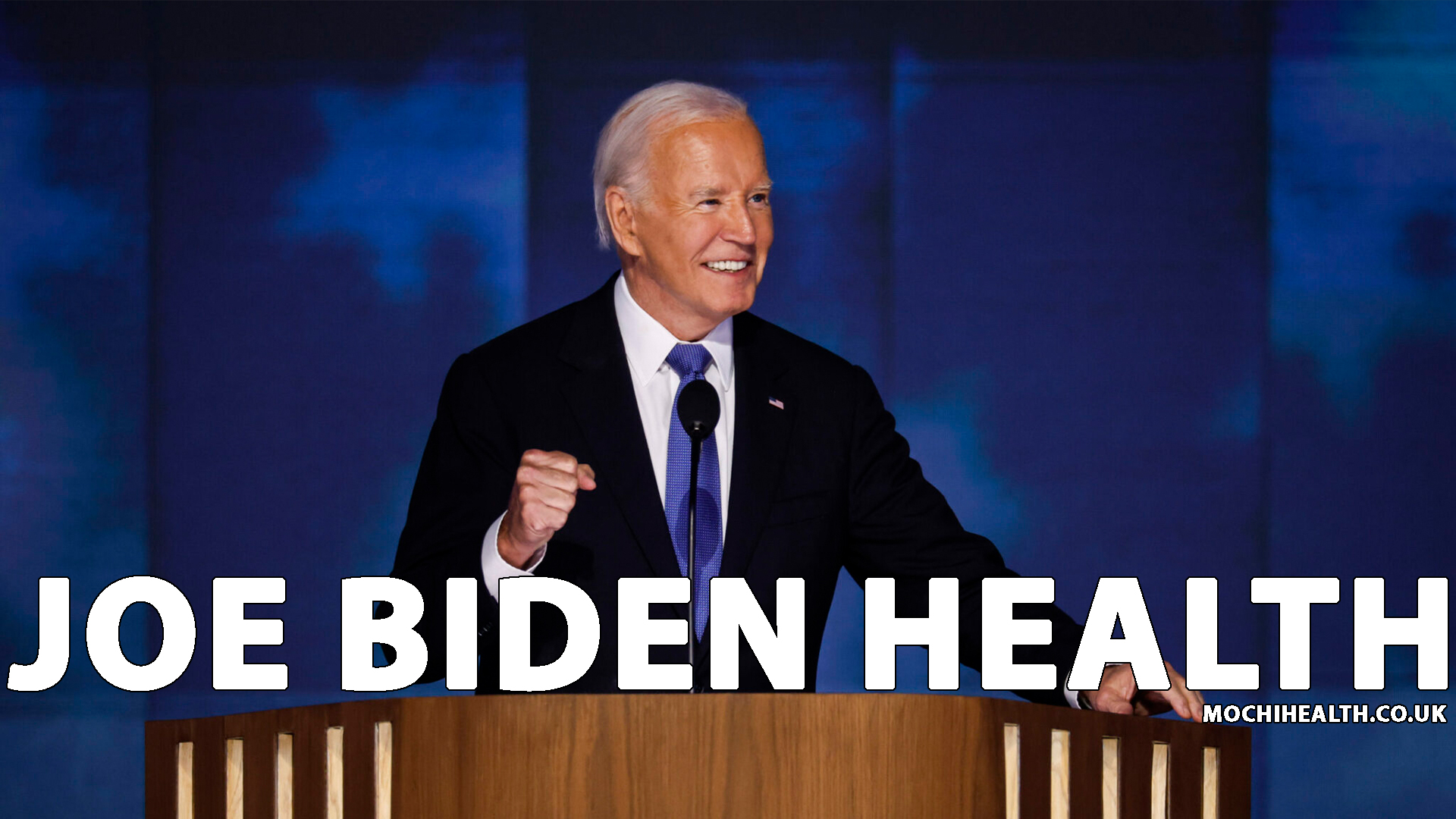
Media coverage heavily influences how joe biden health is perceived by the wider public. News outlets, talk shows, and podcasts amplify medical summaries, political commentary, and even rumors. This complex media ecosystem contributes to the broader narrative — often heightening fears or reassuring audiences depending on editorial stance.
For some, media focus on Biden’s age and health represents legitimate civic scrutiny. For others, sensational coverage crosses into exaggeration or partisan distortion. Regardless of perspective, media narratives significantly shape public understanding.
Fact vs. Fiction
Separating fact from fiction is crucial to any meaningful discussion about joe biden health. Verified reports from medical professionals provide a grounded picture of the president’s condition, while rumors can spread rapidly via social networks and unverified sources. Distinguishing between credible information and misinformation remains an ongoing challenge for the public.
Reputable outlets citing medical reports and expert opinions help anchor this discourse in reality. However, the sheer volume of competing narratives makes it difficult for some individuals to discern truth from exaggeration.
Social Media’s Impact on Health Narratives
Social media platforms amplify assertions about joe biden health at unprecedented rates. Memes, short videos, and unverified claims circulate rapidly, often divorced from context or factual accuracy. While social networks facilitate engagement, they can also distort nuanced medical information into sensational soundbites.
The challenge lies in promoting digital literacy — encouraging audiences to critically evaluate sources and prioritize evidence over rumor. In this environment, public perception becomes an ever‑evolving reflection of both information and misinformation.
6. Comparative Analysis: Presidential Health Standards
Historical Context
Presidential health disclosure has long been a topic of public interest. Early presidents maintained much less transparency, with health issues frequently concealed or understated. Over time, expectations evolved — particularly following high‑profile cases such as Franklin D. Roosevelt’s disability or Woodrow Wilson’s incapacitating stroke.
In this historical context, joe biden health exists within an era of heightened demand for transparency. Modern expectations require regular disclosure, detailed evaluations, and public trust — a stark contrast to earlier decades.
Comparisons with Predecessors
Comparing joe biden health with that of previous presidents offers insight into evolving standards. Presidents like Ronald Reagan, Bill Clinton, and George W. Bush also faced scrutiny regarding age‑related health concerns. Each of these leaders released medical summaries, underwent public evaluations, and navigated public discourse about physical and cognitive fitness.
Biden’s situation, however, is uniquely shaped by heightened media attention, the interactive nature of social media, and an increasingly polarized political environment. These factors amplify discussion around presidential health more than in many past administrations.
7. Policy Implications: What Joe Biden Health Means for Governance
Leadership and Age
Age plays a significant role in discussions about joe biden health and leadership capacity. While age alone does not determine capability, it correlates with certain physical and cognitive considerations that merit attention. Leaders must demonstrate endurance, clarity of thought, adaptability, and resilience — traits that evolve with age.
Concerns about age impact public sentiment, especially among voters who prioritize vigorous leadership. Yet many older individuals continue to contribute meaningfully across professions, challenging assumptions that age necessarily implies decline.
National Security Considerations
Presidential health also intersects with national security. The commander‑in‑chief must be prepared to manage crises, respond rapidly to global events, and maintain stability in unpredictable circumstances. Discussions of joe biden health often extend to these strategic capacities.
In this realm, transparency and preparedness underscore effective governance. Clear communication about health evaluations and contingency planning assures both domestic and international stakeholders.
Decision‑Making Capacity
Decision‑making is a central pillar of presidential responsibility. Cognitive clarity, judgment, and emotional regulation all contribute to governance effectiveness. Evaluations of joe biden health include assessments of these traits, but public certainty often demands more detailed disclosures than those provided.
Ultimately, confidence in leadership derives from both objective evaluations and the subjective perception of performance — making this a complex domain of public interest.
8. Healthcare Access and the President’s Own Care
Quality of Care at the Highest Level
The president of the United States receives access to top‑tier healthcare resources, specialists, and continuous monitoring through institutions such as the White House Medical Unit. This high level of care contributes to optimal management of joe biden health, ensuring that preventative care, early detection, and emergency response systems are robust.
However, the availability of exceptional healthcare also raises questions about relatability and equity — if public leaders benefit from medical privileges not widely accessible to the general population.Transparency and Public Trust
Transparency in health reporting strengthens public trust. Regular updates, clear explanations of medical findings, and unfiltered summaries help bridge the gap between private health details and public interest.
In the case of joe biden health, periodic disclosures aim to foster trust while balancing privacy. Nevertheless, calls for greater transparency persist — reflecting a broader public desire for accountability from national leaders.
9. Future Outlook: Monitoring and Reporting on Presidential Health
Looking ahead, the discourse around joe biden health will likely continue evolving. Advancements in medical technology, changing journalistic standards, and societal expectations for transparency will shape how presidential health is monitored and reported.
Institutions and medical professionals may adopt new methods to communicate health evaluations without compromising patient dignity. Meanwhile, the public will seek clarity and reassurance, particularly as national and global challenges demand stable leadership.
Ultimately, the future of presidential health reporting will reflect a balance between privacy, accountability, and civic engagement — forging new standards that respond to contemporary needs.
10. Conclusion
Understanding joe biden health requires more than cursory headlines or isolated sound bites. It involves a comprehensive assessment of medical records, cognitive evaluations, public perception, media representation, and historical context. As the leader of the United States, Joe Biden’s health is not merely a personal issue — it is a matter of national significance, influencing public confidence, governance capacity, and international relations.
While ongoing discourse will undoubtedly continue, it remains essential to differentiate verified medical insights from conjecture. In doing so, society can foster informed, balanced perspectives that respect both individual dignity and public accountability. The conversation about joe biden health — like any discourse on presidential fitness — must be rooted in evidence‑based evaluation, critical thinking, and respectful dialogue.
11. Frequently Asked Questions (FAQs)
1. Why is Joe Biden’s health a matter of public concern?
President Biden’s health matters because the president must carry out duties requiring physical stamina, mental clarity, and decision‑making capacity, affecting national and global outcomes.
2. How often is Joe Biden evaluated medically?
Like other presidents, Joe Biden undergoes regular medical evaluations, typically annually, although the level of public disclosure may vary.
3. Has Joe Biden released his health records to the public?
Yes, parts of Joe Biden’s health records and medical summaries have been released to reassure the public about his fitness for office.
4. Are there any serious health issues reported about Joe Biden?
Official medical disclosures have not indicated any disabling conditions, though age‑related factors are a natural part of the evaluation.
5. How does Joe Biden’s health compare to other presidents?
Comparisons show that age‑related considerations are not unique to Joe Biden; other presidents have faced similar scrutiny, though reporting standards have changed over time.
6. Does media coverage affect public perception of Joe Biden’s health?
Yes, media coverage significantly shapes public perception, sometimes amplifying concerns beyond what medical reports suggest.