

Hearing your heartbeat in your ear can be an alarming experience. When someone thinks, “I can hear my heartbeat in my left ear,” it often triggers worry about serious medical conditions. While this phenomenon, known medically as pulsatile tinnitus, can be harmless, it may sometimes indicate underlying health issues that require attention. Understanding why this happens and the best ways to address it is essential for protecting your hearing and overall health.
Understanding Pulsatile Tinnitus
When you notice that “I can hear my heartbeat in my left ear,” it may feel disorienting or concerning. Pulsatile tinnitus is a condition where a person perceives rhythmic sounds, often in sync with their heartbeat. Unlike regular tinnitus, which produces constant ringing, the pulsating sound is directly related to blood flow. While it can be temporary, recurrent pulsatile tinnitus is worth evaluating by a healthcare professional.
Why You Hear Your Heartbeat in Your Ear
The sensation of hearing your heartbeat in your ear is often caused by the proximity of blood vessels to the inner ear. The ear is highly sensitive to vibrations, and increased blood flow, vessel abnormalities, or ear infections can amplify the perception of your own heartbeat. Many people report this phenomenon in quiet environments or when lying down, making the sound more noticeable.
Common Causes of Hearing Your Heartbeat
There are several common reasons someone might think, “I can hear my heartbeat in my left ear.” These include high blood pressure, stress, earwax buildup, or minor vascular abnormalities. Even seemingly minor factors, like a change in posture, can make the heartbeat sound louder. Understanding the cause is crucial to determine whether it’s harmless or requires medical intervention.
Ear Infections and Their Role
Ear infections, including middle ear infections or fluid buildup, can increase pressure and amplify internal sounds. When the eardrum is inflamed or fluid presses against the auditory structures, the rhythmic pulse of blood may become more audible. In some cases, treating the infection resolves the heartbeat sensation entirely, emphasizing the need for timely medical care.
High Blood Pressure and Pulsatile Sounds
High blood pressure, or hypertension, is another significant factor when people hear their heartbeat in one ear. Elevated blood pressure can increase the force of blood flow through the arteries, making it easier for the inner ear to pick up the pulse. Managing blood pressure through diet, exercise, and medication can often reduce the intensity of pulsatile tinnitus.
Stress and Anxiety Impact on Ear Sensations
Mental health can have a surprising effect on how we perceive sounds. When stress or anxiety levels are high, the body’s cardiovascular system is more active, which can amplify internal sensations, including heartbeat sounds in the ear. Many individuals report that their pulsatile tinnitus worsens during periods of high stress, highlighting the mind-body connection.
Structural Problems in the Ear
Structural abnormalities, such as issues with the ear canal, eardrum, or the Eustachian tube, can make it easier to hear internal bodily sounds. In some cases, benign growths or changes in ear anatomy can focus the sound of the heartbeat directly into the auditory system. While less common, these causes can be diagnosed through imaging and hearing tests.
Rare but Serious Causes
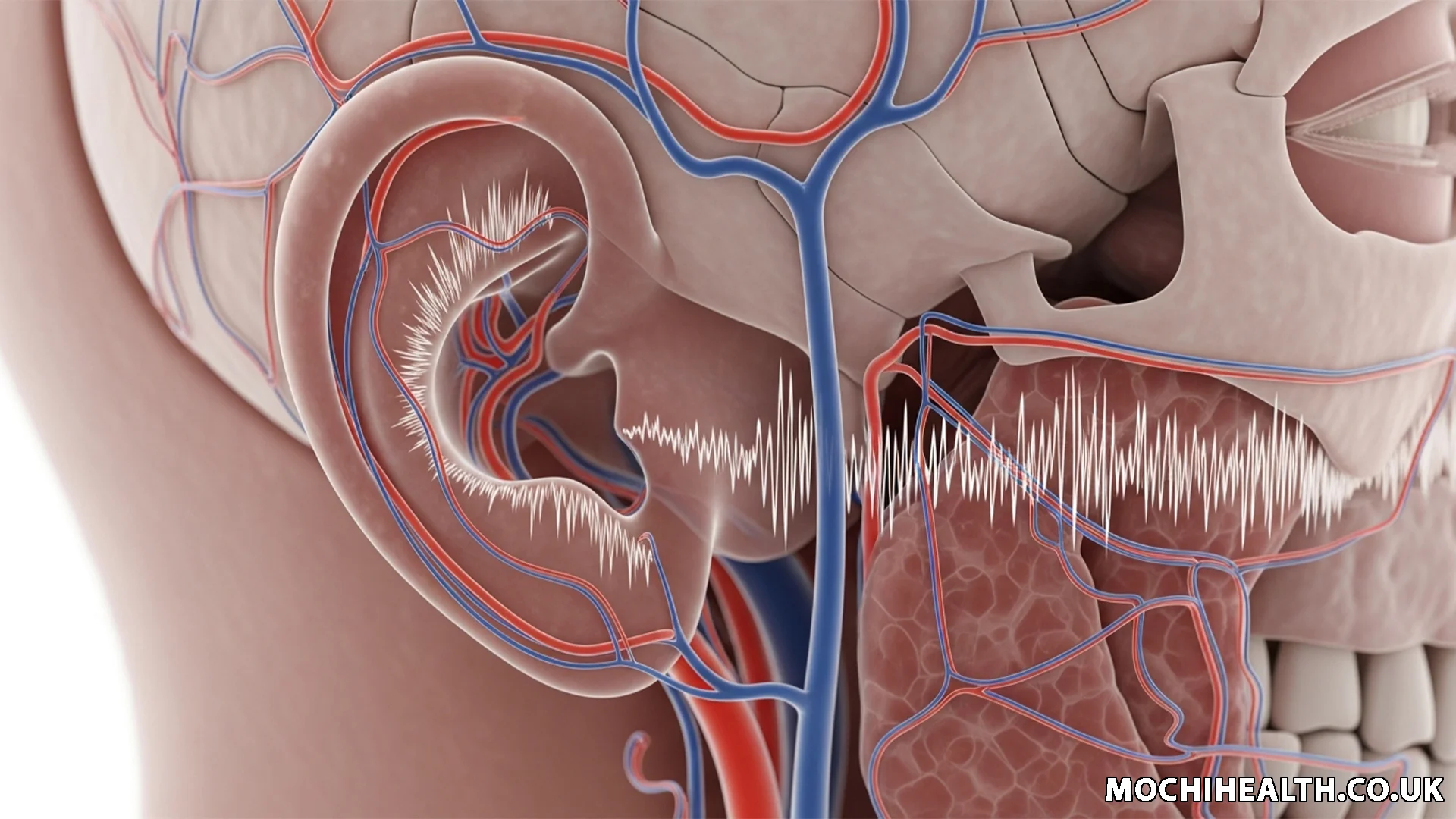
Though most cases are benign, hearing your heartbeat in the ear can sometimes signal serious conditions. Vascular anomalies like carotid artery issues, aneurysms, or arteriovenous malformations can lead to pulsatile tinnitus. It’s essential to seek prompt medical evaluation if the sound is persistent, associated with dizziness, or accompanied by other neurological symptoms.
When to Seek Medical Attention
If you notice that “I can hear my heartbeat in my left ear” consistently, or the sound is accompanied by pain, dizziness, or hearing loss, it’s crucial to consult a healthcare professional. Early diagnosis can prevent potential complications, particularly if the underlying cause is vascular or structural in nature.
Diagnosis and Hearing Tests
Medical professionals use a variety of tests to determine the cause of pulsatile tinnitus. These may include audiometry tests, MRI or CT scans, and blood pressure monitoring. Accurate diagnosis ensures that treatment addresses the root cause, whether it’s a minor ear issue or a more serious vascular condition.
Treatment Options for Pulsatile Tinnitus
Treatment varies depending on the underlying cause. Ear infections may require antibiotics, while vascular issues might need specialized medical interventions. In some cases, lifestyle modifications and stress management are sufficient to reduce the perception of heartbeat sounds. Modern medicine offers several options to minimize discomfort and improve quality of life.
Lifestyle Changes to Reduce Ear Pulsations
Simple lifestyle changes can significantly impact how often or intensely you hear your heartbeat in the ear. Reducing caffeine and alcohol intake, managing stress, exercising regularly, and maintaining proper hydration can help regulate blood flow and reduce pulsatile sensations. Incorporating mindfulness and relaxation techniques may also decrease the frequency of symptoms.
Preventive Measures for Ear Health
Protecting your ear health can prevent the onset or worsening of pulsatile tinnitus. Avoiding loud noise exposure, practicing good ear hygiene, and monitoring blood pressure regularly are essential preventive strategies. Regular checkups with an audiologist or ENT specialist can also ensure early detection of potential issues.
Conclusion
Hearing your heartbeat in your ear is a unique and sometimes alarming experience. While often harmless, “I can hear my heartbeat in my left ear” should not be ignored if persistent. Understanding the causes—from ear infections and stress to vascular abnormalities—is key to managing the condition effectively. Combining medical evaluation, lifestyle adjustments, and preventive measures can reduce symptoms and protect long-term ear health. Awareness and prompt action are essential for peace of mind and well-being.
FAQs
Q1: Is it dangerous if I can hear my heartbeat in my left ear?
Most of the time, it’s harmless. However, persistent or severe pulsatile tinnitus should be evaluated by a doctor to rule out vascular or structural issues.
Q2: Can stress cause me to hear my heartbeat in my ear?
Yes. Stress and anxiety can amplify internal bodily sensations, including heartbeat sounds, making them more noticeable in the ear.
Q3: How is pulsatile tinnitus diagnosed?
Doctors use hearing tests, imaging scans, and sometimes blood pressure monitoring to identify the cause of pulsatile tinnitus.
Q4: Are there treatments for hearing your heartbeat in the ear?
Treatment depends on the cause. It may include medication, lifestyle changes, or medical interventions for structural or vascular problems.
Q5: Can lifestyle changes reduce the sound of my heartbeat in the ear?
Yes. Reducing stress, caffeine, and alcohol, exercising regularly, and maintaining good ear health can significantly decrease the perception of pulsatile tinnitus.