
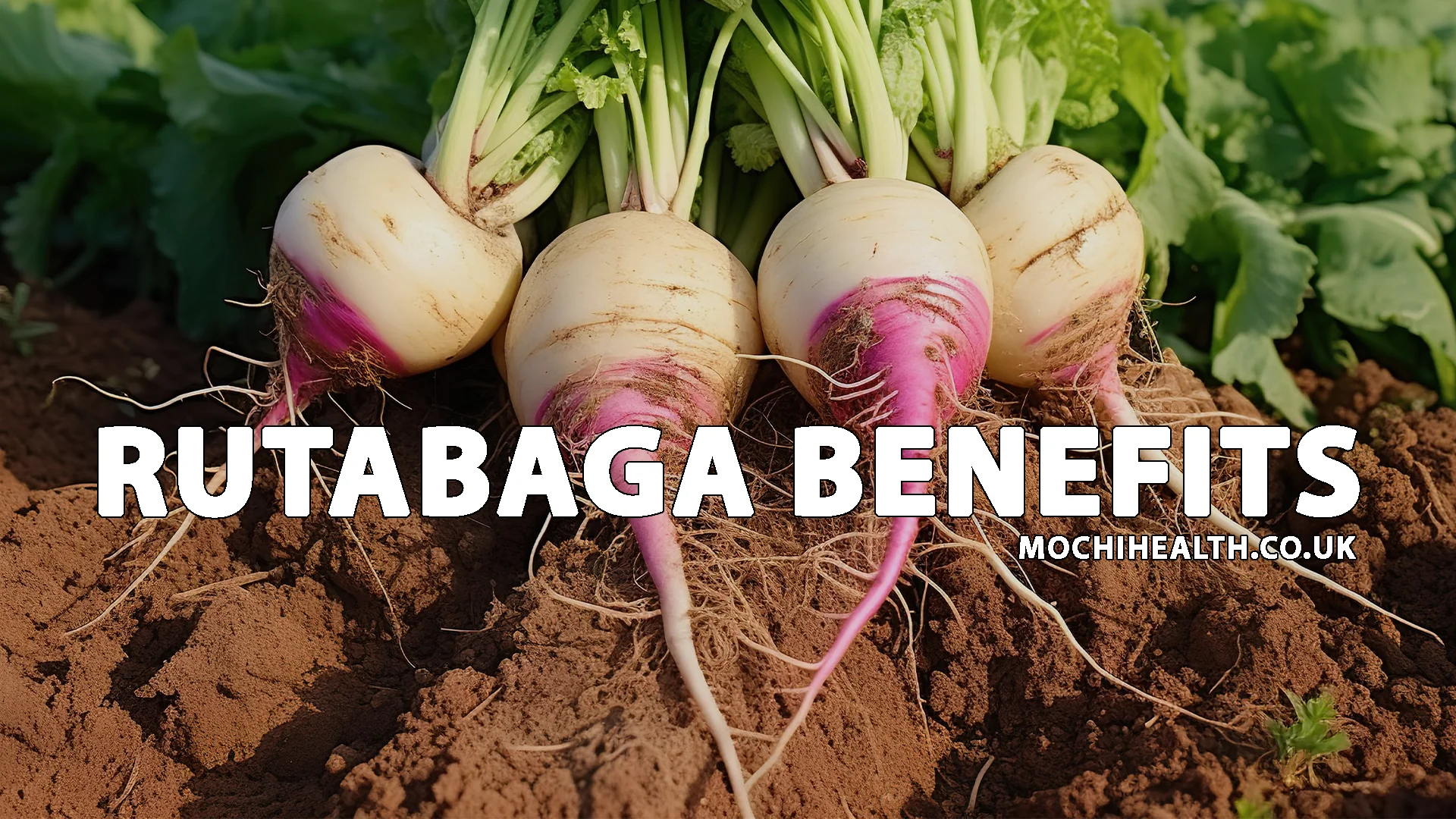
Rutabaga benefits have suddenly become a trending topic in the world of nutrition, wellness, and clean eating, and the growing curiosity around this humble root vegetable is impossible to ignore. Many people searching for healthier lifestyles are discovering foods that once lived quietly in traditional kitchens, and rutabaga is quickly becoming one of the most talked-about vegetables in modern health conversations. While it may look simple on the outside, the nutritional depth and health potential hidden inside this root vegetable make it worthy of serious attention.
The rising popularity of plant-based eating, gut health awareness, and immunity-boosting foods has pushed many forgotten vegetables into the spotlight. Rutabaga is one of those rare foods that combines powerful nutrients with versatility and comfort-food appeal. Readers exploring this topic are often looking for clear answers, real benefits, and trustworthy insights about why rutabaga deserves a place in daily meals. This article will explore everything from its nutritional profile and history to its real-world health impact and future relevance in global wellness trends.
Rutabaga and Its Rising Popularity
Rutabaga benefits are gaining massive attention as people search for natural ways to boost health without relying on complicated diets or expensive supplements. In recent years, nutritionists and wellness experts have highlighted the importance of simple, whole foods, and rutabaga fits perfectly into this movement. The renewed interest in traditional vegetables reflects a global shift toward sustainable eating, plant-forward diets, and nutrient-dense foods.
Many readers feel overwhelmed by constantly changing health trends. Rutabaga offers a refreshing alternative because it represents stability and simplicity. It reminds people that real nutrition often comes from humble sources rather than flashy superfoods.
What Is Rutabaga? A Simple Explanation
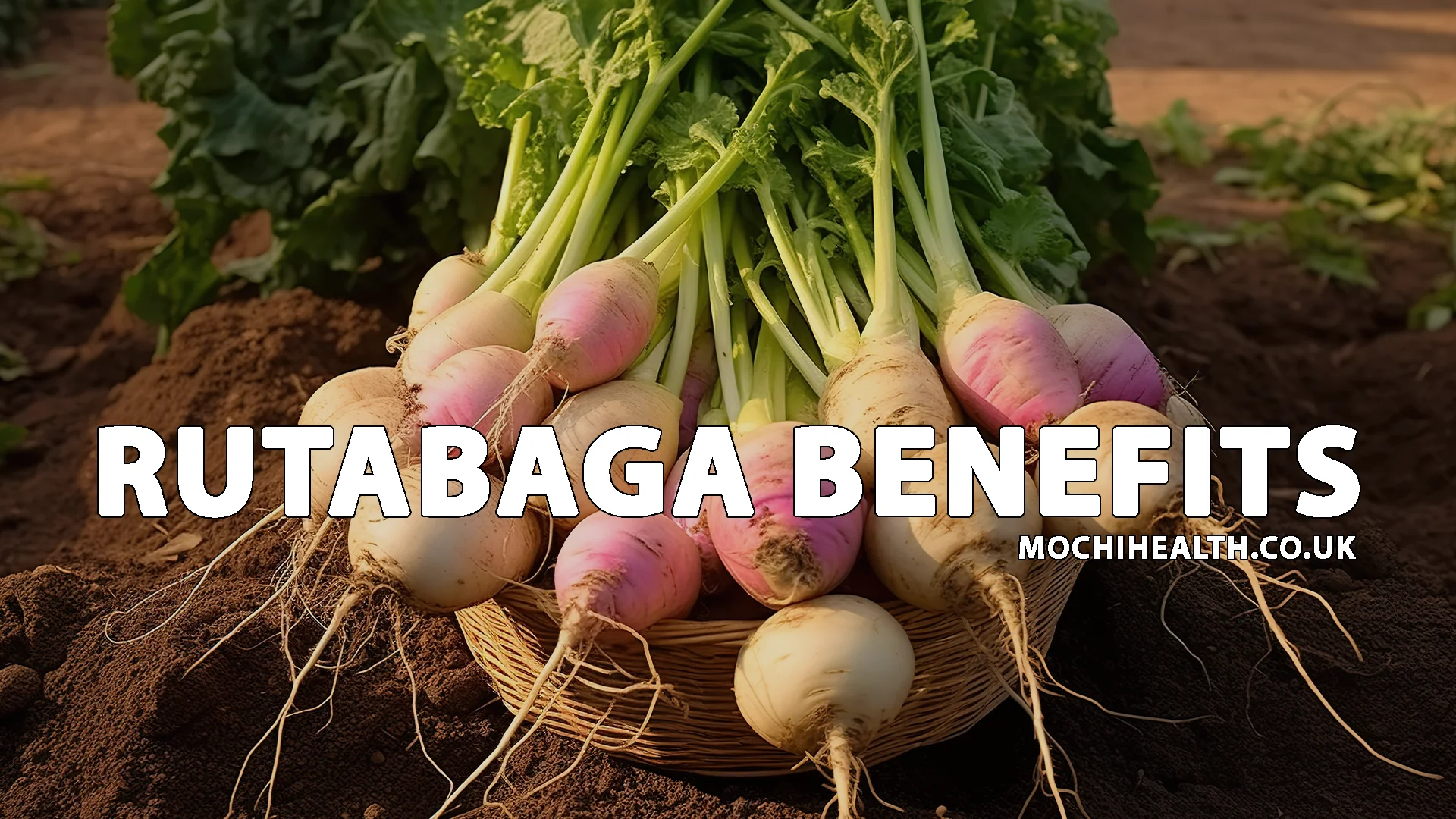
Rutabaga is a root vegetable that belongs to the cruciferous family, the same group that includes cabbage, broccoli, and cauliflower. It has a mild, slightly sweet flavor and a dense texture that makes it both filling and comforting. Its golden interior and purple-tinged skin make it visually distinct, yet many people still confuse it with turnips.
Understanding this vegetable in simple terms helps readers feel comfortable exploring its potential. Rutabaga is both nutritious and versatile, which explains its growing presence in health-focused kitchens.
The History and Origin of Rutabaga
The story of rutabaga dates back to Northern Europe, where it was cultivated for centuries as a reliable winter crop. Farmers valued it for its ability to grow in cold climates and provide nourishment during harsh seasons. Over time, it became a staple food in Scandinavian and British diets.
This historical connection adds depth to the conversation around rutabaga benefits. Foods that survive generations often do so because they deliver real nutritional value and practicality.
Why Rutabaga Is Becoming Popular Again
Modern wellness culture has rediscovered rutabaga as part of the movement toward traditional, whole foods. As people seek alternatives to processed carbohydrates and artificial ingredients, root vegetables have returned to the spotlight.
The renewed interest is driven by the desire for natural immunity support, digestive health, and balanced nutrition. Rutabaga represents a bridge between tradition and modern science.
Nutritional Profile of Rutabaga
Rutabaga is packed with vitamins, minerals, and fiber. It contains vitamin C, potassium, magnesium, and antioxidants, all of which support overall wellness. The vegetable is low in calories yet high in nutrients, making it ideal for those seeking balanced nutrition.
The nutrient density explains why rutabaga benefits continue to attract attention from dietitians and wellness experts.
Rutabaga and Immune System Support
A strong immune system remains a top priority in today’s health landscape. Rutabaga contains vitamin C, which plays a vital role in supporting immune defense and reducing inflammation. The antioxidants present in the vegetable help protect cells from damage and support long-term wellness.
This connection between nutrition and immunity has made rutabaga increasingly relevant in global health conversations.
Rutabaga for Heart Health
Heart health remains one of the most searched wellness topics worldwide. Rutabaga contains potassium and fiber, both of which support cardiovascular function. These nutrients help regulate blood pressure and maintain healthy cholesterol levels.
The relationship between heart health and diet highlights why rutabaga benefits are gaining attention among people of all ages.
Rutabaga and Digestive Wellness
Digestive health plays a major role in overall well-being. Rutabaga contains dietary fiber, which supports gut health and promotes regular digestion. Fiber also contributes to a healthy microbiome, which is increasingly recognized as essential for immunity and mental wellness.
The connection between gut health and overall vitality continues to strengthen the reputation of rutabaga.
Rutabaga and Weight Management
Healthy weight management is often linked to nutrient-dense foods that provide satiety without excessive calories. Rutabaga fits this description perfectly. Its fiber content helps people feel full while supporting balanced energy levels.
This makes rutabaga a valuable addition to modern nutrition discussions.
Rutabaga and Skin Health
The antioxidants and vitamin C in rutabaga contribute to skin health by supporting collagen production and protecting against oxidative stress. As skincare increasingly focuses on nutrition, foods like rutabaga are becoming part of beauty and wellness conversations.
Rutabaga and Blood Sugar Balance
Balanced blood sugar levels are essential for long-term health. Rutabaga’s fiber content slows the absorption of sugars, helping maintain stable energy levels and reducing sudden spikes.
This benefit adds to the growing recognition of rutabaga as a smart dietary choice.
Rutabaga and Bone Strength
Rutabaga contains minerals that support bone health, including calcium and magnesium. These nutrients contribute to bone density and overall skeletal strength, making the vegetable valuable for people of all ages.
Rutabaga in Modern Diet Trends
Plant-based diets, keto variations, and low-carb lifestyles have all contributed to the renewed interest in root vegetables. Rutabaga offers flexibility and compatibility with many eating patterns, making it a popular ingredient in modern kitchens.
Myths and Misconceptions About Rutabaga
Some people believe rutabaga lacks flavor or versatility, but this misconception is fading as chefs and nutritionists highlight its culinary potential. The vegetable’s mild sweetness and hearty texture make it adaptable to various cuisines.
Research and Scientific Insights
Studies on cruciferous vegetables continue to highlight their role in reducing inflammation and supporting long-term health. Rutabaga shares many of these properties, reinforcing its reputation as a nutritious choice.
Future Trends and Long-Term Importance
As global interest in sustainable agriculture and whole foods grows, rutabaga is likely to remain relevant. Its resilience, affordability, and nutritional value align with the future of food and wellness.
Conclusion
Rutabaga benefits extend far beyond basic nutrition. This humble root vegetable represents a return to simplicity, balance, and natural wellness. From immune support to heart health and digestive wellness, rutabaga offers a powerful combination of nutrients that align with modern health priorities. Its growing popularity reflects a broader shift toward whole foods and sustainable eating, ensuring its place in the future of nutrition.
FAQs
What does rutabaga taste like?
Rutabaga has a mild, slightly sweet flavor and a creamy texture when cooked.
Is rutabaga healthier than potatoes?
Rutabaga contains fewer calories and more fiber, making it a nutrient-dense alternative.
Can rutabaga support weight management?
Yes, its fiber content promotes fullness and balanced energy.
Is rutabaga good for immunity?
Yes, it contains vitamin C and antioxidants that support immune health.
Why is rutabaga becoming popular again?
The rise of plant-based and whole-food diets has brought renewed attention to its nutritional value.
If you enjoyed this article, you may also like our helpful guide “10ml Teaspoon”, where we explain accurate kitchen measurements and everyday cooking conversions in a simple, easy-to-understand way.