
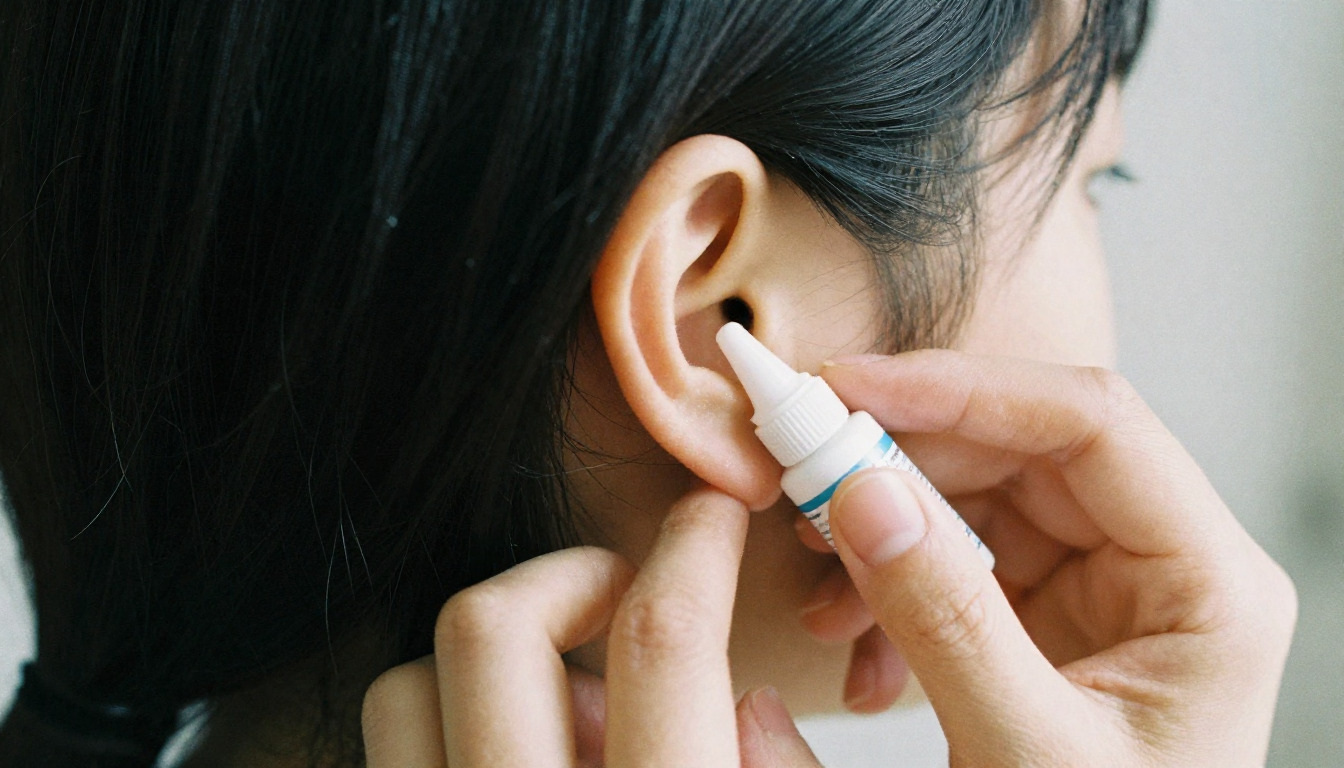
Maintaining clean and healthy ears is often overlooked in personal hygiene routines. Most people are unsure how to clean your ears correctly, leading to either under-cleaning, which causes wax buildup, or over-cleaning, which can damage the delicate structures of the ear. Earwax, also called cerumen, serves as a natural protective barrier, trapping dust, bacteria, and debris. When removed improperly, it can lead to irritation, infection, and even hearing loss.
This guide provides a detailed, step-by-step approach to safe ear cleaning, debunking common myths and providing professional recommendations. By the end of this article, you’ll have a thorough understanding of ear anatomy, safe cleaning techniques, and preventive practices to maintain optimal ear health.
Understanding Ear Anatomy
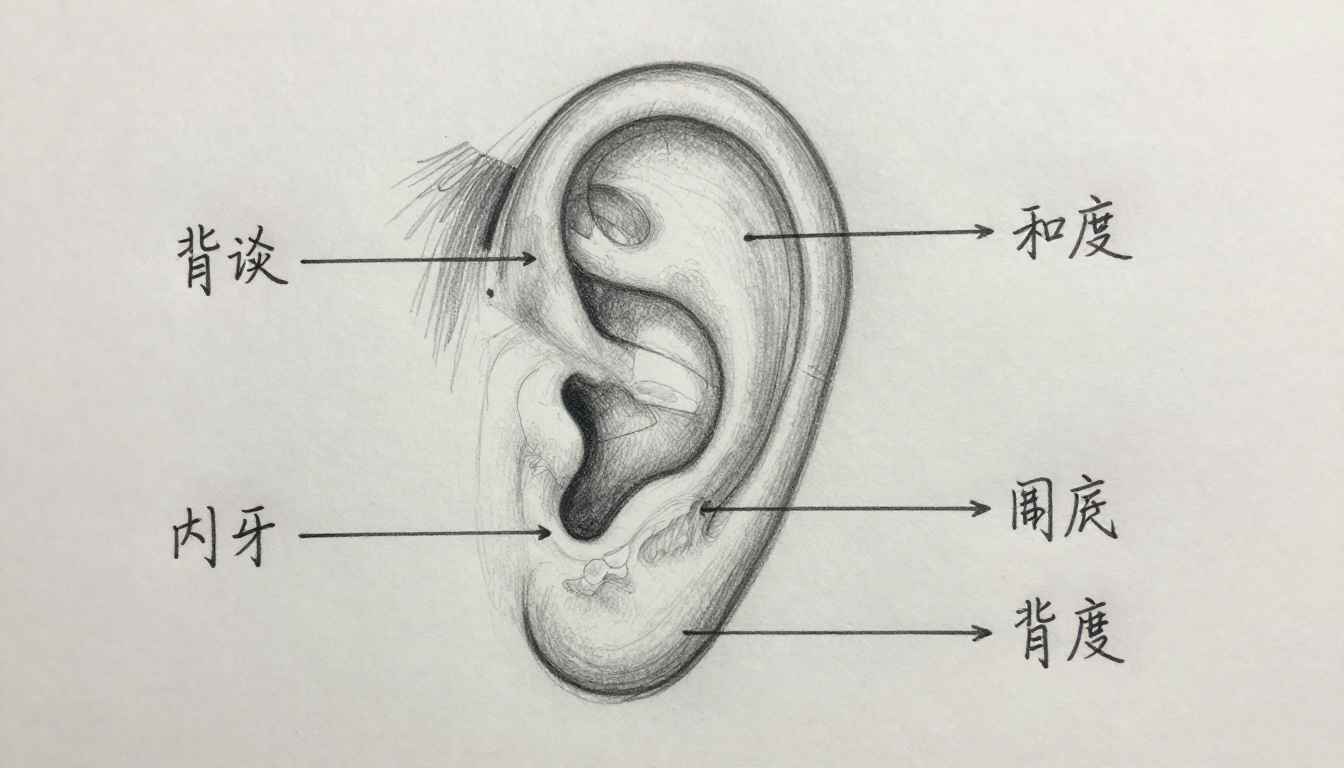
The Structure of the Ear
The human ear has three main sections: the outer ear, middle ear, and inner ear.
-
Outer Ear: Composed of the pinna (visible part) and ear canal. Earwax naturally forms here.
-
Middle Ear: Contains tiny bones (ossicles) that transmit sound vibrations.
-
Inner Ear: Includes the cochlea and vestibular system, responsible for hearing and balance.
Knowing the anatomy is crucial because improper cleaning can damage the eardrum or push wax deeper, leading to serious issues.
Role of Earwax (Cerumen)
Earwax isn’t just dirt—it’s protective. Cerumen:
-
Lubricates the ear canal
-
Traps dust, bacteria, and small particles
-
Prevents infections
However, excessive earwax can cause discomfort, muffled hearing, or infections, making safe cleaning essential.
Why Proper Ear Cleaning is Important
Risks of Earwax Buildup
-
Ear discomfort or fullness
-
Partial hearing loss
-
Tinnitus (ringing in the ears)
-
Dizziness or imbalance
Preventing Ear Infections
Regular but careful cleaning prevents bacterial growth, minimizing the risk of ear infections such as otitis externa or otitis media.
Common Myths About Ear Cleaning
Cotton Swabs Are Dangerous
Cotton swabs push wax deeper into the ear canal and can puncture the eardrum. They should never be inserted into the ear canal.
Ear Candling Myths
Ear candling is ineffective and dangerous. It can burn the ear canal and increase the risk of injury.
How to Clean Your Ears Safely
At-Home Ear Cleaning Methods
Warm Water Rinse
-
Tilt your head to the side
-
Use a bulb syringe with warm water
-
Gently flush the ear canal
-
Dry your ear with a soft towel
Over-the-Counter Ear Drops
-
Choose drops designed for softening wax
-
Follow instructions carefully
-
Avoid using if you have a perforated eardrum
Hydrogen Peroxide Solution
-
Use a 3% hydrogen peroxide solution
-
Apply a few drops into the ear canal
-
Let it sit for 5 minutes, then rinse with warm water
Professional Ear Cleaning Options
ENT Specialist Procedures
Ear, Nose, and Throat (ENT) doctors use tools like curettes or suction devices to remove wax safely.
Microsuction
A painless, precise procedure using a suction device under a microscope.
Irrigation by a Professional
Warm water or saline is used to gently flush the ear canal. This method should be performed by professionals to avoid injury.
Step-by-Step Guide: How to Clean Your Ears at Home
Preparation
-
Wash your hands
-
Gather materials (ear drops, bulb syringe, towel)
-
Ensure good lighting
Choosing the Right Method
-
For minor wax buildup: ear drops or warm water rinse
-
For significant blockage: consult an ENT
Safety Precautions
-
Never insert cotton swabs or objects
-
Stop immediately if you feel pain
-
Avoid using ear candles or harsh chemicals
Tips to Maintain Ear Hygiene
Regular Cleaning Routine
-
Clean your outer ear with a damp cloth weekly
-
Avoid daily deep cleaning
Avoiding Harmful Objects
-
No cotton swabs, pins, or hairpins
-
Avoid inserting objects to remove wax
Monitoring Ear Health
-
Check for unusual discharge, pain, or hearing changes
-
Schedule routine check-ups if prone to wax buildup
Signs You Should See a Doctor
-
Persistent ear pain
-
Fluid discharge from the ear
-
Sudden hearing loss
-
Severe tinnitus or ringing
-
Dizziness or balance issues
Prompt medical attention can prevent long-term complications.
Conclusion
Proper ear hygiene is crucial for overall health and well-being. While earwax serves a protective purpose, excessive buildup can cause discomfort and hearing issues. Understanding how to clean your ears safely ensures that you maintain ear health without risking injury. Use gentle at-home methods, avoid unsafe tools, and consult professionals for persistent problems. By following these guidelines, you can enjoy clear hearing and reduce the risk of infections.
Frequently Asked Questions (FAQs)
Q1: Can I use cotton swabs to clean my ears?
A1: No. Cotton swabs can push wax deeper and may damage the eardrum.
Q2: How often should I clean my ears?
A2: Outer ear cleaning weekly is sufficient. Deep canal cleaning should be occasional or done by a professional.
Q3: Is ear candling safe?
A3: No. Ear candling is ineffective and can cause burns or injury.
Q4: What should I do if I have a wax blockage?
A4: Use ear drops to soften wax or consult an ENT for professional removal.
Q5: Can hydrogen peroxide be used daily for ear cleaning?
A5: No. Frequent use can irritate the ear canal. Only use occasionally as needed.